

The 68th Annual Grammy Awards transcended their role as a celebration of musical achievement on February 1, 2026, becoming a unified platform for the music industry’s most direct and widespread rebuke of the Trump administration’s immigration policies. What was planned as a night of glamour in Los Angeles became a charged political event, with artists using their acceptance speeches and fashion choices to deliver a clear message: “ICE Out”.
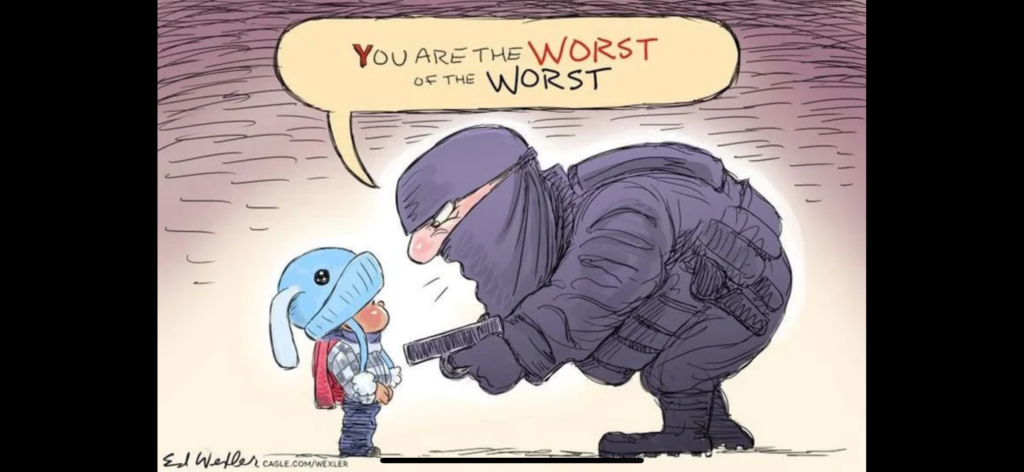
The scale of the protest was unprecedented for an awards show, moving beyond isolated statements to a coordinated cultural campaign. It has sparked a fierce political debate, forcing a confrontation between the administration’s “America First” agenda and the music industry’s influential voice, with uncertain consequences for the national discourse.
The Stage of Protest: Speeches, Pins, and a Unified Message
The protest was both highly visible and deeply personal. Organized activists had spent the week leading up to the ceremony circulating “ICE Out” pins and urging artists to wear them. The result was a striking visual statement on the red carpet and throughout the Crypto.com Arena.
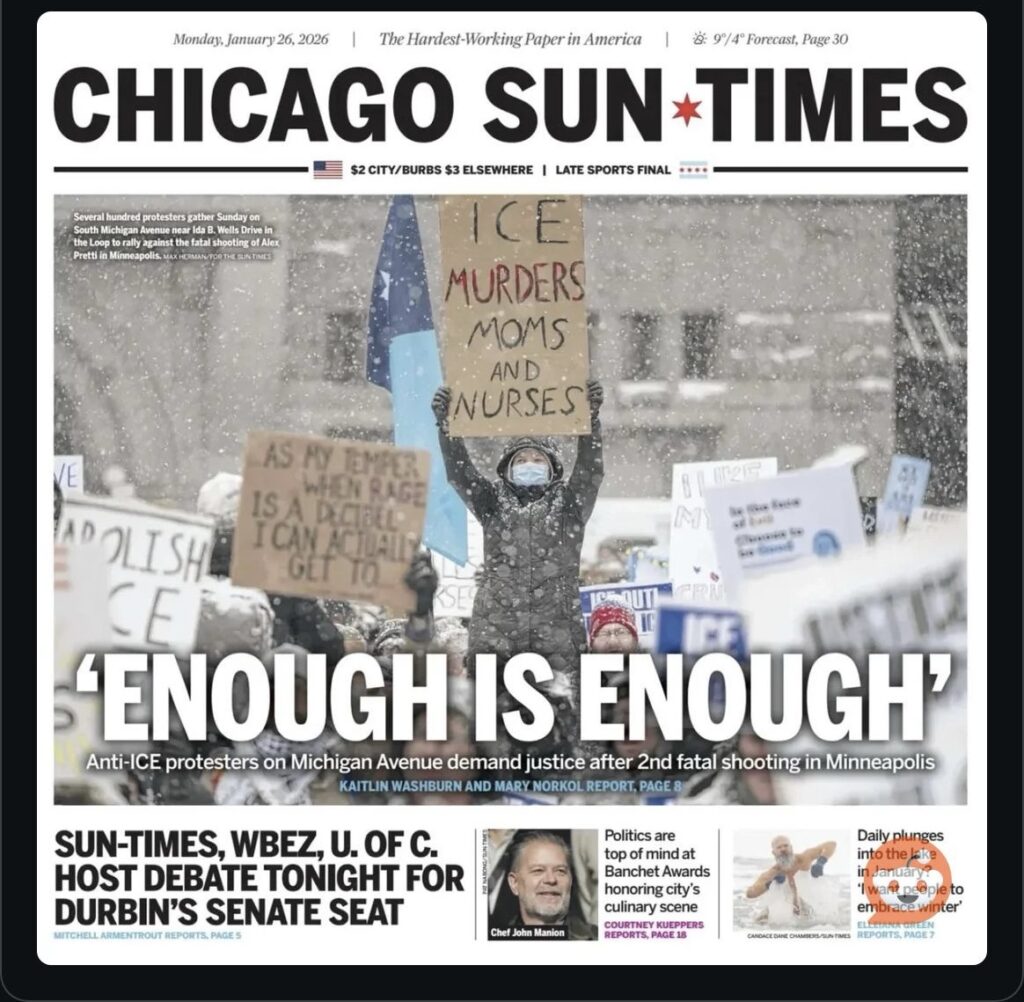
· Bad Bunny’s Defining Moment: Accepting the award for Best Música Urbana Album, the Puerto Rican superstar began with, “Before I say thanks to God, I’m gonna say: ICE out”. His speech, which received a standing ovation, was a powerful rebuttal to dehumanizing rhetoric: “We’re not savage, we’re not animals, we’re not aliens. We are humans and we are Americans”. He framed the resistance as one of love, not hate.
· Widespread Artist Endorsement: The pins were worn by a diverse array of artists, from outspoken critics like Billie Eilish to those who typically avoid politics, such as Justin and Hailey Bieber. For Hailey Bieber, the protest carried a personal dimension, as her father, Stephen Baldwin, is an avowed Trump supporter.
· Personal Testimonies: British singer Olivia Dean, named Best New Artist, declared, “I’m a product of bravery,” as the granddaughter of an immigrant. Billie Eilish used her Song of the Year speech to state, “no one is illegal on stolen land,” while Kehlani and others directed explicit criticism at ICE during their moments on stage.
Catalysts for Outrage: A Series of Flashpoints
The Grammy protest was not an isolated event but the culmination of growing public anger over specific administration actions. Organizers noted a much stronger showing than at the Golden Globes just a month prior, driven by recent controversies.
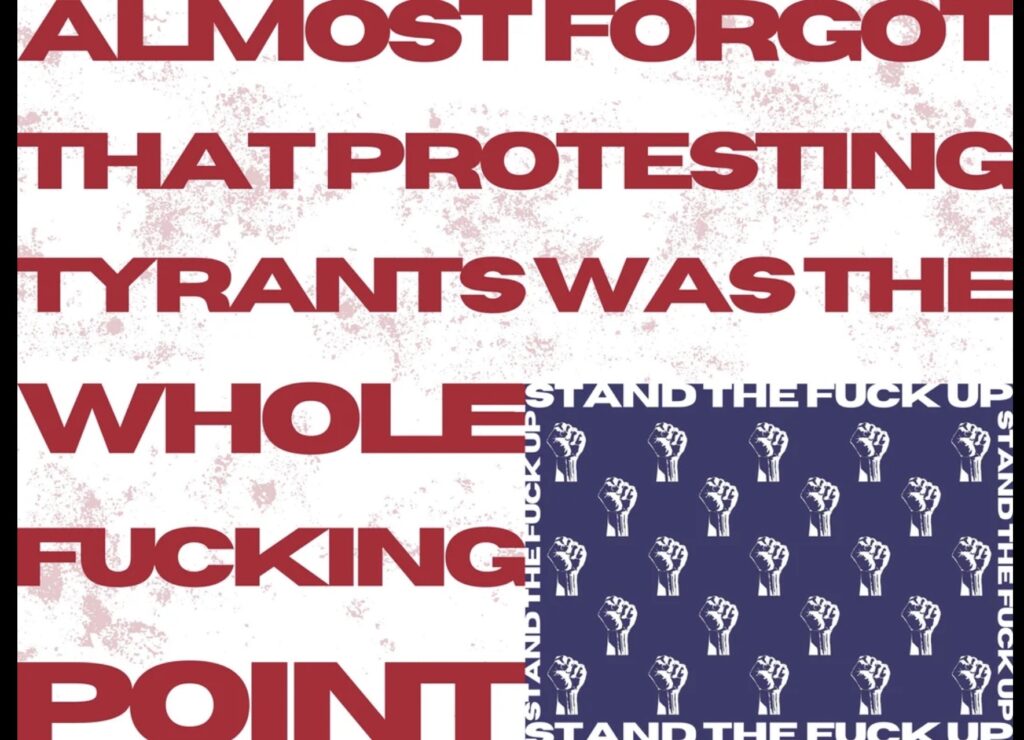
Key incidents fueling the backlash:
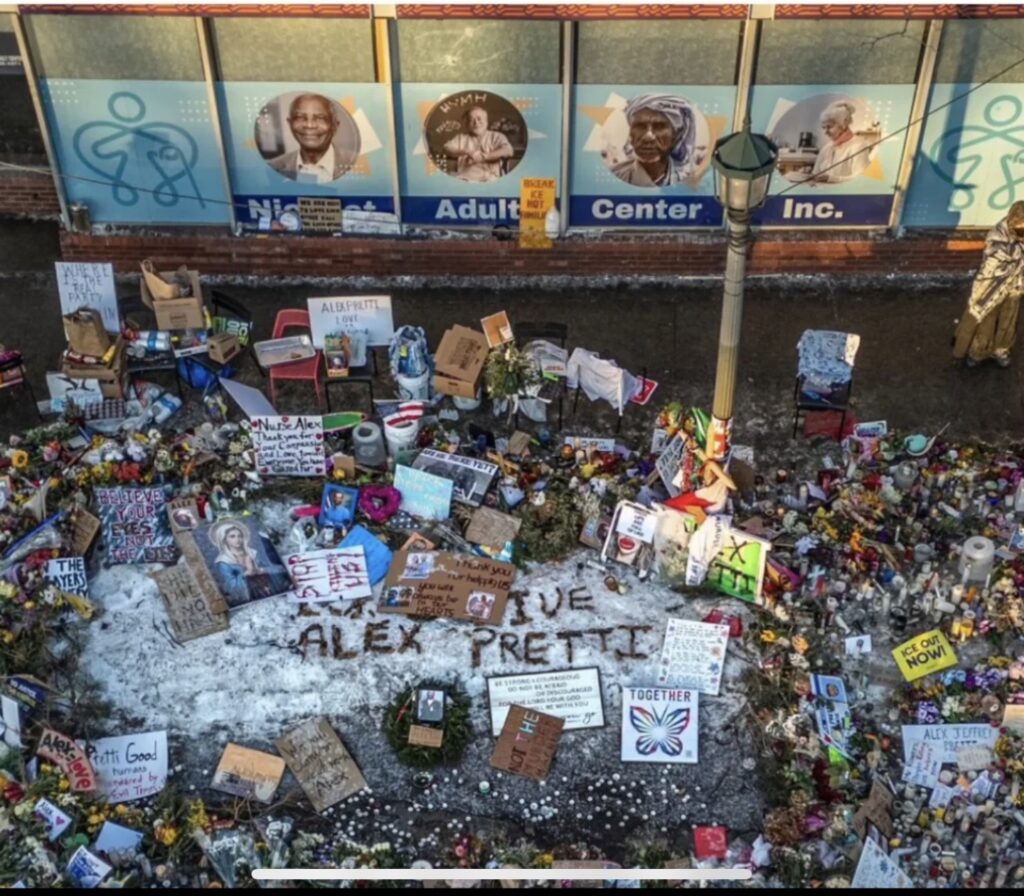
· The killing of 37-year-old nurse Alex Pretti by a Border Patrol officer.
· The detention of 5-year-old Liam Conejo Ramos by federal agents.
· The killing of Renee Good by an ICE officer last month, which inspired “BE GOOD” pins at the Sundance Film Festival.
· The recent arrest of journalist Don Lemon, who was in attendance at the Grammys.
The Administration and Its Supporters Push Back
The Trump administration and its allies dismissed the protests as elite grandstanding. President Trump had previously criticized the NFL’s choice of Bad Bunny to headline the upcoming Super Bowl halftime show, stating, “I’m anti-them. I think it’s a terrible choice. All it does is sow hatred”. The administration has also reportedly threatened to place ICE agents at that very Super Bowl performance.
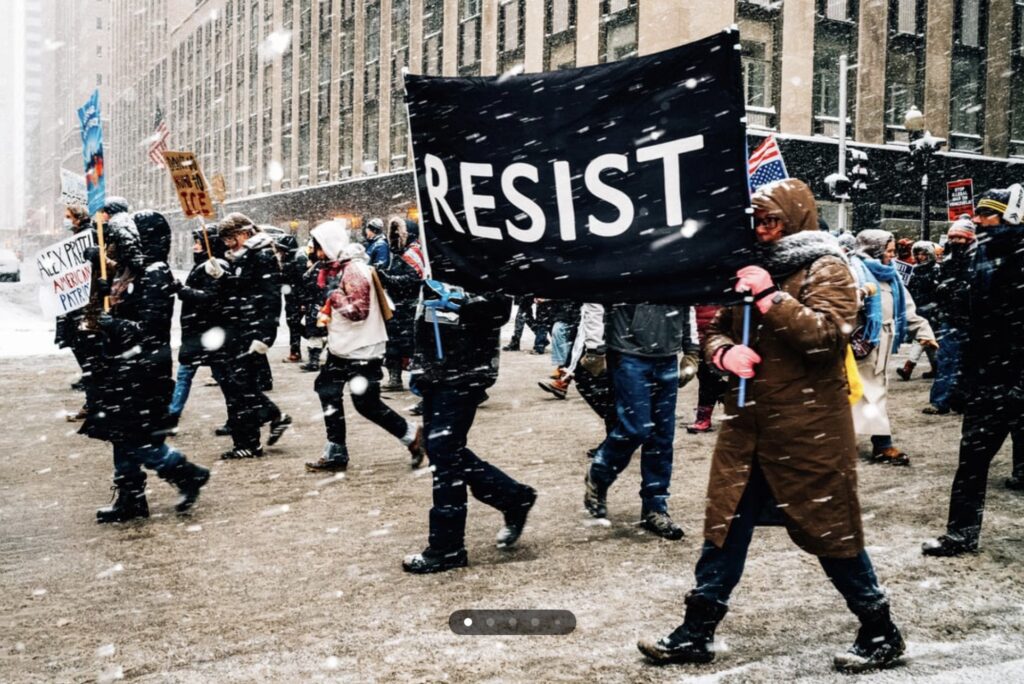
Conservative media and viewers lambasted the awards. Outlets like GB News branded the ceremony “WOKE garbage,” with social media filling up with comments from viewers who said they “switched off” in protest. Critics argued that wealthy celebrities were out of touch with the consequences of open borders and were using their platforms inappropriately.
Industry Forces and Personal Risk
Behind the scenes, wearing a pin was not a simple decision. Jess Morales Rocketto, executive director of the Latino advocacy group Maremoto, explained that artists face a “million reasons” not to participate, including pressure from record labels, managers, or corporate fashion partners. The political environment added a layer of personal risk, especially for Latino artists who may have undocumented family members or precarious immigration status themselves.
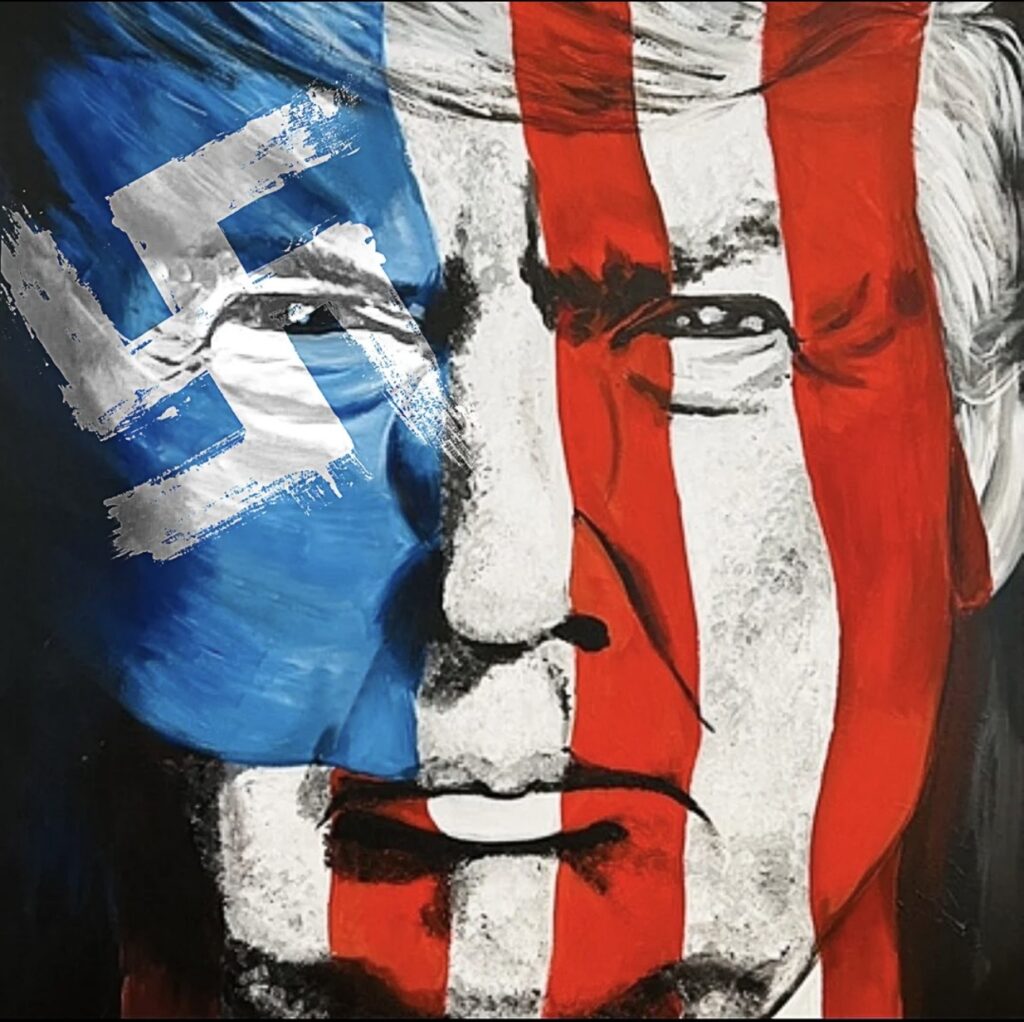
Impact and Implications: More Than a Red Carpet Moment
The 2026 Grammys signify a critical juncture in the relationship between American cultural institutions and the political establishment.
For the Trump Administration:
· The event demonstrates solidifying opposition from a major cultural sector, complicating efforts to normalize hardline immigration policies.
· It mobilizes a young, diverse audience against the administration’s agenda, potentially affecting political engagement.
· The confrontation sets the stage for further conflict, as seen with the looming Super Bowl halftime show.
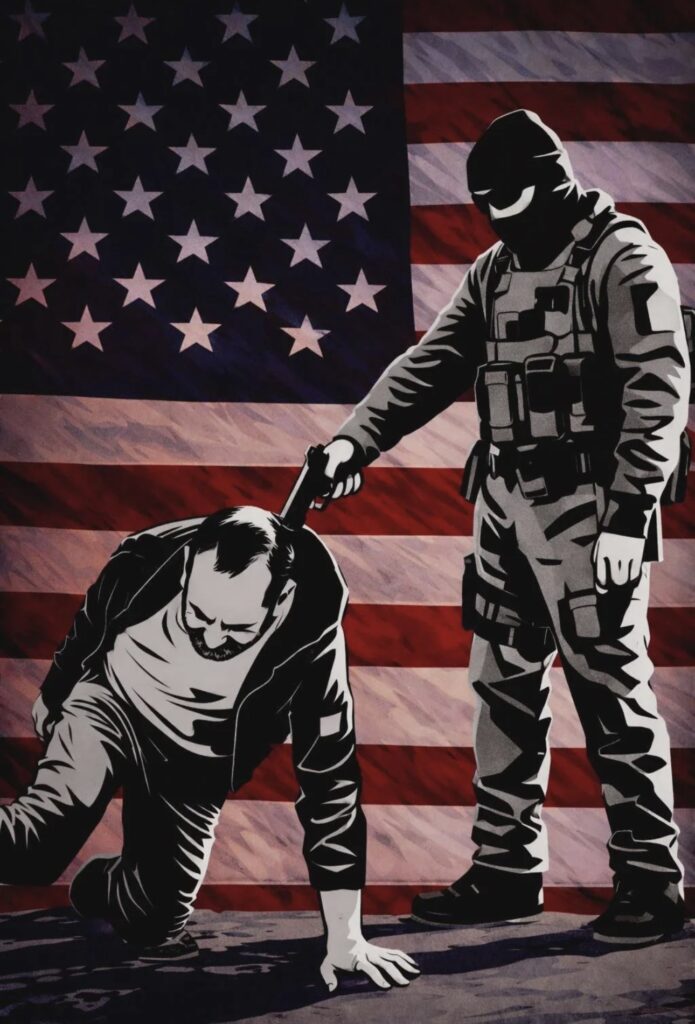
For the Music Industry and Cultural Landscape:
· It marks a shift toward collective, organized political action rather than individual celebrity statements.
· The protest elevates immigration policy to a forefront cultural issue, ensuring sustained media attention.
· It creates a clear fault line, with artists like Nicki Minaj, who supports Trump and was mocked by host Trevor Noah, facing criticism from within the industry.
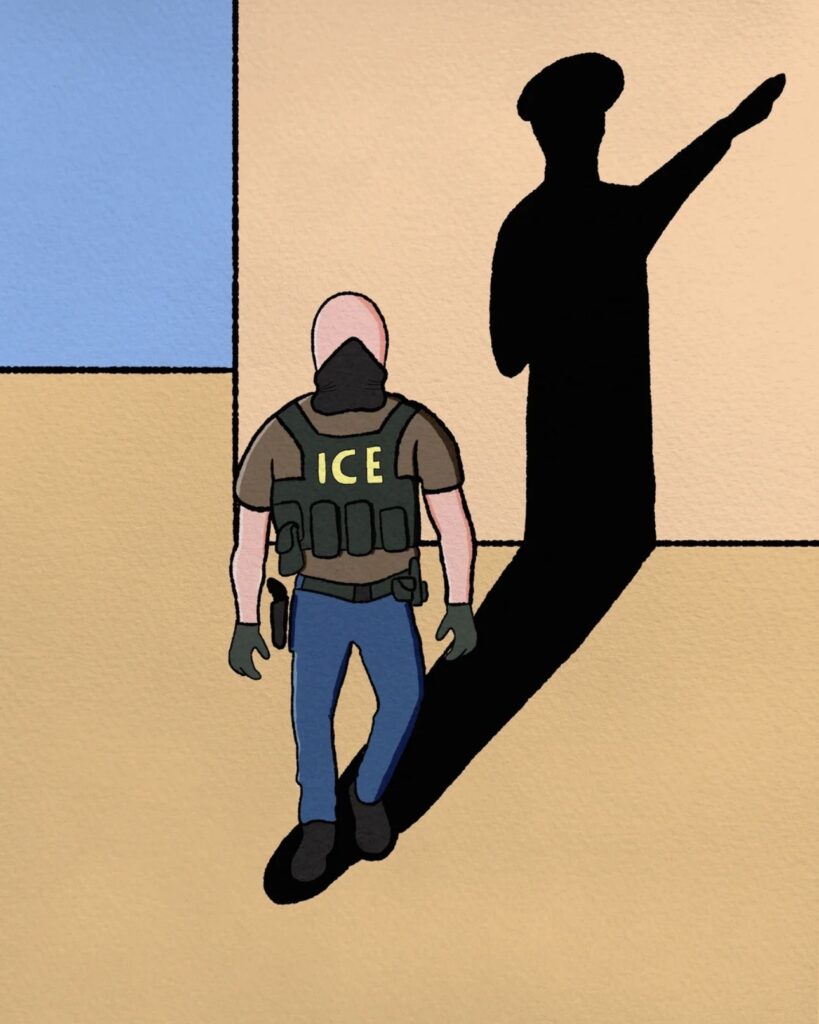
The “ICE Out” movement at the Grammys proved that awards shows can evolve into platforms for potent political dissent. The protest has intensified a cultural war that shows no sign of abating, ensuring that the battle over immigration will be fought not only in the halls of Congress and on city streets but also on the red carpets and global stages of popular culture. The full impact will be tested in the weeks to come, particularly at the Super Bowl, where Bad Bunny’s halftime performance is now poised to be the next major flashpoint.