
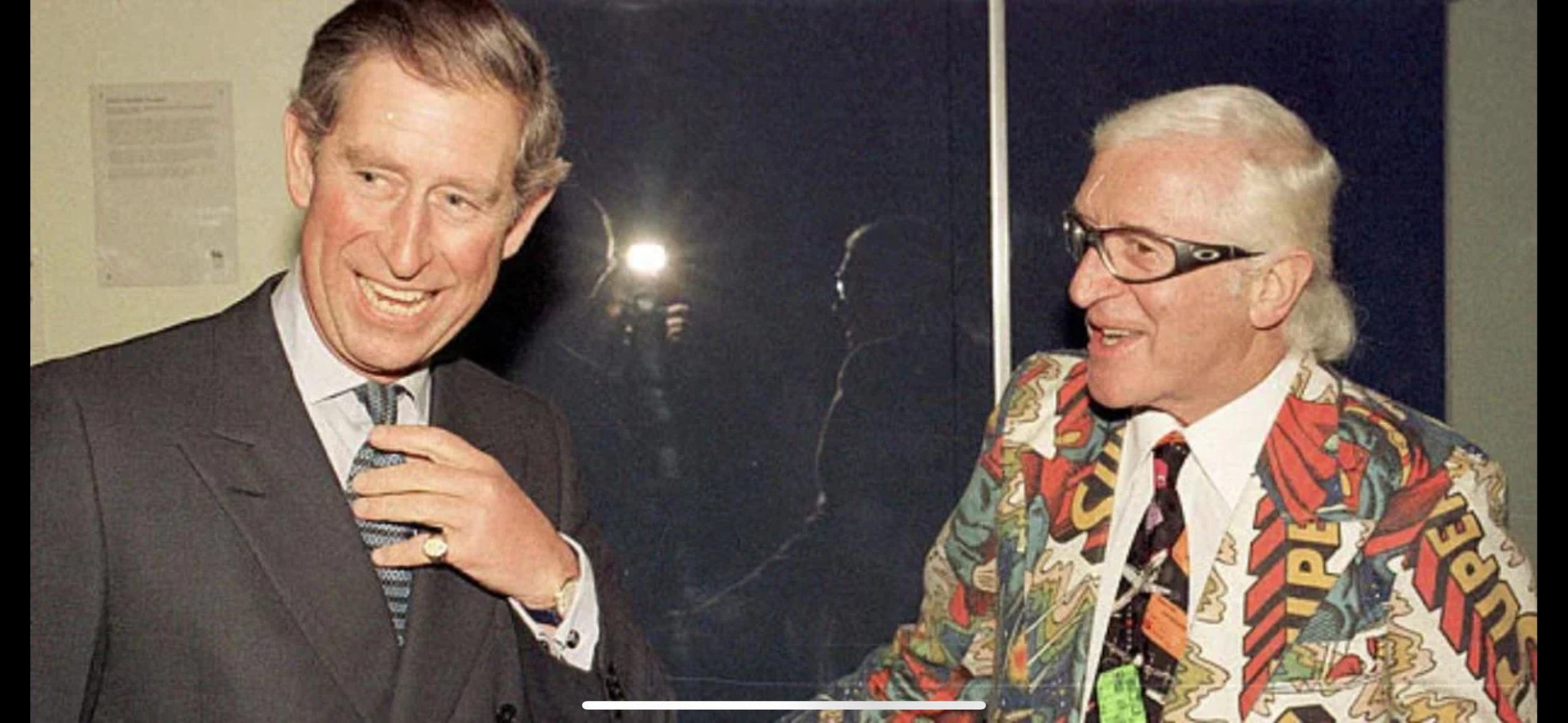
The British royal family, that venerable institution steeped in tradition and dignified silence, has recently offered the world an unprecedented masterclass in how to handle a public relations catastrophe. Their preferred methodology? A baffling cocktail of denial, deflection, and a steadfast refusal to acknowledge reality, all served with a side of aristocratic entitlement. The starring role in this tragicomedy is, of course, played by Andrew Mountbatten-Windsor—the man formerly known as Prince Andrew.

The “No Contact” Claim That Just Won’t Die
The cornerstone of Andrew’s defence has long been that he severed ties with the convicted sex offender Jeffrey Epstein after his 2008 conviction. It was a noble, if belated, act of contrition. Or so we were told.
The reality, as revealed in a cascade of released emails, is a pattern of continued contact that would make a compulsive liar blush. In September 2010, with Epstein freshly released from house arrest, Andrew enthusiastically invited him to Buckingham Palace for a private dinner, emailing, “Delighted for you to come here to BP… lots of privacy”. This wasn’t a one-off. That same December, Epstein offered to set Andrew up with a “26, russian, clevere [sic] beautiful, trustworthy” woman, to which Andrew replied he would be “delighted to see her”.
The pièce de résistance came in February 2011, where Andrew emailed Epstein the now-infamous line: “This week is all about me… Time to put something back into me”. This profound insight into his character was sent months after he publicly claimed to have ended the friendship. He even followed it up with another email stating, “It was great to spend time with my US family. Looking forward to joining you all again soon”. So much for that clean break.

The Palace Playbook: When in Doubt, Strip the Titles (But Do Little Else)
Watching Buckingham Palace navigate this scandal has been like watching someone try to mop up a tsunami with a single napkin. Their strategy appears to be: wait until the evidence is utterly incontrovertible and public fury is at its peak, then take the most minimal action possible.
In October 2025, after years of damaging headlines, King Charles finally initiated the formal process to remove Andrew’s royal styles, titles, and honours. The Palace presented this as decisive action. However, as victims’ lawyer Brad Edwards pointed out, this manoeuvre had the convenient side-effect of allowing Andrew to maintain he has “no money and no ability to provide compensation”. A brilliant tactical retreat, perhaps, but one that “has had the exact opposite effect” of supporting victims, as Edwards scathingly noted. The Palace’s “utmost sympathies” to victims ring somewhat hollow next to such legal pragmatism.

A Supporting Cast of Enablers
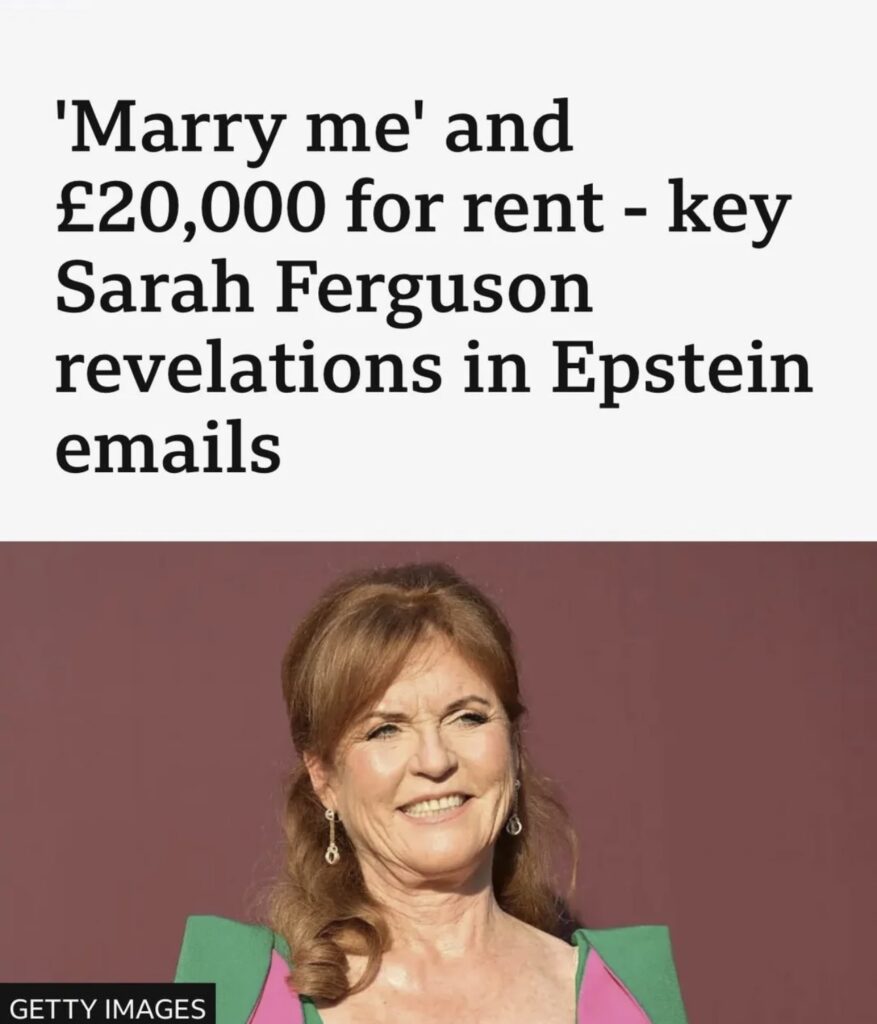
No farce is complete without a supporting cast, and Andrew’s family provided it in spades. His ex-wife, Sarah Ferguson, described Epstein in a 2009 email as “the brother I have always wished for”. When in a financial pinch, she didn’t hesitate to email Epstein: “I urgently need 20,000 pounds for rent today. The landlord has threatened to go to the newspapers if I don’t pay. Any brainwaves?”. Meanwhile, behind her back, Epstein was sending links to articles about her with the comment, “Pic of F from Friday not the prettiest sight”.
The royal institution itself became an unwitting set piece. Buckingham Palace wasn’t just a symbol of the monarchy; it was proposed as a private dining venue for a sex offender. Royal Lodge, Andrew’s Windsor home, is now alleged as the location of a sexual encounter with an Epstein-trafficked woman, who was afterwards given a tour of Buckingham Palace and tea. It adds a whole new, ghastly dimension to the royal “meet and greet.”
The Legacy: An Indelible Stain
The fallout has been comprehensive. Andrew’s car-crash 2019 Newsnight interview, where he attributed his inability to sweat to an “adrenaline overdose” and claimed a trip to PizzaExpress in Woking was a cast-iron alibi, remains a classic of the genre. He has been stripped of his roles, his titles, and his credibility.
Yet, the ultimate royal skill—the breathtaking lack of accountability—shines through. Andrew settled a civil case with accuser Virginia Giuffre for a reported £12 million without admitting liability. He has “consistently and strenuously” denied all wrongdoing. And while UK Prime Minister Keir Starmer has said Andrew should testify before the US Congress, the former prince continues to ride horses in Windsor, seemingly insulated from the consequences that would befall any other citizen.

In the end, the monarchy’s centuries-old armour of dignity has been pierced not by republicans or revolutionaries, but from within. It has been tarnished by one man’s appalling judgment and an institution’s painfully slow, PR-driven response. They have shown the world that behind the pomp and the carriages, the crisis management can be as grubby, clumsy, and morally compromised as anywhere else. For an institution built on mystique and respect, that may be the most damaging revelation of all.