
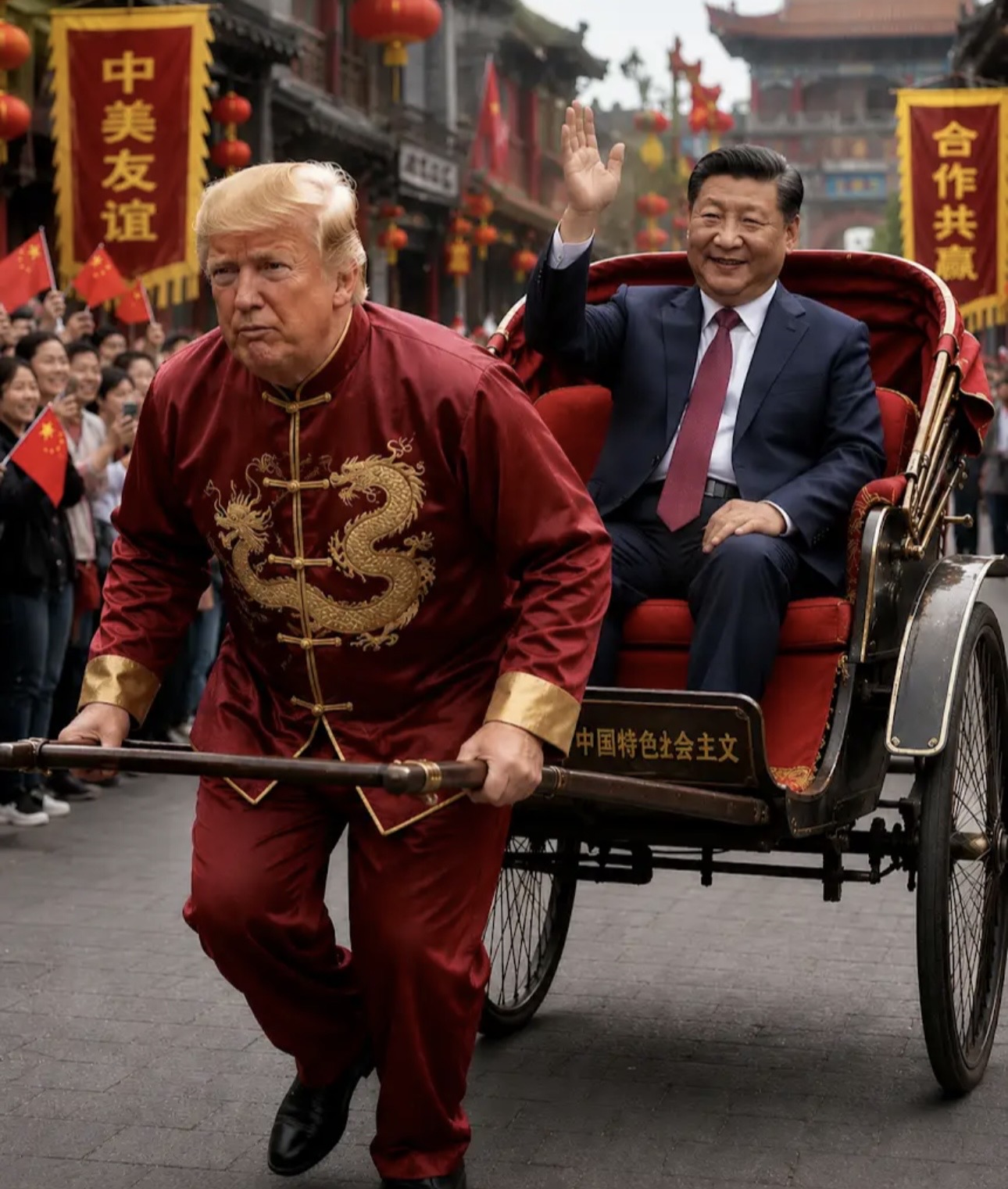
The visit began, as all modern diplomatic missions do, with a motorcade, a camera crew, and a declaration so enormous it briefly altered the Earth’s gravitational field.
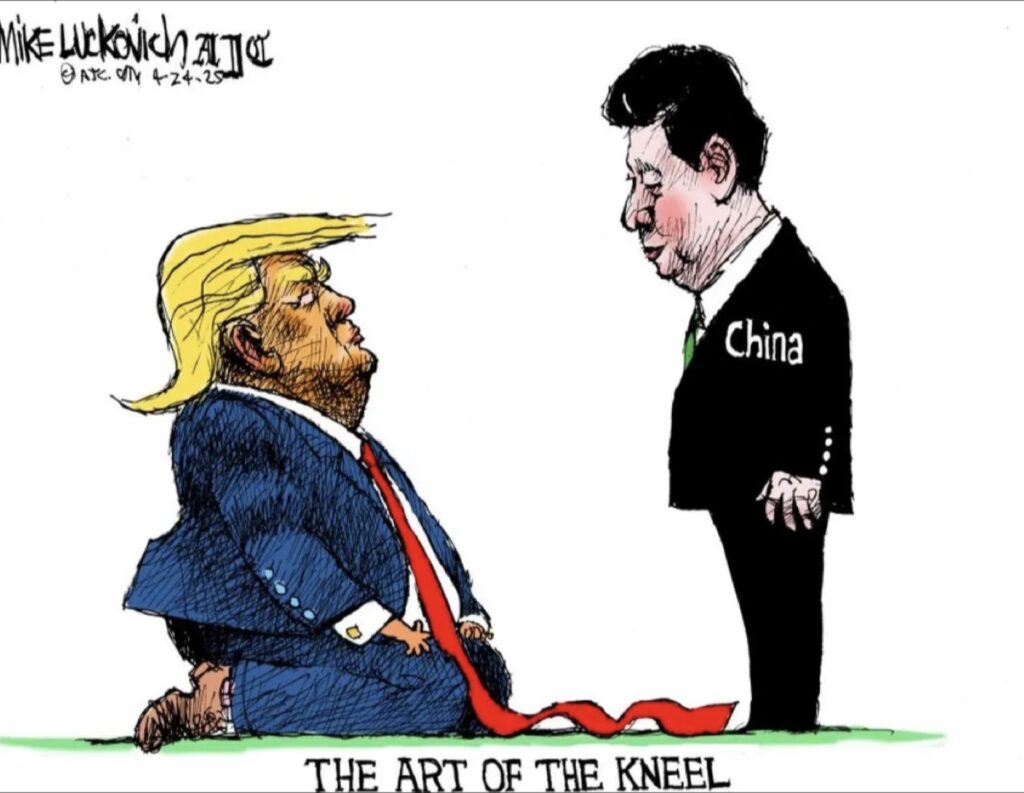
“We’ve never had a trip like this,” proclaimed Donald Trump, apparently grading his own foreign policy the way a casino owner reviews his buffet: generously, loudly, and before the health inspector arrives.
According to Trump, his reception in China was not merely diplomatic—it was spiritual. Crowds were “the biggest ever,” meetings were “historic,” and every handshake reportedly contained “tremendous respect, maybe the most respect anyone’s ever seen.”
Chinese officials, masters of diplomatic restraint, responded with the international expression for “we are tolerating this because geopolitics is exhausting”: polite smiles and carefully translated statements that somehow sounded both welcoming and emotionally unavailable.
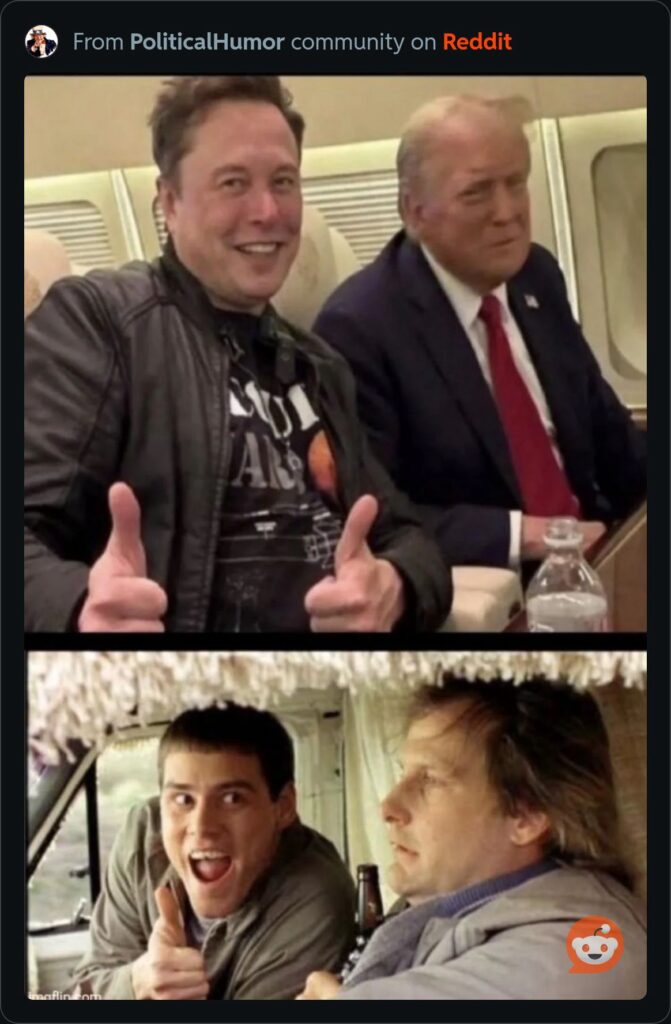
American media outlets, meanwhile, entered their familiar ritual of interpretive chaos.
One network declared the trip a masterstroke of strategic engagement. Another suggested it resembled “a man trying to negotiate a chess match by loudly describing Monopoly.” Panels of experts emerged instantly, each speaking with the confidence of people who had discovered Asia approximately six minutes earlier.
Trump’s defenders celebrated every banquet seat arrangement as proof of global dominance.
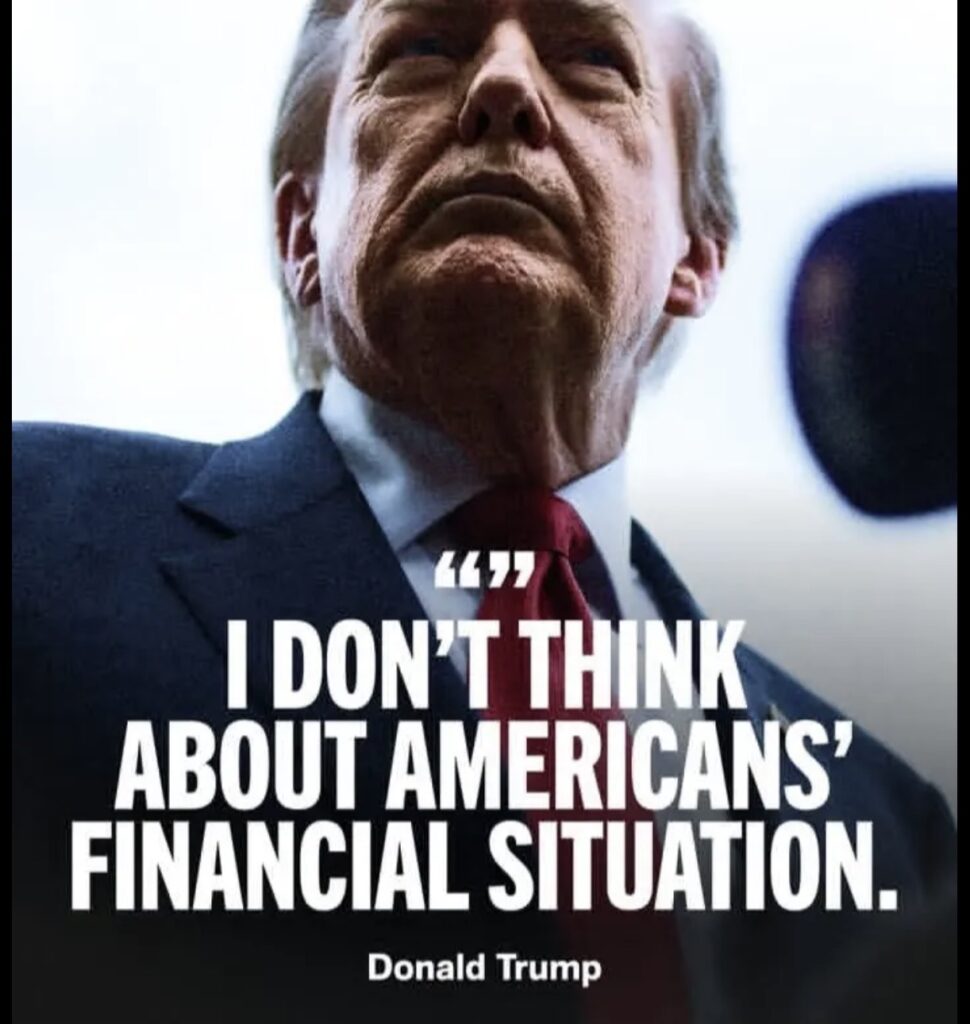
“Notice the angle of the chair,” one commentator insisted, circling pixels on live television like a conspiracy theorist mapping crop circles. “That’s leverage.”
Critics, meanwhile, treated every vague statement like forensic evidence from a diplomatic crime scene.
When Trump described conversations in glowing superlatives—“They said things nobody’s ever said before, incredible things”—journalists scrambled to verify exactly what had been said, only to discover that international diplomacy rarely comes with subtitles and receipts.
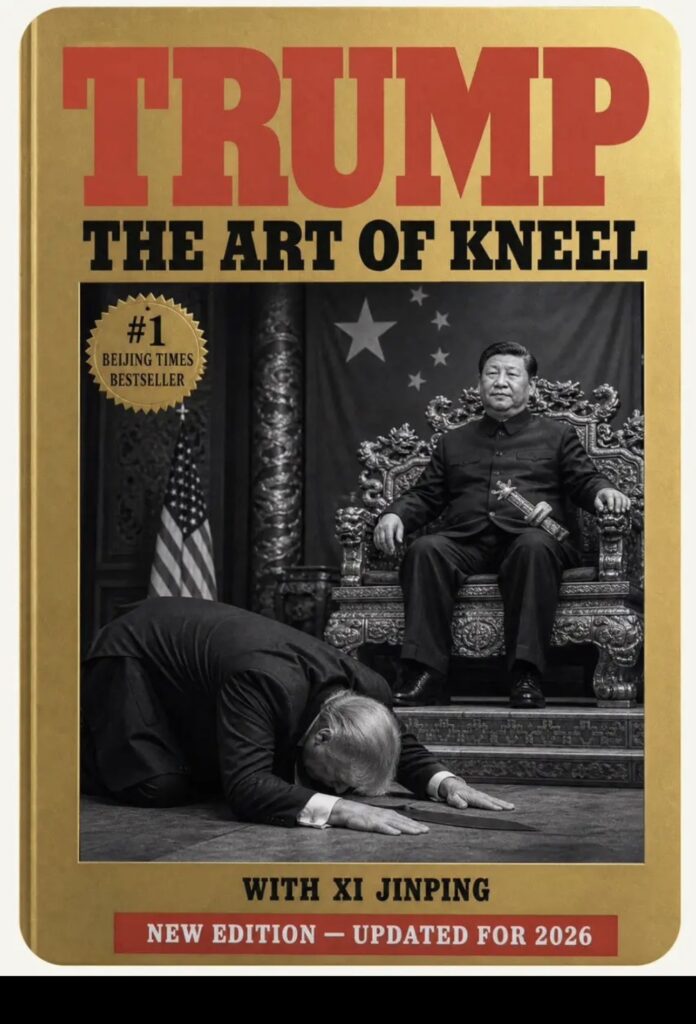
This created the central paradox of the Trump era: was he redefining political communication, or simply freelancing reality at industrial scale?
Trump has long preferred interpretation over documentation. Why say “we discussed tariffs with mixed outcomes” when you can say, “Everybody agreed America is winning tremendously”?
Precision, after all, has terrible ratings.
The real loser of the trip, however, may have been American television itself.
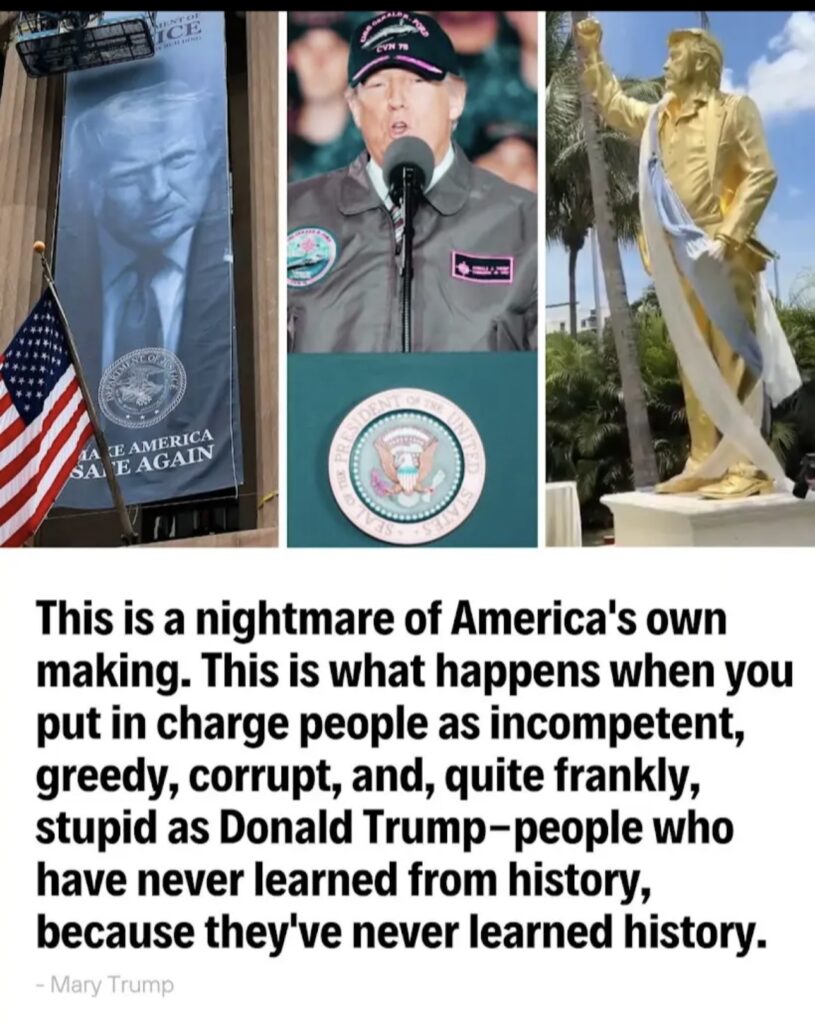
Cable news covered every gesture with the seriousness of archaeologists deciphering an ancient prophecy. Analysts debated body language. Chyrons screamed breaking news about who stood where near whom for how many seconds.
At one point, three pundits spent forty uninterrupted minutes discussing whether a delayed handshake signaled strategic disrespect, poor timing, or “a collapse of the postwar international order.”
The answer, according to exhausted viewers, may simply have been: someone missed their cue.
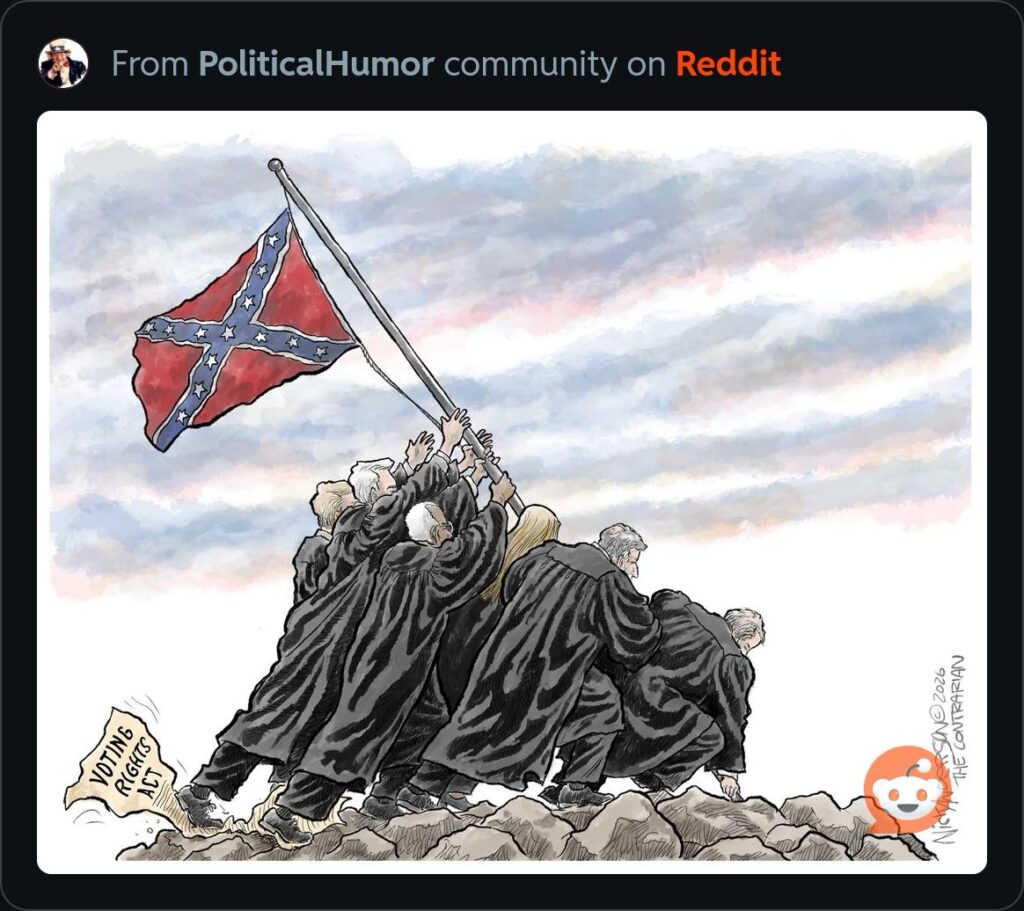
By the end of the visit, Americans were left with several competing realities.
In one version, Trump had single-handedly restored American prestige through sheer confidence and aggressive adjectives.
In another, he had wandered through geopolitics armed with instinct, improvisation, and the unshakable belief that saying “fantastic” enough times eventually counts as policy.
And somewhere in between sat the public, doom-scrolling headlines while wondering whether diplomacy had become statecraft or just an unusually expensive season finale.
Trump departed declaring victory, naturally.
Because in Trumpian physics, every meeting is historic, every headline unfair, every criticism fake, and every outcome—regardless of evidence—“the best anyone’s ever seen.”
History may judge the trip differently.
Television certainly will.
But for one glorious media cycle, America once again found itself asking the eternal question:
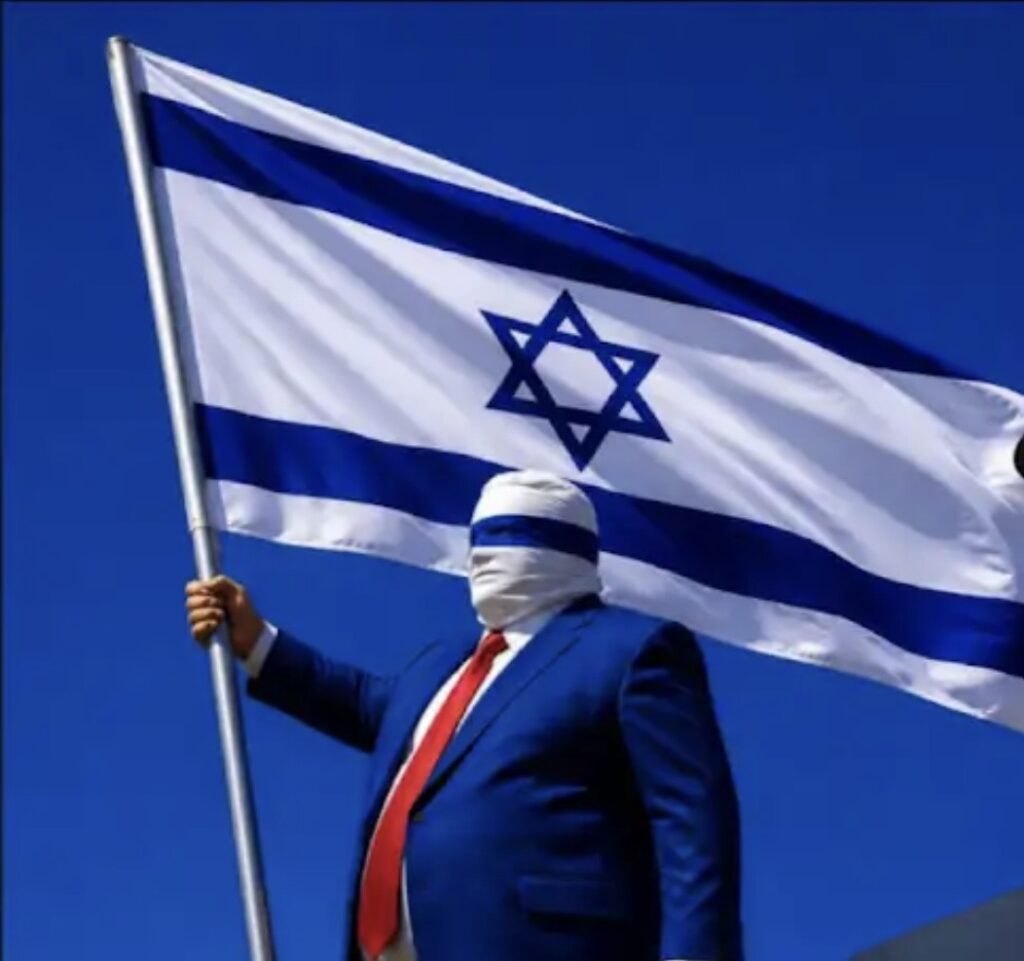
Did this actually happen the way he says it did?
Or are we all just trapped in the world’s loudest group project?