
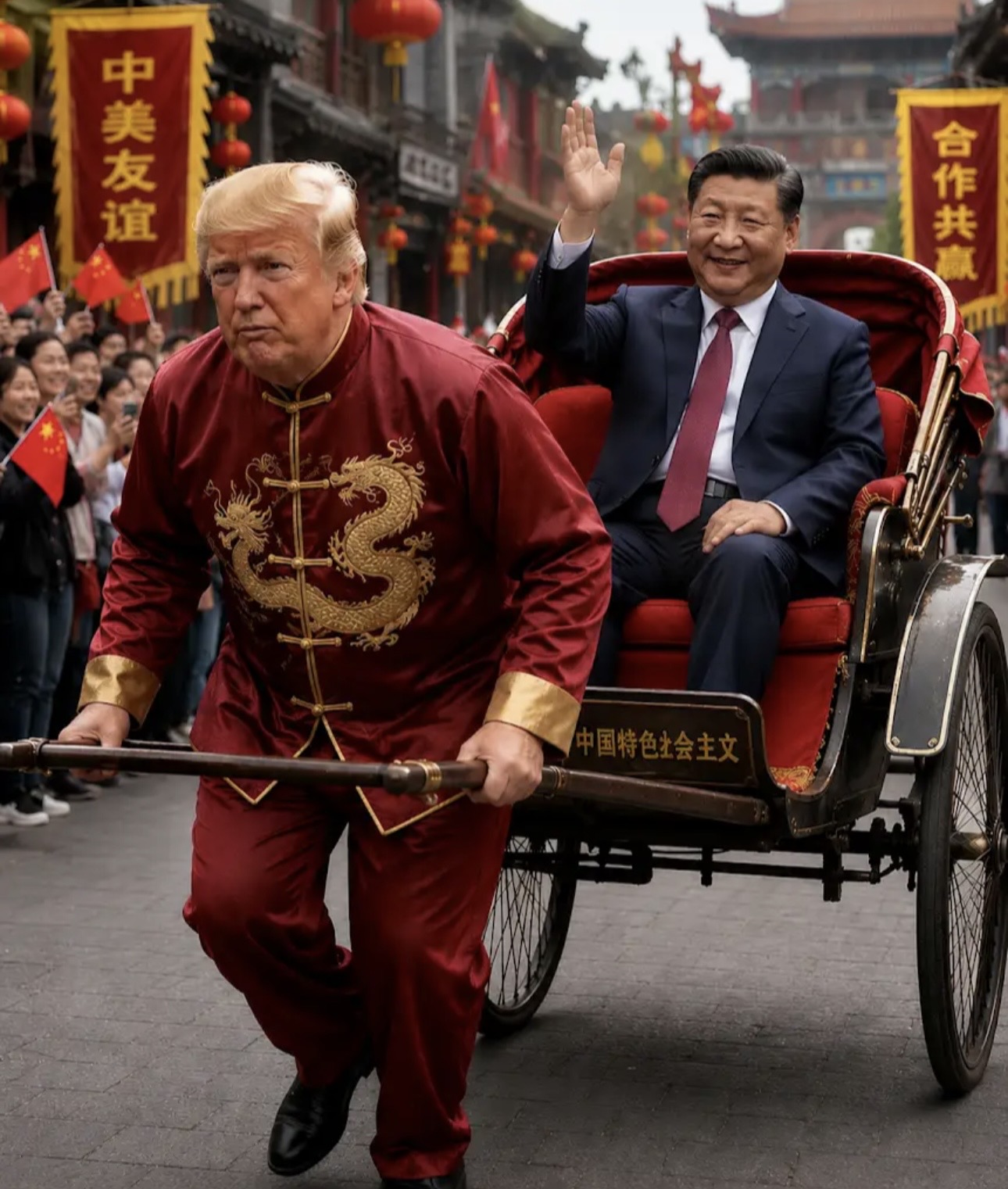
As President Donald Trump arrived in Beijing this week for high-stakes meetings with Chinese leader Xi Jinping, he did so under the shadow of an expanding military confrontation with Iran — a conflict critics increasingly describe as legally questionable, economically reckless, and strategically disastrous.
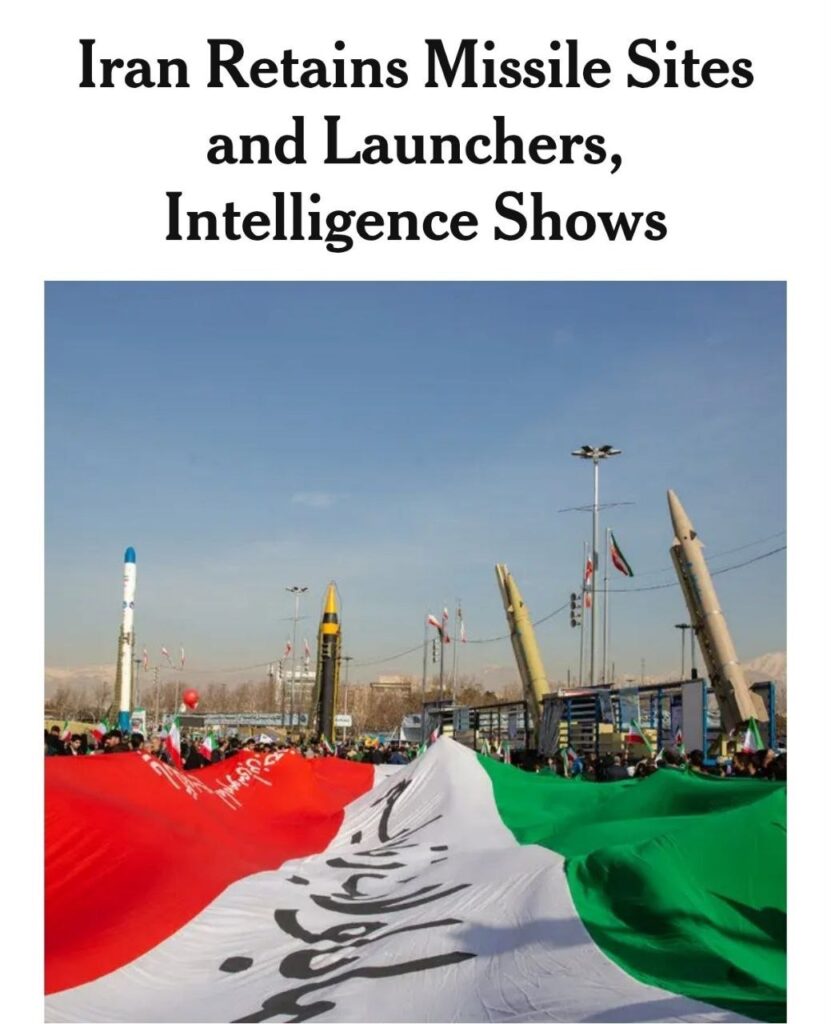
The political problem confronting the White House is not only the war itself. It is the growing perception that Congress and the American public were never given a realistic assessment of what the conflict could ultimately cost.
History has seen this pattern before.
In the run-up to the Iraq War, U.S. officials dramatically underestimated the financial burden of military intervention. What was initially presented as a relatively contained operation evolved into a multi-trillion-dollar commitment stretching across decades. Critics now warn that the Iran conflict could follow a similar trajectory, with long-term costs potentially approaching or exceeding one trillion dollars once military operations, debt servicing, veterans’ care, energy disruptions, and regional instability are fully accounted for.

Questions Over Legality and Congressional Authority
Opponents of Trump’s Iran military campaign argue that the administration bypassed Congress or stretched existing authorizations beyond their intended scope. Constitutional scholars and some lawmakers contend that sustained military action against Iran without explicit congressional authorization raises serious legal and constitutional concerns.

The administration has defended its actions as necessary for national security and regional stability. But critics say the White House has not provided a transparent accounting of either the legal rationale or the long-term economic implications.
That omission matters because modern wars are rarely financed upfront. They are financed through debt.

At a time when the U.S. national debt already exceeds historic levels, even a limited regional war can impose massive downstream costs. Rising oil prices, disruptions to shipping lanes, military mobilization, reconstruction obligations, and future veterans’ healthcare liabilities can compound for decades.
Analysts have increasingly warned that wars sold as “short” or “targeted” often become open-ended commitments with costs vastly exceeding their original projections.

The One-Trillion-Dollar Fear
While no definitive estimate yet exists for the full cost of the Iran conflict, economists and defense analysts have pointed to several factors that could drive the eventual price tag toward the trillion-dollar range:
- Long-term naval and air operations in the Persian Gulf.
- Expanded missile defense deployments.
- Increased oil-price volatility affecting the global economy.
- Reconstruction and humanitarian obligations if regional infrastructure collapses.
- Interest payments on additional federal borrowing.
- Lifetime care for injured veterans.

The United States learned during Iraq and Afghanistan that the largest expenses often arrive years after the initial combat phase ends.
Critics argue that if Congress was not presented with realistic long-term scenarios before escalation began, lawmakers may have authorized or tolerated military actions without understanding their true financial consequences.

China Sees American Weakness
Trump’s trip to China this week unfolded against this backdrop of military uncertainty and economic strain. Several international commentators portrayed the visit as diplomatically uncomfortable for the president, with some describing him as weakened by the Iran crisis and increasingly dependent on Beijing’s cooperation.

Chinese officials understand that prolonged instability in the Persian Gulf threatens China’s energy supply chains, but they also recognize that the United States now appears strategically overextended. Beijing enters the summit from a position of growing confidence after years of industrial expansion, technological investment, and global infrastructure development.
By contrast, America faces rising debt, political division, and another costly Middle Eastern entanglement.
Some analysts argued that Xi Jinping had little reason to offer Trump meaningful concessions during the visit because Washington’s leverage has weakened.
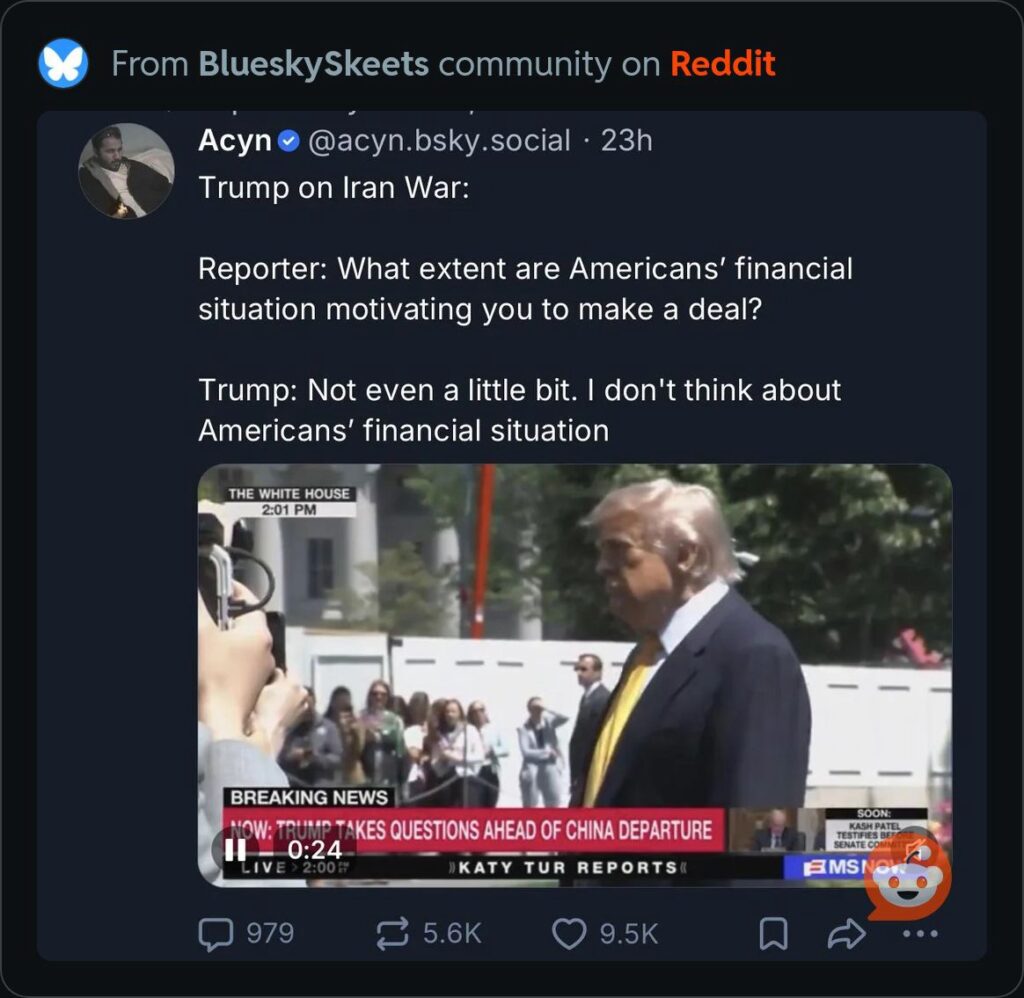
Descriptions of Trump’s “humiliation” in China are ultimately matters of political interpretation, but the imagery surrounding the visit reflected an uncomfortable reality for the White House: a president who once promised strength and dominance arrived in Beijing seeking assistance while carrying the burden of an increasingly controversial war.
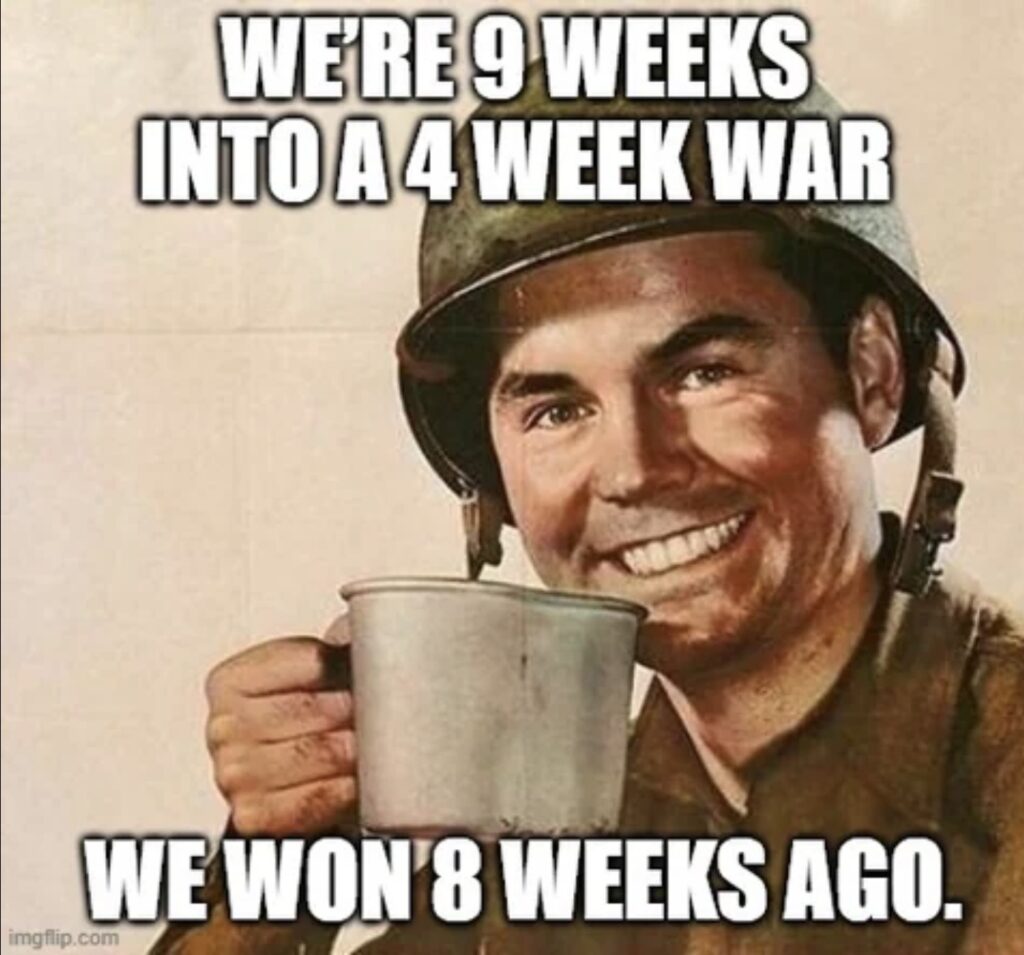
The Strategic Consequences
The deeper issue extends beyond one diplomatic trip.
For more than two decades, the United States has repeatedly diverted immense financial and political resources into Middle Eastern conflicts while China concentrated on economic expansion, manufacturing dominance, and technological competition.

Critics of the Iran war argue that another prolonged military campaign risks accelerating America’s relative decline in much the same way Iraq did after 2003. Instead of strengthening U.S. power, they argue, endless war drains national resources while competitors consolidate influence.
If the true long-term costs of the Iran conflict were understated to Congress or the public, the political consequences could be severe. Americans are already confronting inflation, debt concerns, infrastructure problems, and affordability crises at home. Another trillion-dollar military commitment would intensify scrutiny over government transparency and strategic judgment.

The central question is no longer simply whether the Iran conflict is sustainable militarily. It is whether the country was honestly informed about the scale of the commitment before becoming entangled in it.