

Trump promised to end wars. Instead, he started one that’s costing Americans $2 billion a day.

In the annals of American military history, there are wars of necessity, wars of choice, and then there’s whatever the hell Donald Trump has unleashed on Iran. Call it a war, call it a “limited combat operation,” or call it what it really is—a $200 billion monument to presidential hubris that has left American families poorer, U.S. troops dead, and the commander-in-chief trapped in a conflict he no longer seems to understand.
Just over three weeks into “Operation Epic Fury”—and yes, that’s the actual name—the numbers are already staggering. According to Senator Bernie Sanders, the first 12 days alone cost American taxpayers $16.5 billion . By day six, Pentagon officials were already briefing lawmakers that costs had exceeded $11.3 billion—and that was before factoring in facility repairs or replacement losses . The White House’s own National Economic Council director later pegged the total at roughly $12 billion for just over two weeks of fighting .
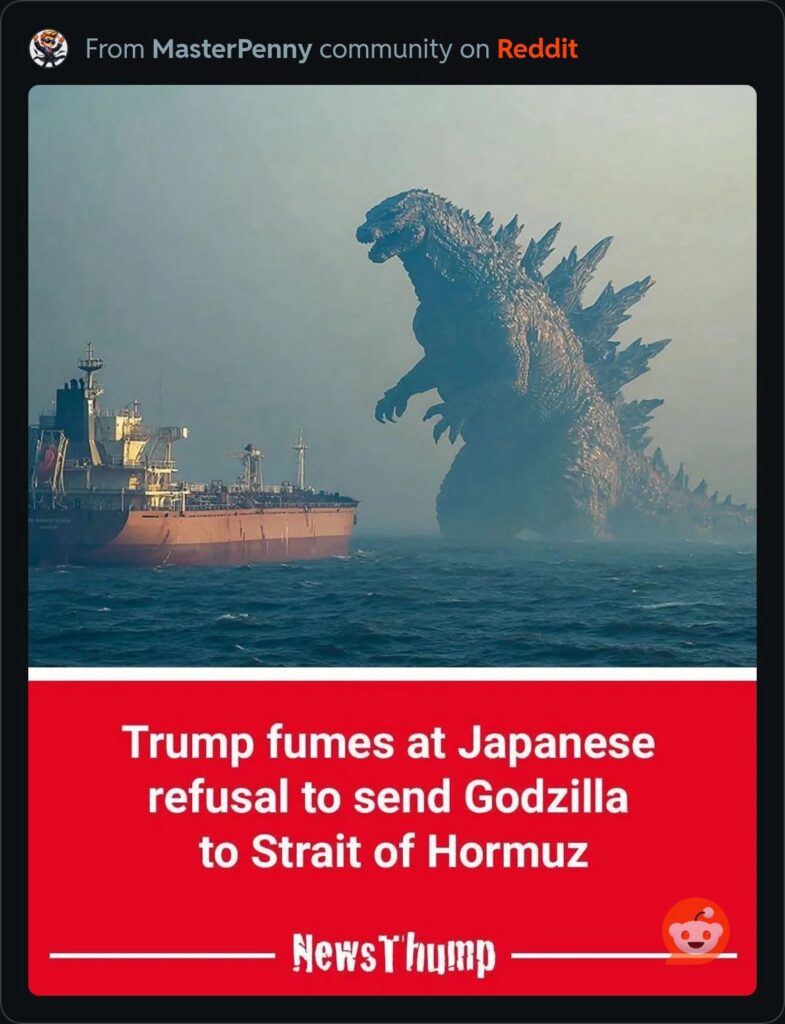
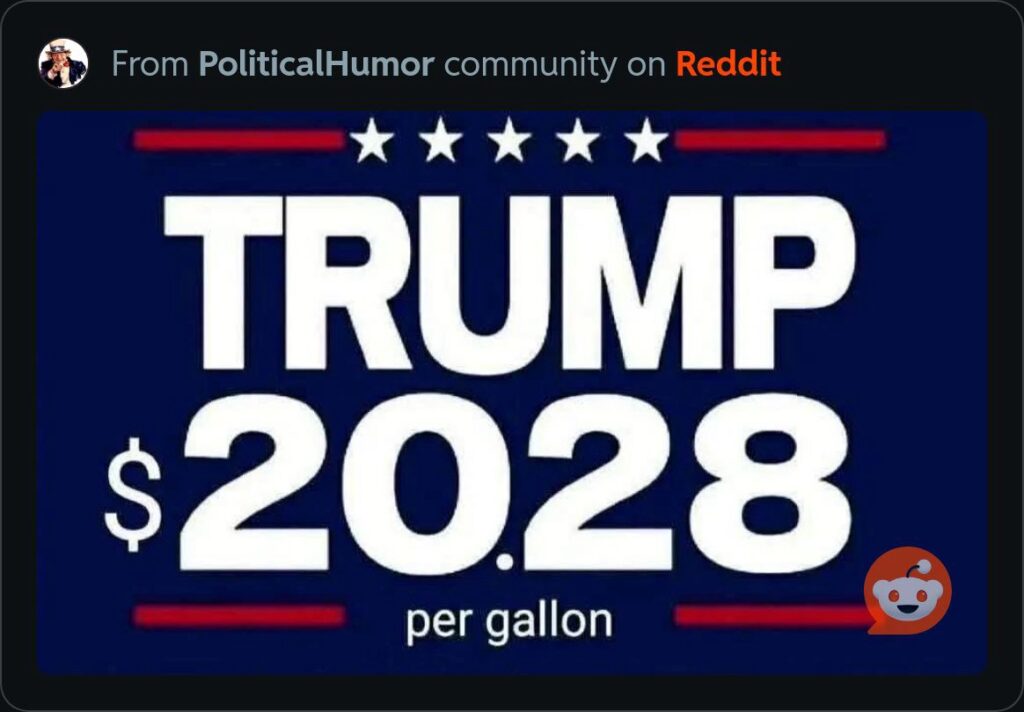
But those figures, eye-watering as they are, barely scratch the surface. The real cost is being paid by American families at the gas pump, where prices have surged by at least a dollar per gallon thanks to Iran’s asymmetric warfare in the Strait of Hormuz . The average American family will pay an additional $2,000 a year for gasoline. Nationwide, Americans are shelling out an extra $2 billion every single day—a “war premium” that shows no signs of disappearing .
Vermont farmers are paying 35 to 40 percent more for fertilizer ahead of spring planting. Home heating oil has jumped from just over $3 a gallon to more than $4.70. Add it all up, and the average family faces an extra $1,000 just to heat their homes this winter .
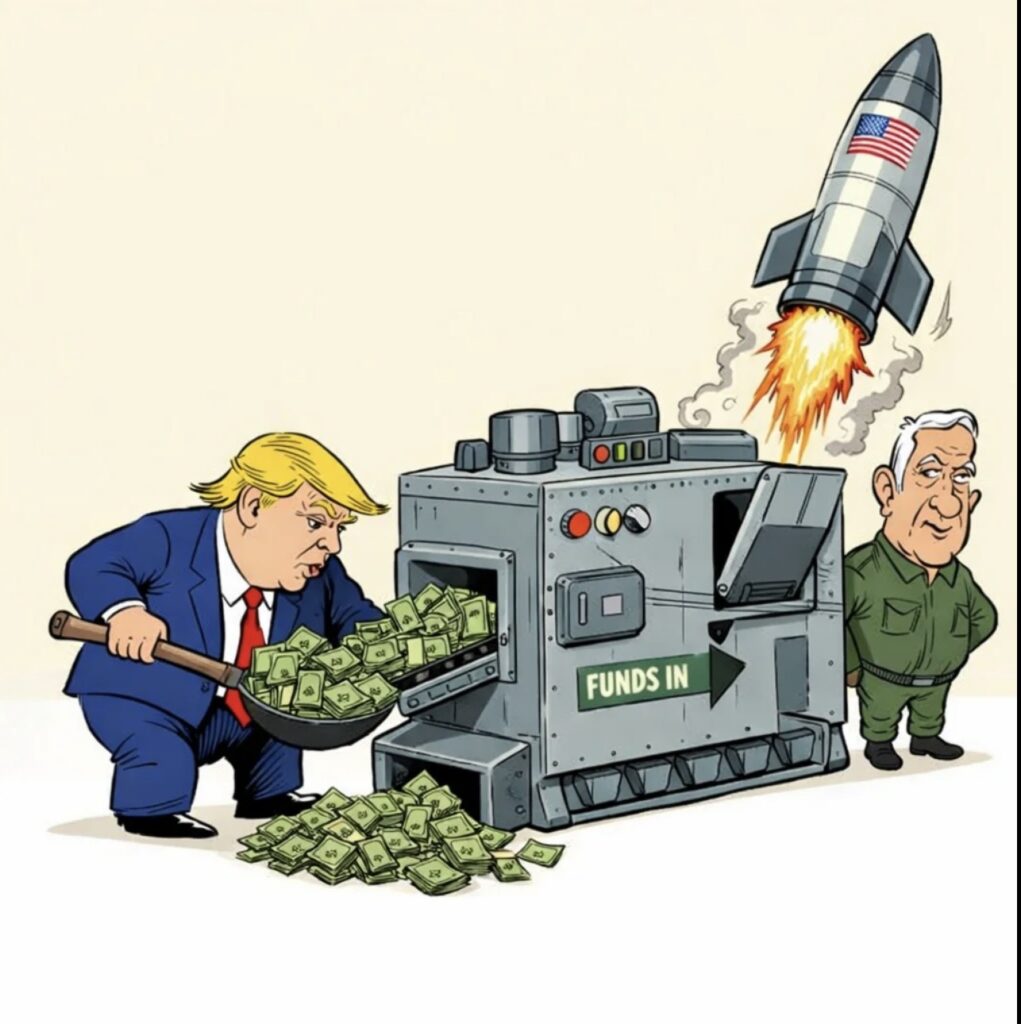
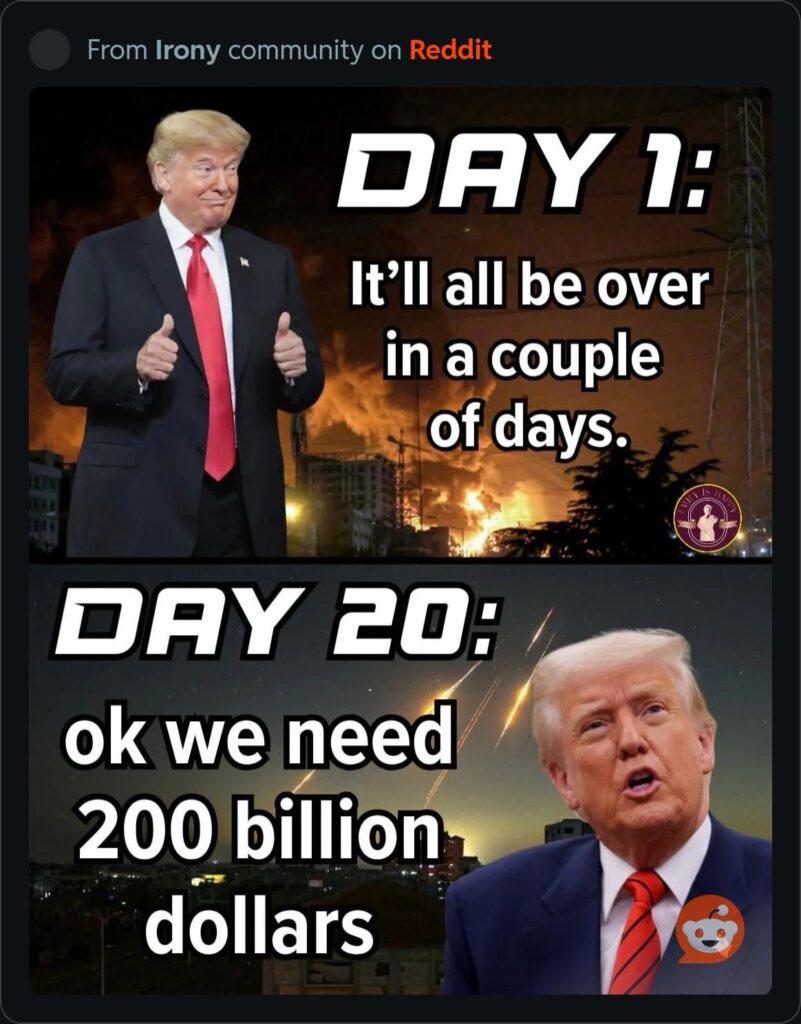
Meanwhile, the Pentagon is reportedly preparing a $200 billion supplemental funding request to keep the war machine grinding forward . That’s $200 billion that won’t go to crumbling schools, homeless veterans, or the 770,000 Americans sleeping on the streets each night . To put it in perspective: that $12 billion already spent could have paid off the student loans of 300,000 Americans or funded 1.62 million full Pell Grants . Instead, it bought Tomahawk missiles—each costing about $2.5 million—and a war that has already killed more than 1,300 Iranian civilians, including over 200 children, plus 13 U.S. troops .
The Winner and the Loser
If there’s a bright spot in this geopolitical catastrophe, it belongs to Benjamin Netanyahu. Analysts across the board agree that the Israeli prime minister has emerged as the conflict’s undisputed winner .
“There is a clear winner and a clear loser,” said Aaron David Miller, a former U.S. Middle East negotiator. “Netanyahu is by far the key winner. He has demonstrated Israel’s military competence. The Gulf states are by far the biggest losers” .
For Netanyahu, the war has done what years of political maneuvering couldn’t: pivot attention away from Gaza and onto Iran, where Israeli national consensus is strongest and his security credentials resonate most . In Israel, this isn’t seen as a war of choice—it’s a war of necessity, a framing that has eluded Trump entirely .

For Trump, the analysis is far less flattering. He’s trapped in a conflict with no clear exit, his Gulf Arab allies are absorbing the heaviest blows, and the economic narrative that powered his return to the White House is in tatters . When Trump demanded Iran’s “unconditional surrender,” he expected to find a pliant power broker. Instead, according to Iran expert Karim Sadjadpour, he “found an Iranian Kim Jong‑un” .
A War of Shifting Goalposts
If you’re confused about what the U.S. is actually trying to achieve in Iran, you’re not alone. So is the commander-in-chief.
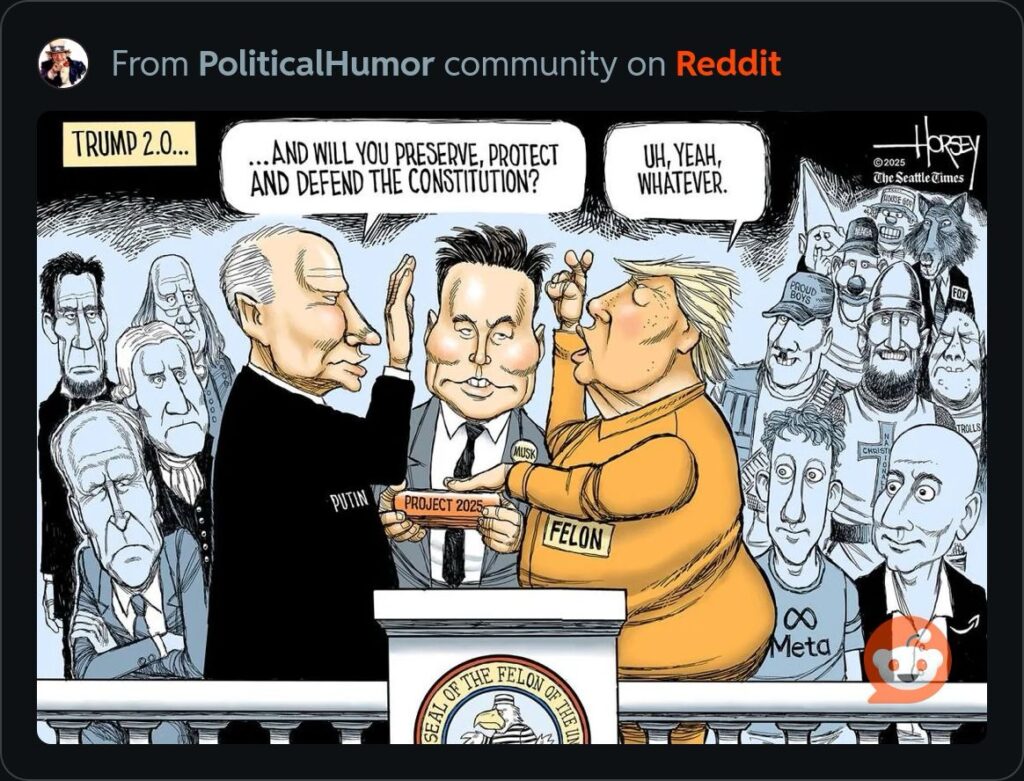
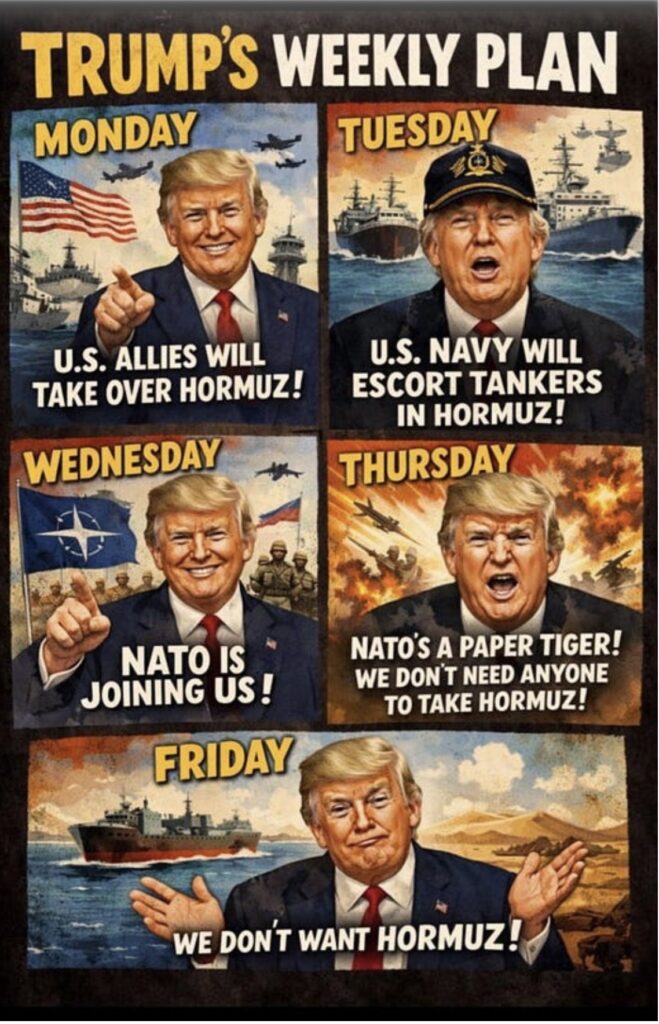
On February 28, Trump announced that the Iranian people should “take over” governance of their country, calling the attacks “major combat operations” . By March 2, the war was projected to last four to five weeks—or maybe longer. “We’re already substantially ahead of our time projections,” Trump said, adding, “Whatever it takes” .
On March 9, he told CBS News, “I think the war is very complete, pretty much.” Later that same day, he pivoted: “We’ve already won in many ways, but we haven’t won enough.” Asked if the war was beginning or ending, he replied: “Well, I think you could say both” .
By March 13, he had softened his call for Iranians to topple their government, admitting that overthrowing a regime was “a big hurdle to climb for people that don’t have weapons” . And on March 20, he posted on Truth Social that the U.S. was “getting very close to meeting our objectives as we consider winding down our great Military efforts”—while simultaneously telling reporters he didn’t want a ceasefire .
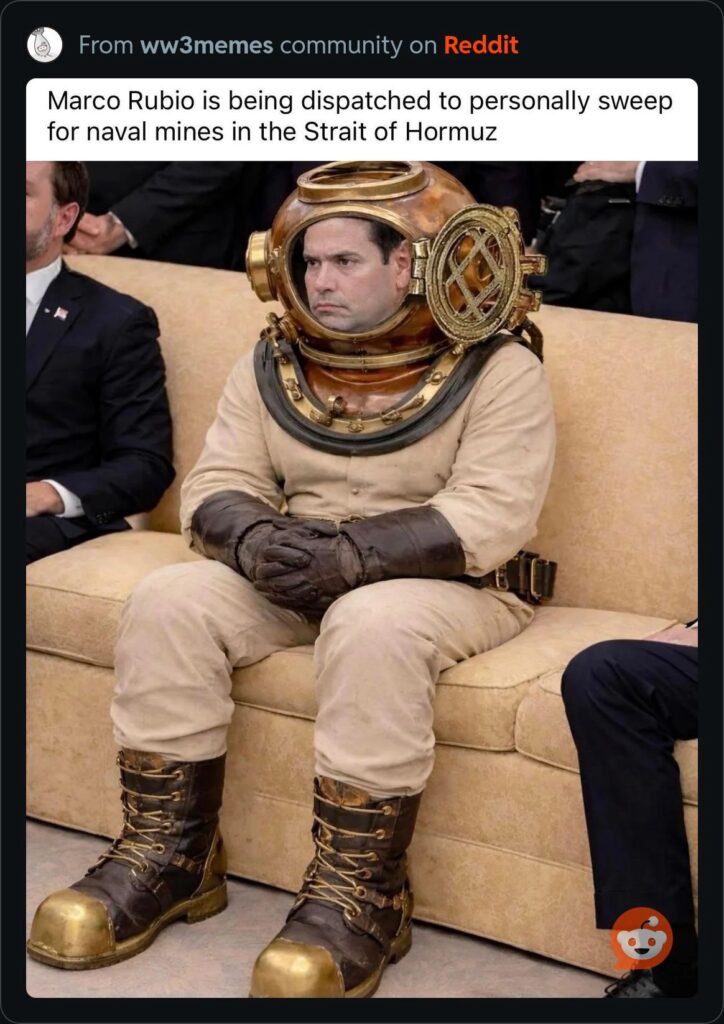
The Pentagon’s messaging has been equally erratic. On March 8, Defense Secretary Pete Hegseth told CBS that the strikes were “only just the beginning.” Eleven days later, he said there was no timeline for the war—Trump would decide when to stop .
Even the rationale for launching the war has shifted. Secretary of State Marco Rubio told reporters that the U.S. attacked because Israel was going to do it anyway, and Washington needed to protect American forces from Iranian retaliation . Trump, meanwhile, claimed he “might have forced their hand”—that Iran was about to strike first . Which is it? Apparently, both. Or neither.
The Human Toll
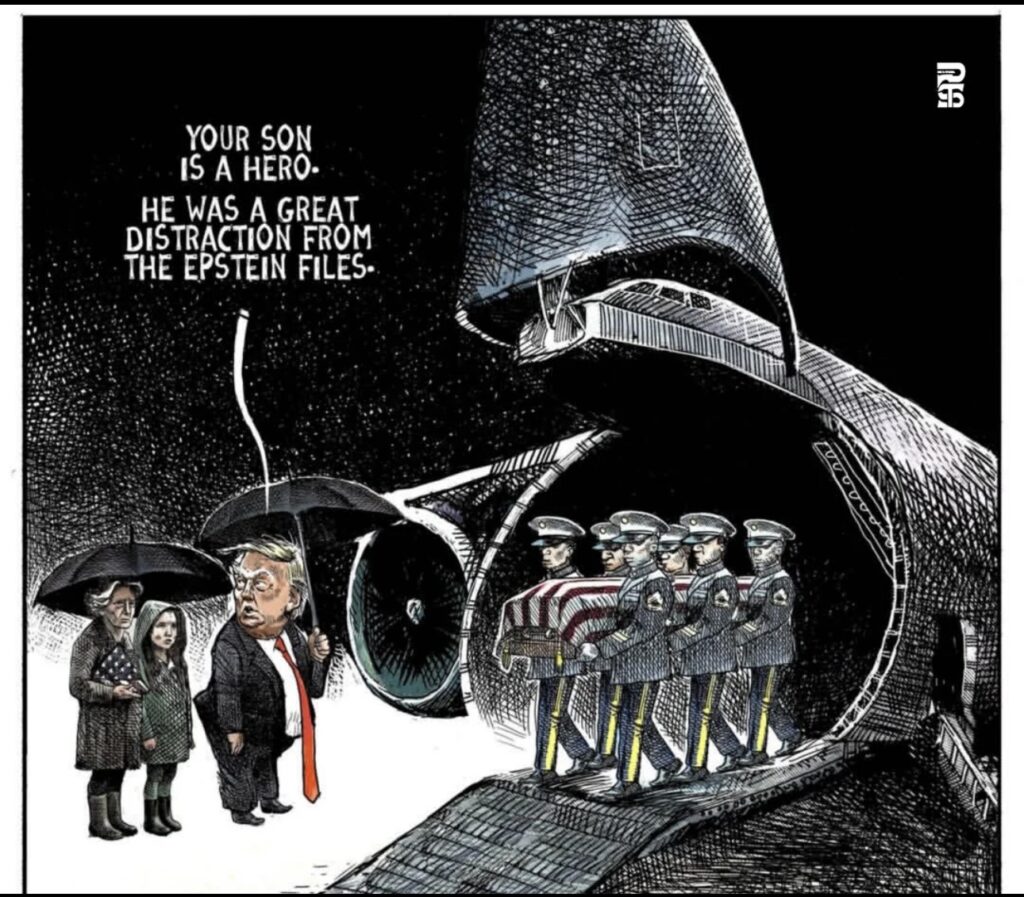
Behind the shifting goalposts and eye-watering price tags are real human beings. More than 1,200 Iranian civilians have been killed since the conflict began . Over 10,000 Iranians have been injured. More than 3.2 million Iranians have been displaced from their homes . In Lebanon, another 773 people have been killed .

And for what? U.S. intelligence chief Tulsi Gabbard told Congress on March 18 that while Iran’s government has been weakened, it remains intact—and still capable of attacking U.S. and allied interests across the Middle East . The regime isn’t falling. The nuclear program hasn’t been destroyed. And the Strait of Hormuz, through which a fifth of the world’s oil passes, remains a chokepoint for global commerce.
“The objectives that have been laid out by the president are different from the objectives that have been laid out by the Israeli government,” Gabbard told lawmakers—a diplomatic way of saying the alliance isn’t nearly as lockstep as the White House would like you to believe .
The Gulf Blowback
America’s Gulf Arab allies are paying an even steeper price. As Iran fires missiles at commercial hubs and tightens its grip on the Strait of Hormuz, Gulf states are absorbing the economic and security fallout .
“The common threat they now perceive is nothing short of the future security and stability of the Gulf,” said Miller. “The notion that the Gulf represents the future of the region is now at stake—and with it, the Gulf’s vision for itself” .
The tension between Washington and its Gulf partners came to a head after an Israeli attack on Iran’s massive South Pars gas field—the world’s largest offshore natural gas deposit—drew a furious response from Trump. The president posted on social media that the U.S. “knew nothing about this particular attack,” contradicting earlier claims that U.S. and Israeli militaries were fighting in lockstep .
Trump later told reporters he had ordered Netanyahu not to attack Iranian energy facilities. “I told him, ‘Don’t do it,’ and he won’t do it,” Trump said . Whether Netanyahu actually complies remains to be seen.
No End in Sight
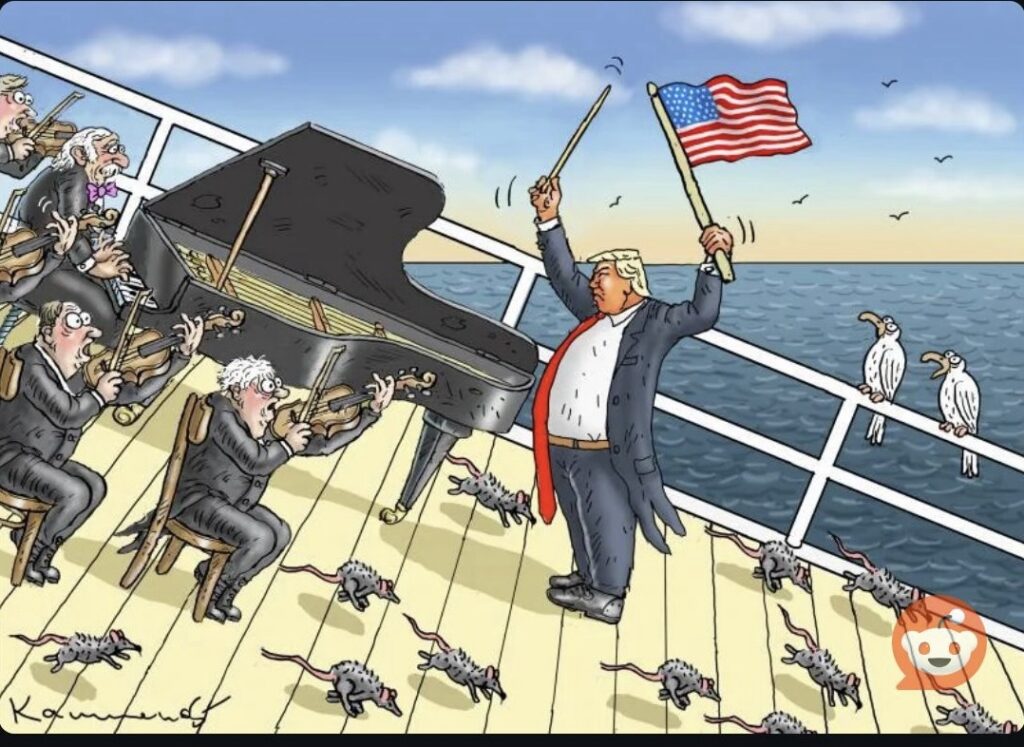
With no clear exit strategy, skyrocketing costs, and a president who can’t decide whether the war is beginning, ending, or already won, the future of “Operation Epic Fury” remains uncertain. What is certain is that American taxpayers will be footing the bill for generations.
One U.S. government official, speaking anonymously to The Intercept, warned that the total cost of the conflict—including long-term expenses like veterans’ benefits—could run into the trillions of dollars .
“These numbers are unknown to Americans,” the official said. “You’ll never hear them from the White House or the Pentagon. My grandchildren, and even their grandchildren, will be paying for this” .
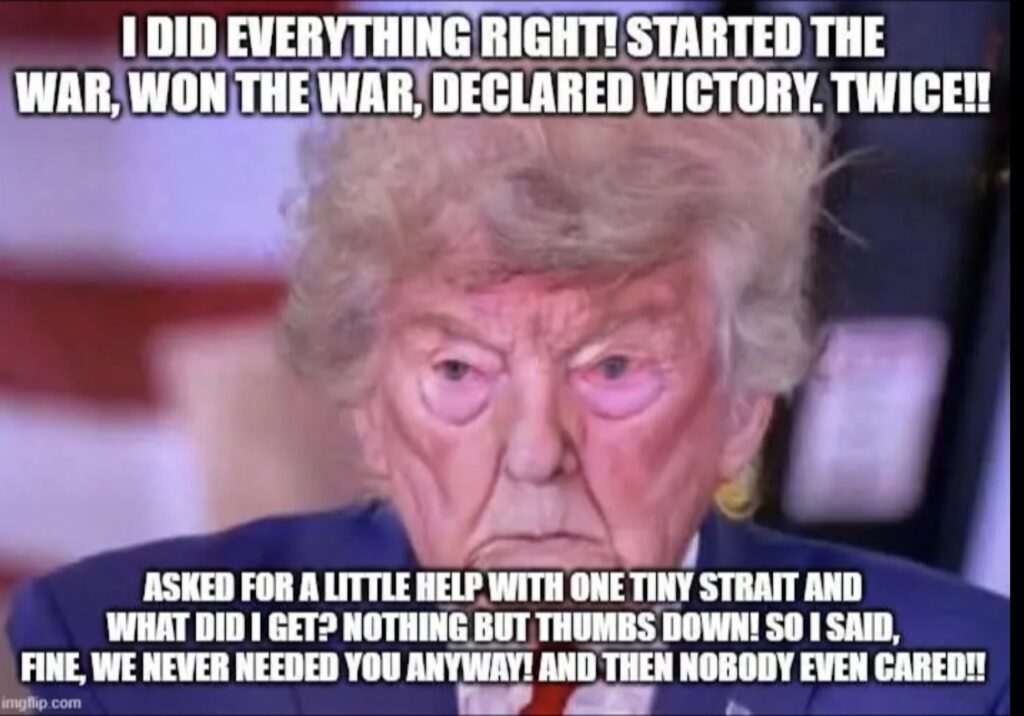
Trump, who campaigned on ending America’s “forever wars,” has now launched one that shows every sign of stretching indefinitely. The Gulf states are bleeding. American families are paying $2,000 more a year at the pump. Thirteen U.S. troops have already given their lives.
And Benjamin Netanyahu? He’s walking away stronger than ever .
There’s a word for this kind of outcome. Most Americans would call it losing.