
For years, the Jeffrey Epstein files were a political hot potato—endlessly discussed, heavily redacted, and weaponized by both parties while yielding little new accountability. That changed dramatically this week when a bipartisan duo, Rep. Thomas Massie (R-KY) and Rep. Ro Khanna (D-CA), physically sat down at Department of Justice computers, read the unredacted documents, and walked out ready to name names .

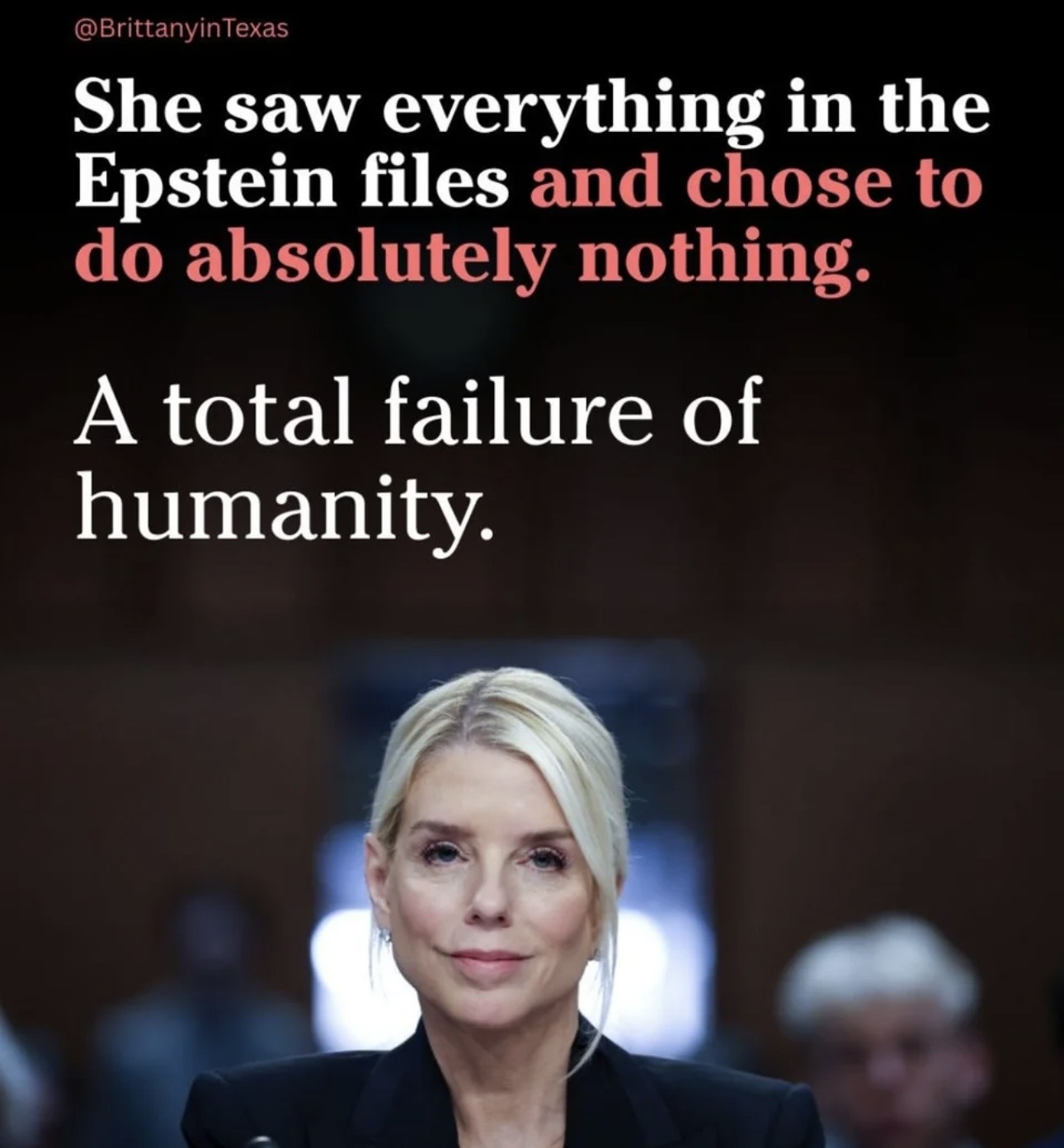
What followed was not just a transparency victory, but a constitutional clash that has left Attorney General Pam Bondi fighting for her political credibility, the FBI accused of knowingly submitting “scrubbed” files to Congress, and explosive new allegations about Donald Trump’s own conduct suddenly front and center.
The Massie-Khanna Review: Six Names in Two Hours
The immediate catalyst was the Epstein Files Transparency Act—a law Massie co-authored, Trump signed in November, and the Justice Department appeared to be slow-walking. On February 9, Massie and Khanna were granted access to view unredacted materials at DOJ headquarters. Within two hours, they found six men whose names had been blacked out in public releases without legal justification .
Khanna took to the House floor the next day to read them aloud: retail billionaire Leslie Wexner, Dubai port czar Sultan Ahmed bin Sulayem, and four lesser-known figures—Salvatore Nuara, Zurab Mikeladze, Leonic Leonov, and Nicola Caputo . The significance was immediate. A previously redacted FBI memo dated August 2019 labeled Wexner a “coconspirator” in Epstein’s child sex trafficking operation. Bin Sulayem’s email address was linked to a correspondence where Epstein remarked, “I loved the torture video” .
“If we found six men that they were hiding in two hours,” Khanna said, “imagine how many men they are covering up for in those 3 million files” .
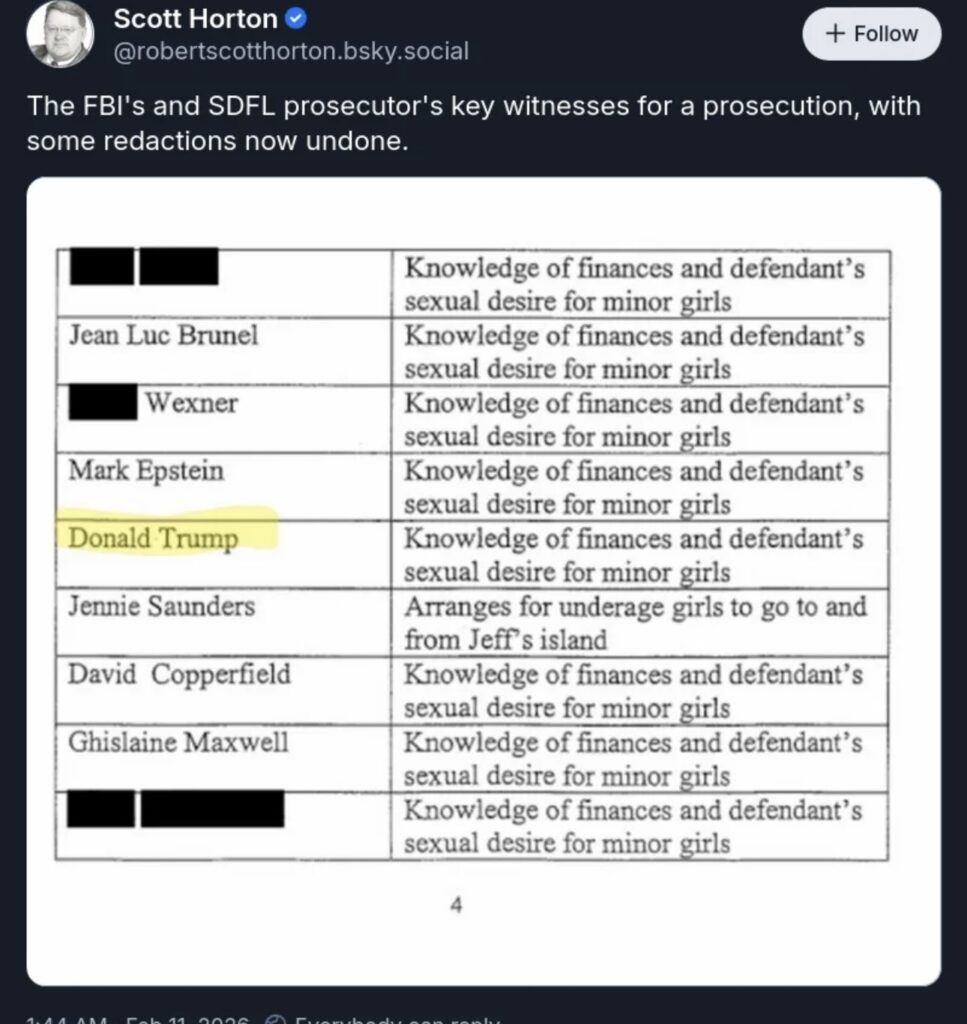
Massie, typically a libertarian lone wolf, was unsparing. He posted images of a 20-person list where only Epstein and Ghislaine Maxwell were visible; the other 18 names—including four men born before 1970—were entirely redacted. Under pressure, DOJ unredacted 16 of them .
**Deputy Attorney General Todd Blanche fired back, accusing Massie of “grandstanding” and insisting redactions were for “personally identifiable information.” Massie shot back that the law only permits redactions to protect victims—not to obscure email addresses of wealthy executives .
The Bondi Blowup: “Don’t You Ever Accuse Me of a Crime!”
If Massie’s document dump was the opening salvo, Wednesday’s House Judiciary Committee hearing was the main event. Bondi arrived expecting routine oversight. She left after a 10-minute Democratic barrage that left her visibly enraged.
Rep. Ted Lieu (D-CA) played footage of Trump and Epstein together at a party, then asked Bondi if there were underage girls present. When Bondi pivoted to praising Trump’s transparency, Lieu cut her off: “I believe you just lied under oath” .
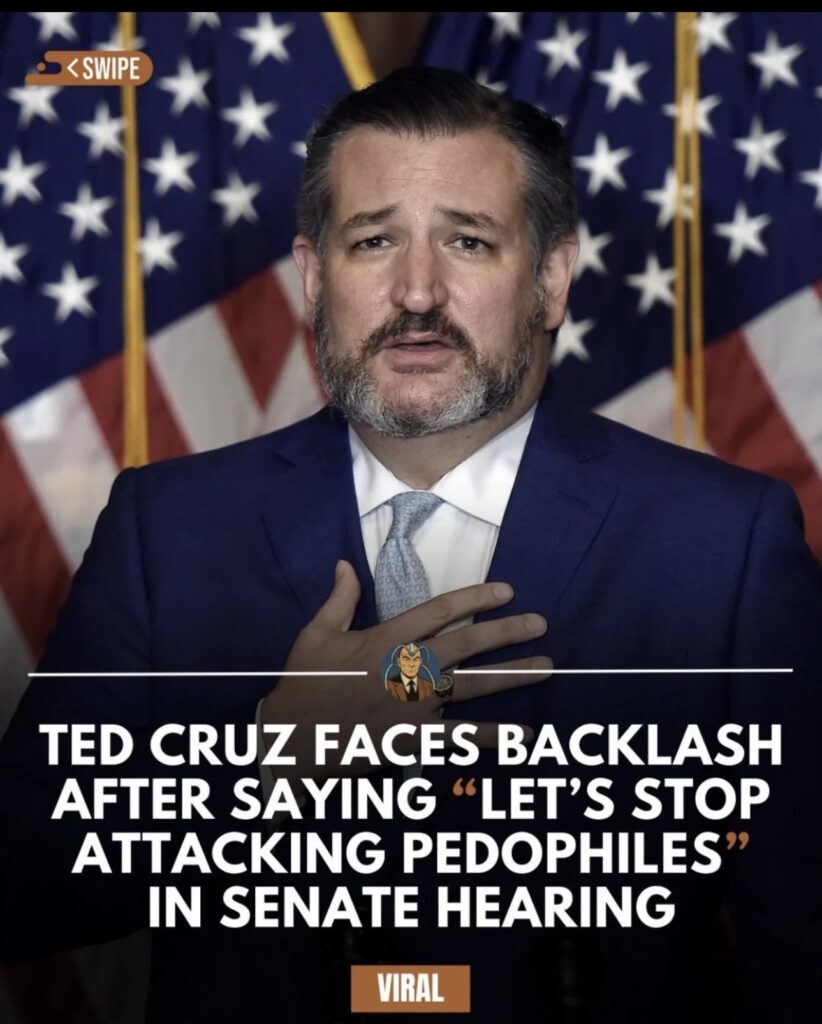
Bondi snapped. “Don’t you ever accuse me of a crime!” she shouted .
Lieu was ready. He produced a witness statement from the Epstein files—a limo driver who overheard Trump on the phone with Epstein, allegedly bragging about raping a girl with him. The witness said the victim later died under suspicious circumstances. Lieu’s charge was stark: “No one at the Department of Justice interviewed this witness. You need to interview this witness immediately!” .

Bondi repeated there was “no evidence Donald Trump has committed a crime.” But the document Lieu held—and the fact DOJ had apparently ignored it—suggested otherwise .
Cover-Up or Incompetence? Raskin’s 10-Minute Indictment
If Lieu brought the heat, Rep. Jamie Raskin (D-MD) brought the structure. In a searing speech, he accused Bondi of “running a massive Epstein cover-up right out of the Department of Justice” .
Raskin ticked through a devastating list: DOJ had released only half the mandated files. Victims’ names were sloppily left unredacted—turning their lives “upside down”—while alleged perpetrators’ names were meticulously blacked out . The FBI, he noted, sent “scrubbed files” to DOJ, meaning the scrubbing happened before Bondi ever saw them .
“This performance screams cover-up,” Raskin said. “Abandoning victims and coddling perpetrators is what you do best” .

Even Bondi’s defenders had little room to maneuver. Massie, appearing on CNN, declared Bondi had “no credibility” on the Epstein matter, accusing her of being “all over the map” .
The FBI’s Role: From Transparency Crusaders to Gatekeepers?
Perhaps the most uncomfortable position belongs to FBI Director Kash Patel. Before his appointment, Patel was a vocal advocate for releasing the Epstein files, claiming the FBI possessed Epstein’s “black book” of clients . Now, as director, he testified there is no client list and that he had not seen the documents Massie referenced .
Massie has long alleged the FBI possesses victim summaries naming at least 20 men—including a Hollywood producer, a banker, and six billionaires, one Canadian . Yet Patel insisted there is “no evidence Epstein trafficked underage girls to anyone but himself,” a claim that strains credulity given Maxwell’s conviction and the eyewitness accounts in the files .
The contrast is glaring. The same FBI that once investigated Wexner as a coconspirator now appears, through inaction, to be shielding the very class of men Massie and Khanna are determined to expose .
What Remains Hidden?
The six names are now public. DOJ has partially unredacted the 20-person list. But Khanna’s question lingers: what else is in the remaining millions of pages?

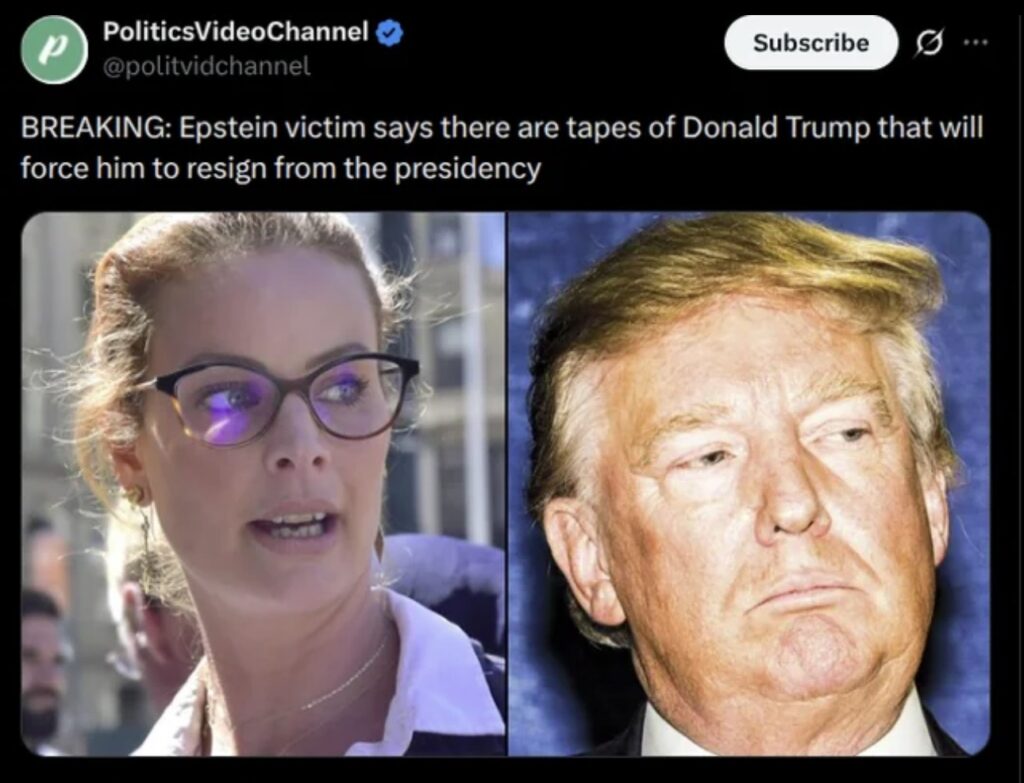
Massie revealed one tantalizing detail: the files mention a current “senior government official” of a foreign nation . Khanna went further, warning the Epstein fallout could threaten the British monarchy itself, pointing to Prince Andrew and a network of transatlantic elites .
None of this necessarily implies criminal liability. Inclusion in the files is not proof of guilt, and Wexner’s representatives insist he was never a target . But the pattern of redactions—selectively opaque, legally questionable, and bureaucratically defended—has shattered trust.
Conclusion: The Credibility Gap
Thomas Massie did not set out to hand Democrats a weapon against Donald Trump. He set out to read documents a Republican president signed into law. What he found—and what Bondi, Blanche, and Patel have been forced to defend—is a system that talks transparency but practices opacity.
Bondi’s angry outbursts and Patel’s sudden amnesia have only deepened suspicion. For Trump supporters who believed the Epstein files would expose a Democratic cabal, the discovery of Republican-aligned billionaires and unanswered questions about Trump himself has been disorienting. For Democrats, Bondi’s stonewalling is proof the Trump DOJ protects its own.
The Epstein Files Transparency Act was supposed to end the secrecy. Instead, it has revealed just how determined some in Washington remain to keep it.