

When President Donald Trump launched military strikes against Iran on February 28, 2026, the administration projected confidence in a swift, decisive campaign. Now, over one month into the conflict, the economic and political costs are mounting in ways that threaten to redefine Trump’s presidency while exacting an unprecedented financial toll on both the United States and Israel.

What began as an operation to dismantle Iran’s nuclear and missile programs has evolved into a protracted conflict that has triggered global financial market turmoil, consumed tens of billions in military resources, and eroded the political standing of an administration once buoyed by promises of economic prosperity.
The Collision of War and Economic Promise
Before the war, President Trump’s economic vision for 2026 appeared promising. The stock market was buoyant, inflation showed signs of stabilizing, and White House officials projected robust growth of 4 percent or more. This optimistic outlook was central to the administration’s political strategy heading into the midterm elections.
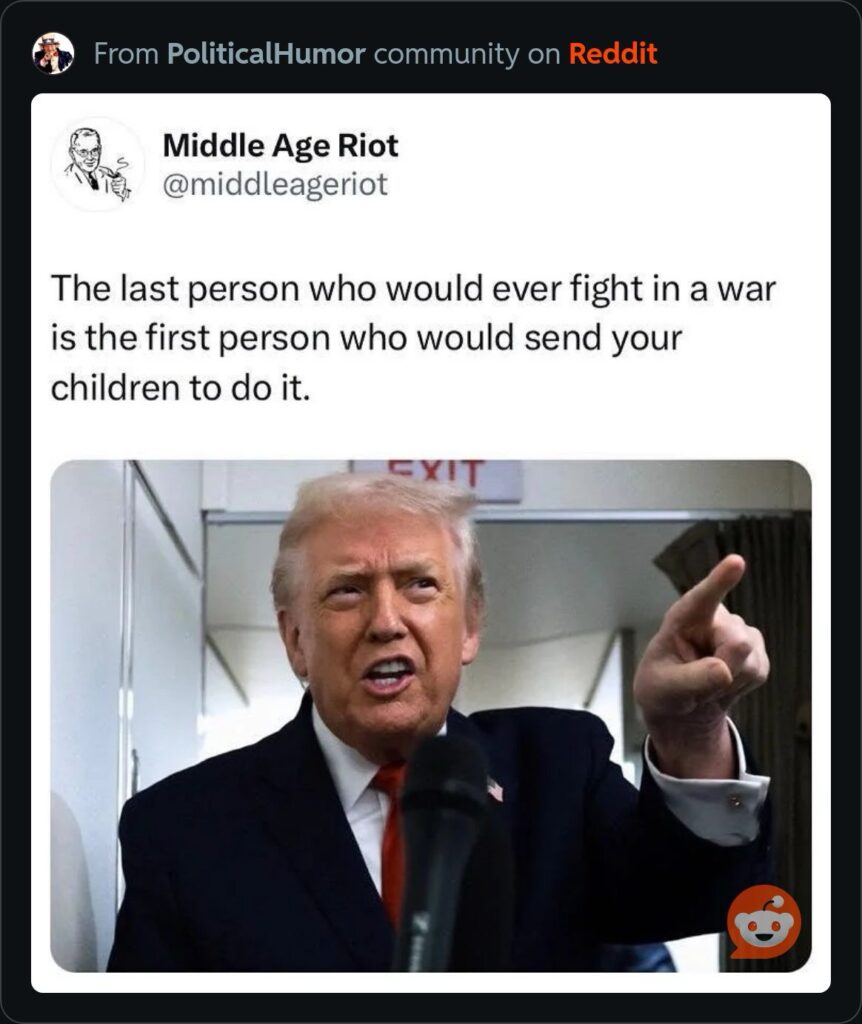
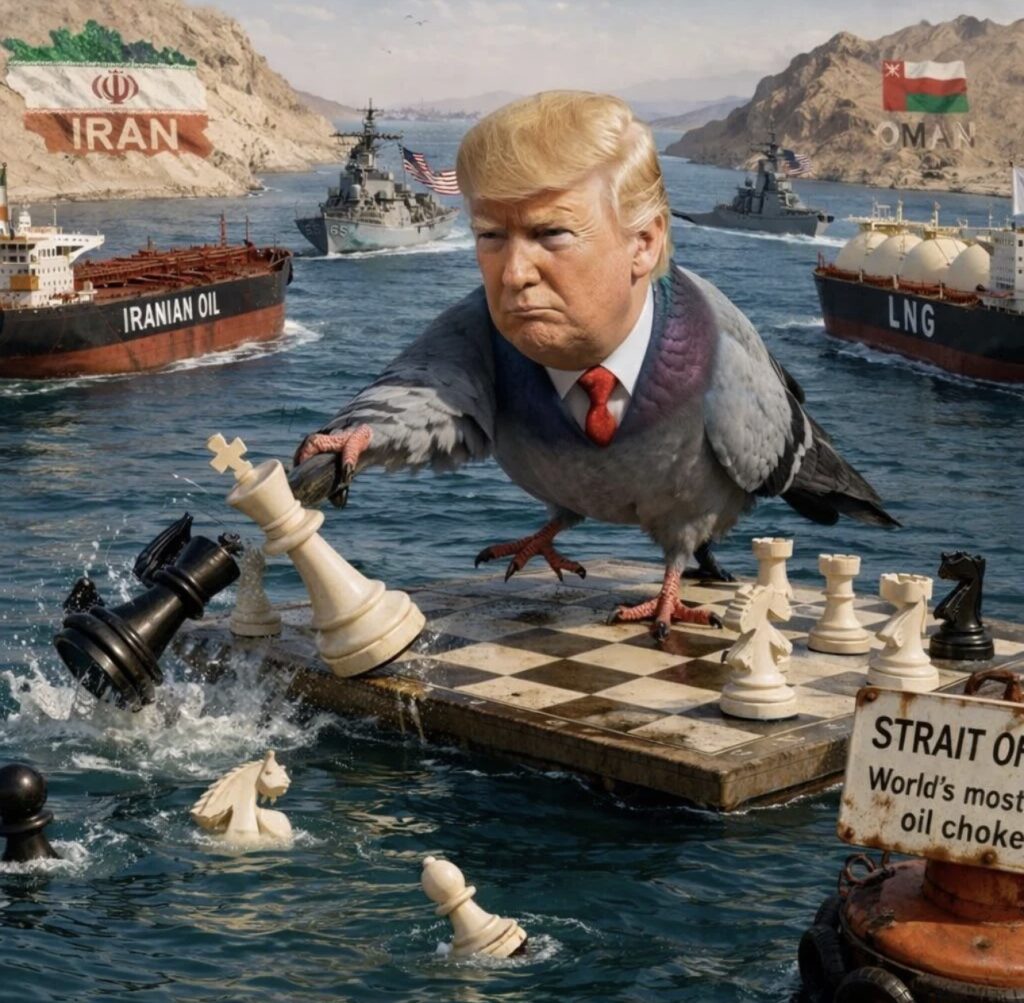
Those projections have been shattered. The conflict with Iran has unleashed an unprecedented oil shock that is rippling through the global economy. Brent crude prices have surged past $100 per barrel, and analysts warn they could reach $150 to $200 if the near-closure of the Strait of Hormuz persists. This critical waterway, through which approximately one-fifth of the world’s oil normally flows, has been effectively closed to all but a handful of vessels since hostilities began.
For American consumers, the impact is immediate and painful. The average cost of a gallon of gasoline has topped $3.67 nationally, representing a roughly 25 percent increase from pre-war levels just one month ago. This spike has undercut the administration’s narrative of economic success and forced a new round of recession speculation among economists.

“The economy is a side effect of a larger goal here, which is to disarm Iran,” said Tomas J. Philipson, a University of Chicago professor who served as an economic adviser during Trump’s first term. For families filling their tanks and paying higher prices for goods, however, the distinction offers little comfort.
Financial Markets in Turmoil
Global financial markets have been caught in the war’s crossfire. Since the conflict began, global stocks have lost approximately $14 trillion in value as risk appetite evaporated. The S&P 500 Index slid 5.1 percent in March alone, with technology stocks—once the darlings of the post-pandemic rally—suffering particularly severe losses.
The market disruption extends far beyond U.S. borders. Emerging markets, which had attracted significant investment due to attractive valuations and solid growth prospects, are seeing a rush for exits due to their heavy reliance on oil imports. A gauge of developing-nation stocks suffered its worst monthly performance in six years, dropping 13 percent.

Perhaps most troubling for the administration is the reversal of the “Sell America” dynamic that had benefited non-U.S. assets following Trump’s tariff policies. The dollar has strengthened as investors seek safety, but this haven status offers cold comfort to American exporters and multinational corporations facing currency headwinds.
“The conflict in Iran will push prices higher via the energy complex meaningfully as long as the war persists and may eventually be a bigger negative growth hit,” said Christy Tan, an investment strategist at Franklin Templeton Institute.
The Military Tab: Billions in Equipment Destroyed
The financial cost of the war extends far beyond market volatility. The United States is facing a staggering bill for damaged and destroyed military equipment, with estimates ranging from $1.4 billion to $2.9 billion for repairs and replacements based on the first three weeks of combat alone.

The list of lost and damaged assets reads like a catalog of America’s most advanced military technology:
· Three F-15E Strike Eagles were mistakenly shot down by a Kuwaiti F/A-18 Hornet on March 1. Replacing these aircraft with new-model F-15s will cost approximately $100 million each, totaling $300 million.
· An F-35A Lightning II stealth fighter made an emergency landing after what Iran claims was a successful strike. Replacement cost: $82.5 million.
· A KC-135 Stratotanker aerial refueler crashed after colliding with another tanker over Iraq, killing six crew members. Five additional KC-135s were damaged in an Iranian missile strike. Replacement of the lost aircraft with a KC-46 Pegasus will cost $165 million.
· More than a dozen MQ-9 Reaper drones have been lost to Iranian missiles, friendly fire, and ground attacks. These drones, which cost at least $16 million each in their original configuration, will need to be replaced with newer MQ-9B models costing approximately $30 million each.
· Critical radar systems have also been destroyed or damaged, including an AN/TPY-2 radar used in the Thaad missile defense system ($300 million replacement) and Qatar’s AN/FPS-132 early warning radar at Al-Udeid Air Base, valued at approximately $1 billion.
· The aircraft carrier USS Gerald R. Ford suffered a significant fire on March 12 that spread from the main laundry space to sailors’ sleeping quarters. The full extent of damage remains unknown.
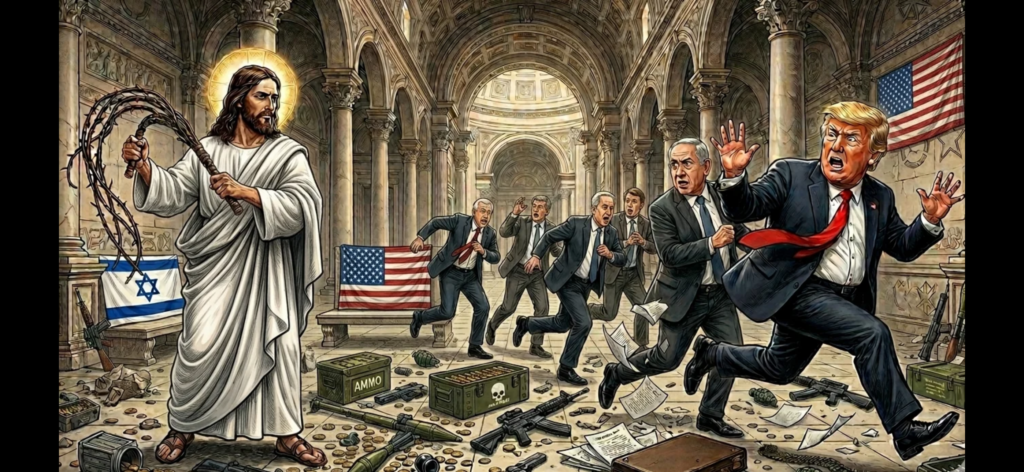
The Pentagon has reportedly requested more than $200 billion in supplemental funding to support combat operations and replenish arsenals. Newsweek estimates that just a few more weeks of the U.S. air campaign would cost more than the annual expense of the invasion of Iraq.
Israel’s Financial Burden
For Israel, the war’s financial impact is equally severe, compounded by its simultaneous conflict with Hezbollah in Lebanon. The Israeli parliament has approved a state budget totaling nearly 700 billion shekels ($222 billion) that significantly increases defense spending to cover the wars.
Defense spending will climb to 143 billion shekels—approximately 120 percent higher than in 2023—making it the largest single item in the national budget. The additional funds are primarily designated for replenishing military stockpiles and paying reserve soldiers called up for active duty.
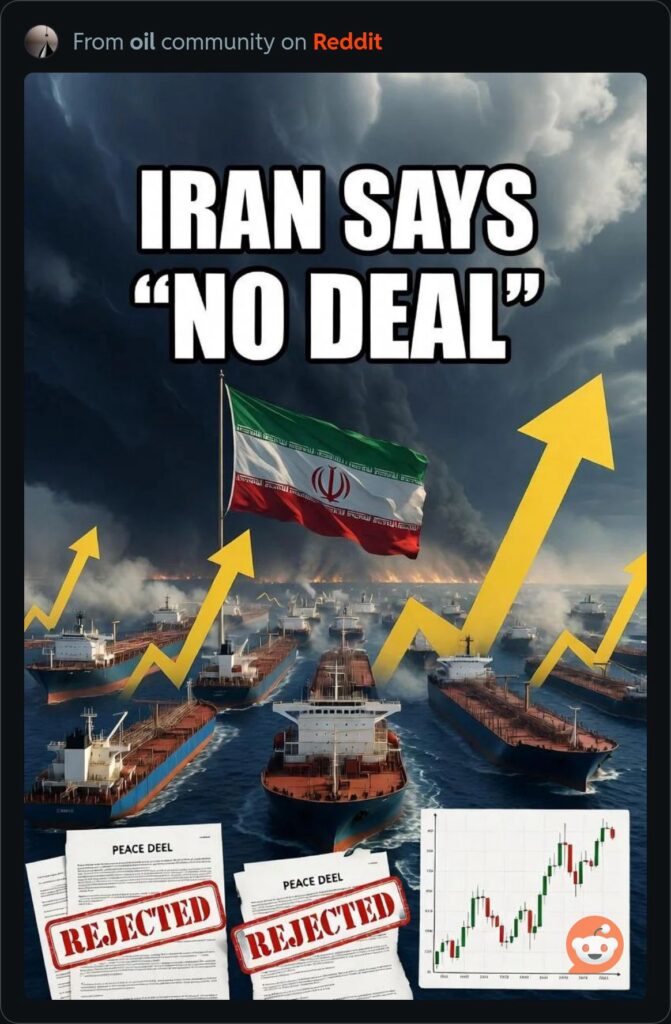
The economic consequences are already visible. Growth forecasts for 2026 have been slashed from 5.2 percent to between 3.3 and 3.5 percent if the war continues through June. Israel’s debt-to-GDP ratio, which stood at 60 percent before the Gaza war began in late 2023, has risen to 68.6 percent and is projected to climb further.
Prime Minister Benjamin Netanyahu acknowledged the financial strain with unusual candor: “This war is costing lots of money”. Analysts estimate that Israel is losing approximately $3 billion per week due to disruptions in business activity, on top of direct military expenditures.
The conflict has also exposed critical vulnerabilities. Reports indicate that Israel is facing a significant shortage of ballistic missile interceptors amid continued attacks from Iran and Hezbollah, with long-range missile defense systems coming under unprecedented pressure.

Political Fallout: A Presidency Under Pressure
Perhaps most damaging for President Trump is the political cost. His approval rating has fallen to 36 percent—its lowest point since returning to the White House—driven by surging fuel prices and widespread disapproval of the Iran war. A Reuters/Ipsos poll completed in late March found that public sentiment has turned decisively against the administration’s handling of the conflict.
This erosion of support comes at a critical moment, with midterm elections looming. The Republican Party, which remains broadly supportive of the military campaign (75 percent approval among Republicans), is nonetheless watching nervously as the war stretches into its second month without a clear endpoint.
Internal administration dynamics have also come into focus, with Vice President JD Vance and Secretary of State Marco Rubio emerging as potential successors whose political futures will be shaped by the war’s outcome. Vance, a former Marine who served in Iraq, has taken a cautious approach reflecting his skepticism toward prolonged U.S. military involvement, while Rubio has aligned closely with Trump’s hawkish stance.

Trump himself has reportedly been asking allies whether he prefers Vance or Rubio as his successor, suggesting he is already contemplating his political legacy even as the war continues.
The Military Balance: Progress and Persistence
On the battlefield, U.S. military officials report significant progress. According to Gen. Brad Cooper of U.S. Central Command, American forces have destroyed more than two-thirds of Iran’s missile and drone production facilities and similarly damaged the same proportion of naval shipbuilding capacity. Iran’s largest naval vessels have been disproportionately affected, with 92 percent reportedly damaged or destroyed.
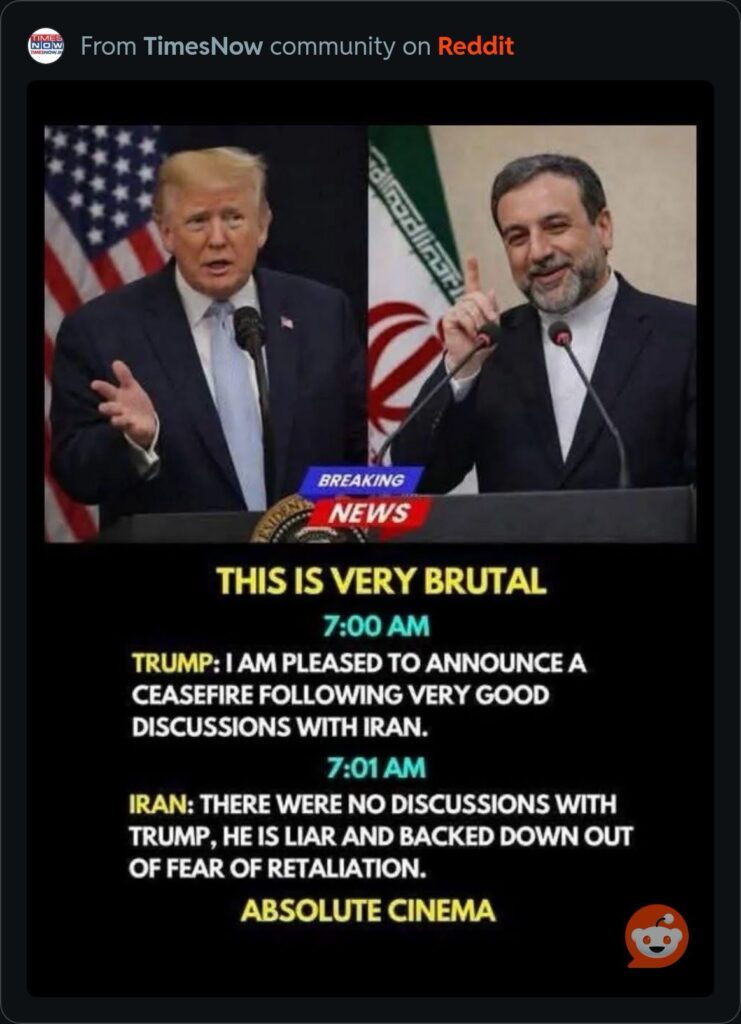
Iran’s ability to launch drones and missiles has decreased by 90 percent, Cooper said, adding that “we have also eliminated its ability to rebuild these weapons”. More than 10,000 military targets have been struck since the conflict began.
Yet despite these tactical successes, the war shows no signs of imminent resolution. Iran continues to launch daily missile attacks on Gulf targets and has rejected U.S. peace proposals as unrealistic. The Strait of Hormuz remains effectively closed, and diplomatic efforts have yet to yield results.
“We’re not used to so many things going wrong at the same time,” a CNBC analysis noted, “especially when, as the days go on, they can’t suddenly go right”. The inability to process what was initially presented as a short war, now stretching into its second month, has created what analysts describe as a “nightmare” scenario for investors and policymakers alike.
The Path Forward: Uncertain and Costly
For President Trump, the war in Iran represents an unexpected collision between his national security objectives and his economic legacy. The administration anticipated that the conflict would be resolved quickly, allowing a return to the promised economic boom that was to define 2026.
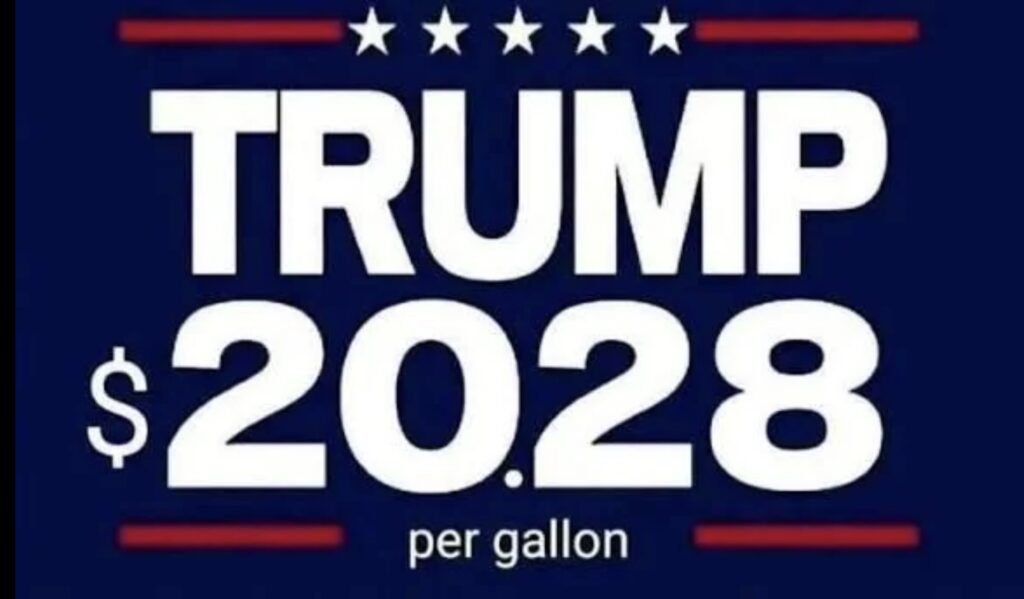
Instead, the war has produced the opposite effect. Inflation is rising, growth forecasts are falling, and the stock market—one of Trump’s preferred barometers for success—has shed trillions in value. The Federal Reserve’s path toward interest rate cuts has been derailed, with futures markets now pricing in no reductions in 2026.
Even if the conflict ends within the two-to-three-week timeline Trump recently suggested, the economic disruption will linger. Oil prices would take time to normalize, supply chains would need to be restored, and investor confidence would require rebuilding.
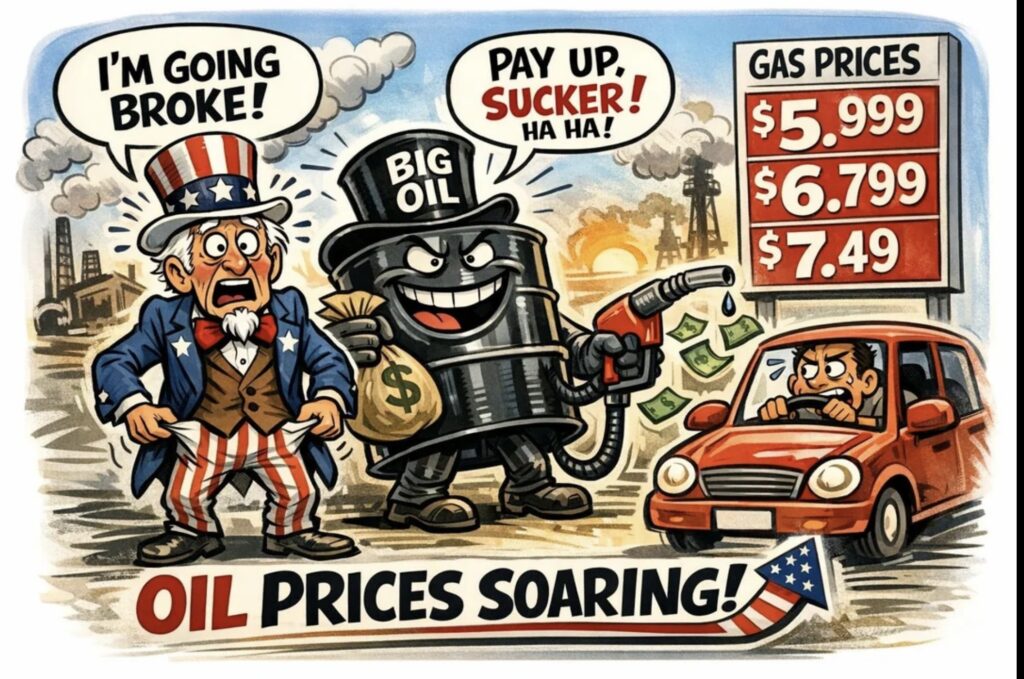
The cost to American taxpayers will also continue to accumulate. The estimated $200 billion supplemental funding request, if approved, would represent one of the largest wartime expenditures since the Iraq War, and analysts warn that additional funding would likely be required if the conflict drags on.
For Israel, the financial and military strain shows no signs of abating. The country’s defense budget has doubled, its growth forecast has been cut, and its missile interceptor stockpiles are being depleted at an alarming rate.
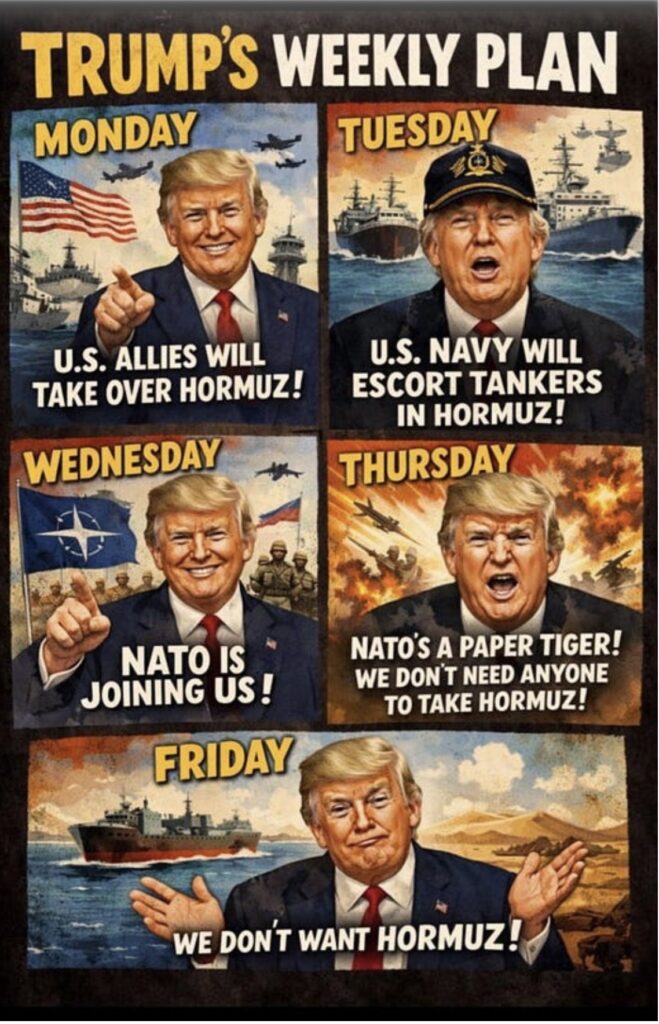
As the war enters its second month, President Trump faces a stark reality: the conflict he launched to enhance U.S. security has instead created economic instability, drained military resources, and eroded the political standing that was meant to carry him and his party through the midterm elections and beyond. Whether the promised benefits of disarming Iran will ultimately justify these costs remains an open question—and one that may define his presidency’s legacy.