
By Trump ShagsKids
March 10, 2026
If you’re Donald Trump, you’re probably waking up these days wishing Jeffrey Epstein had never owned an island, Iran didn’t have a navy, and that “four-week process” in the Middle East didn’t come with a body count.

Because right now, the President is facing what political operatives like to call a “messy news cycle.” What normal people call: a dumpster fire.
Let’s start with the bodies coming home. On Sunday, the U.S. military announced the first American casualties of Trump’s intensifying attack on Iran . Three U.S. troops killed. Five seriously wounded. Several more suffering from shrapnel injuries and concussions . The service members were reportedly killed on a base in Kuwait .

Trump’s response? He gave a video address lamenting the deaths but added that “sadly, there will likely be more before it ends” . He then vowed to “avenge their deaths and deliver the most punishing blow to the terrorists who have waged war against, basically, civilization” .
“Basically, civilization.” That’s the quote. That’s what we’re working with here.
The President also told the Daily Mail that the strikes could go on for four weeks because, and I quote, “It’s always been a four-week process” . It’s reassuring to know we have a clear, strategy-driven timeline for war, and not just something Trump heard once at a golf club and decided sounded right.

Meanwhile, the American public is less than thrilled. A Reuters/Ipsos poll showed only 27% of Americans approve of the strikes, while 43% disapprove . When your war has a lower approval rating than your average reality TV show, that’s… actually, that might be a new metric we need to invent.
But here’s where things get truly uncomfortable for 45 and 47.
While Trump is busy projecting strength abroad, back home his Justice Department is engaged in a very different kind of battle: one involving unreleased FBI interviews, allegations of sexual assault, and a dead financier whose name has become synonymous with elite depravity.
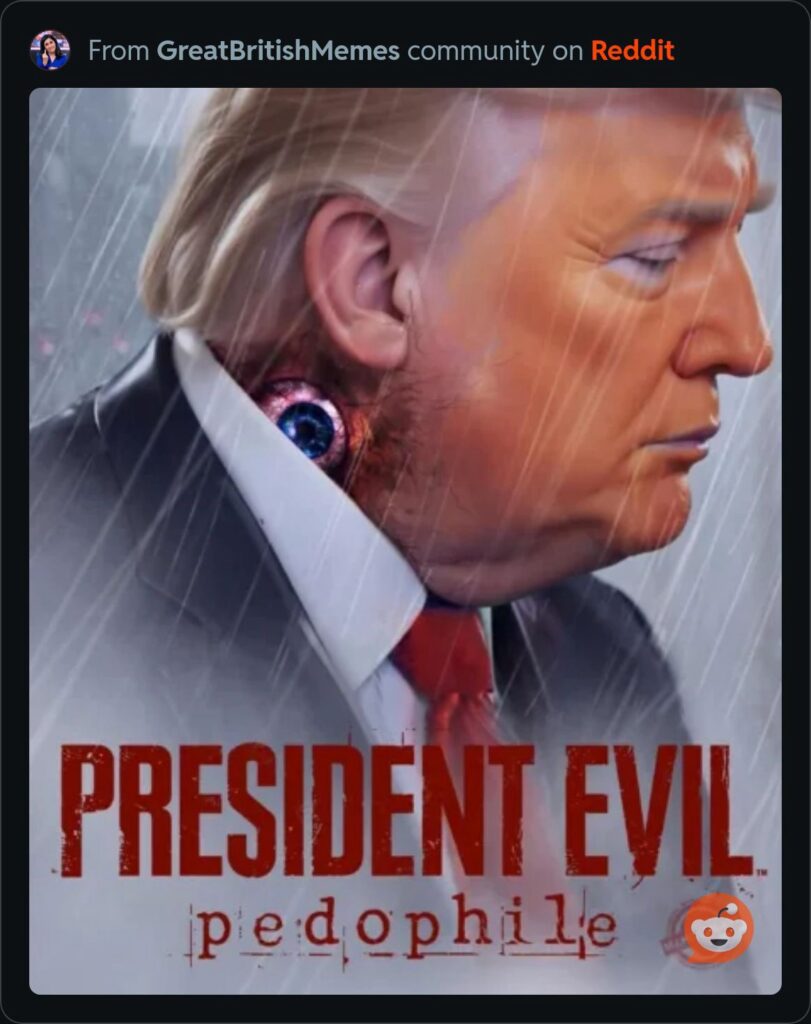
You guessed it. Jeffrey Epstein.
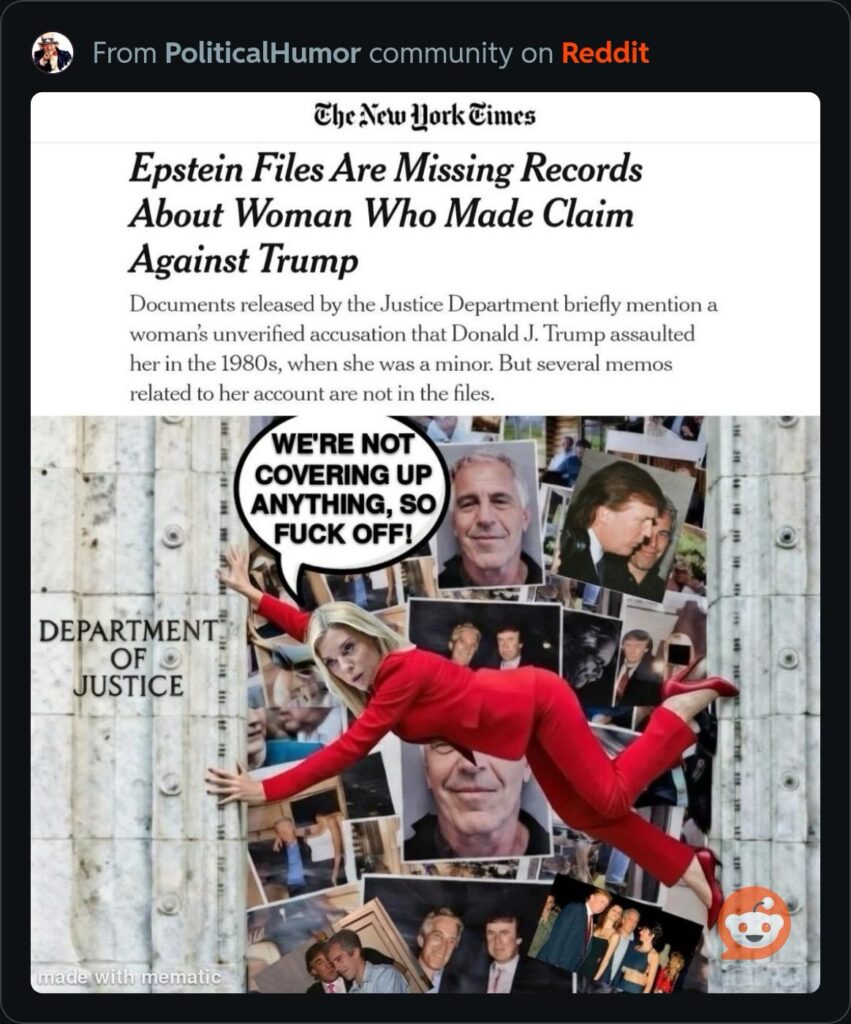
The Epstein Files Transparency Act, passed in November 2025, was supposed to force the release of millions of documents related to the disgraced pedophile . And indeed, the DOJ released a massive tranche of files. But here’s the thing: some files seemed to be missing.
Namely, files mentioning Donald Trump.
According to reporting from NPR and others, more than 50 pages of FBI interviews with a woman who made allegations against Trump were not included in the initial release . The woman, who came forward after Epstein’s 2019 arrest, claimed that when she was 13 years old in the 1980s, Epstein introduced her to Trump, who then sexually assaulted her .

The FBI interviewed her four times . But only one summary was initially made public. The others? Coded as “duplicative.” Conveniently misplaced. Lost in the shuffle.
The DOJ has now released those files after public pressure . But the damage—or at least the questions—remain. Trump has consistently denied any wrongdoing, and the White House insists he’s been “totally exonerated” . The DOJ itself has warned that some files contain “untrue and sensationalist claims” submitted right before the 2020 election .
But here’s the thing about transparency: you can’t claim exoneration and withhold evidence at the same time. That’s not how exoneration works. That’s how cover-ups work.

The timing is, shall we say, unfortunate for Trump.
Just as the nation is supposed to be rallying around the flag and supporting our troops in a new conflict, we’re instead asking: wait, what was in those files? Why were they missing? And who decided they were “duplicative”?
Attorney General Pam Bondi, whom one expert described as acting more like “Trump’s personal lawyer” than the chief prosecutor for the United States , now faces mounting frustration—even from Republicans on the House Oversight Committee, who voted to subpoena her .
Five Republicans joined Democrats in that vote . When your own party starts asking questions, you know the optics are bad.
And the substance isn’t much better.
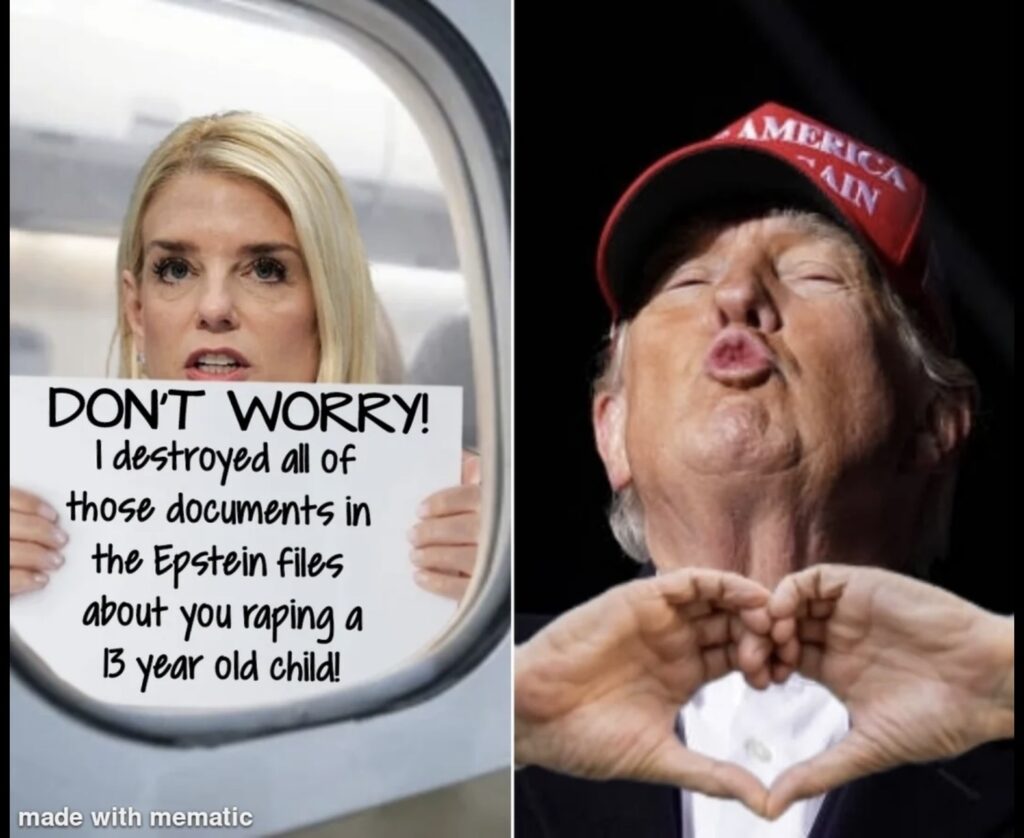
The newly released documents include summaries of FBI interviews with a woman who claimed Epstein flew her to either New Jersey or New York, where she alleged Trump tried to sexually assault her . She claimed she bit him in response, and he allegedly punched her in the head and kicked her out .
Again: these are unverified allegations. The FBI hasn’t confirmed them. Trump denies them. The woman was deemed ineligible for the Epstein victims’ compensation program . There are legitimate questions about credibility.

But that’s not really the point, is it?
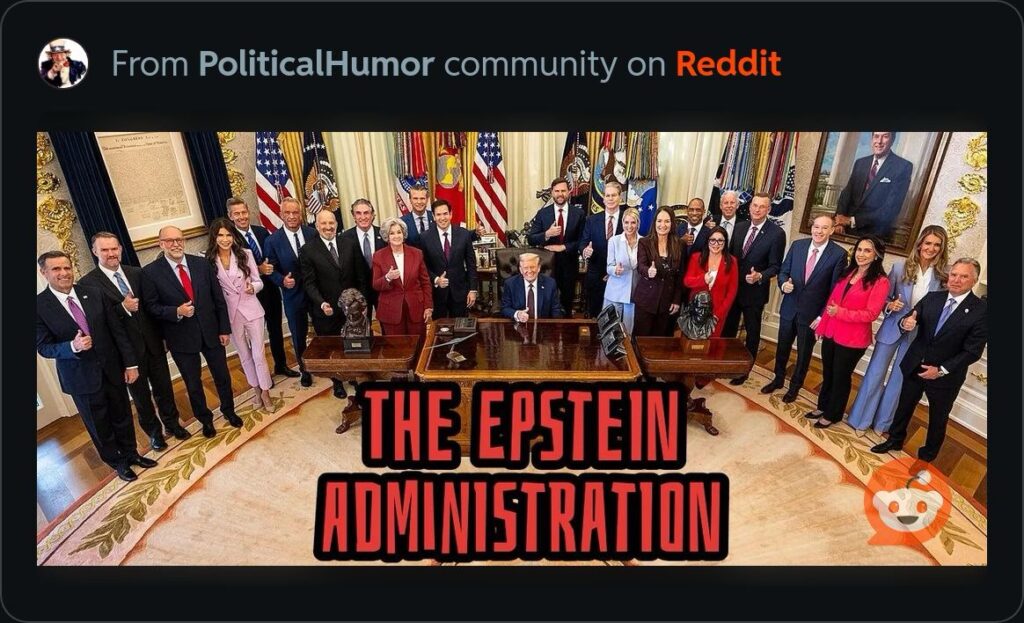
The point is that a President who launched a war now finds himself defending against allegations of pedophilia while American casualties mount. The point is that his administration’s handling of the Epstein files looks less like transparency and more like a game of “hide the salacious documents about the boss.”
David Andersen, an associate professor of US politics at Durham University, told The i Paper that the files had likely “been withheld to protect President Trump” . He added that Trump is “terrified that his base will react negatively to his name appearing in the files” .

And there’s the rub. Trump’s base has been impervious to so much. The Access Hollywood tape. Two impeachments. January 6. But Epstein? That’s different. Even Marjorie Taylor Greene has expressed concerns . The evangelical Christian wing of the MAGA movement might have limits, and those limits might involve being associated with a man who had a private island for trafficking minors.
Mark Shanahan, associate professor of political engagement at the University of Surrey, called the Epstein files “Trump’s political kryptonite” .
So here we are. Troops are dying in a war that only 27% of Americans support. The administration is fighting accusations of covering up ties to a pedophile. And the man at the center of it all is doing what he always does: denying, deflecting, and doubling down.
Trump told reporters on Air Force One last week that he’s “been totally exonerated” . He called the allegations a “shame” and insisted “I did nothing” . In a statement about the newly released files, his press secretary Karoline Leavitt called them “completely baseless” and “backed by zero credible evidence” .
The President’s strategy, as always, is to attack. To call it fake news. To blame the Democrats. To insist he’s the most moral president in history.
But here’s the problem with that strategy: flag-draped coffins don’t care about your messaging.
The three service members killed in Kuwait aren’t coming back. Their families are getting folded flags and form letters. And while Trump talks about four-week processes and avenging their deaths, the rest of us are left wondering: was this war worth it? And what else is being hidden?
The Epstein files may or may not contain damning information about Trump. The allegations may or may not be credible. But the pattern of withholding, the claims of exoneration without evidence, the convenient “duplicative” coding—that pattern is real. And it’s not a good look for a president asking the country to trust him with a war.
As one expert noted, nothing seems to stick to Trump . He’s survived scandals that would have ended any other political career. But Epstein is different. Epstein touches something deeper. And a war with mounting casualties is a hell of a time to be explaining why documents about your connections to a pedophile were “mistakenly” withheld.
So here’s to you, Donald. May your four-week process go quickly. May your poll numbers improve. And may your Justice Department stop “accidentally” forgetting to release files that make you look bad.
Because at this rate, the only thing getting avenged might be the political careers of everyone who enabled this mess.
Look, I’m just saying: if you’re going to start a war, maybe make sure your Epstein problems are fully behind you first. Or at least make sure the files are properly “duplicated.”