
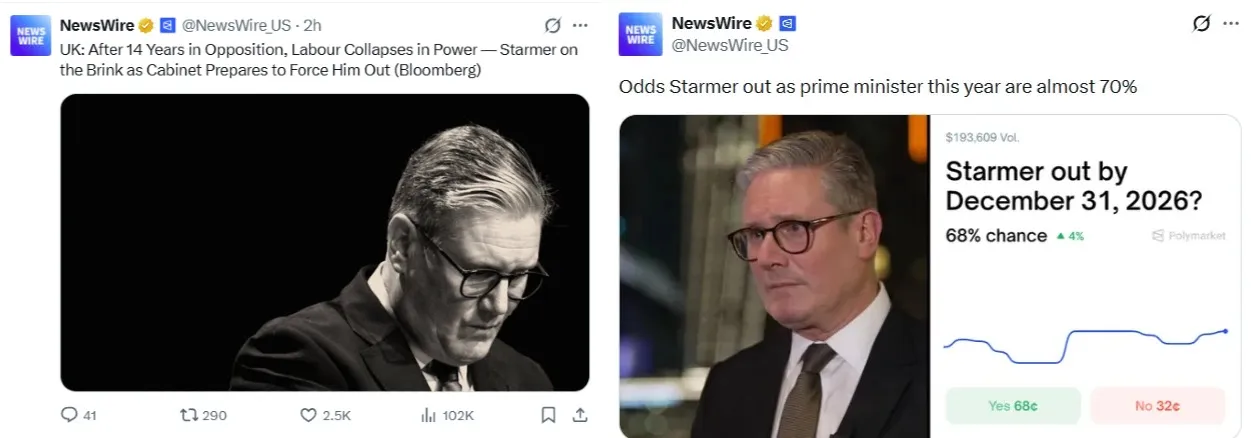
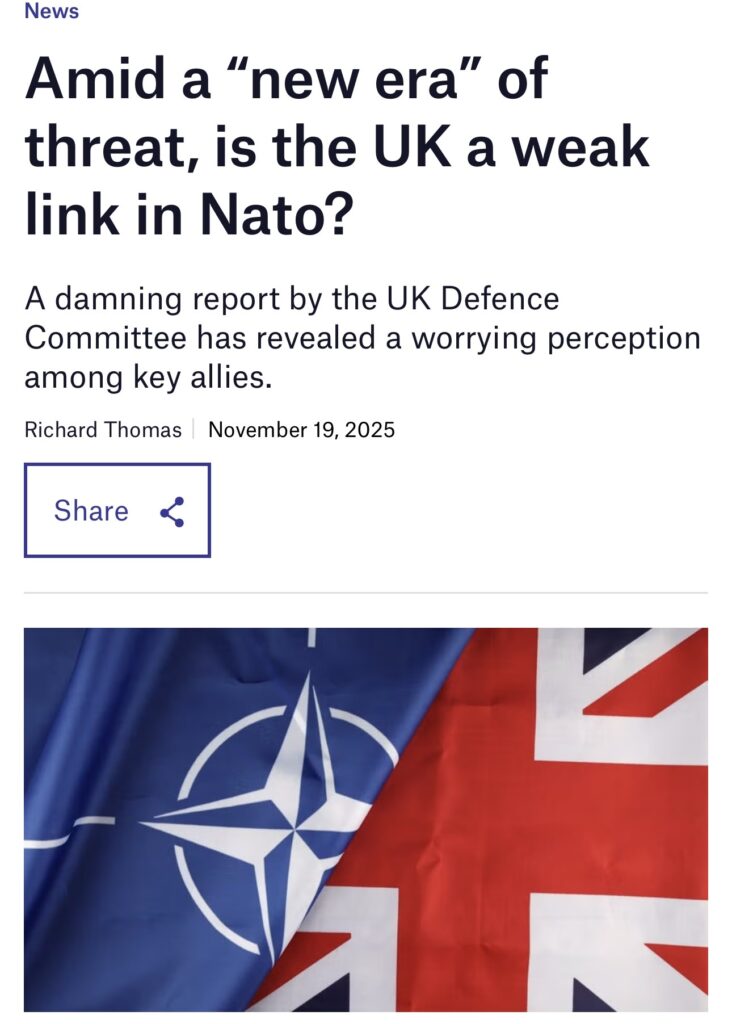
Since February 2022, the United Kingdom has positioned itself as one of Kyiv’s foremost military backers, gifting £10.8 billion in weaponry from its own strained stockpiles. While this has been vital for Ukraine’s survival, a growing body of parliamentary and defence analysis reveals a stark consequence: the British Army is critically depleted, with key capabilities hollowed out and little indication they will be replaced in time to meet NATO commitments .
The Value of What Has Gone
Total UK military financing to Ukraine currently stands at £13.06 billion. Crucially, £10.8 billion of this represents equipment gifted directly rather than funded through the separate G2.26 billion G7 loan mechanism. This materiel has been pulled predominantly from existing Ministry of Defence inventories .
While the MoD does not publish a precise receipted valuation for every donated bolt and chassis, the scale is visible in the hardware confirmed transferred:
· Armour: 14 Challenger 2 main battle tanks (with over 70 more surplus vehicles awaiting a decision on potential transfer) .
· Artillery: AS-90 self-propelled guns (barrels for which are now being re-manufactured in the UK for the first time in two decades) .
· Precision Munitions: Thousands of NLAW and Javelin anti-tank missiles; Storm Shadow cruise missiles .
· Drone Fleet: A pledged 100,000 unmanned aerial vehicles, with a £350 million package currently being delivered .
· Air Defence: A £600 million package of anti-aircraft missiles and automated drone-interceptor turrets, the largest single-year UK investment in Ukrainian air defence .

The Depletion Crisis: Not Just Numbers, But Readiness
The fundamental problem is not simply that equipment has left; it is that the UK has proven unable to backfill what it has sent. Defence planners have acknowledged that replenishment funding has been notionally approved, but contracts are slow and industrial capacity remains constrained. The result is a capability gap that senior US military figures have described as relegating the British Army from its historic status as a Tier One fighting force .
The current state of UK stockpiles is alarming:
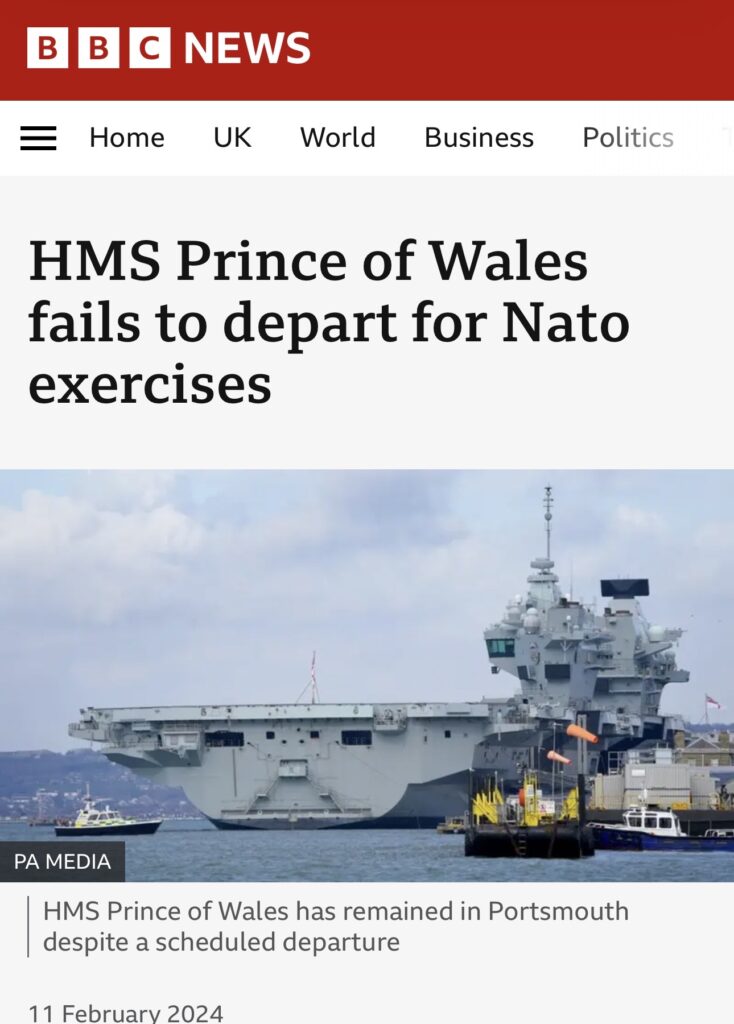
· Tanks: Only 148 Challenger 2s are slated for upgrade to Challenger 3 standard. This leaves a “limbo” fleet of over 70 vehicles—many with heavily worn hulls and structural defects—that may be cannibalised for parts, sold, or scrapped rather than returned to active service .
· Artillery: British ammunition stockpiles, never fully reconstituted after the Libya intervention in 2011, have been further drained .
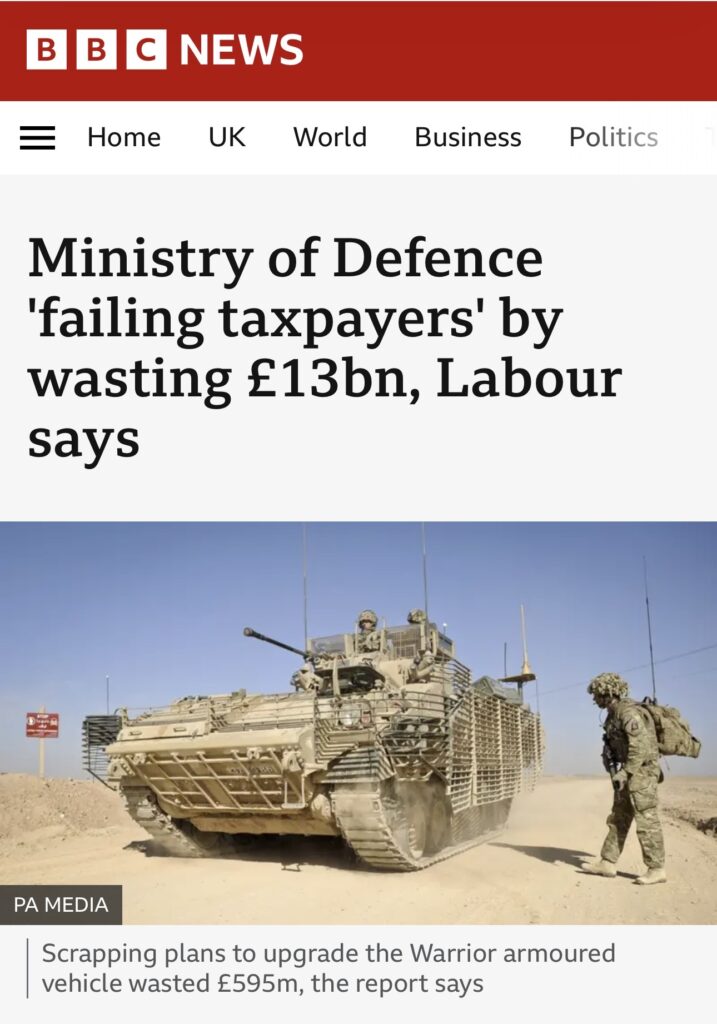
· Armoured Infantry: The Warrior infantry fighting vehicle has been systematically retired and partially cannibalised rather than donated, leaving a gap in mounted close combat capability .
What the UK Refuses to Send
Perhaps the most telling indicator of depletion is what the MoD will not give. Defence ministers formally rejected a parliamentary proposal to donate the Watchkeeper drone fleet to Ukraine, despite the system being slated for premature retirement. The official reason cited was poor survivability in modern air defence environments, but the decision also conveniently avoids further depleting British surveillance assets and incurring the political cost of writing off a £1.4 billion programme .
Similarly, Typhoon combat aircraft and MQ-9A Reaper drones have been withheld, officially due to sensitive US technology, but also reflecting the sheer lack of surplus capacity .
The £28 Billion Black Hole
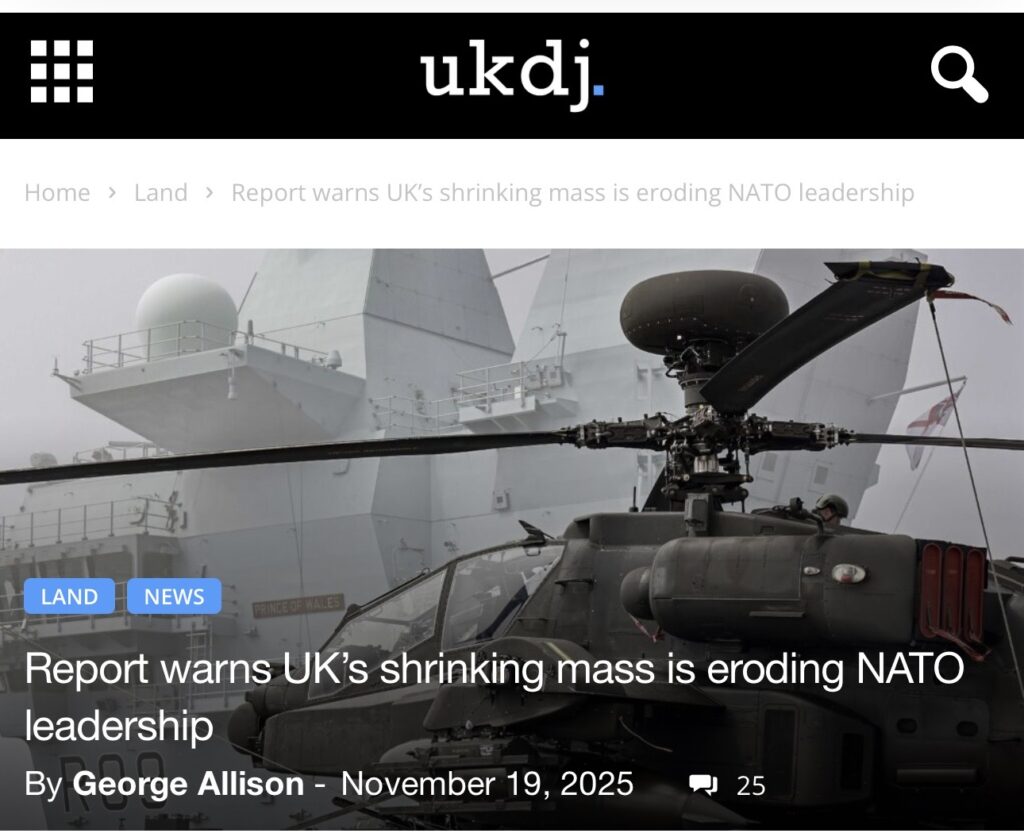
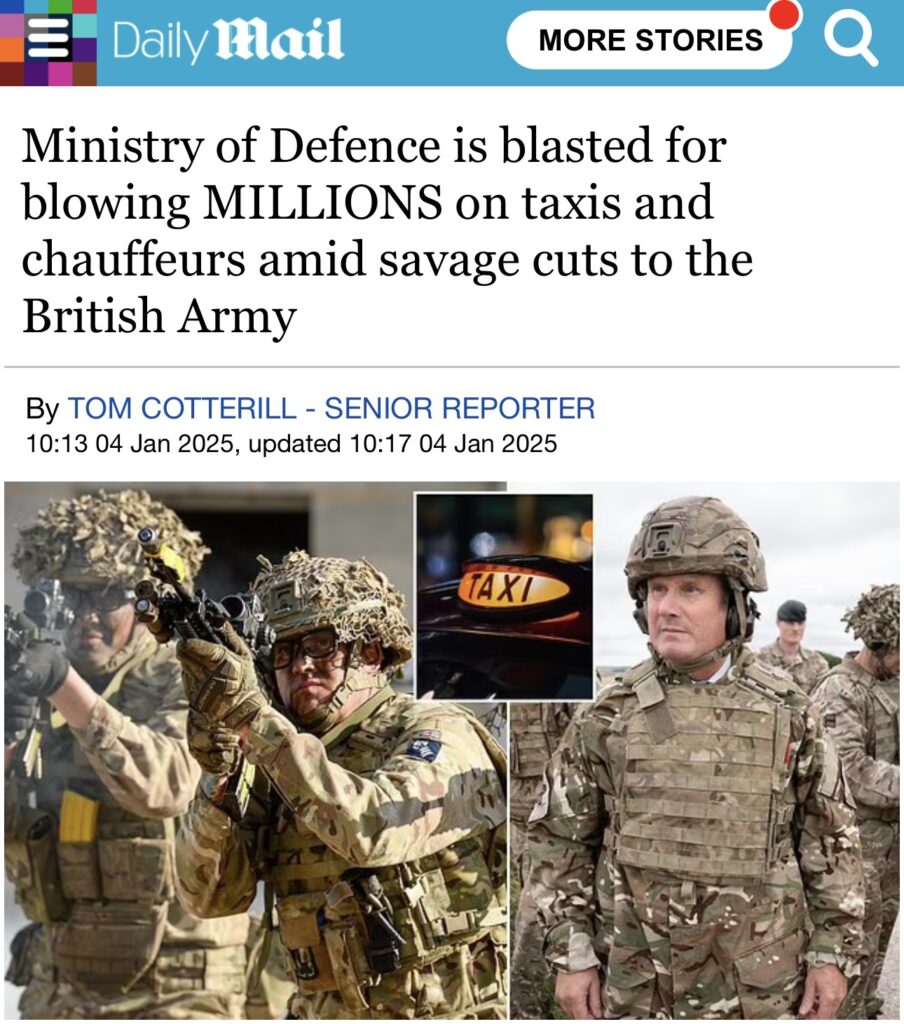
The situation is exacerbated by the UK’s domestic defence budget crisis. A £28 billion funding gap has emerged in the MoD’s long-term equipment plan, and major programmes are stalling. The Challenger 3 production line is delayed. The Boxer and Ajax armoured vehicle programmes are frozen or facing safety inquiries. The Global Combat Air Programme (Tempest) is at risk of the UK being relegated to a junior partner due to funding hesitancy .
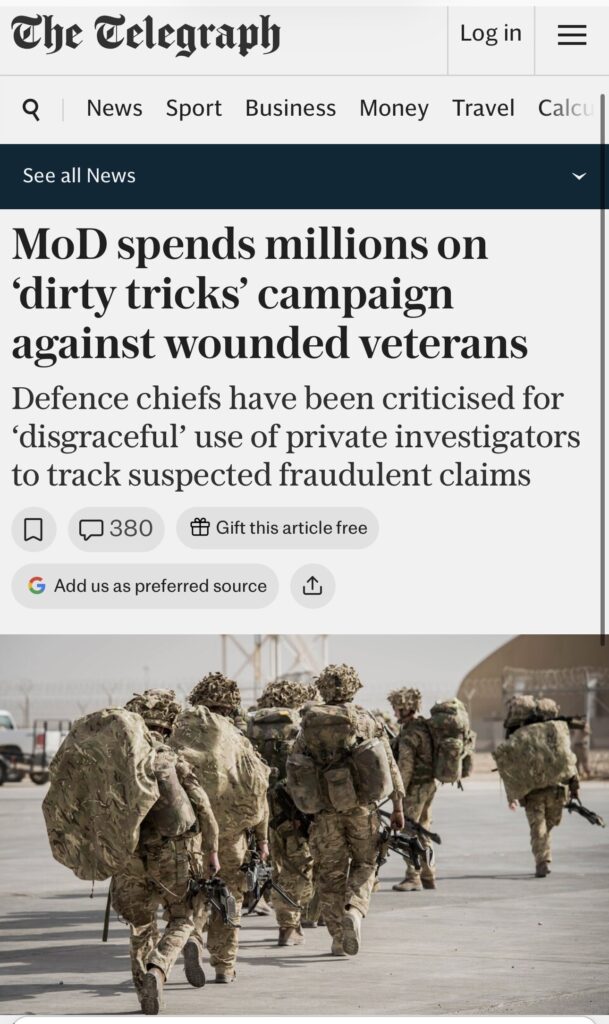
The Government has pledged to increase defence spending to 2.6% of GDP by 2027, but analysts note that this includes funding already earmarked for the Chagos Islands lease, Afghan refugee costs, and Ukraine support. The actual procurement budget for “hard” conventional capability is shrinking in real terms .
Conclusion
The UK has successfully executed the transfer of £10.8 billion in military capability to Ukraine. In doing so, it has demonstrated leadership and enabled Kyiv to hold the line against Russian aggression. However, the transaction has left British conventional forces in their weakest state in decades. Without an urgent and fully funded programme to reconstitute stockpiles, the UK risks entering a period where it can no longer credibly defend its own eastern seaboard, let alone lead a “coalition of the willing” in Europe. The equipment is gone. The question is whether the resolve to replace it remains.