
The release of documents related to convicted sex offender Jeffrey Epstein was supposed to bring transparency and closure. Instead, it has ignited a political firestorm in Washington that shows no signs of abating. At the center of this storm is Republican Rep. Thomas Massie of Kentucky, who has launched an uncompromising crusade against Attorney General Pam Bondi and FBI Director Kash Patel, accusing them of deliberately hiding the names of Epstein’s alleged co-conspirators.

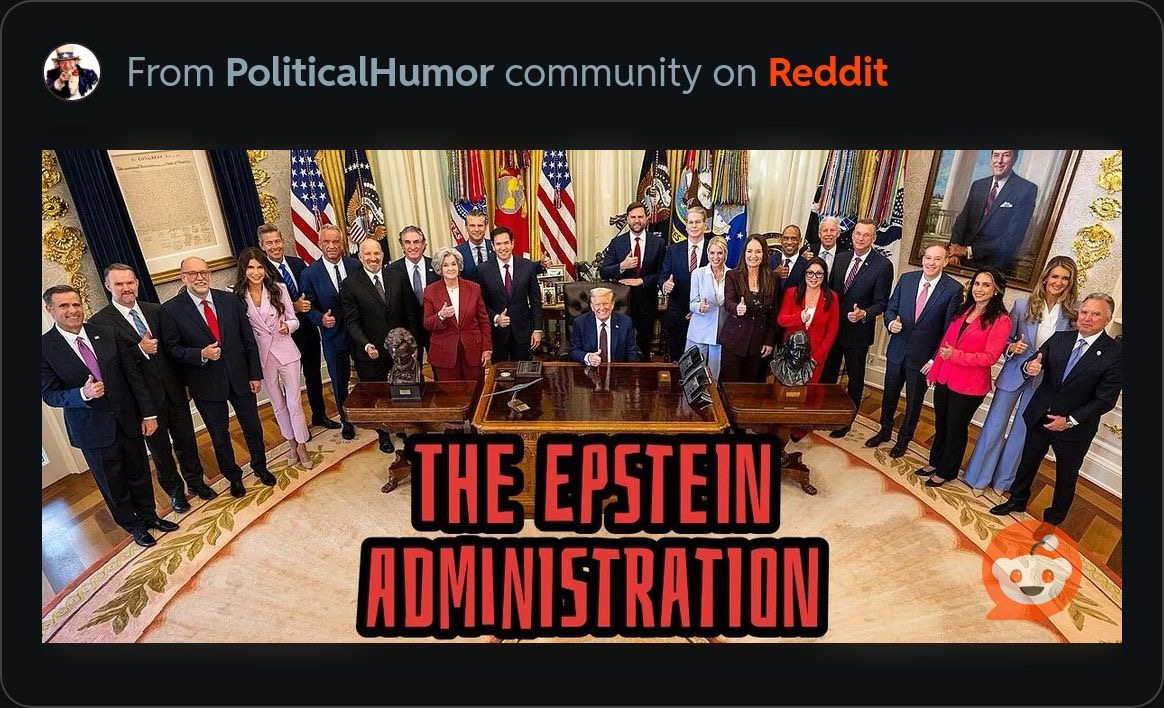
The confrontation has grown so intense that Massie recently made the extraordinary claim that we are living in the “Epstein administration” . Here is the full story of what Massie alleges is being concealed—and why Bondi and Patel say he is wrong.
The ‘Red-Handed’ Accusation
The conflict reached a boiling point during a House Judiciary Committee hearing on February 11, 2026, when Massie confronted Bondi directly over what he described as deliberate obfuscation . The congressman displayed FBI documents that he claimed proved the department was hiding incriminating information.

“These are the documents that we need that you’re holding on to and over-redacting because they have the names of the men who are implicated,” Massie told Bondi during the tense exchange .
At the heart of Massie’s complaint is a specific allegation: the Department of Justice improperly redacted an FBI document that explicitly labeled individuals as “co-conspirators” in Epstein’s child sex trafficking operation . According to Massie, these designations were only revealed after his personal review of the files and subsequent public pressure campaign forced the DOJ to act.

When Bondi attempted to defend her department’s record—noting that Les Wexner’s name appeared more than 4,000 times in the files and that a single redaction was corrected within 40 minutes—Massie cut her off with a biting retort: “Within 40 minutes of me catching you red-handed!” .
Who Are the Alleged Co-Conspirators?
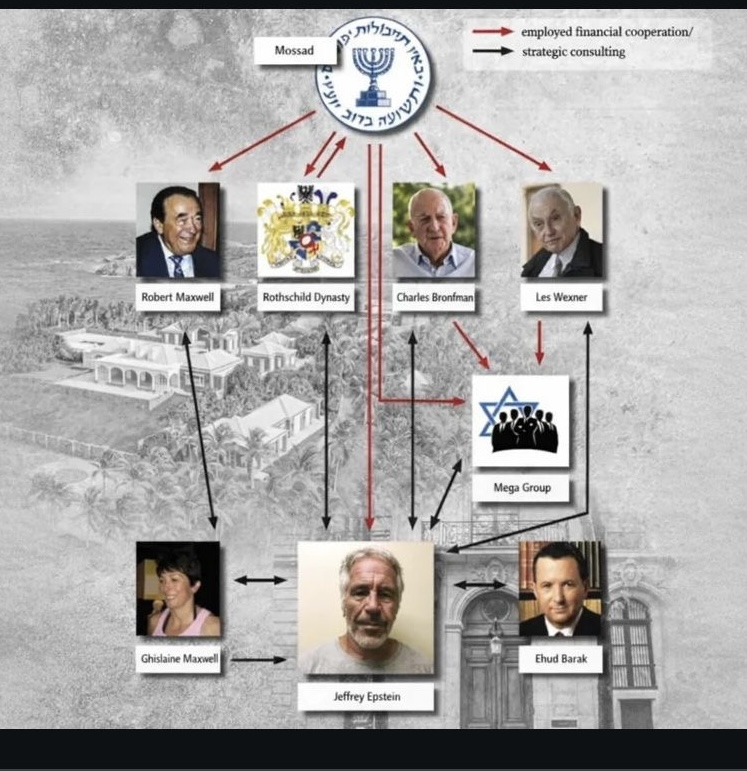
Massie has been remarkably specific about whose names he believes are being concealed. His allegations center on several high-profile individuals:
Les Wexner: The billionaire founder of L Brands and former Epstein patron is identified in unredacted FBI documents as a “co-conspirator” in child sex trafficking, according to Massie . This designation, Massie argues, was only visible after the DOJ was pressured to correct its redactions. Wexner has long faced scrutiny over his relationship with Epstein, who managed his finances for years, but has never been charged with any crime related to Epstein’s trafficking operation.

Sultan Ahmed Bin Sulayem: The CEO of Dubai Ports World is at the center of one of the most disturbing allegations. Massie claims that newly unredacted files identify Bin Sulayem as the sender of a “torture video” sent to Epstein . The nature and content of that video have not been publicly detailed, but Massie has made clear he believes this information should never have been redacted.
Additionally, Massie has stated that FBI documents list “several men who might be implicated” in Epstein’s activities, though he has not released a comprehensive list . His broader argument is that survivors’ testimony to the FBI contains the names of these individuals, and the redactions have prevented the public from seeing the full scope of Epstein’s network .

The Patel Contradiction
Perhaps the most damaging aspect of Massie’s accusations involves FBI Director Kash Patel’s previous congressional testimony. Massie played a video clip during the hearing showing Patel stating definitively: “There is no credible information, none. If there were, I would bring the case yesterday that he trafficked to other individuals” .
Massie then pressed Bondi: “Is that your position as well?”
The congressman’s implication was clear: if FBI documents label individuals as co-conspirators, how can Patel claim there is no evidence Epstein trafficked girls to anyone but himself? Massie argues this represents either a staggering failure of intelligence or deliberate misleading of Congress .
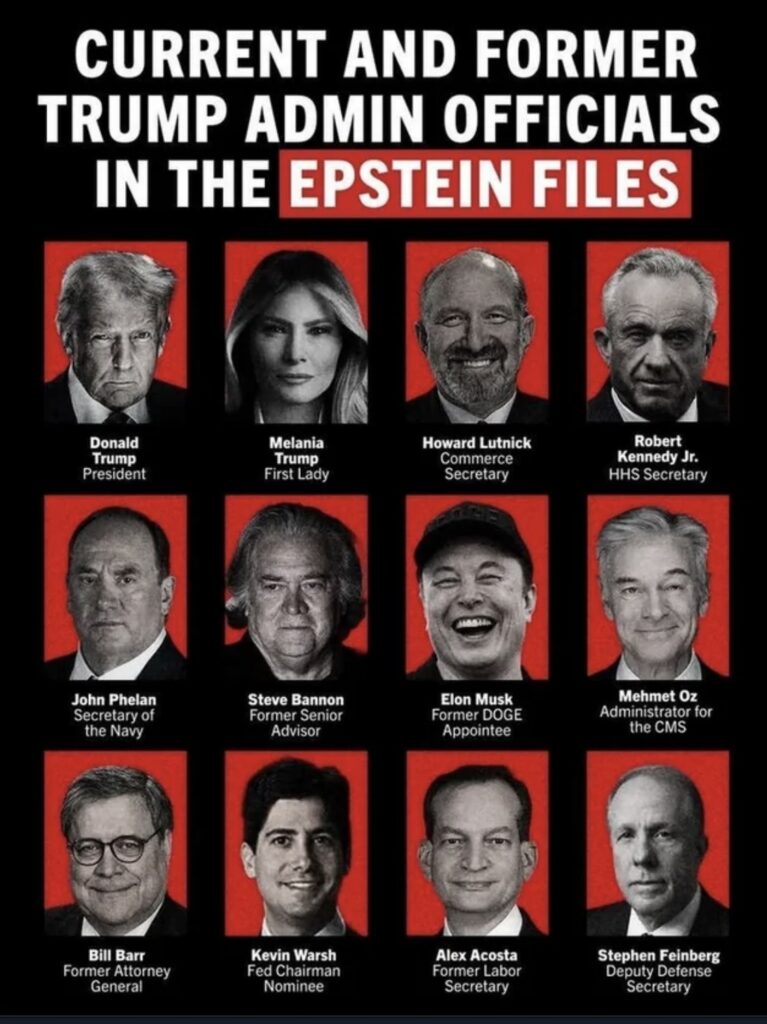
The Justice Department has consistently maintained that its investigation uncovered no criminal wrongdoing by powerful individuals beyond Epstein and his longtime associate Ghislaine Maxwell . But Massie and other lawmakers who have reviewed unredacted materials say this conclusion is belied by the documents themselves.
The Battle Over Redactions
The dispute is not merely about what the files contain, but about the legality and propriety of the redactions themselves. Massie argues the DOJ has misapplied federal law, redacting names that are not legally entitled to protection.
In early February 2026, Massie claimed the DOJ quietly unredacted documents following his pressure campaign—a tacit admission, in his view, that the original redactions were improper . The specific document in question, an FBI file from 2019, allegedly identifies multiple individuals connected to Epstein’s criminal network.

The DOJ pushed back forcefully through public statements by Deputy Attorney General Todd Blanche. Blanche argued that Wexner’s name already appears thousands of times across the Epstein files and that the department was “hiding nothing” . He explained that the specific redactions Massie criticized involved email addresses containing personally identifiable information, which federal law requires to be protected.
Regarding the torture video allegation, Blanche stated that Bin Sulayem’s name is already available unredacted elsewhere in the Epstein records and that Massie was misrepresenting the scope and intent of the redactions .
Massie rejected this defense. He argued that while victims’ identities must be protected, the statute does not permit redacting the names of men who allegedly sent illicit material to Epstein. According to Massie, the DOJ only acknowledged this distinction after he personally reviewed the files and pressed for changes .
Bondi and Patel Under Fire
The pressure on Bondi and Patel extends far beyond Massie’s criticisms. In December 2025, when the first major tranche of Epstein files was released under the Epstein Files Transparency Act, the documents were so heavily redacted that lawmakers from both parties cried foul .
Democratic Rep. Alexandria Ocasio-Cortez called the release a cover-up “that protects powerful interests and undermines public trust,” adding that “Bondi should resign tonight” . Senators Jeff Merkley and Ben Ray Luján had previously threatened to block Senate nominations until they received detailed briefings on compliance with the transparency law .

During the February 2026 hearing, Bondi faced a particularly uncomfortable moment when Rep. Eric Swalwell played video of Patel refusing to say how many times President Trump’s name appears in the files . Patel had said, “I don’t know the number,” when pressed on whether it was at least 100, 500, or 1,000 times. Bondi was then forced to acknowledge that Trump’s name appears “countless times” in the documents—a statement that critics said contradicted the administration’s efforts to minimize the president’s connections to Epstein .
Bondi has defended herself aggressively, accusing Massie of suffering from “Trump Derangement Syndrome” and dismissing his criticism as a “political joke” . At one point, she attacked Massie’s voting record, calling him a “hypocrite” for opposing legislation on AI deepfake porn .

But Massie has not backed down. When Bondi accused him of political opportunism, he responded: “I am reclaiming my time. I’m glad you’re asking about Merrick Garland because this is bigger than Watergate. This goes over four administrations. You don’t have to go back to Biden. Let’s go back to Obama. Let’s go back to George Bush. This cover-up spans decades, and you are responsible for this portion of it” .
The ‘Epstein Administration’ Comment
The feud escalated further on February 15, 2026, when Massie appeared on ABC’s “This Week” and delivered a blistering assessment of the Trump administration’s handling of the Epstein files.

“Donald Trump told us that even though he had dinner with these people in New York City and West Palm Beach, that he would be transparent, but he’s not,” Massie said. “He’s still in with the Epstein class. This is the Epstein administration” .
The comment—extraordinary coming from a sitting Republican congressman about a president of his own party—laid bare the depth of the fracture inside the GOP over this issue. Massie went further, suggesting that entrenched wealth and political influence were working against transparency.
“There are billionaires that are friends with these people, and that’s what I’m up against in D.C.,” he said .

The White House has not directly responded to Massie’s characterization, but Trump has reportedly expressed frustration to aides that he does not understand the public’s “obsession” with Epstein . The president has also vowed to support a primary challenger against Massie, signaling that the congressman’s rebellion will carry political consequences .
What Has Actually Been Released?
Amid the accusations and counter-accusations, it is worth examining what the public has actually seen. On December 19, 2025, the DOJ released a significant tranche of materials including court records, photos, call logs, and other documents . On February 14, 2026, Bondi sent a letter to Congress confirming that all DOJ-held materials had been made public, accompanied by a list of 305 individuals named in the documents .
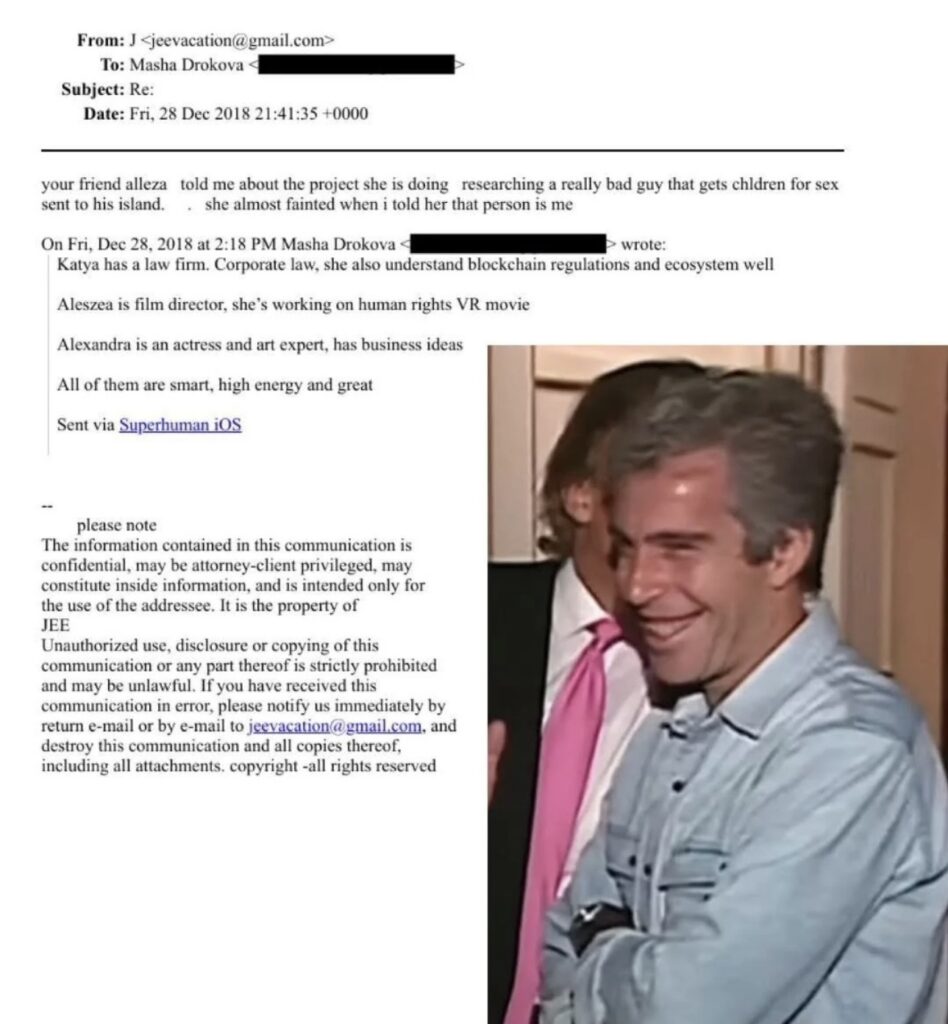
However, large portions of the released materials remain heavily redacted . Lawmakers who have reviewed unredacted versions have raised concerns about what remains hidden. Rep. Jamie Raskin, a Democrat on the House Judiciary Committee, stated that the released documents were “filled with redactions of names and information about people who clearly are not victims and may fall into that other category”—meaning co-conspirators, accomplices, or abusers .
The DOJ maintains that redactions are necessary to protect victim identities and comply with privacy laws . Deputy Attorney General Todd Blanche has promised that “several hundred thousand more” documents will be released over time .
The Stakes of the Dispute
The battle over the Epstein files touches on fundamental questions of accountability, transparency, and the rule of law. For Massie and his allies, the issue is whether wealthy and powerful individuals can escape scrutiny simply because of their connections. For the administration, the issue is balancing transparency with legal obligations to protect victims and ongoing investigations.
But there is also a political dimension that cannot be ignored. The Epstein case has become a cudgel used by figures across the ideological spectrum to attack their opponents. Bondi has accused critics of using the files to attack Trump politically . Massie, for his part, has dismissed these concerns, arguing that the truth matters more than partisan loyalty.
“This is about the Epstein class, the people who are funding the attacks against me,” Massie said on ABC. “They may or may not be implicated in these files, but they were certainly rubbing shoulders with the people who are in these files” .
What Happens Next?
The conflict shows no signs of resolution. Massie has promised to continue pushing for full disclosure, warning that if the names of alleged co-conspirators remain hidden, the DOJ has “clearly withheld evidence” . Bondi has signaled she will continue to defend her department’s record and attack her critics as politically motivated.

Meanwhile, the public is left to sift through thousands of pages of heavily redacted documents, trying to discern what is being hidden and why. The DOJ insists nothing improper is occurring. Massie insists the redactions speak for themselves.
One thing is certain: the Epstein files controversy has transformed from a legal disclosure requirement into a full-blown political crisis—one that has pitted a Republican congressman against a Republican administration, exposed deep divisions within the GOP, and raised questions about whether the full truth about Epstein’s network will ever see the light of day.

As Massie himself put it during his heated exchange with Bondi: “This is bigger than Watergate.” Whether history will bear out that assessment remains to be seen. But for now, the battle over the Epstein files continues to consume Washington—with no end in sight.