
January 30, 2026
In the months since Israel’s devastating war in Gaza began, a powerful alliance of billionaire donors, tech moguls, and the Trump administration has mounted a concerted campaign to suppress narratives of Palestinian suffering and to punish those who dare to call it genocide. This multi-front effort spans social media censorship, the weaponization of immigration law, and the strategic use of lawsuits and legal threats—all backed by some of the Republican Party’s most pro-Israel financiers.
- Silicon Valley Censorship: The TikTok Takeover
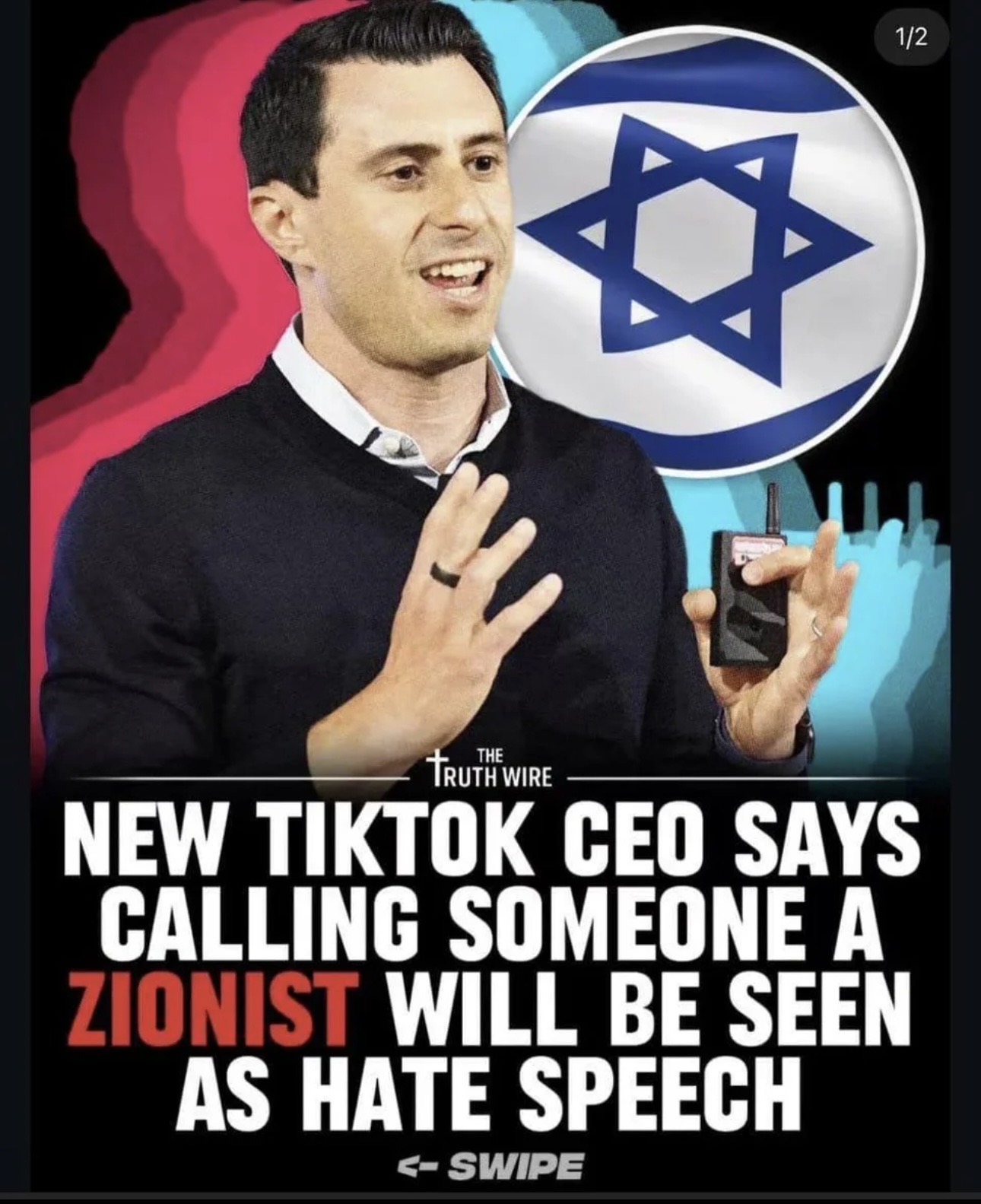
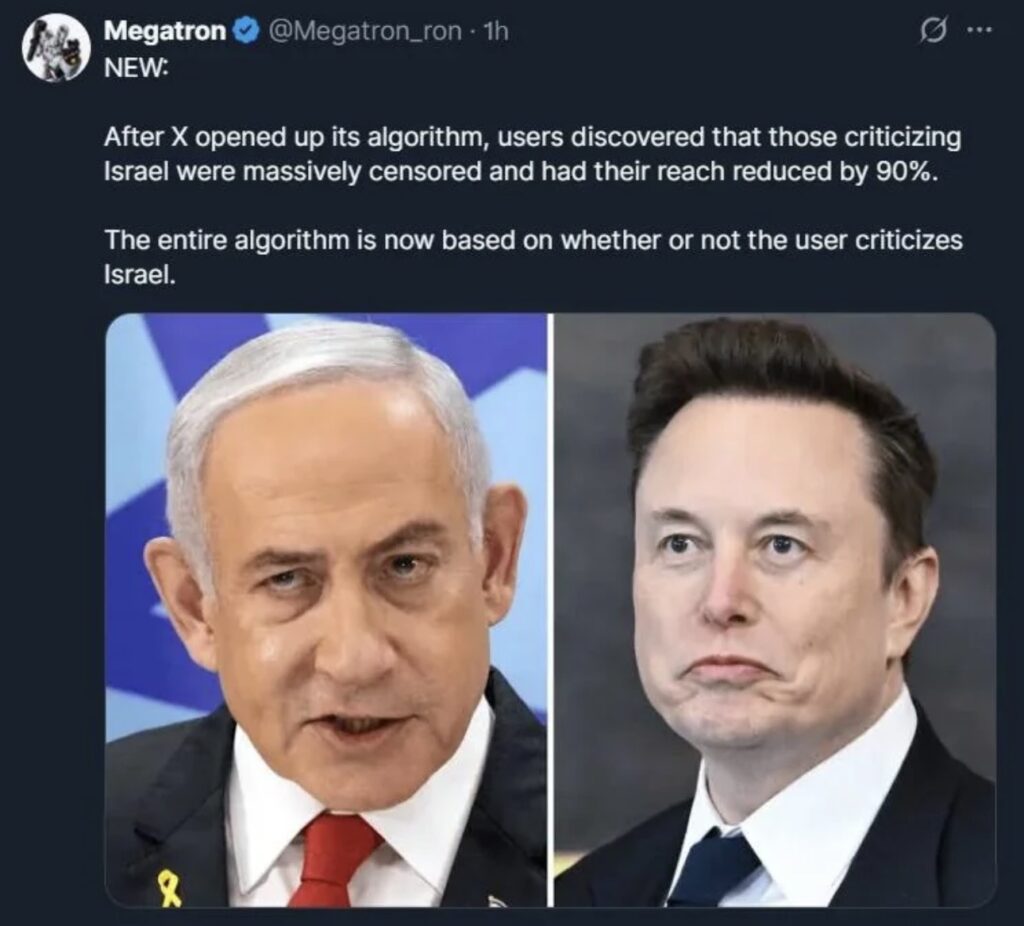
The battle over narrative control moved decisively into the digital realm in January 2025, when a consortium led by Oracle co-founder Larry Ellison—a billionaire with close ties to Donald Trump—took control of TikTok’s U.S. operations. Almost immediately, users reported severe glitches on videos criticizing U.S. immigration enforcement and a dramatic plunge in engagement for pro-Palestine accounts. The timing coincided with the new CEO’s announced plans to censor “anti-Zionist content”.
Oracle, the tech giant Ellison founded, is not a neutral player. An investigation by The Intercept revealed that Oracle had “clamped down on pro-Palestine activism inside the company” and collaborated with Israeli ministries on a tool called “Words of Iron” designed to elevate pro-Israel content and counter critical narratives on TikTok, Instagram, and Twitter. The company’s CEO, Safra Catz, an Israeli-American, has told employees, “if you’re not for America or Israel, don’t work here”. This corporate stance, aligned with the political aims of Trump’s donor class, has turned a major social platform into a vehicle for silencing dissent on Gaza.
- The Legal & Law Enforcement Crackdown: ICE, Lawsuits, and “Collusion”
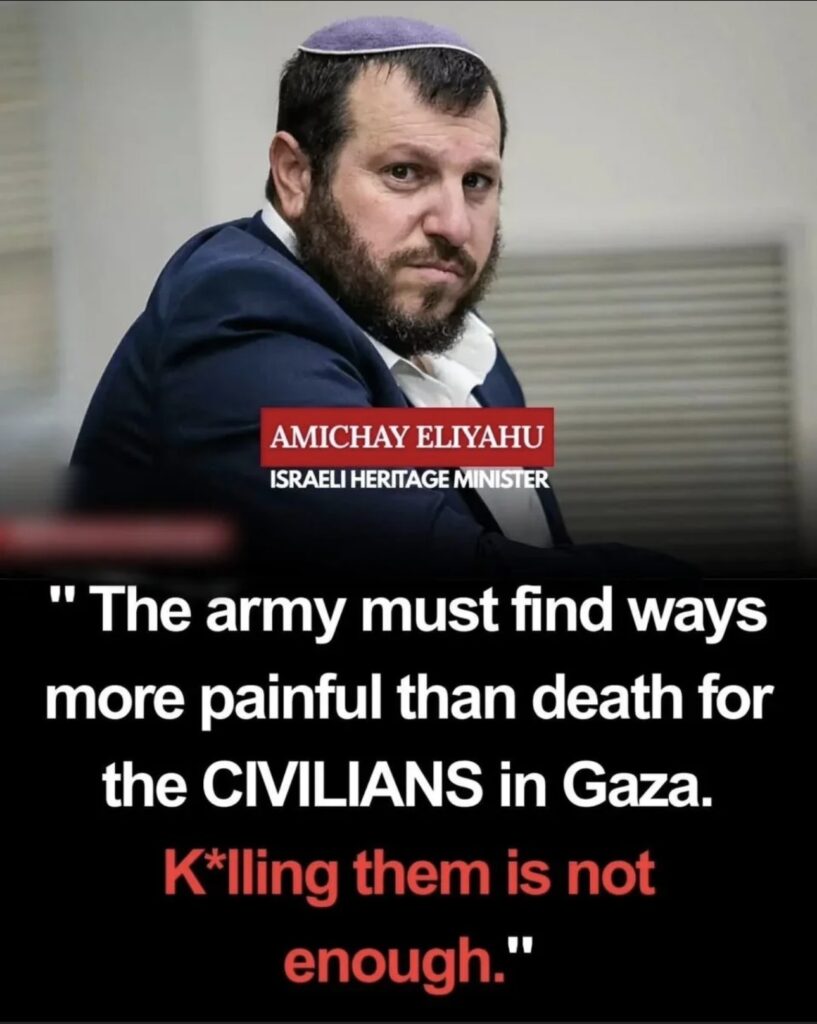
While social media algorithms were being tuned, the Trump administration unleashed law enforcement and legal tools against pro-Palestine activists. Unsealed government records reveal that officials targeted noncitizen activists like Mahmoud Khalil, Rümeysa Öztürk, and Mohsen Mahdawi solely for their protected speech—not for any unlawful conduct. ICE detained Khalil, a Columbia graduate student, in March 2025, seeking to deport him under a rarely used provision that allows deportation for “lawful” activities deemed to compromise U.S. foreign policy.

The administration’s actions were closely coordinated with outside, anti-Palestinian groups. Khalil’s lawsuit against Trump officials alleges a “collusion” with organizations like Betar USA and Canary Mission, which compiled and shared dossiers on activists, calling for their deportation. “The public deserves full accountability for every bad actor who helped make that possible,” Khalil stated. This legal offensive represents a direct use of state power and private litigation to intimidate and silence voices highlighting Gaza’s humanitarian catastrophe.
- The Donors: Bankrolling the Crackdown
Fueling this apparatus are mega-donors like Miriam Adelson, the pro-Israel casino magnate who poured over $100 million into Trump’s 2024 campaign. Trump has openly praised Adelson’s love for Israel and acknowledged her frequent visits to the White House to demand pro-Israel policies. Adelson, who owns the widely-read Israeli newspaper Israel Hayom, has used her platform to call for dismissing Israel’s critics worldwide and has backed the “harsh crackdown on pro-Palestine student demonstrators”.
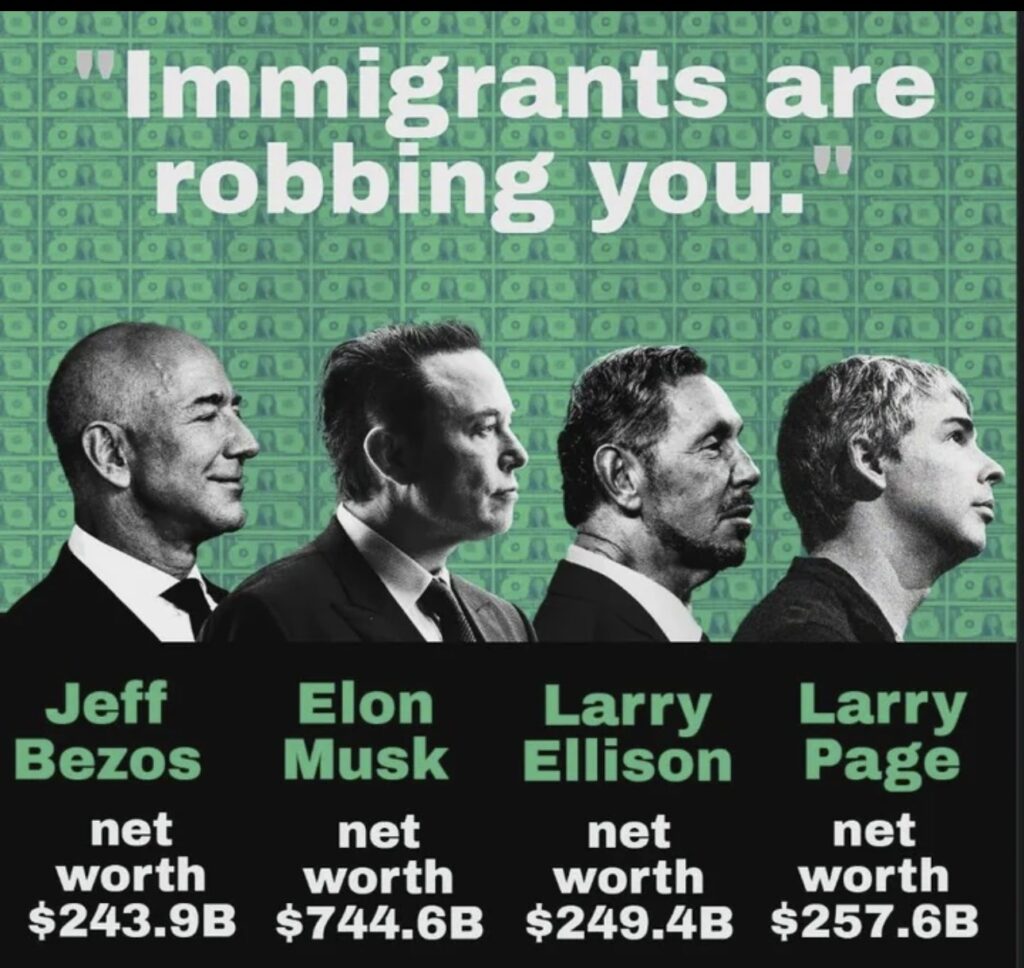
Alongside Ellison, Adelson exemplifies the “Zionist oligarch” class: individuals whose immense wealth and political access enable them to shape both policy and public discourse. Their influence ensures that the administration’s domestic crackdown and unwavering support for Israel’s war effort are mutually reinforcing priorities.
Conclusion: A Chilling Effect on Speech and Solidarity
The combined force of social media censorship, law enforcement targeting, and donor-driven political pressure creates a profound chilling effect. It tells activists, students, and ordinary citizens that speaking out about Gaza may cost them their platform, their liberty, or their safety. This campaign is not merely about policing speech; it is about controlling the narrative of a conflict that has drawn global condemnation and securing impunity for actions that many legal scholars and human rights organizations label as ethnic cleansing and genocide.
The fight for the right to bear witness to Gaza’s suffering has thus become a frontline battle for free speech itself—one being waged against a powerful alliance of wealth, political power, and ideological fervor.