
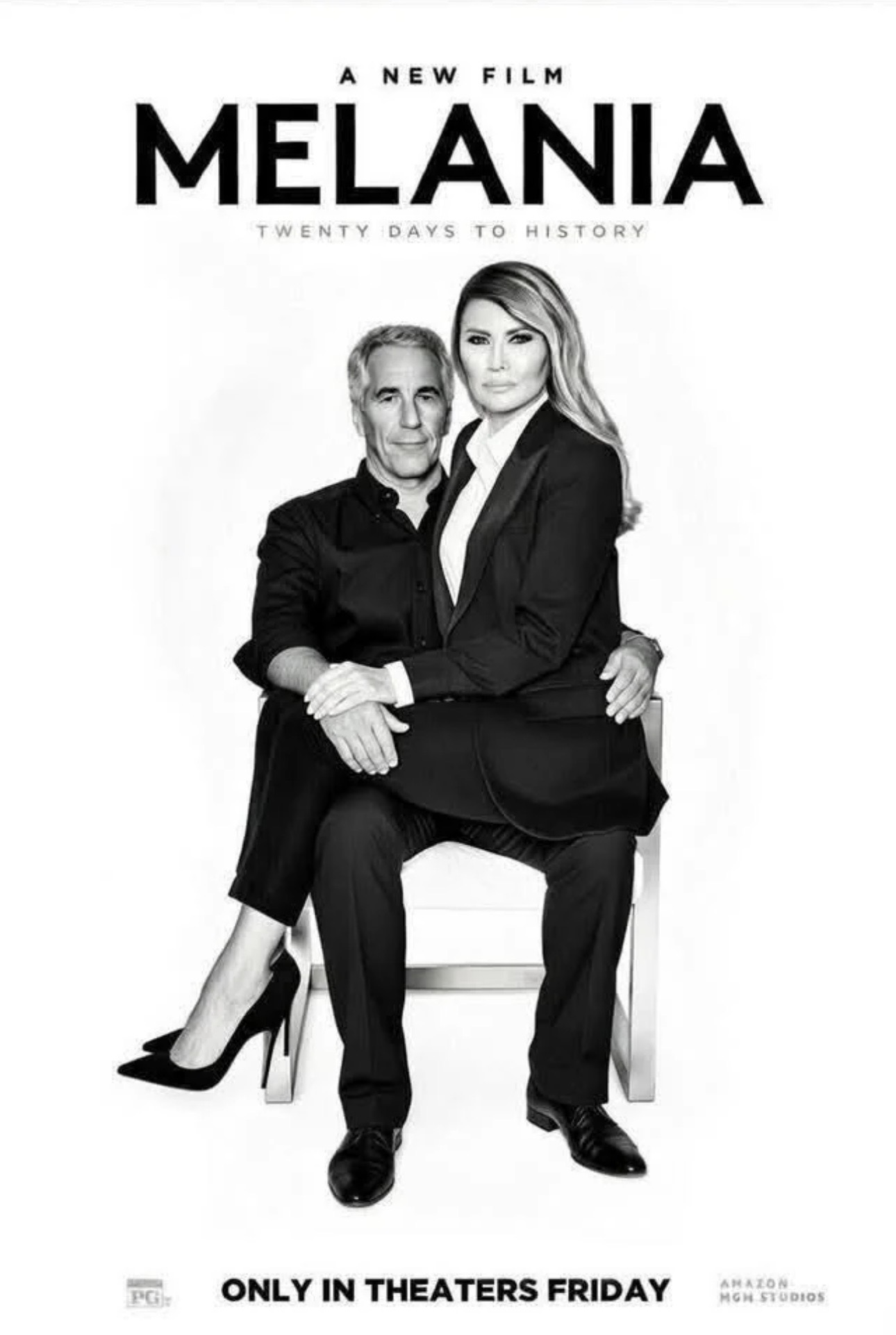
In a cultural moment defined by the slow, controversial drip of Jeffrey Epstein-related documents, First Lady Melania Trump has offered the public a different kind of release: a $40 million documentary about herself. “Melania,” which hits theaters today, promises an “intimate chronicle” of the twenty days before her husband’s second inauguration. Critics and audiences, however, seem more preoccupied with the files detailing Donald Trump’s travels on Epstein’s private jet than with Melania’s travel schedule to the White House.
A Production Steeped in Elegance and Controversy
The film, distributed by Amazon MGM Studios, is less a journalistic documentary and more a state-sanctioned portrait, with Melania Trump holding full editorial control over aspects from the trailer to the music selection. The project marks a Hollywood comeback for director Brett Ratner, who hadn’t directed a film since numerous women accused him of sexual misconduct in 2017.
The business details are as notable as the artistic ones:
· Record-Breaking Deal: Amazon paid approximately $40 million to license the film—reportedly the highest price ever for a documentary.
· First Lady’s Payday: Melania Trump stands to earn an estimated $28 million from the project.
· Internal Resistance: The production faced behind-the-scenes strife, with two-thirds of the New York crew requesting to be excluded from the film’s credits.
The Epstein-Shaped Elephant in the Theater
The film’s lavish premiere at the Kennedy Center and a VIP White House screening could not escape the shadow of the ongoing Epstein document releases. As the First Lady promoted her carefully curated image, new files confirmed old connections.
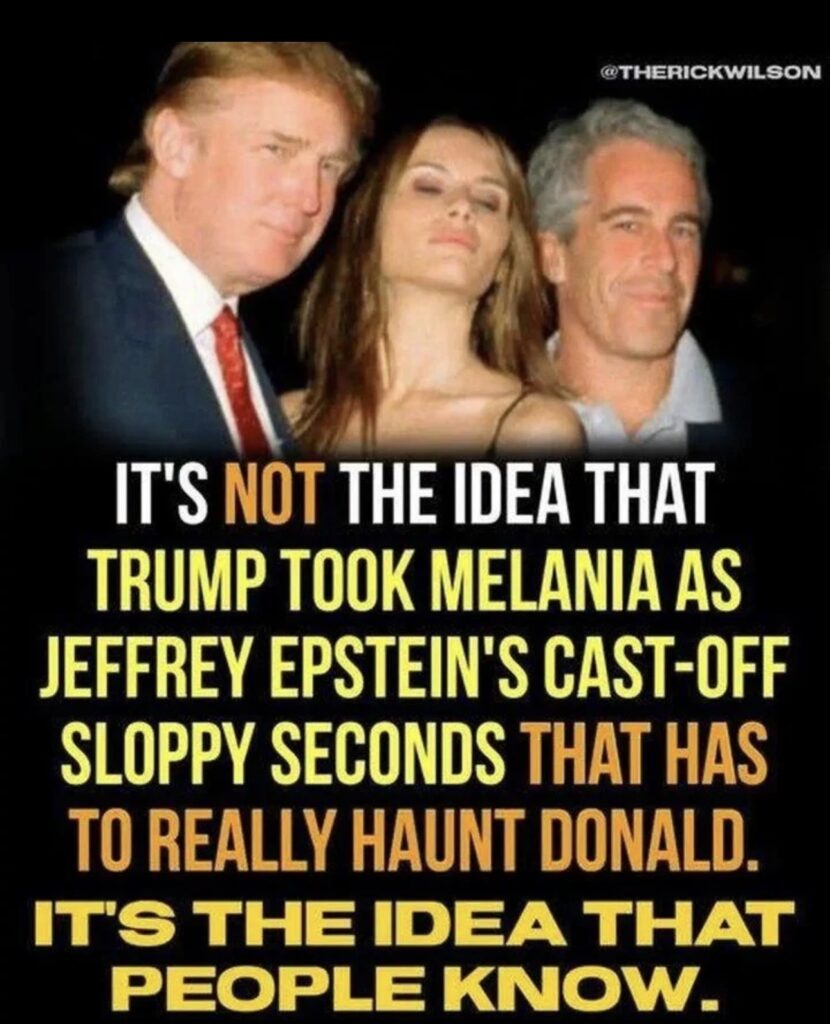
Key details from the Epstein files include:
· President Trump is mentioned frequently in the documents, stemming from a decades-long friendship with Epstein before a falling out in the early 2000s.
· A prosecutor’s email notes that flight records show Trump flew on Epstein’s private jet “many more times than previously has been reported”.
· Logs detail at least eight flights Trump took on the plane between 1993 and 1996, sometimes with Epstein’s accomplice Ghislaine Maxwell also on board.
· The Justice Department has stated that Trump has not been credibly accused of wrongdoing in connection to Epstein’s crimes, and that some released documents contain “untrue and sensationalist claims”.
The controversy spilled over directly when Hunter Biden claimed in an interview that Epstein introduced Melania to Donald Trump—a claim for which Melania Trump has threatened to sue him for over $1 billion. A spokesperson for the First Lady stated her attorneys are “actively ensuring immediate retractions and apologies” for such “defamatory falsehoods”.
A Box Office “Sensation” in the Making?
If the goal was to reshape public perception, early indicators suggest a rocky start. Ahead of the release, social media was flooded with images of virtually empty theater seat maps for opening weekend showings, starkly contradicting Donald Trump’s online claim that the film was “Selling out, FAST!”.

Early Reception Indicators:
· Ticketing Trends: Major theater chains reported “soft” sales, with some showings selling zero tickets days before release.
· Critical Suspicion: Documentary filmmakers have criticized the project’s lack of journalistic integrity due to Melania’s editorial control.
· Global Hesitance: The film’s distributor in South Africa canceled its release entirely.

The film’s performance is now a subplot in a larger political drama. The Epstein Files Transparency Act, passed in November, demanded the release of documents, but the Justice Department has missed deadlines, releasing files in a slow, heavily redacted trickle that has satisfied no one and fueled conspiracy theories from all sides. President Trump, who once promised transparency, has recently downplayed the files’ significance and suggested the focus should shift to releasing names of Democrats.

In the end, “Melania” may be remembered less for its contents and more as a surreal artifact of its time—a meticulously controlled self-tribute playing out as a separate, far messier dossier of connections and questions continues to unfold in the public sphere. It’s a high-production-value distraction in a political climate where the demand is for answers, not access.