
As the 2026 FIFA World Cup approaches, the tournament finds itself at the center of an international geopolitical storm. U.S. President Donald Trump’s pursuit of Greenland and his administration’s broader foreign policy have sparked a growing global movement calling for teams and fans to boycott the event. This has placed FIFA, its president Gianni Infantino, and the very ideal of separating sports from politics under unprecedented pressure.
The Spark: Trump’s Geopolitical Ambitions
The calls for boycott are rooted in two primary geopolitical controversies involving the Trump administration in early 2026:
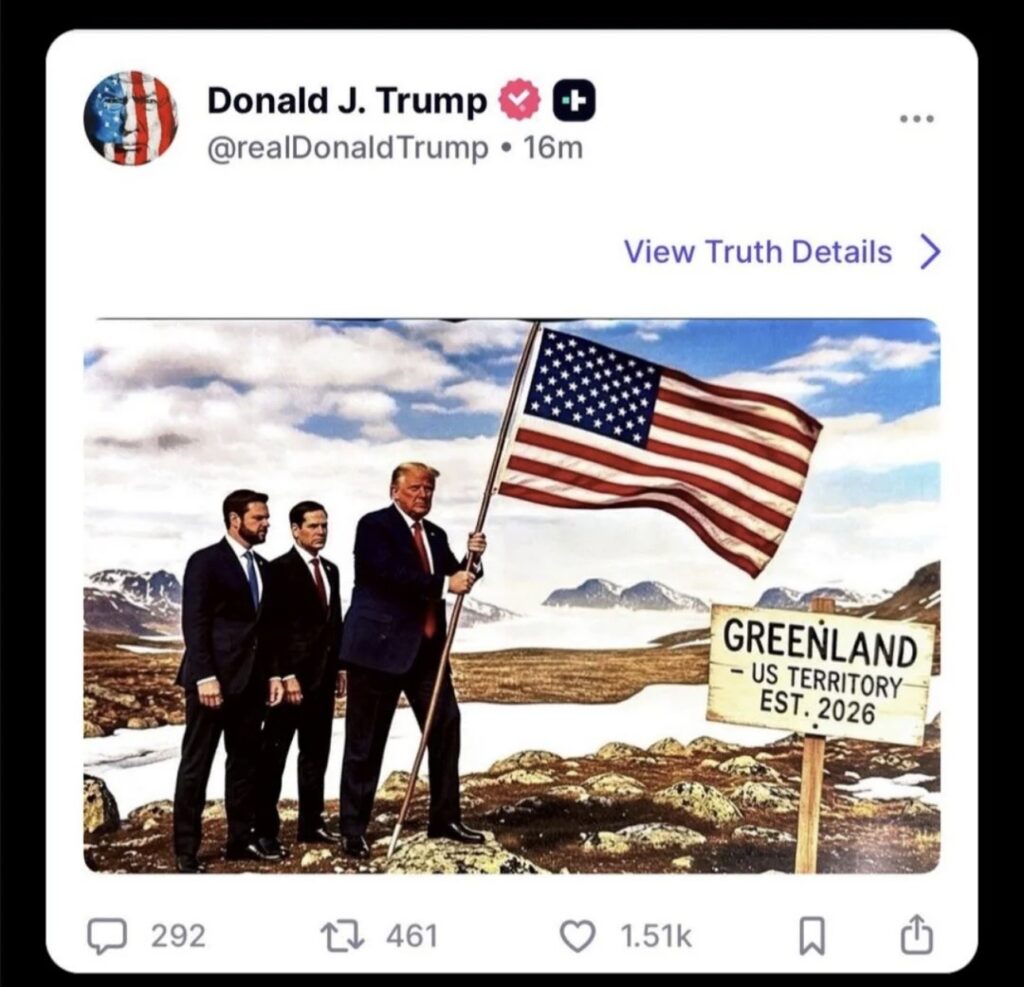
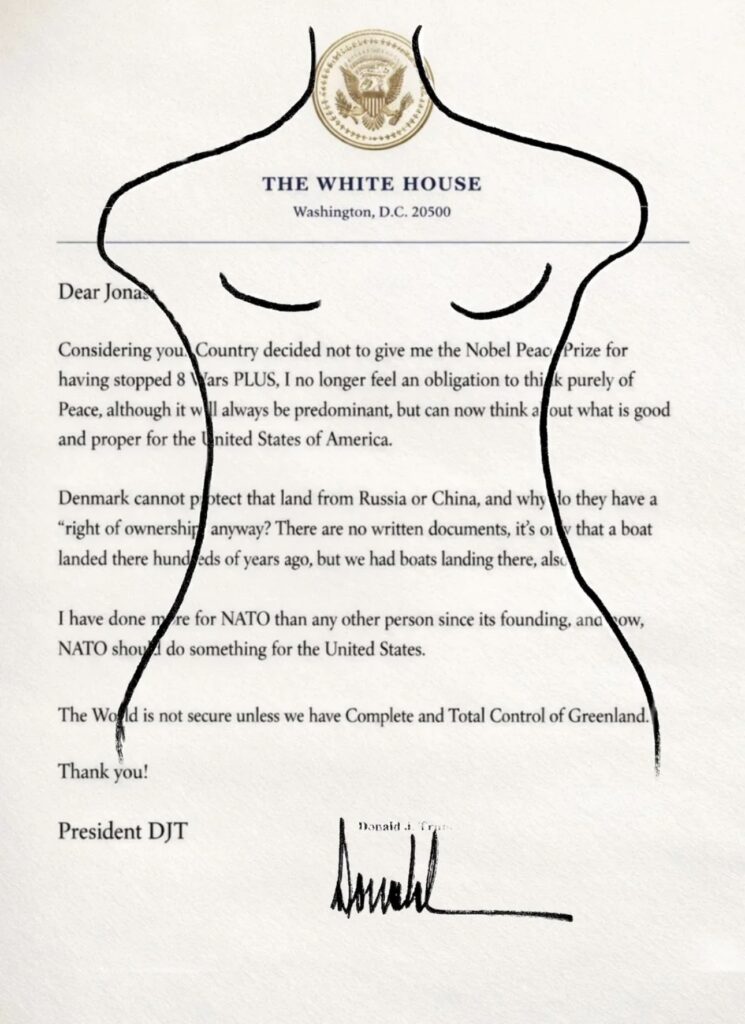
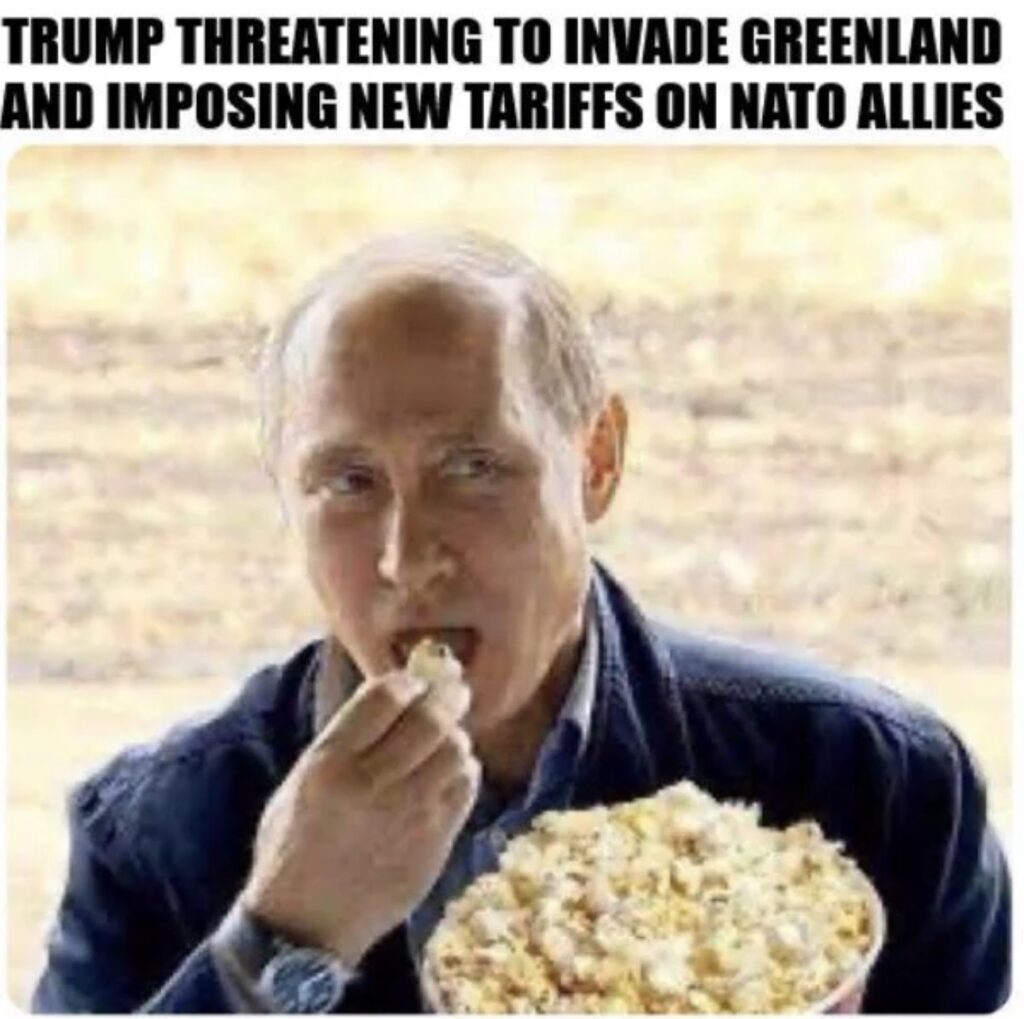
· The Greenland Controversy: President Trump has publicly and repeatedly expressed his desire for the United States to acquire Greenland, an autonomous territory of Denmark. He frames this as a national security necessity for controlling the Arctic and its vast mineral resources. While he has stated he “won’t use force,” he has told Denmark they can “say yes… or say no and we will remember”. This stance toward a NATO ally has caused significant diplomatic offense in Europe.
· Military Actions and Threats: Beyond Greenland, the U.S. administration has taken military action in Venezuela, capturing its president, Nicolás Maduro. Trump has also made threatening statements toward Colombia, Cuba, and Mexico, accusing them of insufficient action on drug trafficking. A group of British MPs described these as “repeated veiled and overt threats” that “undermine the rules-based international order”.
These actions have led to a motion in the UK Parliament, signed by 26 politicians across multiple parties, calling on international sporting bodies to consider expelling the U.S. from major competitions until it demonstrates “clear compliance with international law and respect for the sovereignty of other nations”.
Who is Calling for a Boycott?
The pressure is coming from multiple directions, though official government boycotts have not yet materialized.
European Political Voices
In Europe, the idea of a boycott has moved from online petitions to serious political discussion. In Germany, Jürgen Hardt, a foreign policy spokesperson for the Christian Democratic Union party, suggested a tournament cancellation could be a “last resort” to change Trump’s mind on Greenland. In France, left-wing politician Éric Coquerel questioned whether it was right to play in a country that “attacks its ‘neighbors,’ threatens to invade Greenland, [and] undermines international law”.
Football Federations and Governing Bodies
European football officials are reportedly “very concerned” about the potential impact. The European Democratic Party (EDP) has warned it may ask national federations to consider pulling out if safety guarantees for European visitors are not provided, citing concerns about U.S. Immigration and Customs Enforcement (ICE) practices.
Fan Groups and Public Sentiment
Among fans, sentiment is mixed. Some call for boycott on social media, arguing that attending the World Cup would normalize and legitimize policies they oppose. Others, like a Senegalese fan, worry about whether supporters from countries affected by U.S. travel bans will be welcome at all.
The Official Stance: Governments and FIFA Respond
Despite the noise, official positions from governments and FIFA have been cautious.
Governments: No Formal Boycott… For Now
France’s Sports Minister, Marina Ferrari, stated clearly: “As it stands now, there is no desire from the ministry for a boycott of this great competition”. She emphasized a belief in keeping sport separate from politics. This reflects a broader hesitation; governments recognize that boycotts primarily punish athletes and are often ineffective.
FIFA’s Delicate Balancing Act
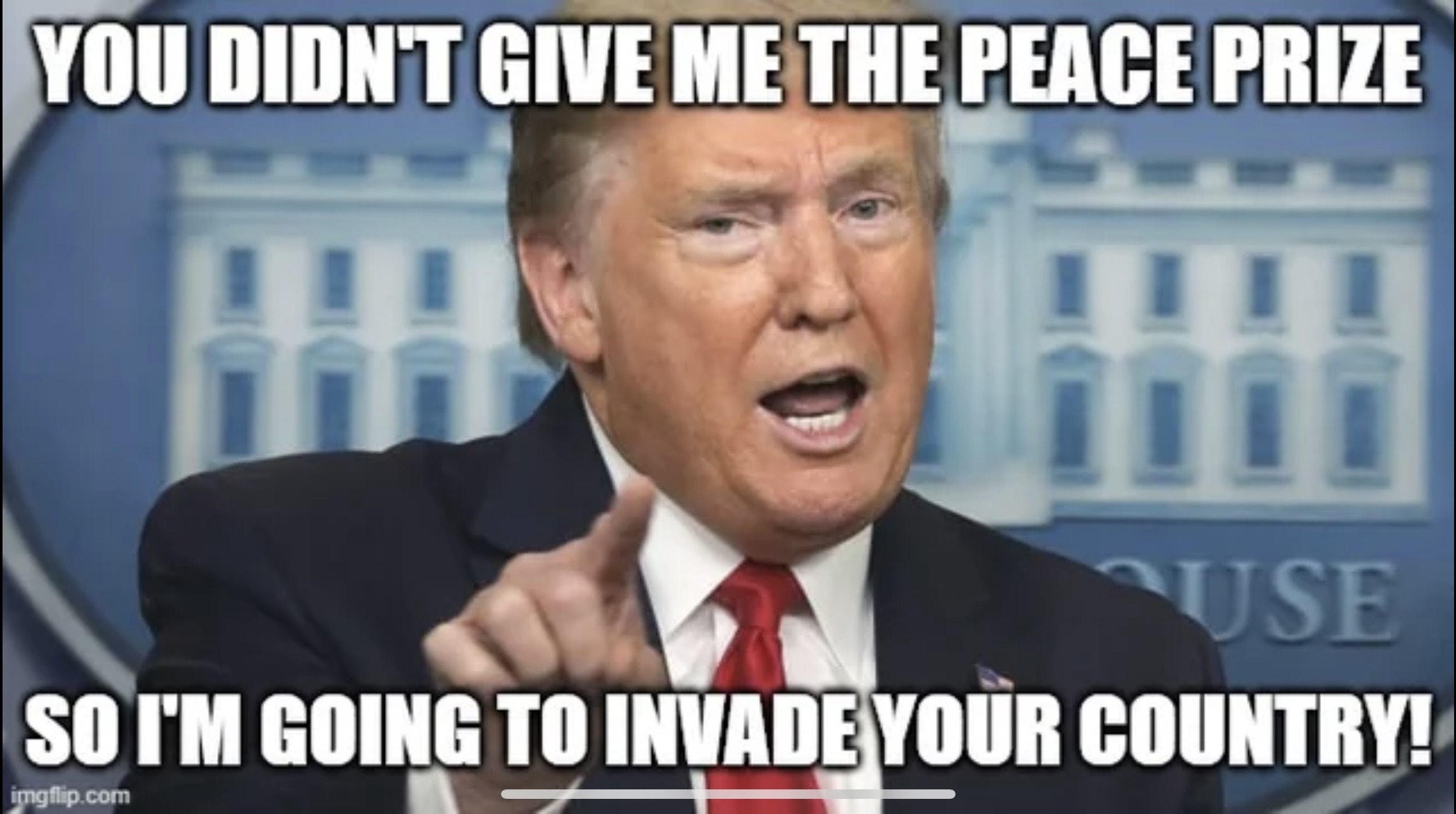
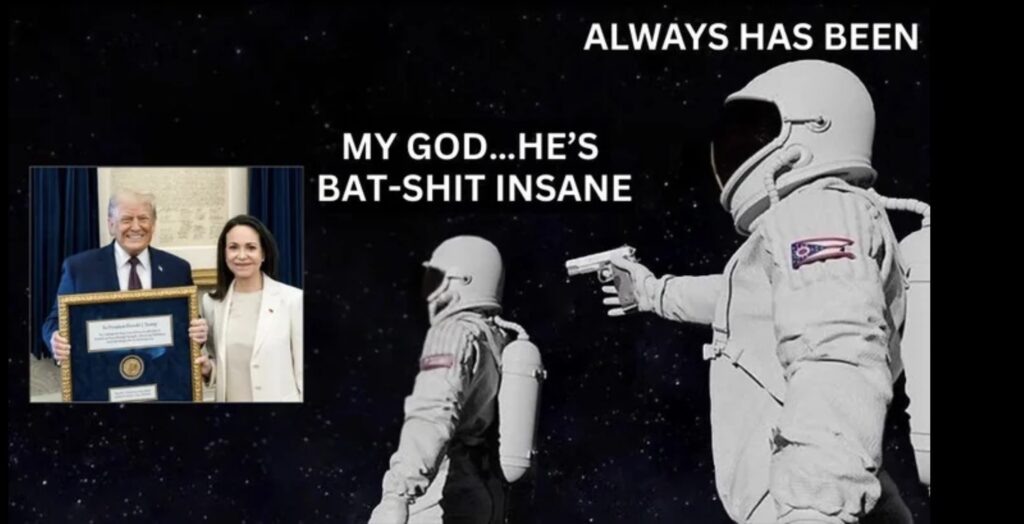
FIFA finds itself in an exceptionally awkward position. The organization has cultivated a close relationship with the Trump administration. Most notably, FIFA President Gianni Infantino awarded Trump FIFA’s inaugural “Peace Prize” in late 2025, citing his role in brokering an Israel-Palestine ceasefire. This move was widely criticized as sycophantic and politically motivated.
FIFA’s official line is neutrality. The organization states that as a sports governing body, it “cannot solve geopolitical problems”. However, critics point to the stark inconsistency in FIFA’s application of principles. After Russia invaded Ukraine in 2022, Russian teams were banned from international competition. This precedent makes it difficult for FIFA to ignore calls for similar accountability regarding U.S. actions against the sovereignty of other nations.
Practical Challenges: Travel Bans and Safety Concerns
Beyond the political debate, concrete policy issues threaten to disrupt the tournament:
Travel Restrictions
The Trump administration maintains travel bans affecting citizens from several qualified World Cup nations, including Iran and Haiti. While players and official delegations are likely to receive exemptions, ordinary fans may be barred from entering the U.S. to support their teams. A special visa program for ticket holders exists, but uncertainty remains.
Security and Civil Unrest
Domestic U.S. policies are also causing concern. Reports of aggressive ICE raids and civil unrest, such as the shooting of a woman by an immigration agent in Minneapolis, have raised questions about the safety and welcome that foreign tourists can expect. The EDP has pointed to such incidents as indicators of a poor “operational climate” for a global event.
The Stakes and Potential Outcomes
The 2026 World Cup is a monumental project for FIFA and the host nations. The White House has established a dedicated task force, projecting the event will generate $47.6 billion in economic output and create over 290,000 jobs in the U.S. alone. A successful boycott by major European football powers would devastate these plans, creating what one analyst called “the most ruinous” scenario in FIFA’s history.
The most likely outcome remains a tournament that proceeds under a cloud of controversy, with potential symbolic protests rather than a full-scale boycott. However, the situation remains fluid. As one veteran sports advisor noted, FIFA and the International Olympic Committee (which faces a similar dilemma with the 2028 Los Angeles Olympics) are heading toward “one almighty headache”. The fundamental tension is clear: can a global sports spectacle truly remain neutral when the host nation is actively reshaping the geopolitical landscape in ways that many of its participants find deeply objectionable?
The 2026 World Cup is becoming more than a football tournament; it is turning into a high-profile test of whether international sport can withstand the pressures of modern geopolitical conflict. All eyes are now on European capitals and FIFA’s headquarters, waiting to see if the beautiful game can stay on the field, or if it will be dragged into a much larger and more contentious world arena.
Based on reporting as of January 22, 2026. The geopolitical situation and related boycott discussions remain dynamic.