
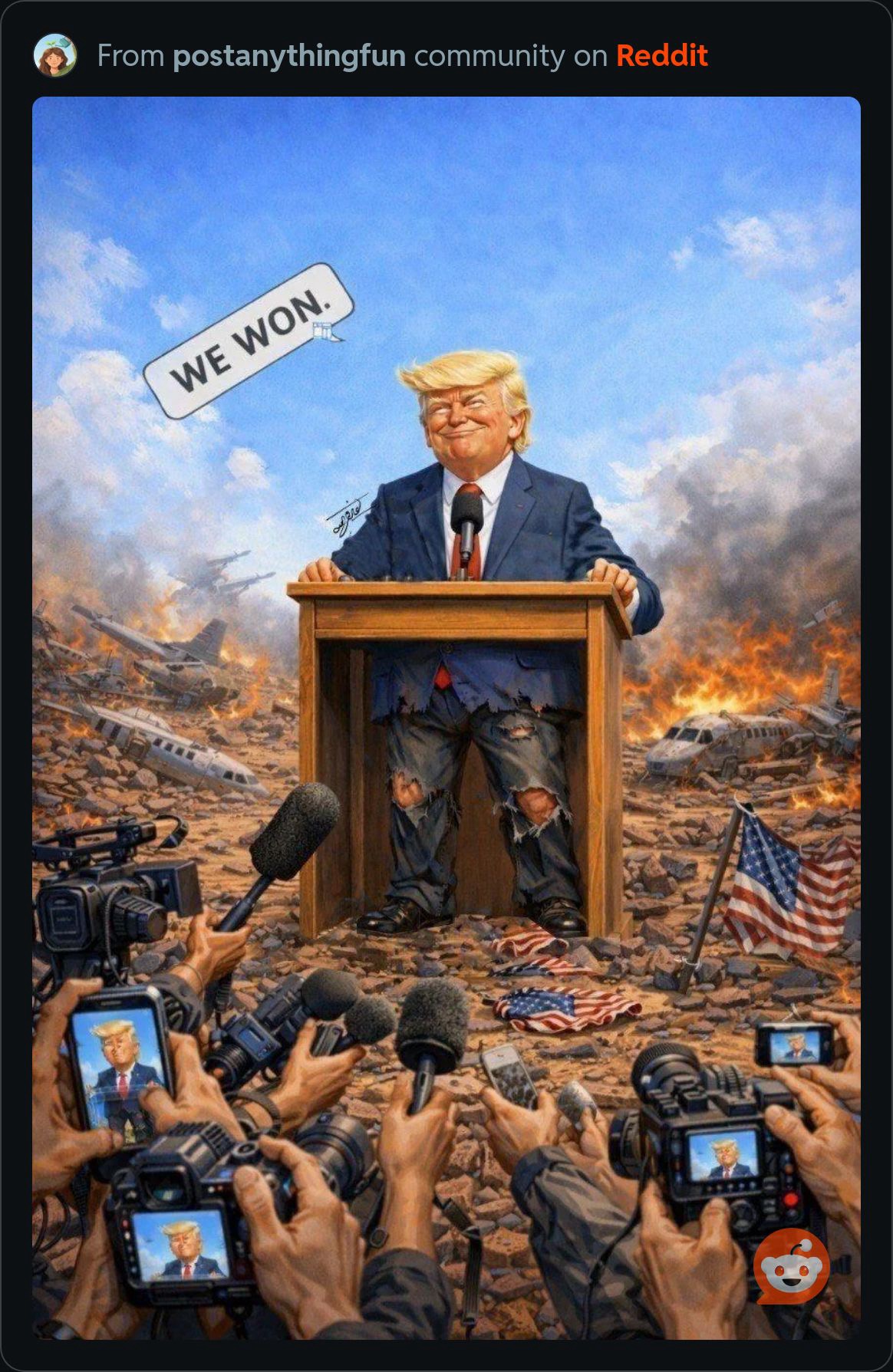
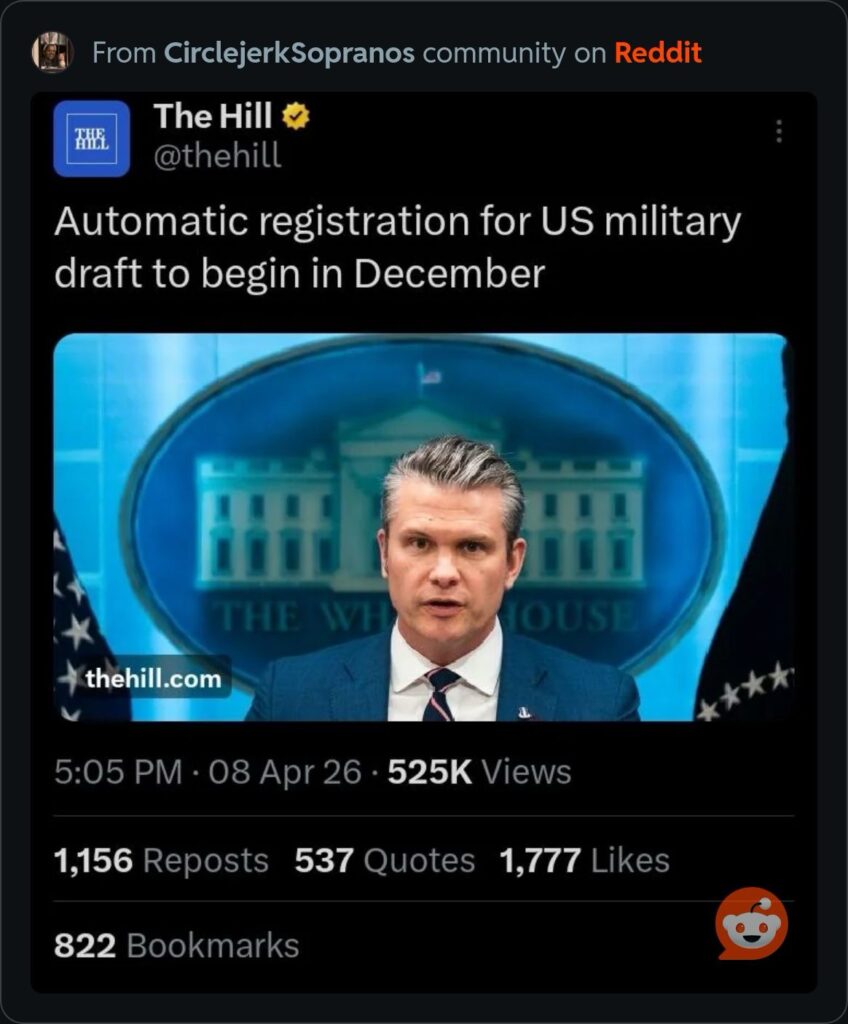
So here we are. In a move that surprised absolutely no one with a functional memory, the White House announced this week that the United States will begin automatically registering young men for the military draft starting December 2026. The new system, signed into law by President Donald Trump, will auto-enroll all eligible males aged 18 to 26 in the Selective Service pool. According to the administration, it’s a routine “workforce realignment” to streamline compliance. White House Press Secretary Karoline Leavitt, perhaps inadvertently auditioning for a role in a dystopian Netflix series, stated that while a draft isn’t in the current plan, the President “wisely keeps his options on the table.”
It’s a policy that demands we take a long, hard look at the man holding the pen—a man whose personal history with military service can best be described as “aggressively absent.” This is the story of how the most famous draft dodger since the Vietnam era is now setting the table for your son to go to war.
The Case of the Miraculous Heels
To understand the breathtaking audacity of this moment, we must travel back to 1968. The Vietnam War was raging, and a young, athletically-inclined Donald J. Trump was facing the prospect of conscription. He had already burned through four student deferments, a common luxury for the college-bound sons of privilege. As his graduation from the University of Pennsylvania loomed, the clock was ticking. He was about to become eligible for the draft, and his number was 356 out of 365—a lottery pick so low it practically guaranteed he would be called.
Then, a miracle occurred. A diagnosis: bone spurs in his heels. Trump has described them as a “temporary” and “minor” malady, yet they were apparently severe enough to disqualify him from military service. There are, however, a few details that complicate this tidy narrative.
First, the doctor who provided the diagnosis was a Queens podiatrist named Larry Braunstein, who happened to rent office space from Trump’s wealthy father, Fred. Decades later, the doctor’s daughter, Elysa Braunstein, cut through the pretense. “I know it was a favor,” she told The New York Times. “What he got was access to Fred Trump”. It was a diagnosis born not of medical necessity, but of real estate leverage.
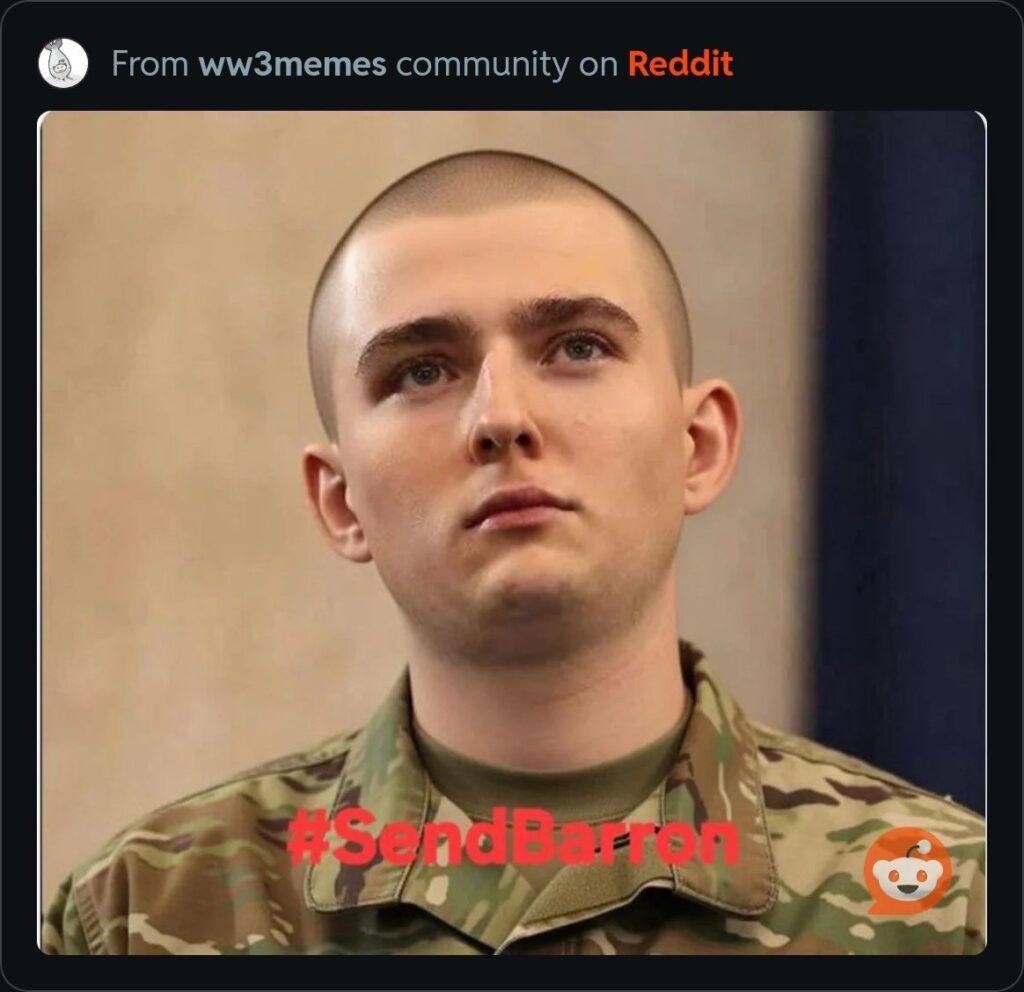
Second, Trump’s own actions paint a rather inconsistent picture. Photographs exist of him as a “smiling teenage cadet” at the New York Military Academy, looking robust and entirely capable. And let’s not forget his infamous 1997 confession to Howard Stern, where he described his wild, promiscuous bachelor years as his “personal Vietnam” and himself as a “great and very brave soldier.” It was a disgusting metaphor that spat on the 58,000 Americans who actually died in that jungle.
For his successful efforts in avoiding service, Trump has been awarded the unofficial, but nonetheless sticky, nickname: “Cadet Bone Spurs.” It’s a title he wears alongside his other achievements, like calling fallen soldiers “suckers” and “losers.” Meanwhile, he has shown no hesitation in labeling himself a “war hero” for ordering airstrikes from the comfort of the White House Situation Room. One can only imagine the scene: a stern-faced commander, his feet propped up on the Resolute Desk, massaging those famous heels, and declaring victory.
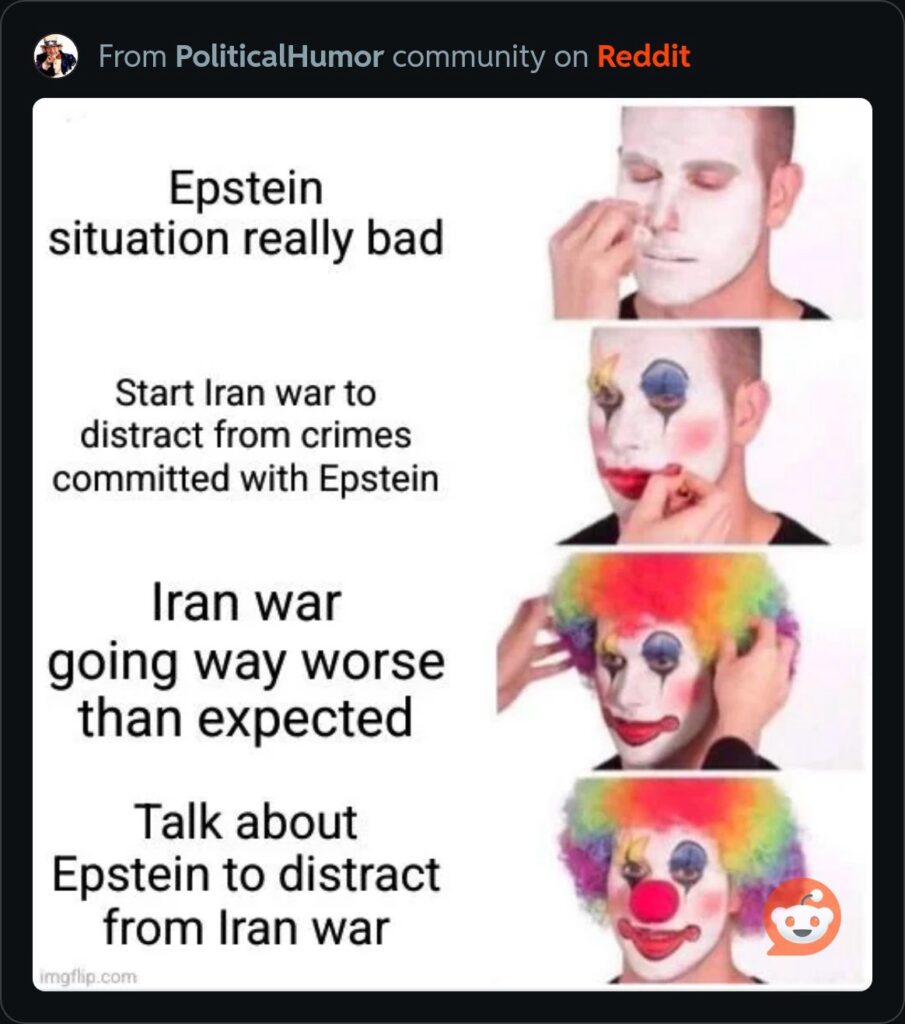
For Thee, But Not for Me
And now, this same man—who utilized every loophole, family connection, and questionable diagnosis available to a wealthy young man in the 1960s—has signed into law a policy that effectively makes it harder for the young men of 2026 to follow his own path of “service.”
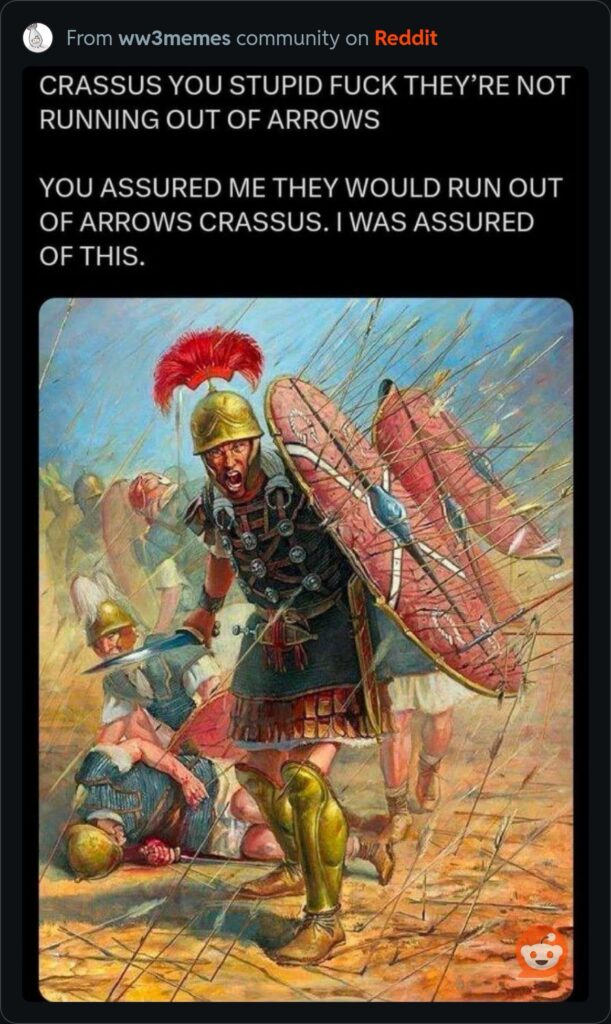
The contrast is not just hypocrisy; it’s a political cartoon come to life. The man who famously couldn’t remember which foot had the spur is now ensuring your son can’t forget to register. The man whose father bought him a doctor’s note has decided that for the rest of you, the process must be automatic, seamless, and mandatory.
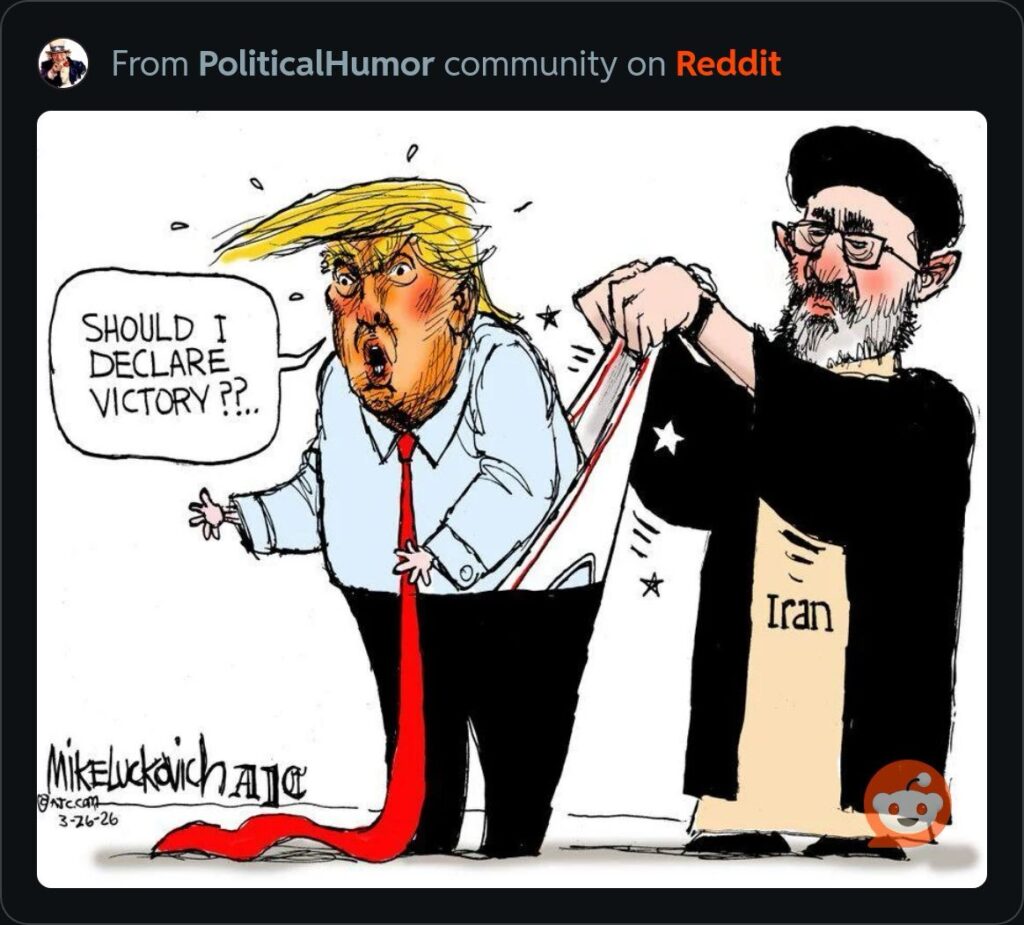
The new rule, tucked into the 2025 National Defense Authorization Act, is being sold as an efficiency measure. Compliance has dropped to around 81%, and the government is tired of paying for ad campaigns. The proposed fix? Integrate federal databases to auto-enroll young men, punishing failure to register with up to five years in prison or a $250,000 fine. It’s a convenient solution that closes the very compliance gap Trump himself exploited.
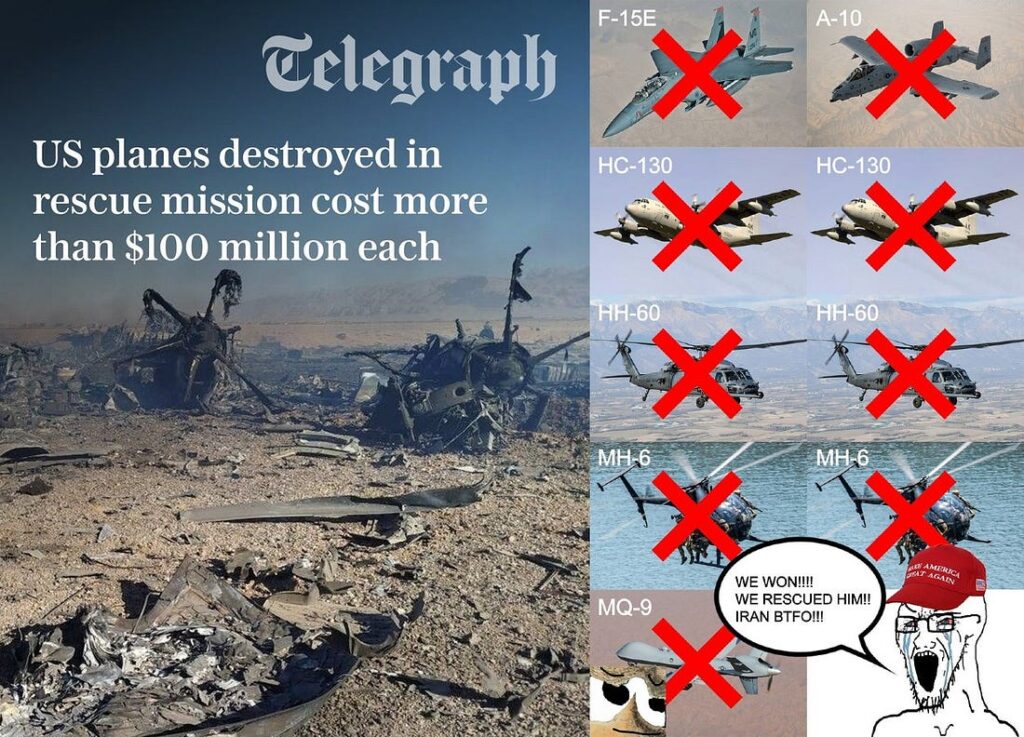
This is the ultimate flex of the armchair general: making sure everyone else’s paperwork is in order for a war they never chose. As veterans and critics have long pointed out, Trump’s “service” has been limited to attacking those who actually served, like the late Senator John McCain, a man who endured five years of torture in a North Vietnamese prison. Senator McCain, with a grace Trump has never possessed, put it best when he said, “The highest income level found a doctor that would say they had a bone spur.”
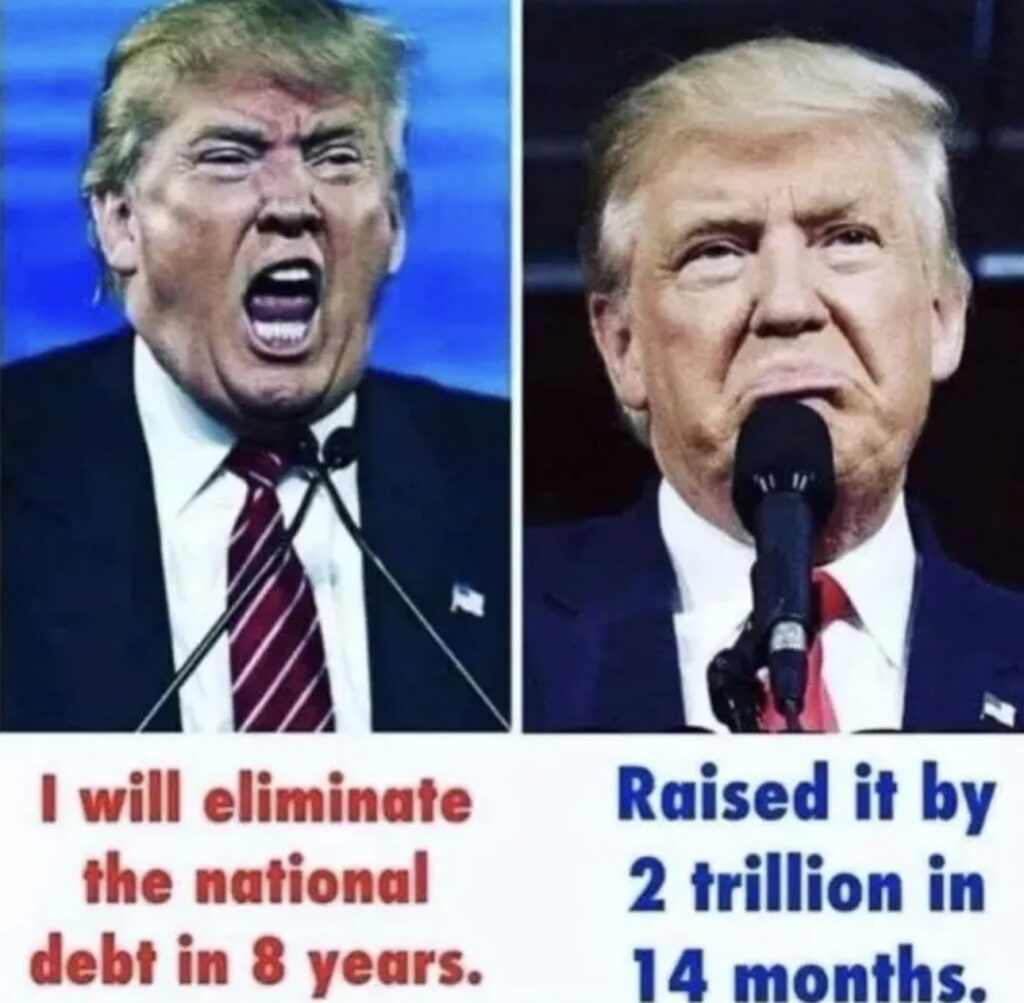
So, as December 2026 approaches and the Selective Service System prepares to cast its wide net, remember who is holding the net. The man at the helm isn’t a general or a patriot. He’s a former cadet with a bogus foot injury, a man who found his own war too inconvenient to fight, but who has no problem signing you up for his. It would be funny if the stakes weren’t so terrifyingly real.
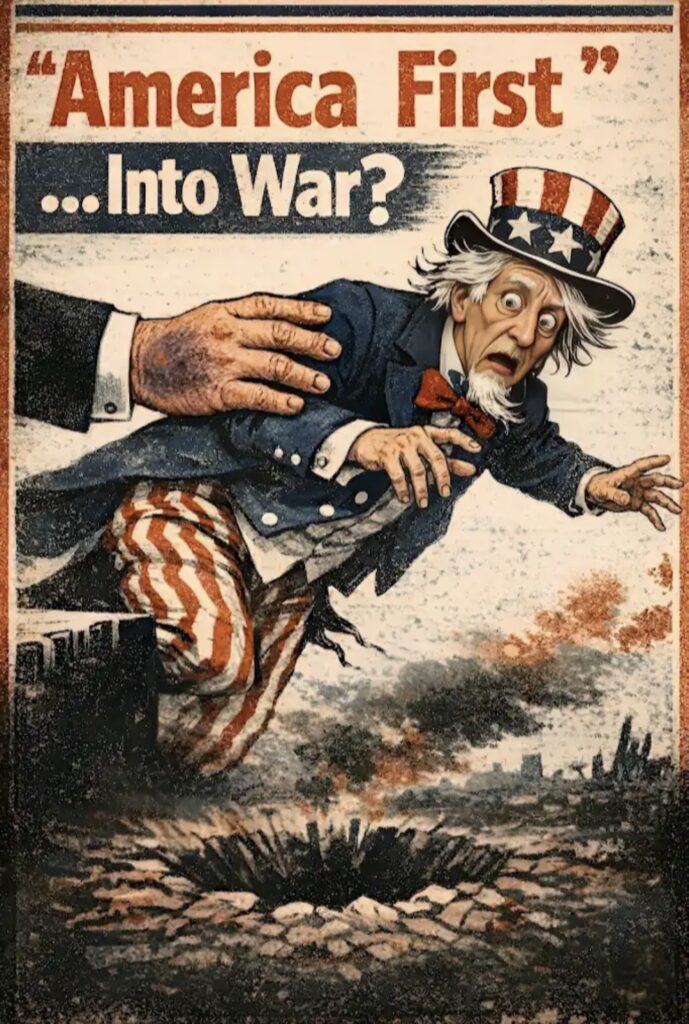
Cadet Bone Spurs sends his regards.