
In what is rapidly becoming the most controversial military fiasco of his administration, newly revealed intelligence suggests that a recent high-stakes rescue mission inside Iran was a cover for a failed operation to seize nearly 1,000 pounds of enriched uranium.
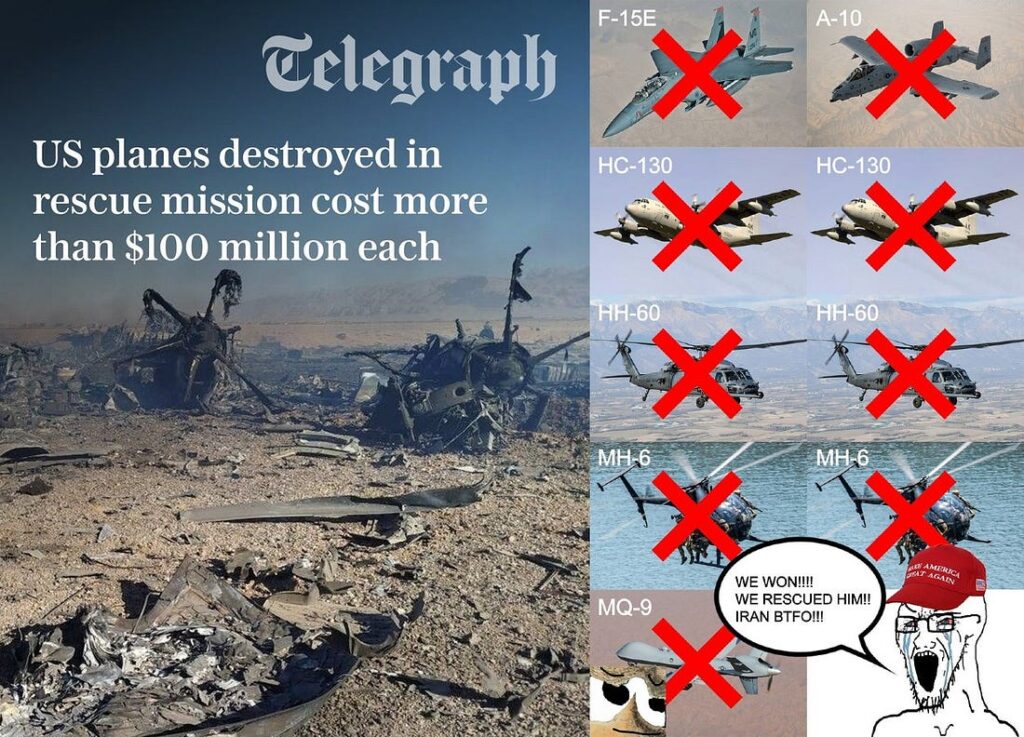
What President Donald Trump hailed as “one of the most daring search and rescue operations in US history” is being framed by military insiders and Iranian officials as a catastrophic failure—one that left American equipment in ruins and exposed the limits of US military intelligence in the region.
Here is the untold story of the operation that wasn’t supposed to fail.
The “Rescue” That Wasn’t
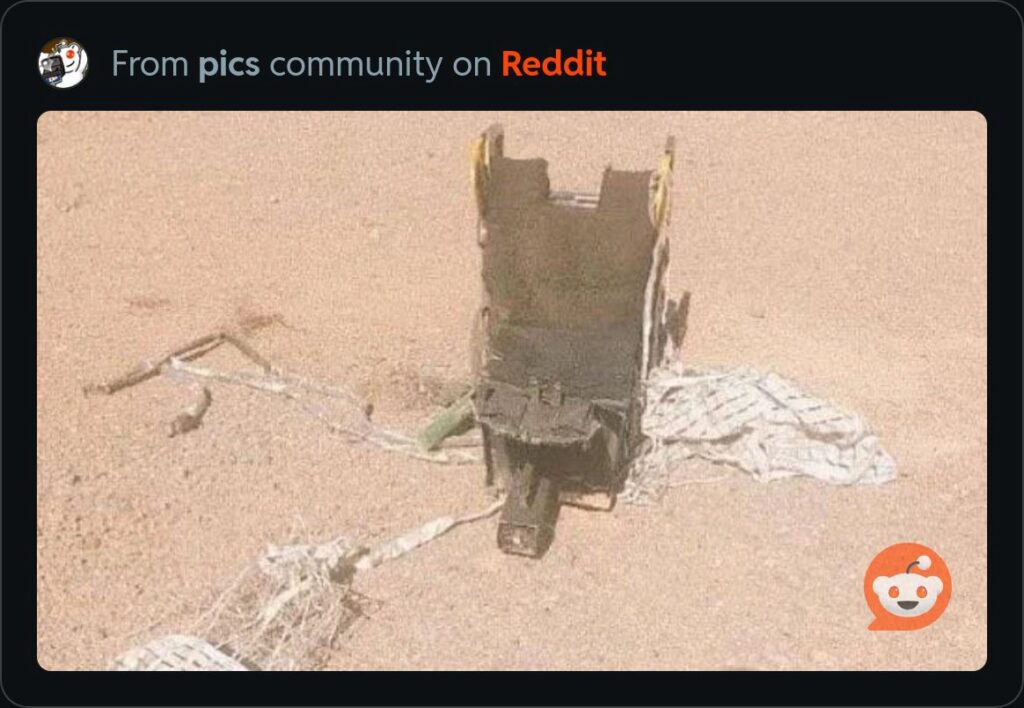
The official narrative released by the White House last week was straightforward: On Friday, an F-15E Strike Eagle was shot down over the mountainous Kohgiluyeh and Boyer-Ahmad province in southwestern Iran. While the pilot was rescued almost immediately, the Weapon Systems Officer (WSO)—a colonel—was missing. For 48 hours, Iran offered rewards for his capture.
Then, early Sunday morning, Trump announced victory. “WE GOT HIM!” he posted on Truth Social, claiming that hundreds of special operations troops, including Navy SEAL Team 6, had extracted the airman under fire.

However, reports emerging from the Pentagon and international media paint a vastly different picture of what actually happened on the ground.
Sources indicate that the “rescue” was merely Phase Two of a much larger, covert objective codenamed “Operation Epic Fury” . The primary goal, allegedly authorized by Trump himself, was not the retrieval of a single soldier, but the physical theft of Iran’s stockpile of high-concentration uranium.
The “Heist” Blueprint
According to reports from The Washington Post and The Wall Street Journal, Trump had been briefed on a “very complex” plan to seize approximately 1,000 pounds of uranium—enough material, according to the IAEA, to construct up to ten nuclear weapons.
The target was the Isfahan nuclear facility, where high-level uranium (enriched up to 60%) is believed to be buried in deep tunnels and storage bunkers. The plan, as described by defense officials, was logistical madness:

· Deep Excavation: The uranium is buried under hundreds of feet of rock, concrete, and debris left by previous US airstrikes. Retrieving it required heavy mining equipment.
· Temporary Runways: Military engineers would have to land in hostile territory, secure a perimeter, and build a runway to fly the heavy material out.
· Nuclear Specialists: Elite units trained in radioactive material extraction—units that “only a few dozen” soldiers are qualified for—would have to handle the toxic “scuba tank” containers.
Former officials called it “the most complex special operation since the Cold War” and warned Trump that “casualties are almost certain”.
“I Don’t Care About That”
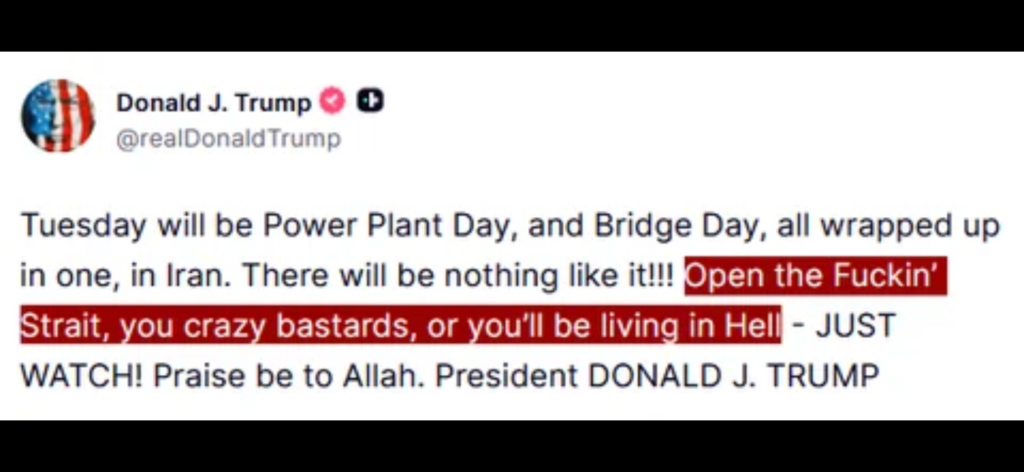
In a bizarre twist that has left Pentagon officials furious, Trump seemed to have second thoughts almost immediately. Just days before the mission, Trump told Reuters that he didn’t actually care about the uranium.
“It’s buried so deep, I don’t care about that,” Trump said, adding that the US would simply “watch it by satellite”.

Yet, the operation proceeded. Or at least, part of it did.
The Disaster Unfolds
As the “rescue” mission launched, things fell apart. Iranian military spokesman Ebrahim Zolfaghari claimed that the operation was “completely foiled,” stating that US forces attempted to use an abandoned airport in southern Isfahan as a staging ground for the uranium heist.
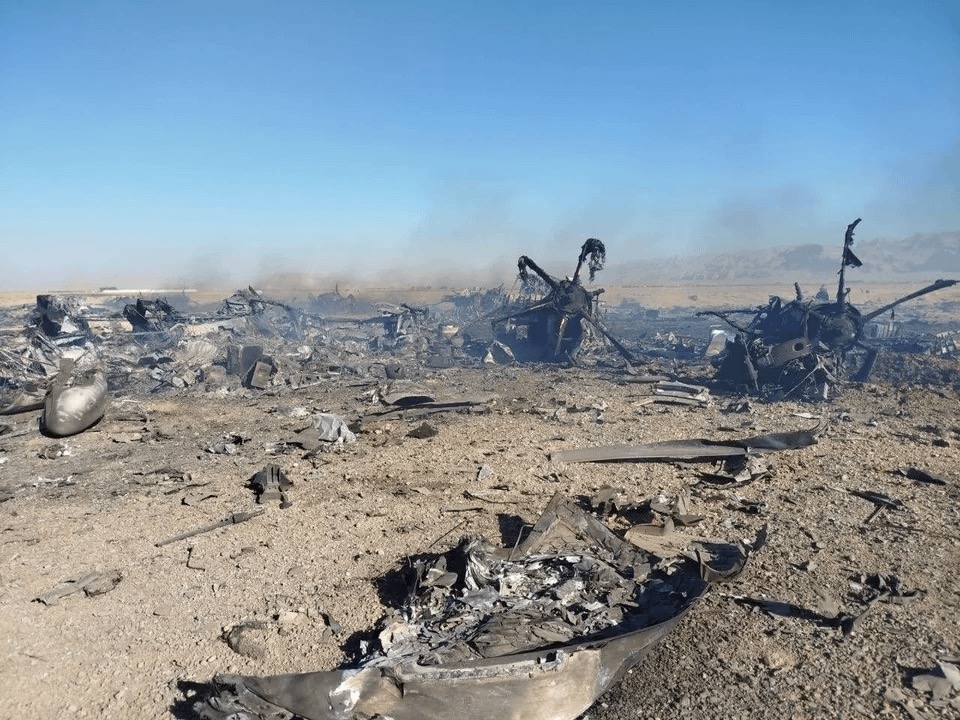
Iranian state television broadcast footage of burning wreckage, claiming that two C-130 transport planes and two Black Hawk helicopters were destroyed. While the US has not confirmed the number of losses, multiple reports acknowledge that US forces were forced to destroy their own aircraft on the ground to prevent them from falling into Iranian hands.

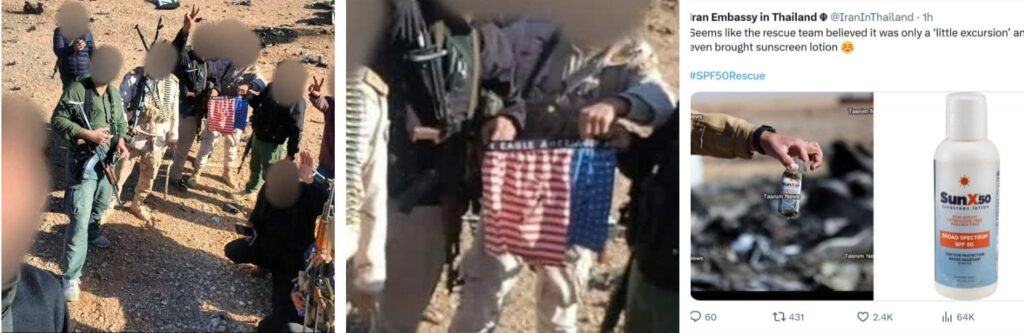
“It was chaos,” one source told a Western outlet. “The extraction team landed, but they couldn’t get the heavy equipment in. The Iranians were converging on the position. They had to blow the planes up and run.”
Even Trump’s narrative of a “clean” rescue is disputed. While the US claims the airman is safe, Iran insists the “deception mission” failed, and that the “reality on the ground demonstrates the superior position of Iran’s armed forces”.
The Fallout
So, did the US actually retrieve the uranium? All evidence suggests no. The deep tunnels of Isfahan remain unbreached, and the stockpile remains in Iranian hands.
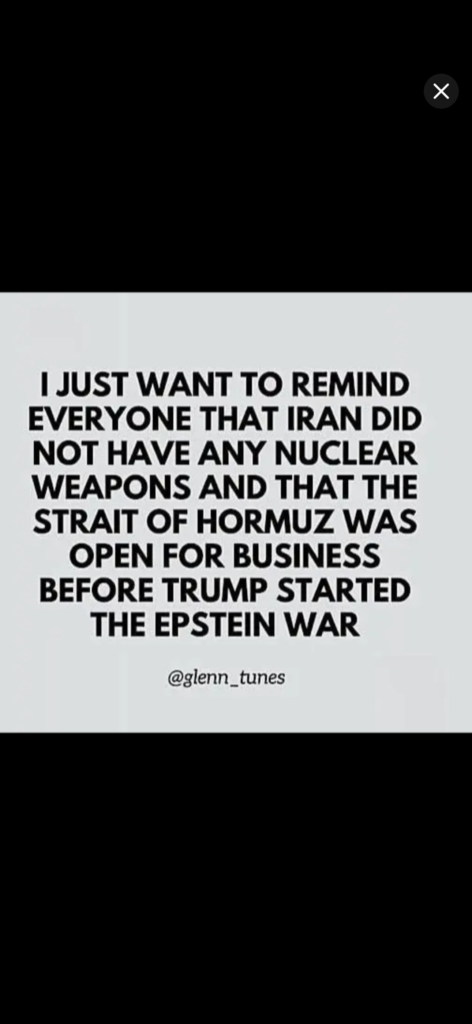
In the aftermath, Trump has shifted his tone, focusing entirely on the rescue of the pilot and ignoring the mission’s primary objective. Meanwhile, the US continues to pound Iranian ammunition depots with 2,000-pound bunker-buster bombs in a desperate attempt to destroy what they could not steal.
The operation, which experts warned would take “weeks” and require “temporary occupation,” collapsed in a single night of fire and retreat.

This raises a terrifying question for the future: If the US cannot extract Iran’s uranium by force, and Iran refuses to give it up, how far is Washington willing to go to stop a nuclear Iran? For now, the only thing buried in the rubble of Isfahan is American credibility.