
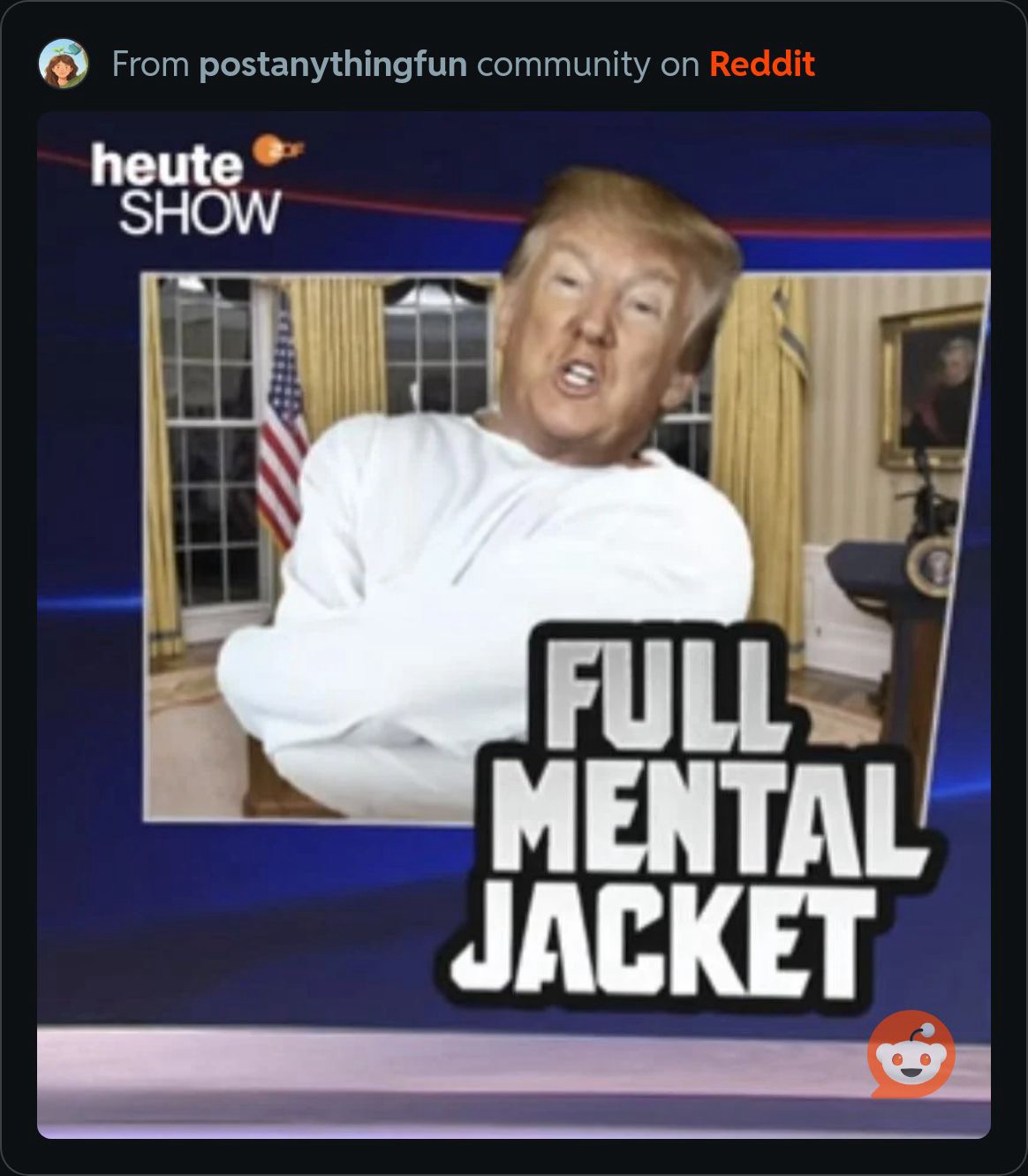
If confidence alone could power an economy, Donald Trump would have already solved inflation, gas prices, and probably gravity itself. Unfortunately for everyone else, the real world stubbornly refuses to run on bravado and recycled talking points.
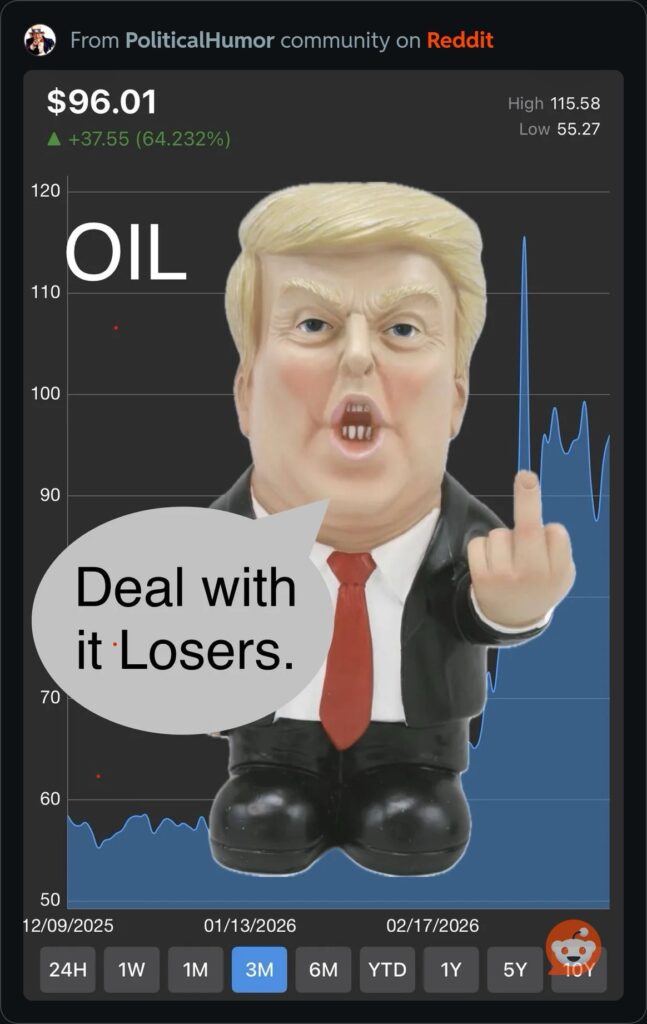
In recent speeches, Trump has insisted that the economy is either “the best it’s ever been” or would be—if only people would stop noticing things like rising gas prices. It’s a bold strategy: when faced with inconvenient facts, simply declare them fake and move on. Who needs data when you have volume?
Meanwhile, Americans pulling up to the pump are experiencing a different kind of economic messaging—one delivered in large glowing numbers that seem to climb higher each week. While Trump assures crowds that everything is under control, drivers are left wondering if their fuel gauge is now a luxury item.
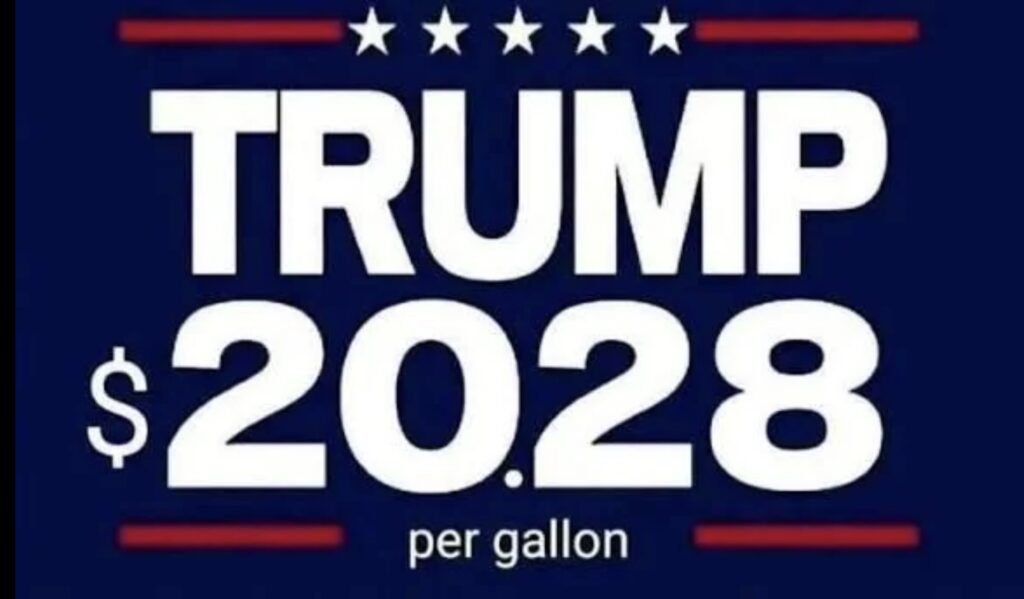
This disconnect might be easier to ignore if it weren’t paired with his party’s increasingly urgent midterm ambitions. Republican candidates are trying to thread a very specific needle: agree with Trump loudly enough to keep his base energized, but not so loudly that voters begin to question whether anyone is actually paying attention to reality.
The result is a kind of political theater where everyone sticks to the script, even as the stage props catch fire. Trump declares economic victory. Candidates nod along. Voters check their receipts.
What makes the whole situation especially surreal is how familiar it feels. Trump’s approach to the economy has always relied less on measurable outcomes and more on sheer repetition. Say something often enough—“great economy,” “record success,” “nobody’s ever seen anything like it”—and hope it drowns out the sound of wallets getting thinner.
But gas prices are stubbornly apolitical. They don’t respond to slogans, rallies, or social media posts. They just keep ticking upward, indifferent to spin. And unlike campaign speeches, they come with a receipt.
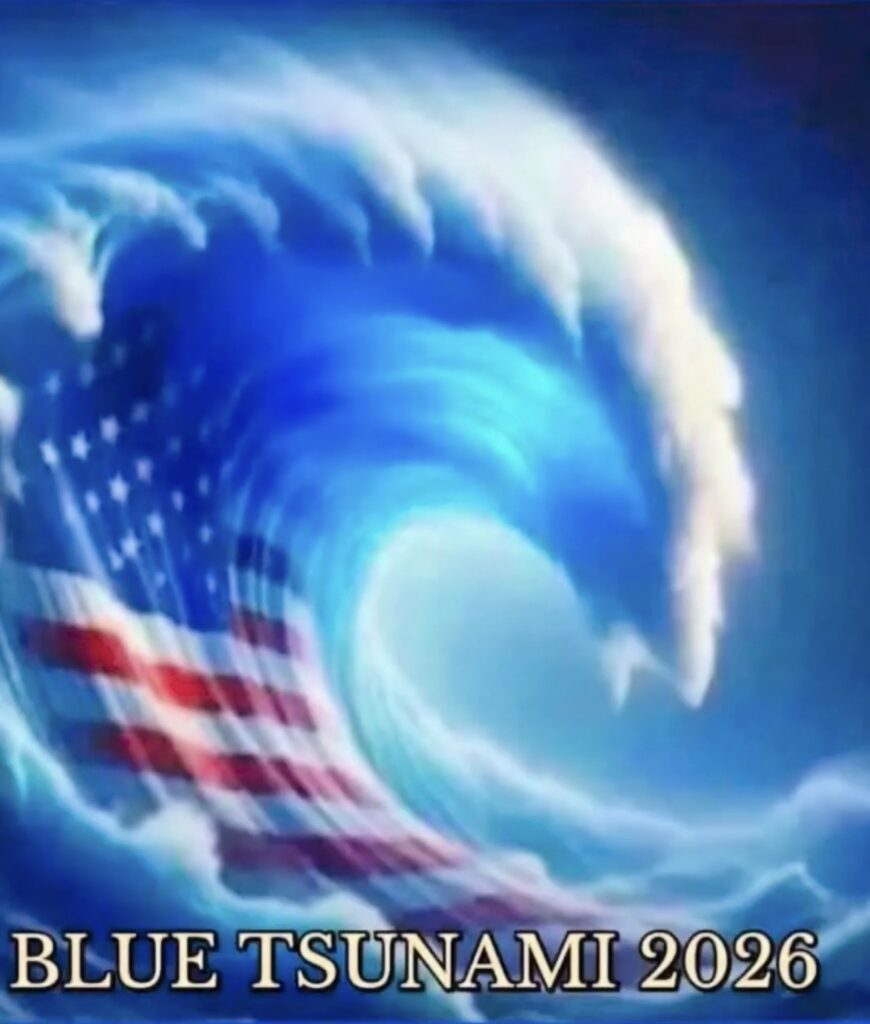
As the midterms approach, this gap between rhetoric and reality may become harder to paper over. Voters tend to notice when their everyday experiences don’t match what they’re being told. It’s one thing to promise prosperity; it’s another to explain why it isn’t showing up where it counts.

Still, if there’s one thing Trump has demonstrated time and again, it’s an unwavering belief that perception can outmuscle reality. Whether that holds up against rising costs and skeptical voters is another question entirely.
For now, the message remains clear: everything is fantastic—just don’t look at the price of gas.