

GRAPEVINE, Texas — There’s an old saying in politics: you campaign in poetry and govern in prose. But at this week’s Conservative Political Action Conference, Donald Trump’s loyalists discovered that sometimes you govern in an outright airstrike campaign against Iran while the poetry turns out to have been written by someone else entirely.
The scene at the sprawling hotel complex near Dallas was, by all accounts, vintage CPAC. There was the usual conservative kitsch on display—a bus plastered with the president’s face, “Trump 2028” T-shirts, and perhaps most on-brand, commemorative glasses marking the 2024 assassination attempt with a faux bullet embedded in the side and the word “bulletproof” stamped on them . Because nothing says “fiscal conservatism” like merchandising an attempt on your own life.
But beneath the golden-sequined jackets of the “Trump Tribe of Texas” and the chants of “USA,” something was rotting in the state of MAGA. The movement that promised to end “forever wars” and put America First has somehow stumbled into a brand new war in Iran. And at CPAC, the faithful weren’t so much rallying behind their leader as they were holding an intervention he refused to attend.
The War on “America First”
Let’s rewind to the campaign trail—back when Trump promised, with the kind of certainty usually reserved for describing his own crowd sizes, that he would keep America out of foreign entanglements. No more stupid wars. No more nation-building. America First meant America first, not some endless Middle East quagmire.
Fast forward to March 2026, and the U.S. is in its fourth week of “Operation Epic Fury”—a name so absurd it sounds like a Call of Duty DLC pack. The strikes have killed Iran’s supreme leader, and the administration is reportedly considering a $200 billion war funding request . Thousands of American troops are heading to the Middle East, including elements of the 82nd Airborne Division . Gas prices are soaring. And the man who promised to be the peace president is now explaining why this war is actually totally different from all those other wars he opposed.
The cognitive dissonance at CPAC was so thick you could have cut it with one of those commemorative assassination-attempt glasses.
A Movement Divided by Age, Sanity, and Basic Reading Comprehension
Perhaps the most delicious detail to emerge from CPAC 2026 is the generational civil war unfolding within MAGA ranks. As it turns out, the “America First” message resonated a little too well with the young people who actually believed it.
The BBC interviewed 19-year-old Toby Blair, a college student who traveled to Dallas from Florida, who summed up the youth vote’s disillusionment with the elegance only a teenager can muster: “I don’t like that it’s become America’s job to find bad people and get rid of them” . One can only imagine how much fun it is for young conservatives to explain to their friends that they voted for the anti-war candidate who immediately started a war.
The numbers tell a brutal story. While 84% of Republicans overall say they support Trump’s war conduct, that number plummets to 49% among Republicans aged 18 to 29 . In other words, nearly half of young Republicans think their president is doing a bad job at the one thing he promised to avoid. A Pew poll found that among those who “lean” Republican, only 22% strongly approve of how he’s handling the conflict .
When 20-year-old Tiffany Krieger told the AP that her support for Trump had dropped from a “level 10 to a 5 over the war,” she might as well have been speaking for an entire generation . “It seems like the love for him is plateauing. We see our party splitting apart,” she said .
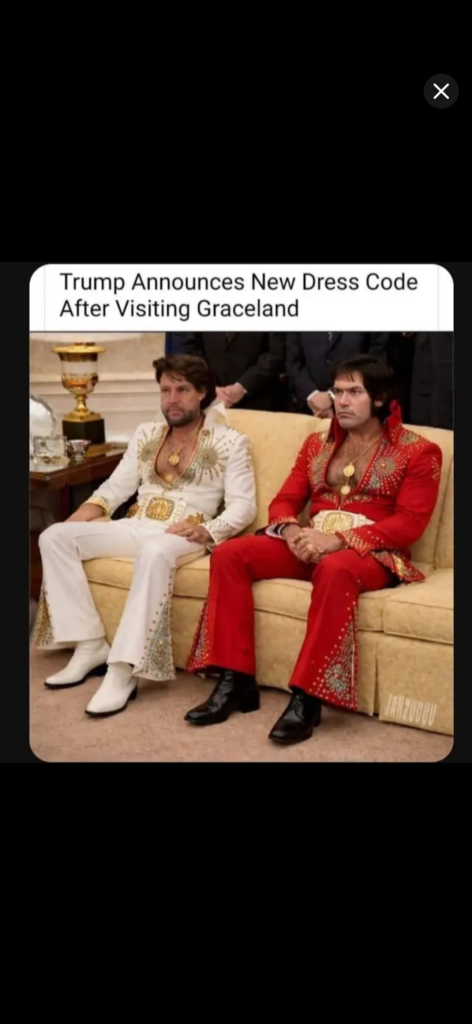
Meanwhile, the older contingent—the ones in the golden sequins—were doing exactly what you’d expect: insisting that actually, Trump didn’t start a new war, Iran started it 40 years ago, and also the president is a “wise leader” who “does what works” . Joe Ropar, 70, a retired defense contractor, offered the kind of logic that keeps defense contractors in business: “How long were we supposed to wait? I think he did what he had to do when he had to do it” .
When your argument for a war is that you’ve been waiting 40 years to have it, one wonders why the urgency struck in the middle of a term supposedly dedicated to domestic renewal.
The Influencer Rebellion: When Your Biggest Fans Turn on You
If the rank-and-file split was bad enough, the real trouble for Trump is brewing in the right-wing media ecosystem that helped make him. For years, the conventional wisdom was that MAGA influencers would follow Trump into the gates of Hell. As it turns out, they’re drawing the line at… Iran.
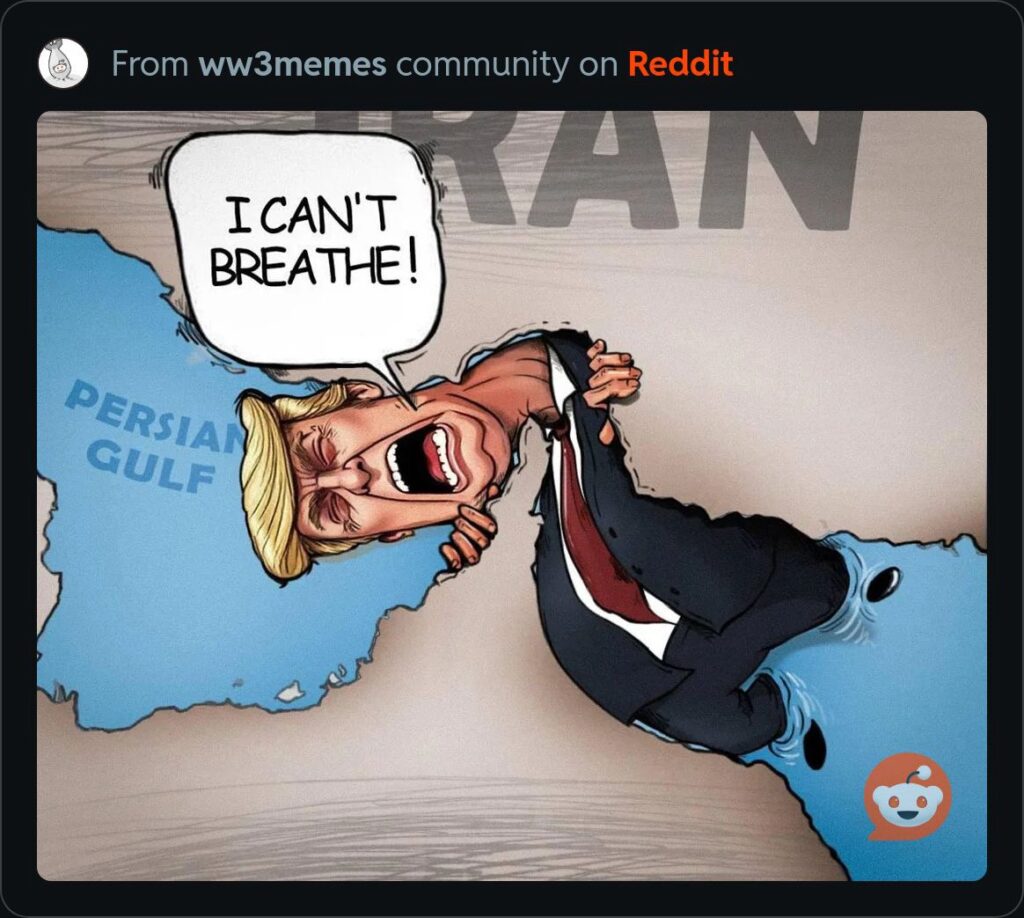
Tucker Carlson, Matt Walsh, Megyn Kelly, and even Alex Jones have all expressed varying degrees of opposition to the war . Matt Walsh, the Daily Wire’s resident moral scold, put it bluntly: “I can’t take the gaslighting, guys. I really can’t. You and I both know that almost every conservative influencer in the business was opposed to war with Iran until just now” .
Even Erik Prince—the founder of Blackwater, a man whose entire career has been built on privatized war—expressed disappointment, telling Steve Bannon’s War Room podcast that he didn’t think the Iran war was “in America’s interests” . When the guy who literally made money off the Iraq War thinks you’ve gone too far, it might be time for a strategy session.
The White House’s response to this influencer revolt was… well, let’s call it “on brand.” Press Secretary Karoline Leavitt went into defensive mode, offering a laundry list of justifications. But it was Trump’s own dismissal of the criticism that really captured the moment. When asked about Megyn Kelly and Tucker Carlson’s opposition, Trump told journalists that “MAGA is Trump—MAGA’s not the other two” .
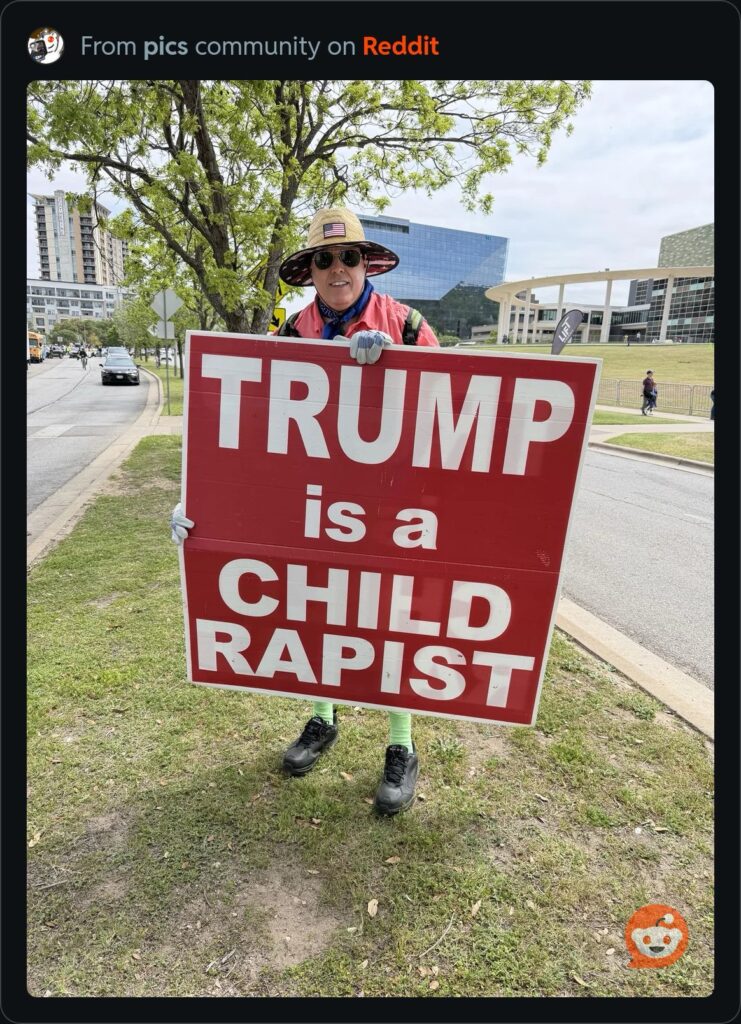
It’s a remarkable rhetorical move: when your most loyal supporters question you, simply declare that they are no longer loyal supporters. By this logic, anyone who disagrees with the Dear Leader was never MAGA to begin with. It’s the political equivalent of breaking up with someone and insisting you never really liked them anyway.
The Iranians for Trump
Of course, no CPAC would be complete without a cast of characters who make you question everything you thought you knew about American politics. This year’s entry: the “Persians for Trump” contingent, who showed up in force to support the war .
Wearing matching T-shirts and carrying signs reading “Make Iran Great Again,” these Iranian-American activists chanted “Thank you Trump” and “regime change for Iran” throughout the conference . For them, the war is personal—a chance to liberate their homeland from the Islamic regime. Nima Poursohi, sporting a “Persians for Trump” shirt and a MAGA hat embroidered with “Persian Excursion,” explained that “America and Iran have been at war for the last 47 years, since the revolution started. Donald Trump did not start this war” .
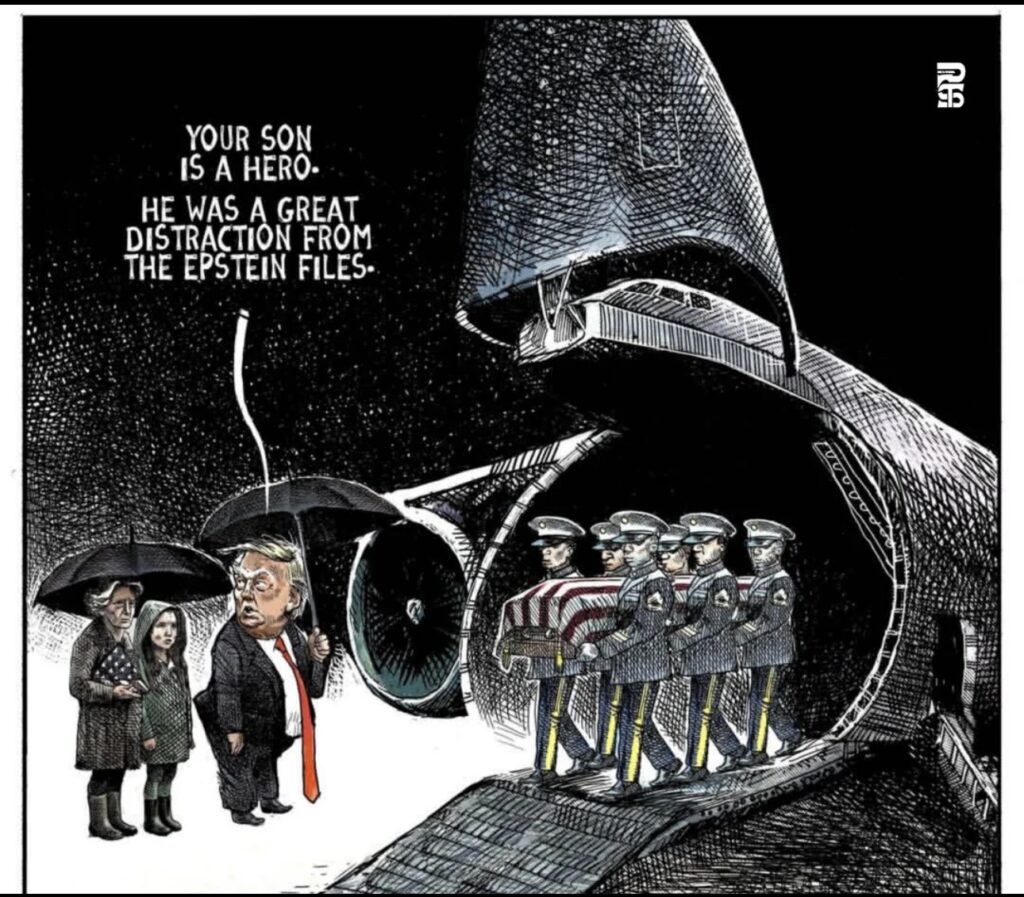
This is, to put it mildly, a unique interpretation of the last five decades of U.S.-Iran relations. It also highlights the strange coalition Trump has assembled: a group of Iranian exiles who want regime change, a bunch of older conservatives who trust Trump implicitly, and a generation of young MAGA faithful who feel betrayed. It’s like the island of misfit toys, if the toys were all advocating for different foreign policies.
The Speakers Who Almost Spoiled the Party
Even the CPAC stage itself couldn’t escape the fractures. While much of the programming was standard conservative fare—Franklin Graham framing the war in religious terms, panelists warning about Sharia law in Texas, the usual culture war grievances—there were moments where the mask slipped .
Matt Gaetz, the former Florida congressman, warned the crowd that a ground invasion of Iran “will make our country poorer and less safe” . “It will mean higher gas prices, higher food prices,” he added, “and I’m not sure we would end up killing more terrorists than we would create” . This from a man whose entire political brand is built on being the most aggressive defender of Trumpism imaginable.
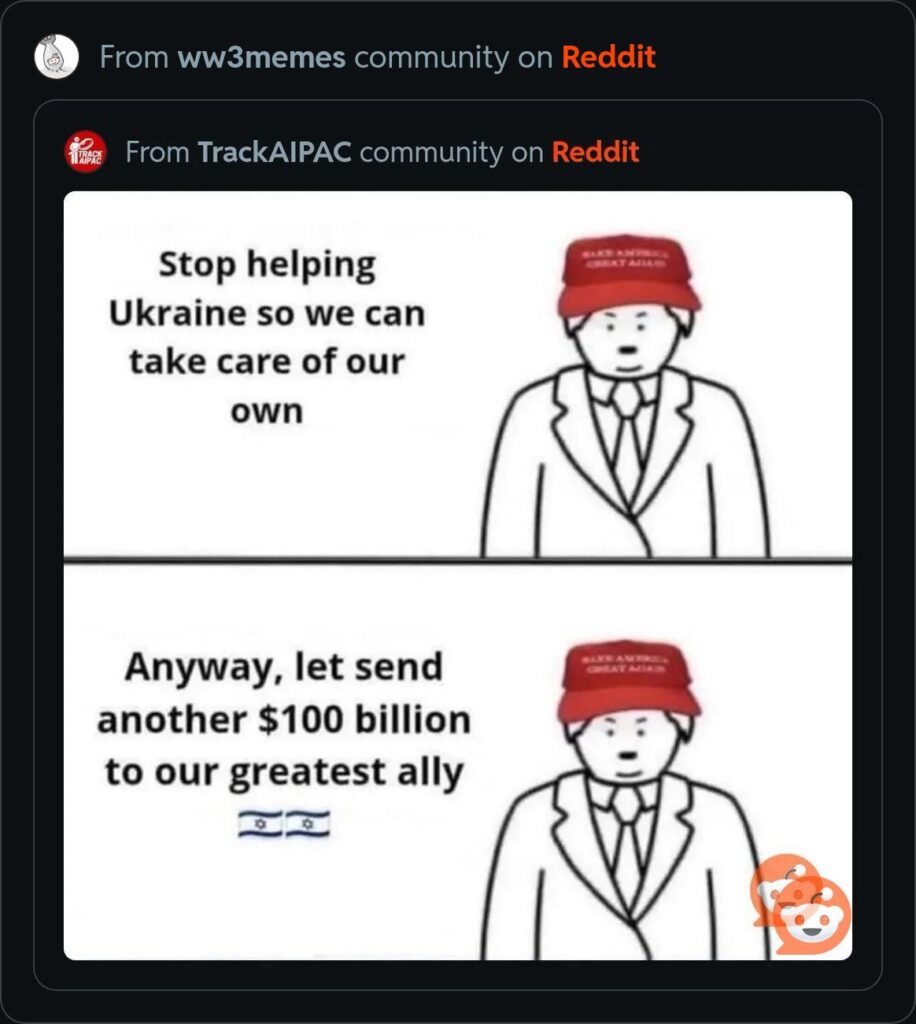
Even Steve Bannon, who has spent years building the MAGA movement into what it is today, used his CPAC appearance to issue a warning. “You have to be convinced that this is the right thing to do, particularly now that we are on the eve, potentially, of the insertion of American combat troops,” he told the audience . “This is a debate that has to happen.”
When Bannon is the voice of caution, you know you’ve entered some kind of political Bizarro World.
The Man Who Wasn’t There
Perhaps the most telling detail about CPAC 2026 was who didn’t show up. Trump himself was notably absent, giving the conference a wide berth . According to the Washington Examiner, the president was “giving it a wide berth”—a decision that seems curious for a man who supposedly has a movement united behind him .
The absence was felt. When your signature event becomes a place where your own supporters are openly questioning your decisions, and the conference organizers are pleading for unity from the stage, maybe it’s better to be elsewhere. Mercedes Schlapp, a CPAC organizer, opened one session with a direct appeal: “We cannot divide from within. Let’s stay united. They want us divided” .
The plea had all the effectiveness of a lifeguard yelling “Stop drowning!” at someone who’s already underwater.
The Humiliation of It All
So where does this leave Donald Trump? On paper, he’s the president of the United States, commander-in-chief of the world’s most powerful military, and the leader of a political movement that has reshaped American politics. But at CPAC 2026, we saw something different: a leader whose movement is fracturing, whose promises have been exposed as empty, and whose supporters are starting to wonder if they’ve been had.
The humiliation isn’t just that Trump started a war after promising peace. It’s that he’s losing the very people who made him. When young conservatives tell reporters they feel “betrayed,” when Bannon is talking about the need for “debate,” when Erik Prince is questioning whether the war is in America’s interest—these aren’t the signs of a movement consolidating power. They’re the signs of a movement eating itself.
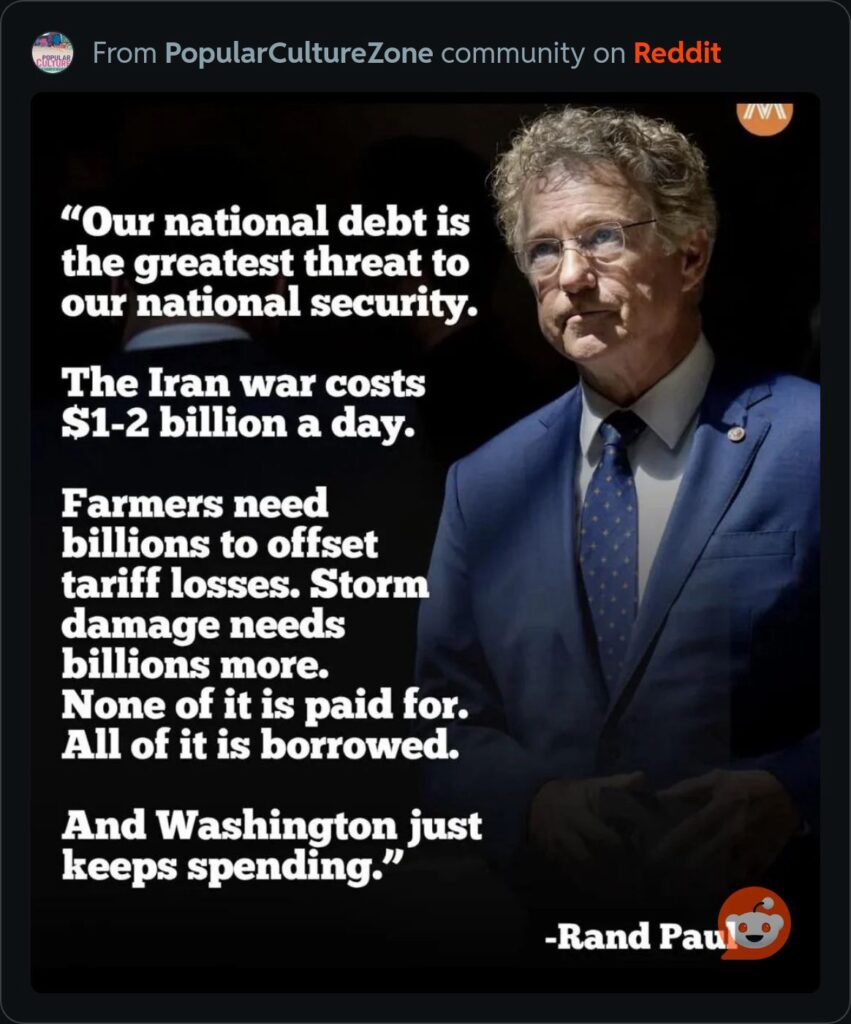
The Iranian-American activists chanting “Thank you Trump” might be the happiest people at CPAC. For them, the war is a liberation. For everyone else—the young conservatives who believed in America First, the influencers who thought they were building a new non-interventionist right, the older supporters who trusted Trump to know what he was doing—the mood was considerably darker.
As CPAC chairman Matt Schlapp admitted, “I think people trust President Trump, so I don’t think there’s been any shaking of his support. But I think underneath there’s concern about where does this lead” .
When your supporters have moved from “We love you” to “We trust you, but we’re worried,” you’re not leading. You’re being humored.
The Uncomfortable Truth
Here’s the reality that CPAC 2026 revealed but couldn’t quite acknowledge: Donald Trump has become exactly what he promised he wasn’t. The anti-war candidate is now a war president. The “America First” populist is now defending a conflict that has all the hallmarks of the neoconservative adventures he built his brand opposing. The man who mocked the Bushes for getting us stuck in the Middle East is now presiding over a conflict with “no clear endgame” and “no clear objective” .
The younger conservatives at CPAC understand this. They’re the ones who will be sent to fight this war. They’re the ones who will pay the higher gas prices. They’re the ones who will inherit a movement that promised them one thing and delivered another.
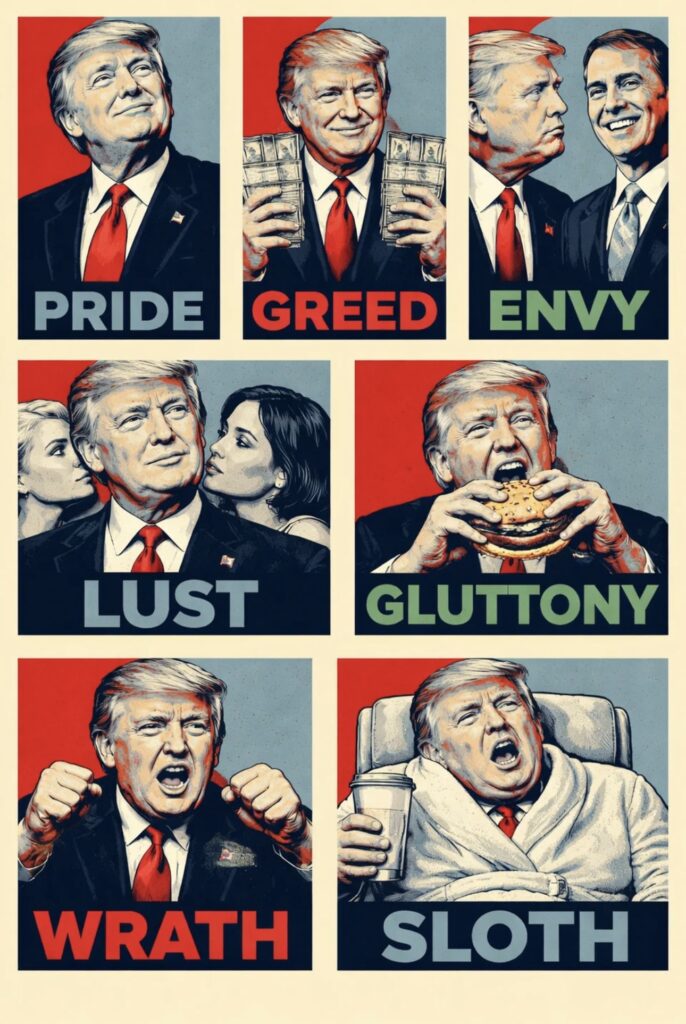
Joseph Bolick, a 30-year-old Iraq and Afghanistan veteran who voted for Trump in 2024, put it most bluntly: “He’s lied about everything” .
When you’ve lost a veteran who voted for you, and you’re celebrating with Iranian exiles wearing “Persian Excursion” hats, you might want to check your political compass.
Conclusion
CPAC 2026 was supposed to be a celebration of conservative power, a pep rally for the midterms, a chance for the faithful to gather and reaffirm their commitment to the MAGA movement. Instead, it became something else entirely: a public autopsy of a movement that promised to be different and ended up being exactly the same.
The golden sequins were there. The merch was there. The chants of “USA” were there. But underneath all the pageantry was the unmistakable sound of a coalition crumbling. The young vs. the old. The influencers vs. the White House. The promise of America First vs. the reality of Operation Epic Fury.
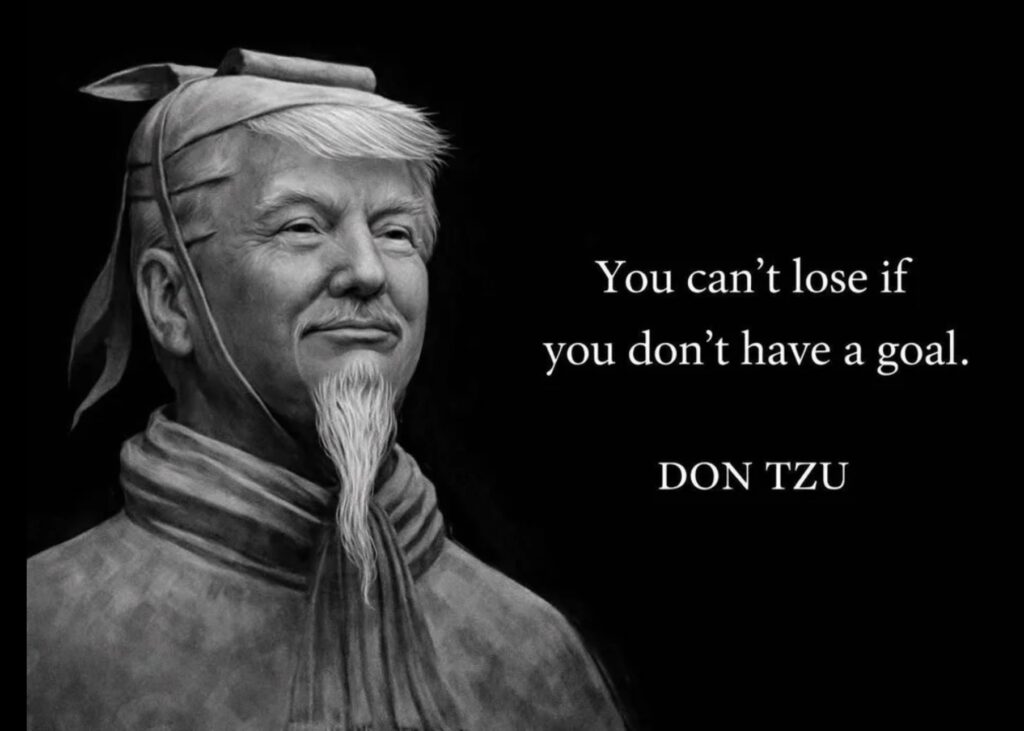
Donald Trump has humiliated himself in many ways over the years. He’s been impeached twice, indicted four times, and lost the popular vote twice. But watching your own movement turn on you at your signature event, while you’re too busy to show up? That might be a new kind of humiliation.
As one attendee told the AP, “It seems like the love for him is plateauing” . At CPAC 2026, it looked like it was falling off a cliff.
The only question left is whether anyone in MAGA world will admit it before they’re all wearing “Persians for Trump” shirts and trying to explain why the anti-war president is asking for $200 billion to fight a war with no end in sight. Something tells us they’ll find a way. After all, in the world of MAGA, you can believe anything—as long as you don’t think about it too hard.