

By Trump IsA IsraelPedo
In a bizarre twist of political fate, the United States witnessed an extraordinary sequence of events where efforts to suppress the Jeffrey Epstein disclosures led to a government shutdown, only to result in the most sweeping mandate for transparency in the history of the case. At the heart of this political drama is the allegation that Republican leadership, in an attempt to shield President Donald Trump from damaging revelations, effectively shut down Congress—a move that ultimately forced the release of thousands of pages of documents and sparked a bipartisan revolt.

The “Epstein Recess”: Shutting Down to Cover Up?
The turmoil began in July 2025, not with a bang, but with a procedural collapse. As the House of Representatives prepared to address a bipartisan resolution co-sponsored by Republican Thomas Massie and Democrat Ro Khanna—which sought to force the binding release of Epstein documents—House Speaker Mike Johnson pulled the emergency brake.
According to reports from Capitol Hill, the House Rules Committee descended into chaos as GOP leaders blocked the resolution from advancing. Facing the prospect of a discharge petition that would have forced a floor vote with just 218 signatures, Speaker Johnson made a drastic decision: he sent the House into recess weeks ahead of schedule .

Critics were quick to label this the “Epstein Recess.” Congressman John Garamendi (D-CA) issued a scathing statement at the time, accusing Republicans of paralyzing the legislature to protect the President. “House Republicans and Trump are so scared of releasing the Epstein Files that they are shutting down the House of Representatives for more than a month,” Garamendi said. He argued that by avoiding a vote, the GOP was choosing to “protect the elite and their own self-interests above the wishes of their voters” .
The accusation was stark: by shutting down the legislative process, the GOP leadership was effectively insulating President Trump from a vote that would have exposed uncomfortable ties to the disgraced financier just as a new tranche of documents was about to surface.

The November Bombshells
The strategy of delay, however, proved to be a temporary Band-Aid. When Congress returned from its extended recess, the pressure did not subside; it intensified. In mid-November, Democrats on the House Oversight Committee released a cache of documents that lit the fuse on the powder keg.
Among the 20,000 pages released was a particularly damaging email from 2011. In correspondence with his accomplice Ghislaine Maxwell, Jeffrey Epstein referred to Donald Trump using cryptic language. “I want you to realize that that dog that hasn’t barked is Trump,” Epstein wrote, adding that a victim (later identified as Virginia Giuffre) “spent hours at my house with him” .
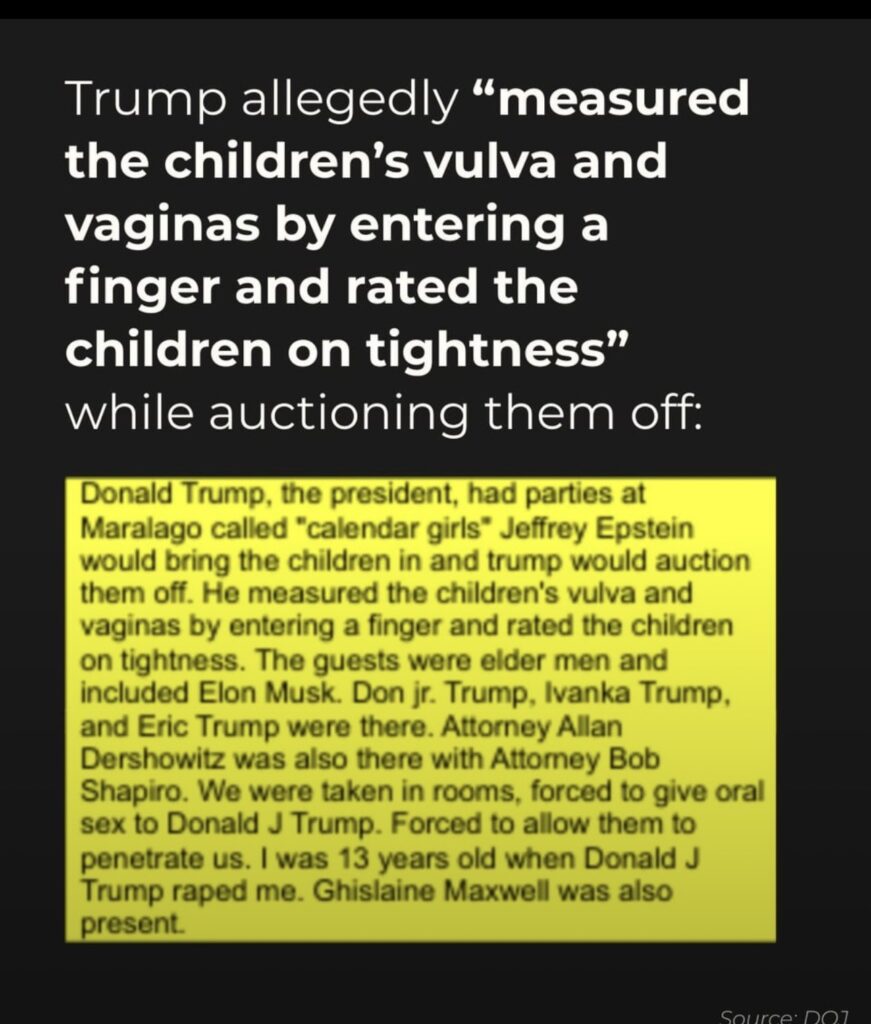
While the White House dismissed the narrative as a “hoax” and a distraction from the administration’s victories, the damage was done. The emails reignited public fascination with the long-standing social ties between Trump and Epstein, ties the President has repeatedly claimed were severed long before Epstein’s 2008 conviction . Furthermore, the Justice Department’s subsequent release of over 3 million documents—which included mentions of Trump—failed to quell the anger, especially when officials signaled that no new charges would be filed against any powerful figures named in the files .

The Massie-Khanna Alliance and the Reversal
The push for full transparency became a crusade for two unlikely allies: libertarian-leaning Republican Thomas Massie and progressive Democrat Ro Khanna. Their joint legislative effort forced a dramatic reversal of fortune for the Republican leadership.
Initially, Speaker Johnson had parroted the White House line, calling the push for Epstein files a “Democrat hoax.” President Trump himself had urged Republicans to oppose the disclosure. But the grassroots pressure—fueled by years of conspiracy theories and genuine calls for justice from survivors—became impossible to ignore.
Survivors of Epstein’s abuse, including Annie Farmer, descended on the Capitol. Farmer spoke of “institutional betrayal,” arguing that because the crimes were not properly investigated, “so many more girls and women were harmed” . Their presence, combined with the undeniable reality that a majority of Americans—including 40% of Republicans—supported full disclosure, forced a tectonic shift .
In a move that stunned Washington, President Trump reversed course, urging his party to vote for disclosure. This left Speaker Johnson and his leadership team isolated. By the time the House voted on the “Epstein Files Transparency Act,” the result was a staggering 427-1, with only Republican Clay Higgins voting no .

The Aftermath: Is Transparency Being Honored?
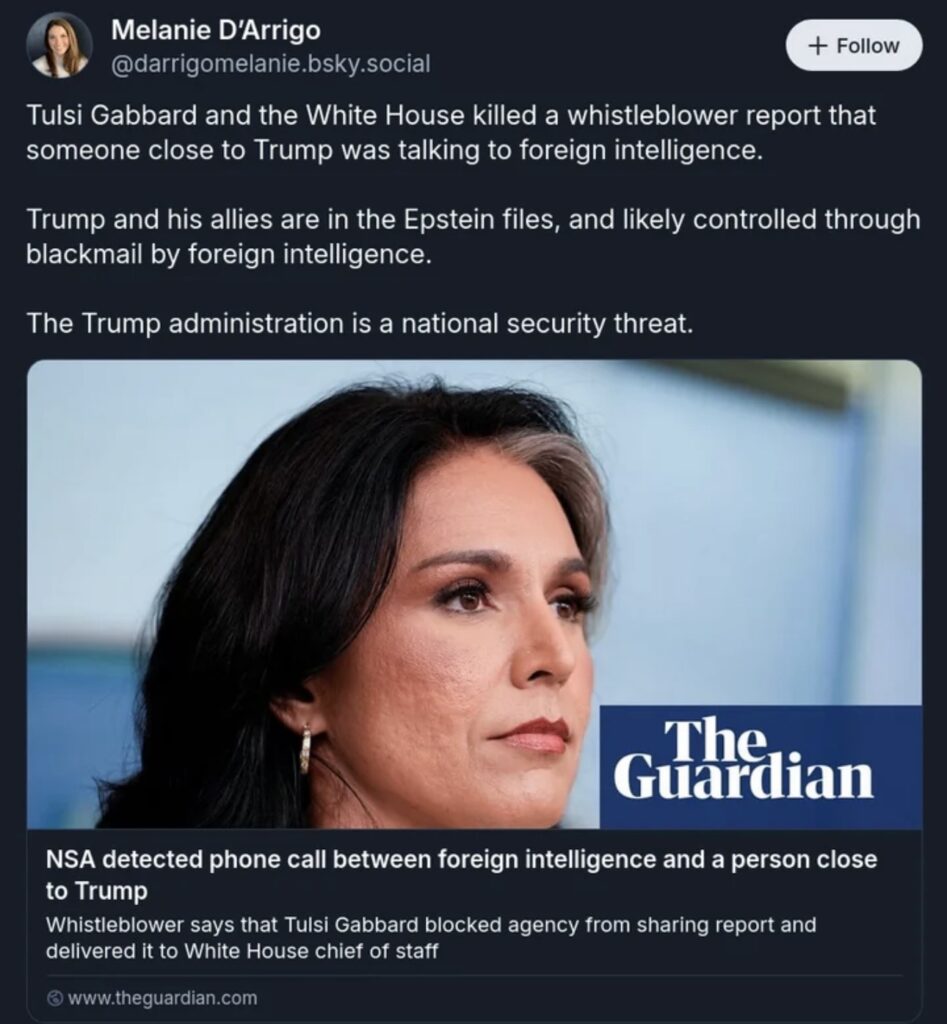
Despite the legislative victory, the battle for transparency is far from over. The law requires Attorney General Pam Bondi to release all unclassified records, but it contains loopholes that allow the administration to withhold information to protect victims or ongoing investigations .
Critics argue the administration is exploiting these loopholes. In December 2025, Representative Ro Khanna threatened impeachment proceedings against Attorney General Bondi and Deputy Attorney General Todd Blanche, accusing them of a “slap in the face of survivors.” His anger was triggered by the Justice Department’s handling of the release, including the temporary removal of 16 files from the public webpage—among them a photograph featuring President Trump with Epstein and Maxwell .
Further controversy erupted in February 2026, when the DOJ sent a memo to Congress defending redactions while simultaneously releasing a list of public figures named in the files. The list was criticized for being absurdly broad, lumping together convicted abusers like Larry Nassar with deceased singer Janis Joplin, who died when Epstein was a teenager. “Release the full files. Stop protecting predators. Redact only the survivor’s names,” Khanna demanded on social media .
Conclusion

The attempt to shut down Congress to avoid the Epstein disclosures has become a case study in political backfire. What began as a maneuver to protect a president ended in a historic, near-unanimous vote for transparency. Yet, as the redaction battles continue and the threats of impeachment loom, the question remains: will the American people ever see the full picture of Jeffrey Epstein’s network, or will the “dog that hasn’t barked” manage to keep the most damaging secrets buried?