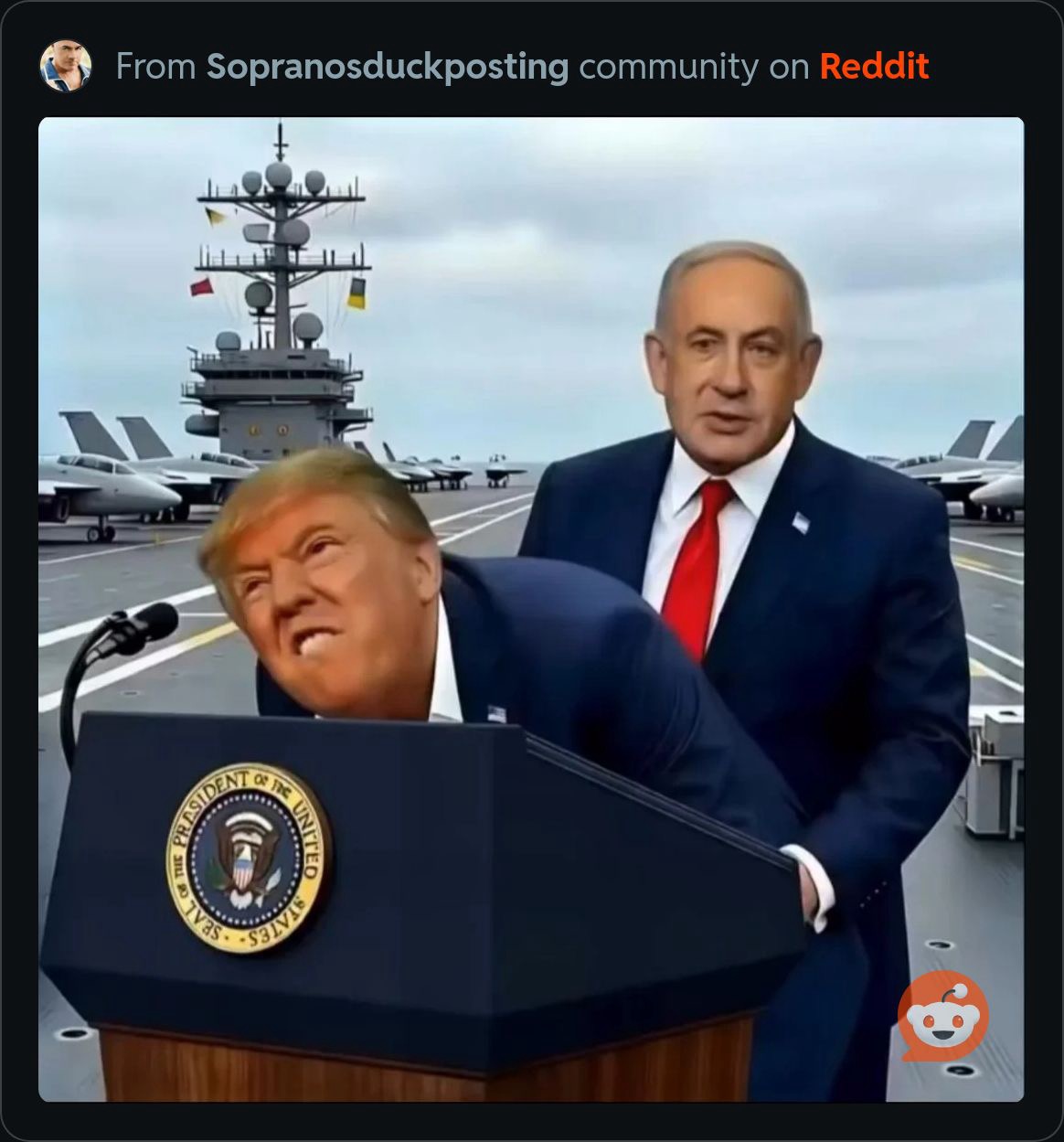
In what seasoned DC observers are calling a masterclass in transactional diplomacy, Israeli Prime Minister Benjamin Netanyahu touched down in Washington this week for a visit that artfully blends geopolitical panic, domestic legal desperation, and the lingering ghost of a convicted sex offender. His schedule is packed: begging for money, lobbying for war, and hoping no one brings up that whole “trained as a spy” thing about his political rival’s billionaire pedophile friend.

The Itinerary: From the Oval Office to the Fundraiser’s Ball
The official agenda, set for February 11, is weighty with Middle East gravitas. Netanyahu seeks to convince President Trump to scuttle any potential nuclear deal with Iran that doesn’t also cripple its ballistic missile program and regional influence. Israeli media reports he aims to present intelligence suggesting Iran could soon possess up to 2,000 ballistic missiles, hoping to spur a more confrontational US stance.
But the real prize may come the following week. If all goes well in the Oval Office, Netanyahu is expected to grace the inaugural meeting of President Trump’s newly minted “Board of Peace” on February 19. This isn’t just any meeting. Critics have likened the board to a colonial administrative authority, but for Netanyahu, it’s the ultimate fundraising gala. The primary objective of this summit is to raise funds for Gaza’s reconstruction—a multibillion-dollar endeavor where Israel has a vested interest in who controls the purse strings and the rubble.

The Unspoken Agenda: A Pardon and a Lifeline
Beneath the statesmanship lies a more personal desperation. Back home, Netanyahu is a defendant in an ongoing corruption trial for bribery, fraud, and breach of trust. In November 2025, he formally requested a pardon from Israel’s president to make it all go away. He also carries the distinct honor of being an International Criminal Court fugitive, thanks to an arrest warrant for his role in the Gaza conflict. A steadfast friend in the White House, one who has already publicly called for the corruption cases to be dropped, is not just a strategic asset—it’s a potential get-out-of-jail-free card.
The Ghost in the Room: Epstein’s Long Shadow
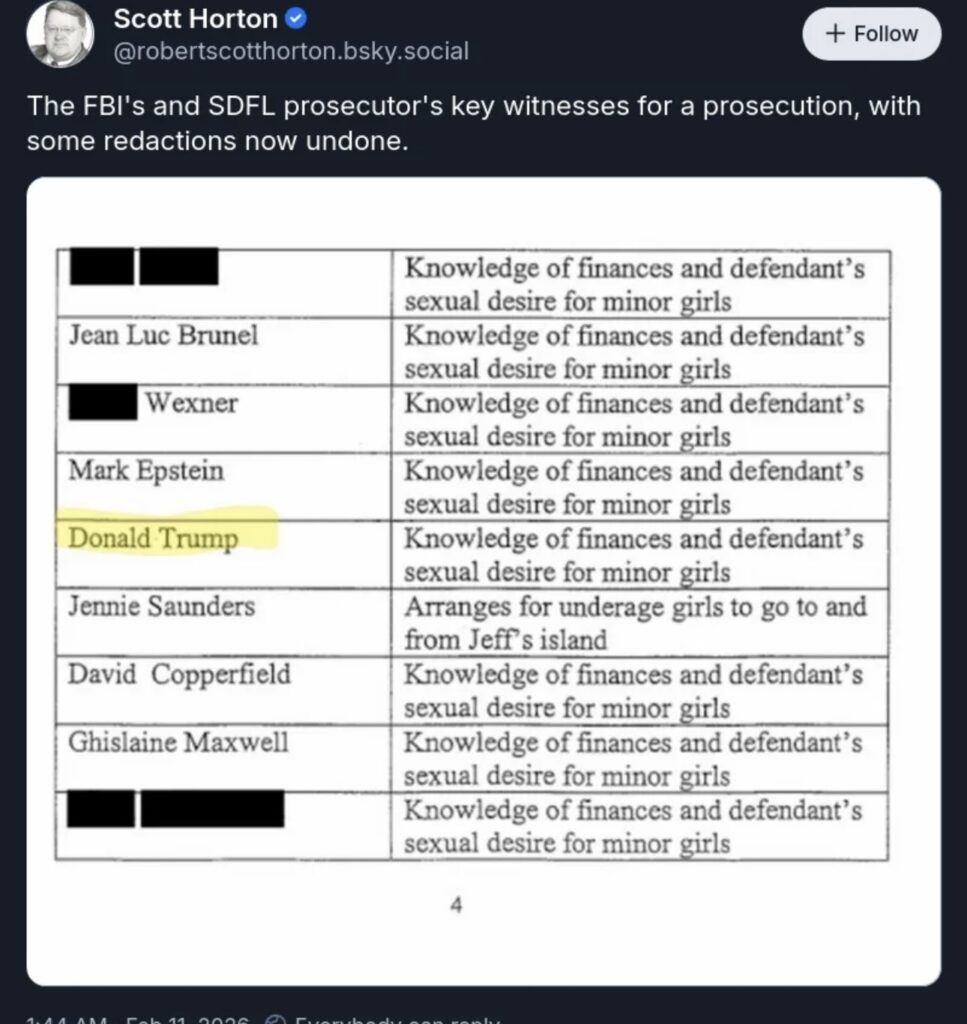
No Netanyahu scandal tour would be complete without a nod to the specter of Jeffrey Epstein. As millions of new documents hit the public domain, Netanyahu seized the moment not for reflection, but for political combat. He took to social media to declare that Epstein “did not work for Israel,” using the statement as a cudgel against his longtime political foe, former Prime Minister Ehud Barak.

Netanyahu’s claim would be more comforting if not for the FBI documents sitting in the same release. An undercover informant for the bureau “became convinced that Epstein was a co-opted Mossad Agent”. The same document alleges Epstein was “trained as a spy” under Barak and that Epstein’s lawyer, Alan Dershowitz, told officials Epstein “belonged to both U.S. and allied intelligence services”.
The ties are sticky and strange. Epstein’s emails show he had extensive contact with a senior aide to Barak, even appearing to pay for the aide’s cancer treatment. Through his foundation, Epstein donated to Israeli organizations, including $25,000 to the Friends of the Israeli Defense Forces. He also mused in emails that the father of his accomplice, Ghislaine Maxwell, was murdered by Israeli intelligence for threatening to expose his work for them.
Netanyahu’s strategy is clear: in the face of documents linking Epstein to Israeli intelligence, loudly point the finger at your enemy and hope the noise drowns out the questions. It’s a tactic he’s used before; in 2019, he attacked Barak over a $2.3 million research grant from a foundation Epstein once led.
The Grand Bargain
So, what’s the expected yield from this whirlwind visit? Netanyahu hopes to walk away with a US commitment to a more belligerent Iran policy, a prime seat at the “Board of Peace” fundraising trough, and reinforced political cover for his domestic legal battles. In return, he offers Trump a loyal ally in dismantling multilateral institutions, a willing partner for a Gaza plan that sidelines Palestinian political aspirations, and a photo op showing a strong US-Israel alliance.