
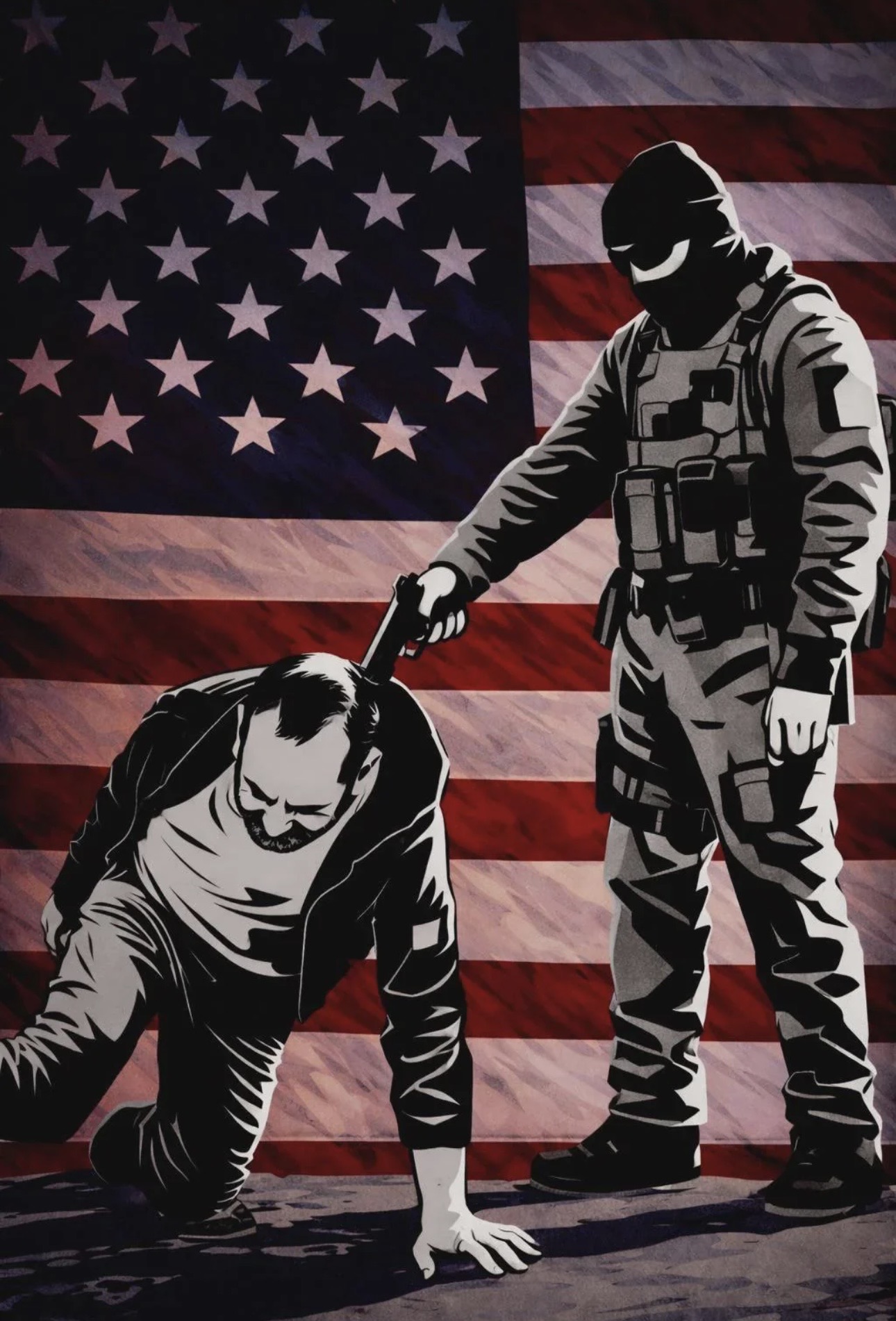
A record number of people died in Immigration and Customs Enforcement (ICE) custody in 2025, while a separate spike in agent-involved shootings has drawn international condemnation. This article examines these disturbing trends, the dehumanizing rhetoric from the Trump administration that fuels them, and the systematic disinformation used to justify expansive enforcement.
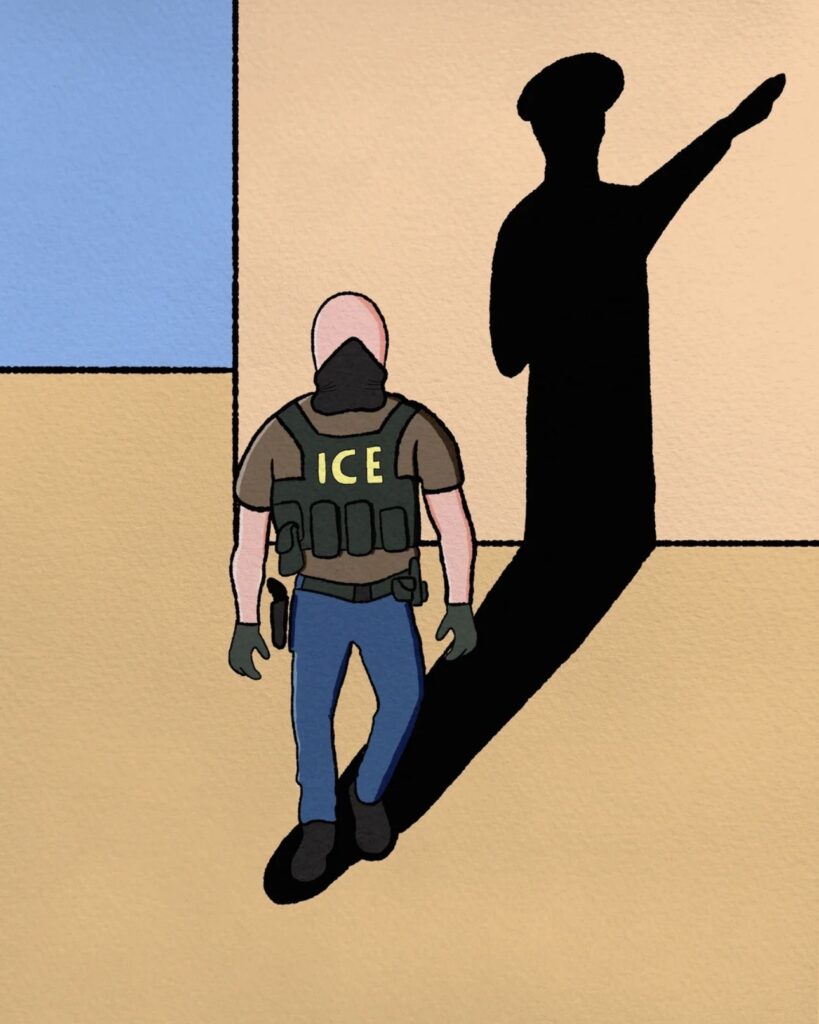
The Human Toll: Deaths and Violence Under ICE Authority
Record Deaths in Custody
2025 was ICE’s deadliest year in over two decades, with 32 people dying in immigration detention. This matched a previous record set in 2004 and occurred as the administration detained a record number of people—68,440 individuals by mid-December, nearly 75% of whom had no criminal convictions.

Snapshot of Fatalities:
· January 23: Genry Ruiz Guillén, 29, from Honduras. Detained in Florida after complaining of fainting spells to his mother. Died after a reported “medical emergency” involving difficulty breathing.
· February 20: Maksym Chernyak, 44, from Ukraine. A humanitarian parolee from the Ukraine war. Medical experts raised concerns about delays in care after he suffered a fatal stroke in custody.

· April 8: Brayan Garzón-Rayo, 27, from Colombia. Died in a Missouri jail after complaining of stomach pains and poor food quality. Officials told his mother it appeared to be suicide.
· May 5: Abelardo Avellaneda Delgado, 68, from Mexico. Died while in transit between facilities, becoming the first detainee to die during transport in at least a decade. His family had raised alarms about his deteriorating health.
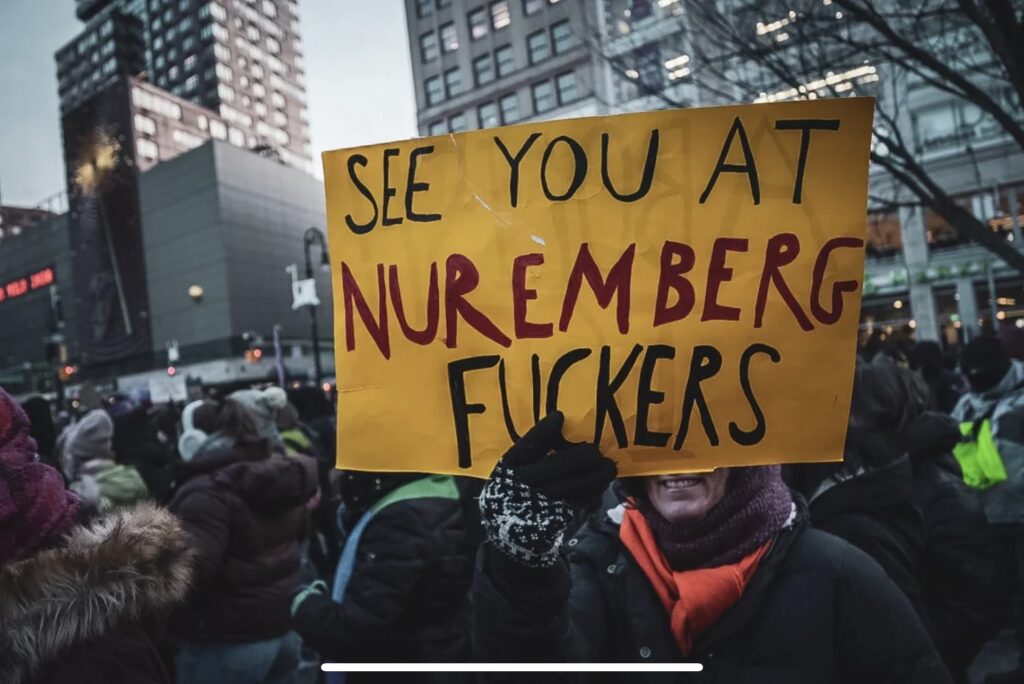
Advocates directly link the high death toll to deteriorating conditions in overcrowded facilities, citing reports of unsanitary environments, inadequate food, and poor medical care. The Department of Homeland Security (DHS) denies this, asserting it provides “comprehensive medical care”.

Spike in Agent-Involved Shootings
Since the start of the second Trump administration in January 2025, immigration agents have been involved in at least 27 shootings, resulting in 8 deaths. Analysts note an unusually high proportion of these incidents involve agents firing at moving vehicles—a practice discouraged or banned by many major police agencies due to the high risk to bystanders and the driver.
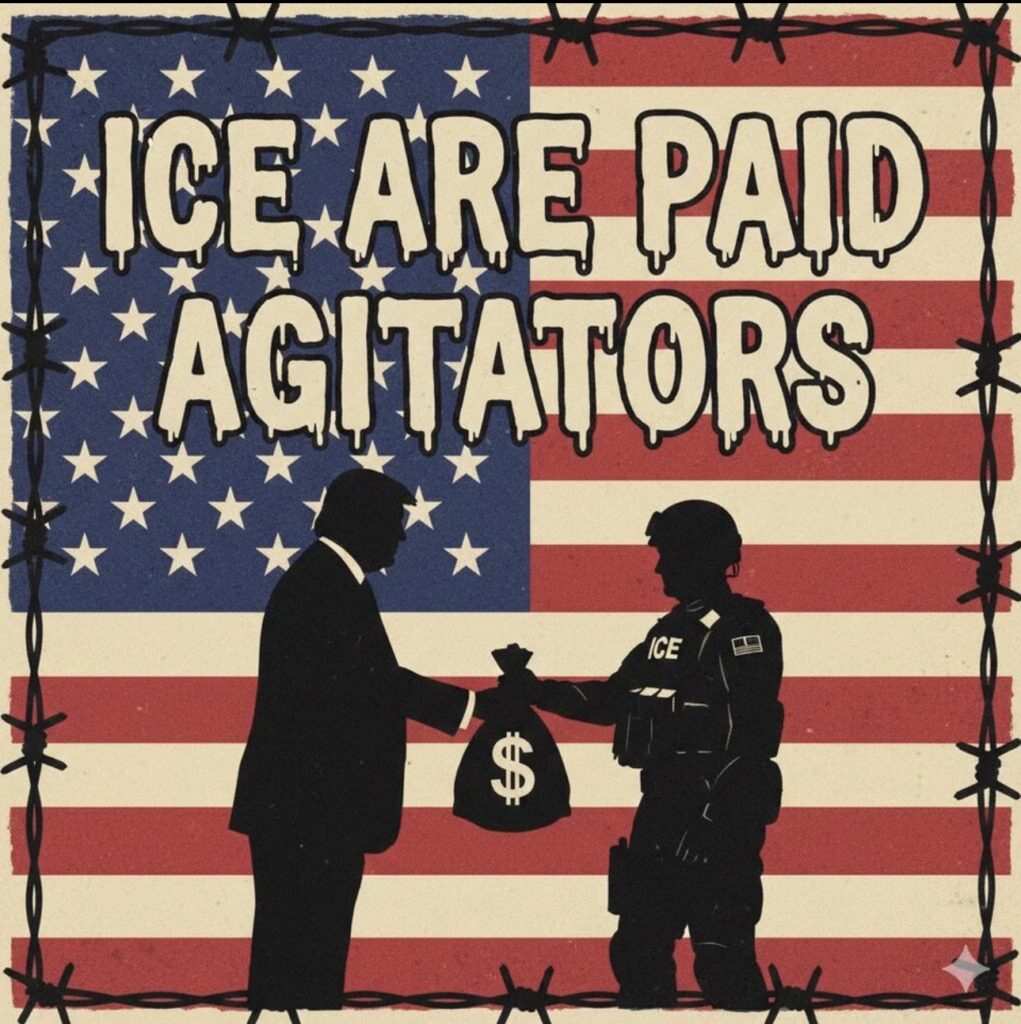
Notable cases from 2025-2026 include:
· January 7, 2026, Minneapolis, MN: ICE agent shot and killed Renee Nicole Good, a 37-year-old U.S. citizen, during a demonstration. The mayor of Minneapolis called the official “self-defense” narrative “garbage”.
· September 12, 2025, Chicago, IL: An ICE agent shot and killed Silverio Villegas González, who was allegedly attempting to flee a traffic stop.
· October 4, 2025, Chicago, IL: An ICE agent shot U.S. citizen Marimar Martinez five times after accusing her of ramming agents. Charges against her were later dismissed.

· October 30, 2025, Ontario, CA: ICE agents shot and injured U.S. citizen Carlos Jimenez, who had stopped to warn them children would be in the area. Agents and Jimenez gave conflicting accounts of the vehicle’s movement.

Systemic Issues and Official Rhetoric
The “Worst of the Worst” Narrative vs. Reality
The Trump administration and ICE consistently frame their mission as arresting the “worst of the worst” criminal aliens. Official press releases highlight arrests of individuals convicted of murder, rape, and gang activity.

However, the data and broader enforcement patterns tell a different story. In December 2025, nearly 75% of people in ICE detention had no criminal convictions. Fact-checkers have concluded that while ICE arrests violent criminals, the majority of people detained and deported are those without criminal records, contradicting the administration’s central claim.
Erosion of Legal Rights and Scrutiny
Recent policy shifts and legal opinions have significantly expanded ICE’s operational latitude, often at the expense of individual rights.

· “Kavanaugh Stops”: A 2025 opinion by Supreme Court Justice Brett Kavanaugh suggested that “apparent ethnicity” could be used as a “relevant factor” in forming reasonable suspicion for an immigration stop. Critics argue this opens the door to legally-sanctioned ethnic profiling.
· Warrantless Home Entries: A leaked May 2025 ICE memo approved entering homes without consent using only an administrative warrant (issued by ICE itself, not a judge), a break from historical practice. The constitutionality of this policy is untested.
Official Disinformation and Its Consequences
The administration’s rhetoric extends beyond political spin into verifiable falsehoods that shape policy and public perception.
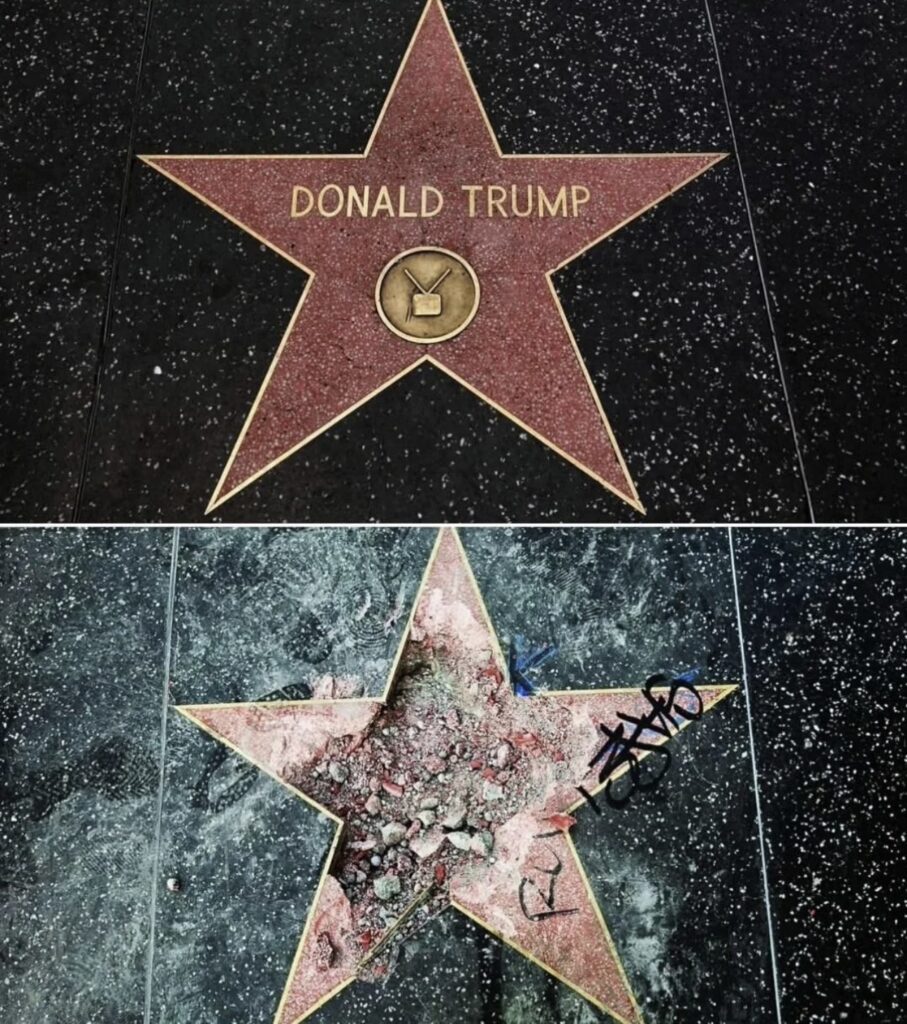
· Volume of Falsehoods: During his first term, fact-checkers documented over 30,573 false or misleading claims from Trump. In 2025, the volume and severity were so overwhelming that PolitiFact labeled it the “Year of the Lies”.
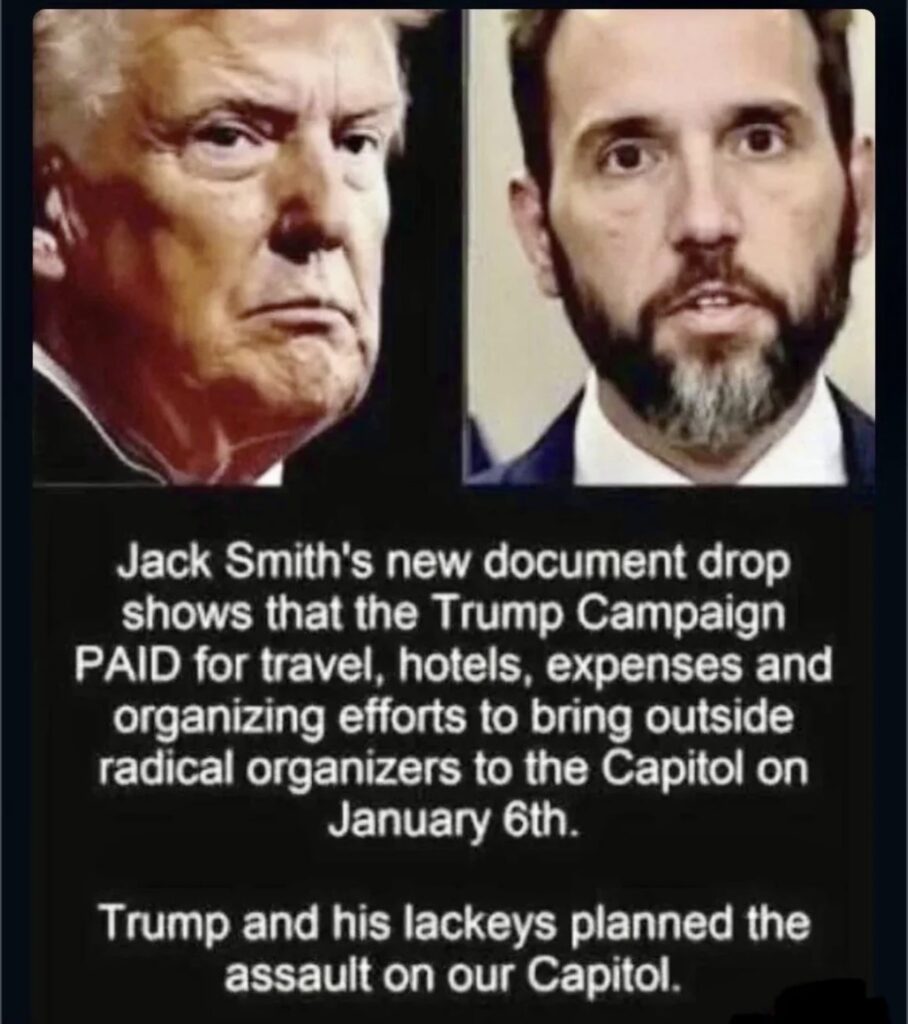
· The “Big Lie” Institutionalized: The false claim that the 2020 election was stolen has been installed on the official White House website, reframing the January 6 insurrectionists as “patriots” and the investigation as a persecution of dissent.
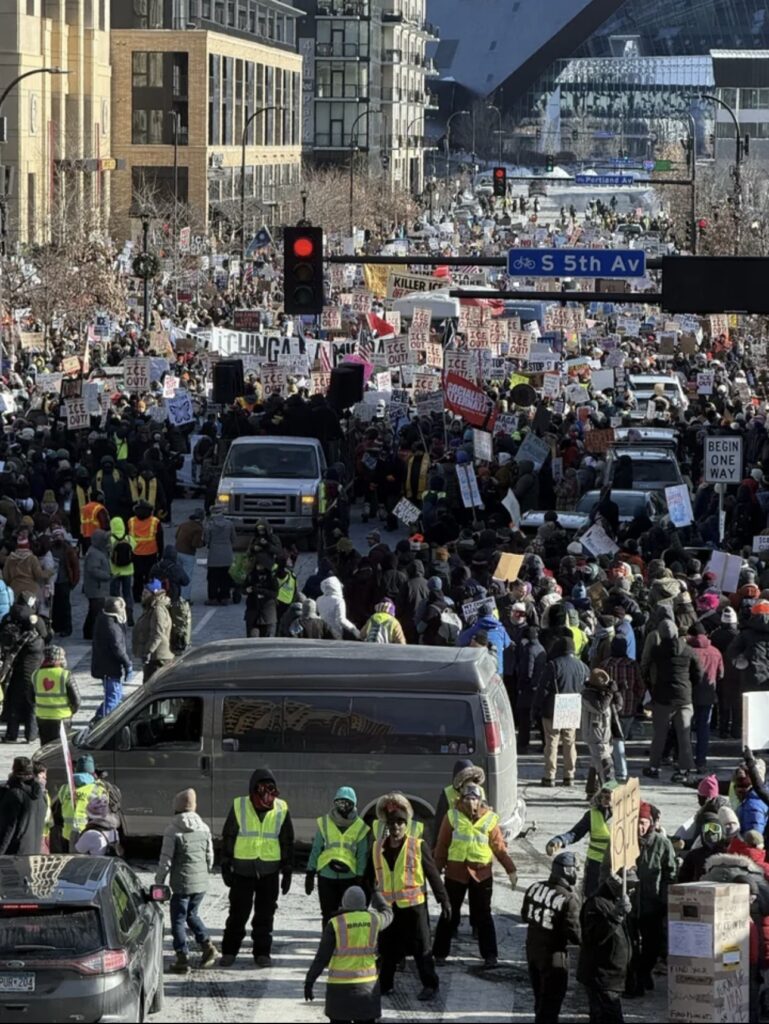
· Racist Narratives Preceding Violence: Before the large ICE deployment to Minnesota, President Trump described Somalia as a country that “stinks” and falsely claimed Somali gangs had “taken over” the state. Commentators draw a direct line from this dehumanizing language to the aggressive enforcement and fatal shooting that followed in Minneapolis.
International Condemnation and Domestic Response
The UN High Commissioner for Human Rights, Volker Türk, has condemned the “growing dehumanisation” of migrants in the U.S., warning that enforcement practices are undermining due process and family unity. He cited the rise in custody deaths and expressed alarm at the “routine abuse and denigration” of migrants by officials.

Domestically, the administration faces criticism from local leaders and legal experts. The deployment of thousands of ICE agents to cities like Minneapolis has sparked protests and confusion over the limits of ICE authority.
Accountability and the Path Forward
Victims of rights violations face a steep path to accountability. Federal law makes it difficult to sue individual federal officers, and the Supreme Court has historically limited such avenues.
The trends of 2025 point toward a continued expansion of enforcement, with advocates warning that more deaths are likely as ICE facilities grow more crowded. The central conflict remains between an official narrative focused on criminality and a documented reality of broad enforcement, escalating violence, and the systemic use of disinformation to justify both.
The events of the past year underscore that immigration policy, when stripped of humanity and unmoored from fact, carries a profound human cost measured in lives lost, families separated, and foundational rights eroded.