
In cities across America—from Los Angeles to Minneapolis, New York to Atlanta—a powerful movement has taken to the streets. This isn’t a protest against a distant foreign policy or abstract economic theory. It’s a direct response to what many perceive as a fundamental betrayal happening in their own neighborhoods: the transformation of Immigration and Customs Enforcement (ICE) into an agency that operates with alarming impunity, targeting not just immigrants but impacting American citizens, eroding constitutional protections, and provoking an unprecedented military response against peaceful dissent.

A Nationwide Cry for Justice
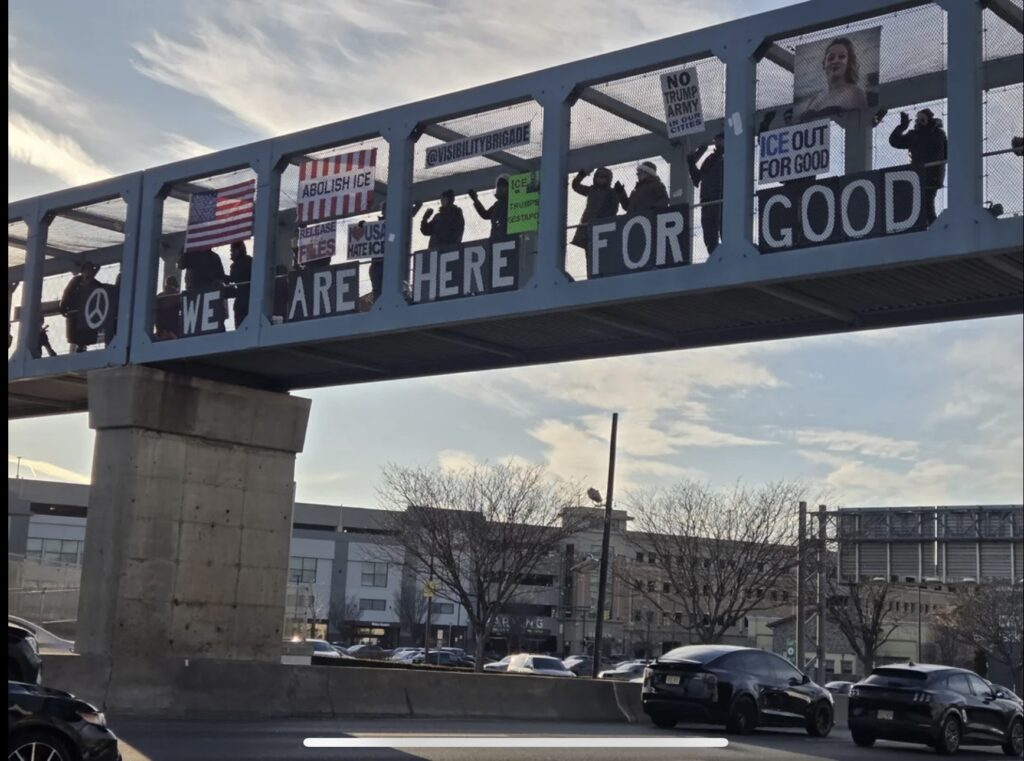
The protests are widespread and persistent. What began as localized responses to specific raids has coalesced into a sustained national movement against mass deportation policies.
· Los Angeles, June 2025: Massive protests erupted after ICE raids at locations including the Fashion District and a Home Depot. The administration’s response was swift and severe—the President federalized the California National Guard and deployed 700 Marines, moves later ruled illegal by a federal judge who found “no rebellion” that justified using troops for civilian law enforcement.
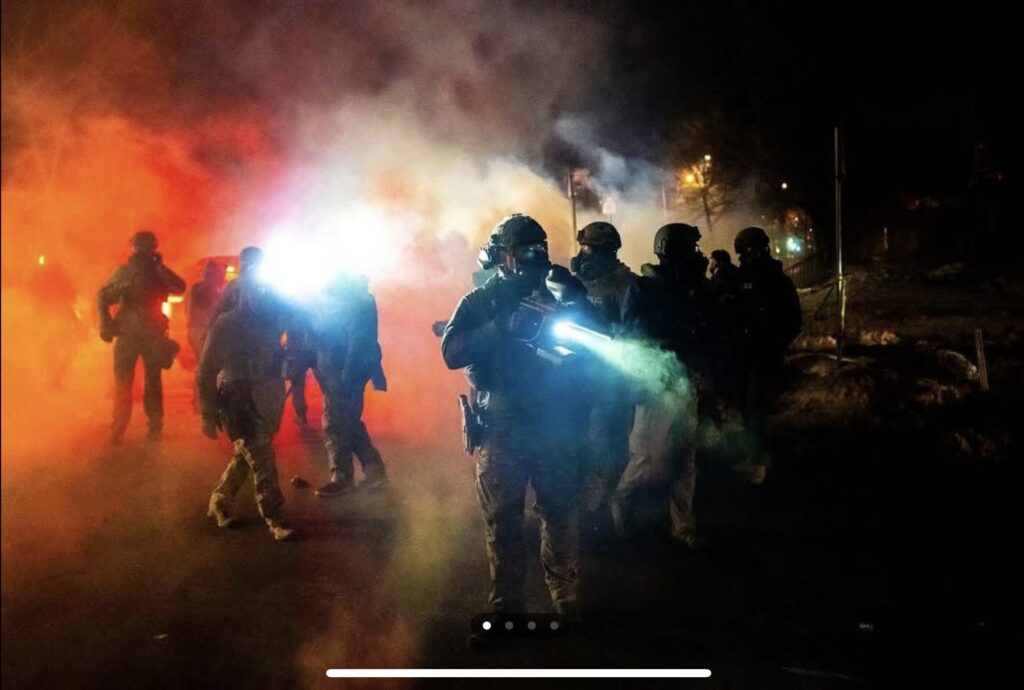
· Minneapolis, January 2026: The fatal shooting of 37-year-old Renee Nicole Good by an ICE agent sparked immediate outrage. When protests continued after another ICE shooting weeks later, the President threatened to invoke the Insurrection Act—a 19th-century law last used in 1992—to deploy active-duty military against American protesters.
· Coast-to-Coast Solidarity: From hundreds protesting in Charleston, South Carolina, to walkouts at Los Angeles high schools, to demonstrations in Chicago, Seattle, and Boston, the movement has shown remarkable breadth. As one 19-year-old protester in New York told NPR, “I feel like it’s more important for me, as somebody who is going to be part of the government, to voice my opinion”.

The Incidents That Ignited a Movement
Several key events have come to symbolize why so many Americans believe ICE operations require urgent scrutiny and restraint.
The Killing of Renee Good: Video footage shows ICE agents approaching Good’s car in Minneapolis. As she turns her wheel and the car pulls forward, an agent near the front of the vehicle points his gun and fires three shots. While the administration claims self-defense, the disturbing footage sparked national outcry and raised serious questions about proportional use of force.
Death and Injury During Raids: During a raid at a California farm, Jaime Alanis fell from a greenhouse roof while trying to hide from immigration agents, suffering fatal injuries. In Los Angeles, David Huerta, a union president, was arrested, injured, and hospitalized during protests.

Unprecedented Scale of Operations: In Minnesota, the administration launched what officials called the “largest immigration operation ever,” deploying up to 2,000 federal agents to the Minneapolis area. Governor Tim Walz criticized this as “a war that’s being waged against Minnesota”.
The Erosion of Constitutional Safeguards
Legal experts and former officials point to systematic changes that have removed crucial checks on ICE’s power.
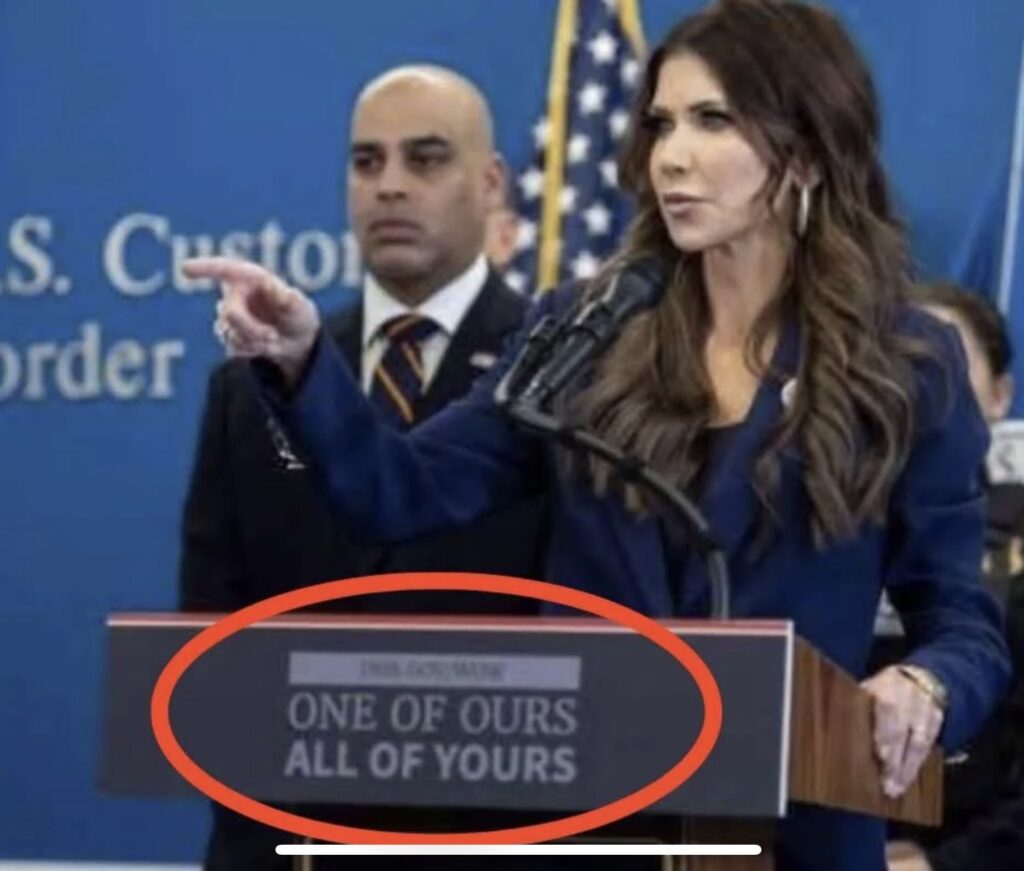
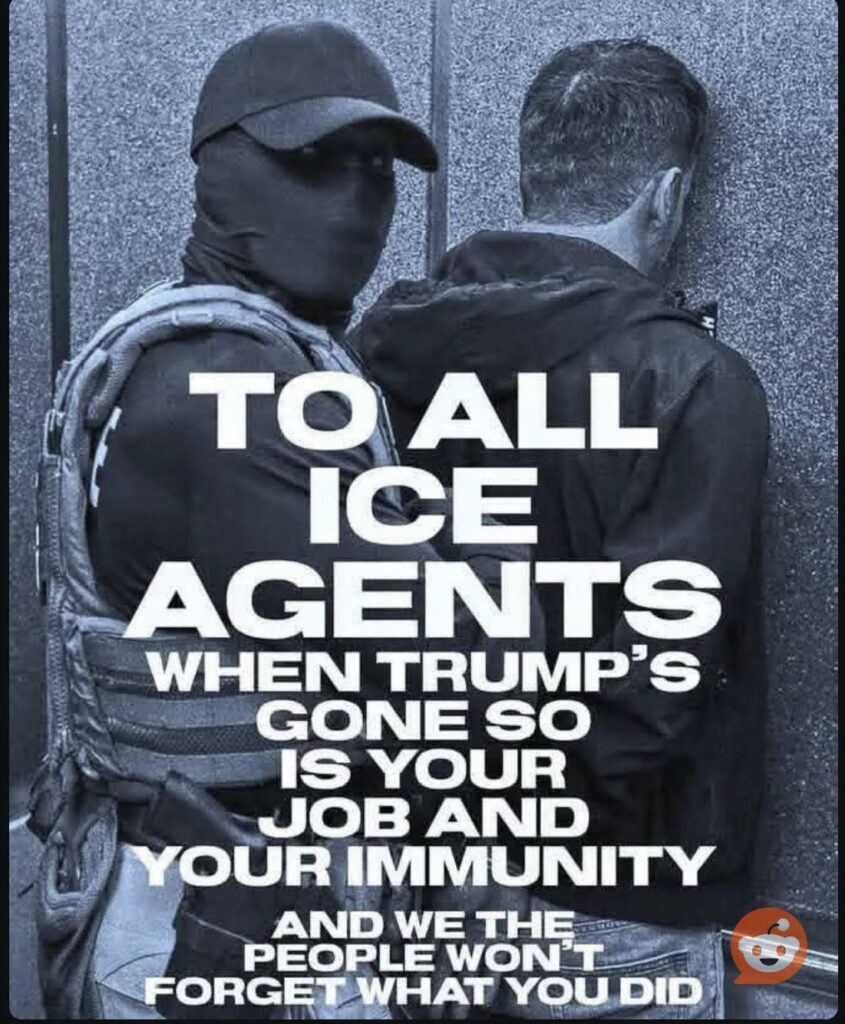
Gutted Oversight: Deborah Fleischaker, former acting chief of staff of ICE, notes that internal oversight mechanisms have been “gutted beyond all recognition”. She describes an agency now feeling “unconstrained,” with agents empowered to act on minimal “reasonable suspicion”.
Targeting American Citizens: Perhaps most alarmingly, American citizens have been caught in ICE’s net. The agency has a documented history of wrongfully detaining and deporting U.S. citizens. Under current policies, “collateral arrests” of citizens have been confirmed by Trump’s “border czar” Tom Homan. The Cato Institute reported a three-fold increase in the targeting of Hispanic Americans after directives to detain people at places like “Home Depots or 7-Elevens”.
Radical Proposals: The administration has explored sending American citizens to foreign prisons and increasing denaturalization proceedings. When Salvadoran President Nayib Bukele offered to house U.S. prisoners, the President responded, “if we had a legal right to do it, I would do it in a heartbeat”.
Life Under Siege: The Human Impact
Beyond the headlines and protests, the relentless enforcement has altered daily life in communities across America.
· Climate of Fear: In Southern California, home to an estimated 1.4 million undocumented immigrants, many are too afraid to go to work, school, or even the grocery store. Businesses have shuttered, and cities have canceled community events, including Fourth of July celebrations.
· Economic Disruption: “How am I going to pay my rent?” asked Carlos, who’s afraid to work since his sister was detained while selling tacos. Street vendors and farmers’ markets in normally bustling Latino neighborhoods now stand eerily quiet.
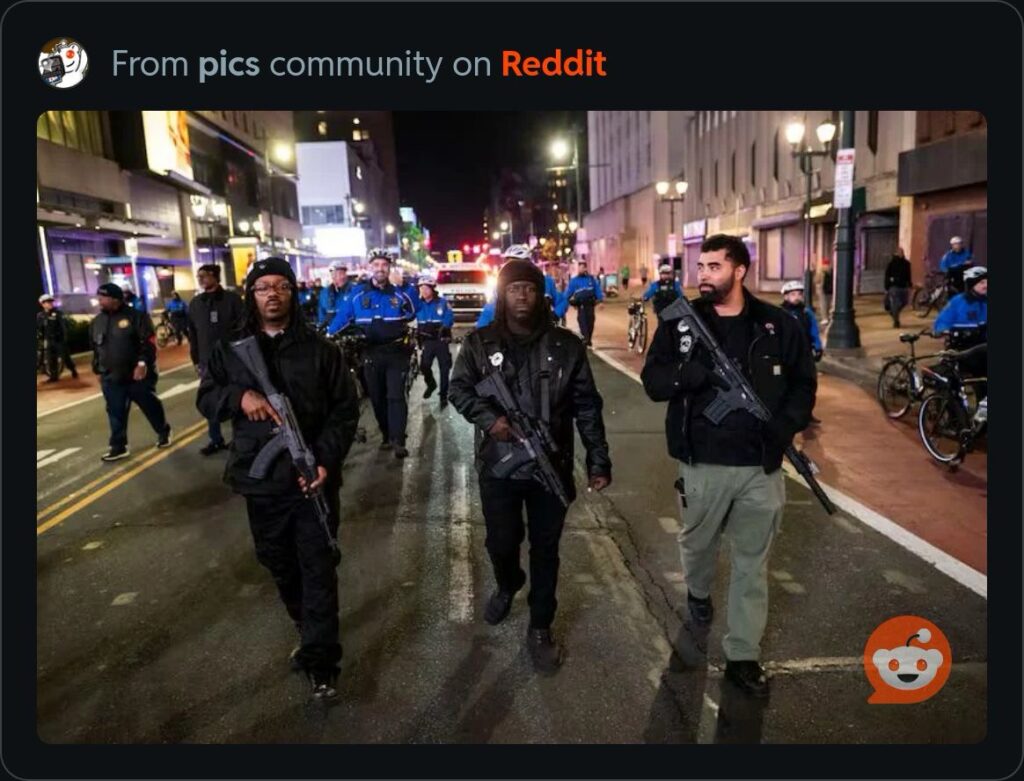
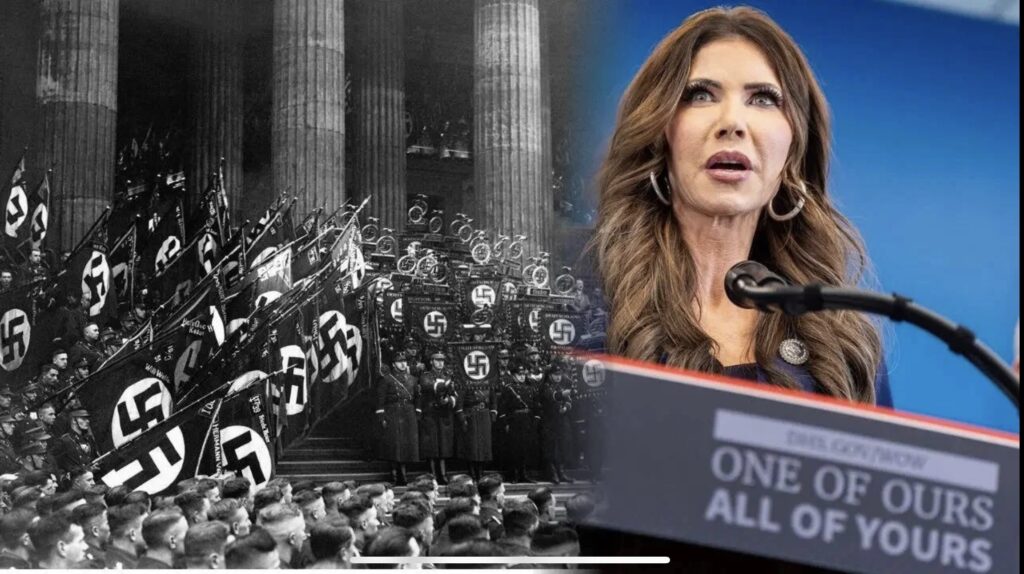
· Militarized Policing: The deployment of National Guard troops and Marines to American cities has created scenes more reminiscent of occupied territories than American communities. Minnesota Governor Tim Walz has likened ICE tactics to a “modern-day Gestapo”.
A Historical Crossroads
The current moment represents a profound test of American democratic principles. The threatened use of the Insurrection Act is particularly significant—this law hasn’t been invoked since 1992, and prior uses were primarily to protect civil rights marchers in the 1960s.
The protests represent more than disagreement with policy; they’re a defense of fundamental rights. As Time notes, polling suggests the administration’s mass deportation regime has become “wildly unpopular,” with Americans believing ICE raids are making things “less safe” by a margin of 51% to 31%.
The Path Forward
The protesters marching in cities across America are upholding a tradition of civic engagement that dates to the nation’s founding. They’re calling for:
- Accountability for agents who use excessive force
- Restoration of oversight mechanisms within ICE
- An end to the militarized response to peaceful protest
- Protection of constitutional rights for all people in America, regardless of citizenship status
As former ICE official Fleischaker warns, what’s happening now is “unprecedented”. The protesters in the streets understand what’s at stake—not just immigration policy, but the very character of American justice and the limits of government power over its own people.

Their message is clear: when an agency operates with impunity, when citizens become collateral damage, and when the response to peaceful protest is the threat of military force, something has gone profoundly wrong in America. And it will take the courage of ordinary citizens, standing together in cities across the nation, to set it right.