
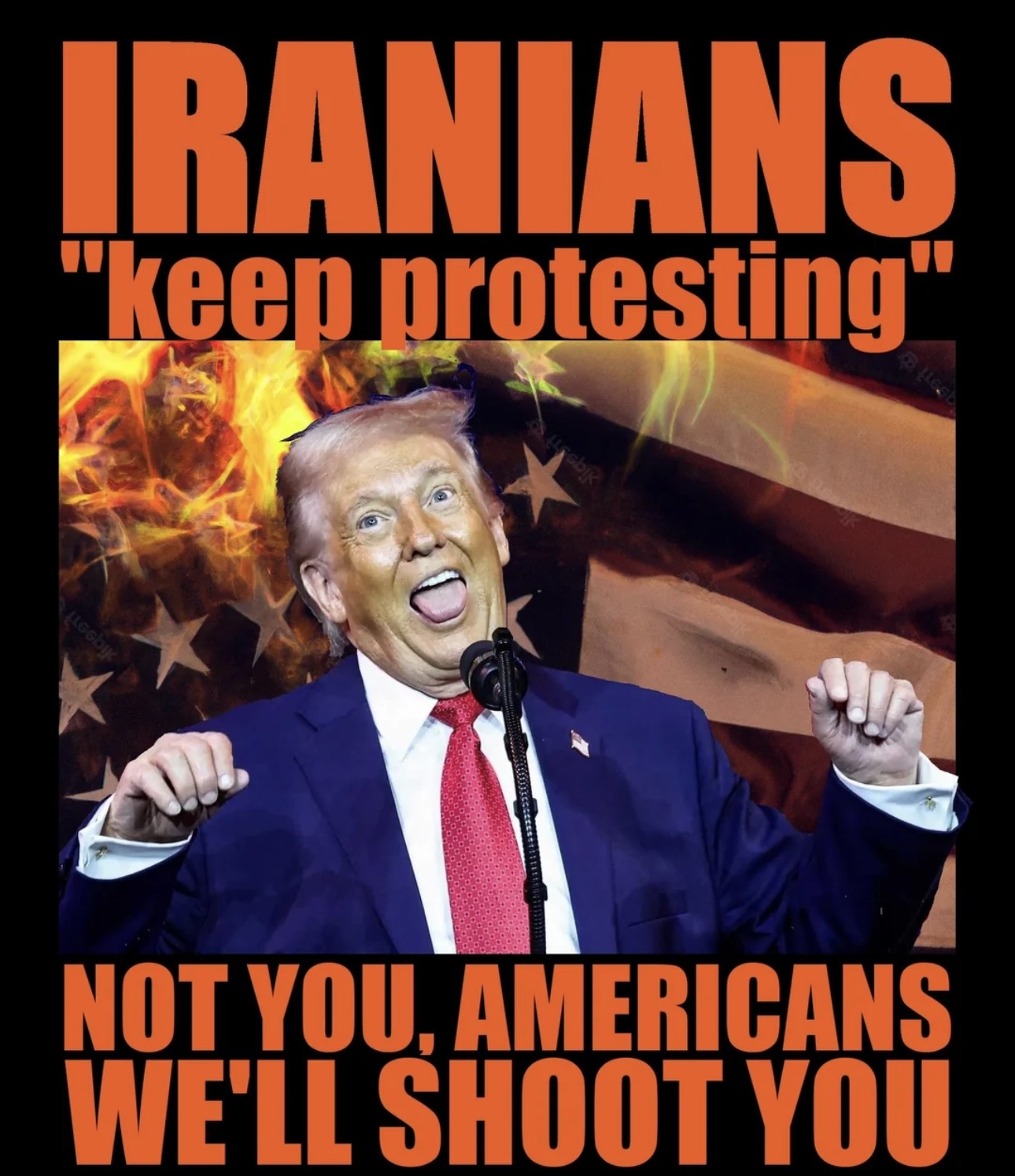
As the second year of Donald Trump’s historic second term begins, the American public has been treated to a masterclass in… something. Is it visionary leadership unbound by convention, or the unfiltered output of a mind showing its age? Let’s review the 2025 highlights that have left allies scrambling for explanations and medical analysts reaching for their diagnostic manuals.
The Grand Stage: A Symphony of Tangents and Fabrications
The President’s public appearances have evolved from rallies into experimental performance art, characterized by a daring disregard for linear narrative or factual reality.
· Historical Fiction: In a poignant moment, the President shared a warm, reflective memory of his uncle, the late professor John Trump, teaching and grading a young Ted Kaczynski (the Unabomber) at MIT. The touching anecdote is only marred by two minor details: his uncle died in 1985, over a decade before Kaczynski was publicly identified, and the Unabomber never studied at MIT.
· The “War on Windmills”: During a high-level meeting with European Commission President Ursula von der Leyen, the conversation pivoted from immigration to an impassioned, two-minute soliloquy on wind energy. The President warned that wind turbines drive whales “loco” and “kill the birds,” presenting a unique environmental stance seemingly unburdened by data (like the fact domestic cats and power lines are far greater threats to birds).
· Stairway to Obsession: In a meeting with top military commanders, strategic discourse gave way to a detailed analysis of presidential stair navigation. He critiqued Barack Obama’s allegedly reckless “bop” down the stairs (“da da da da da da, bop, bop, bop”) while praising his own cautious, record-avoiding descent. The lesson? “Be cool, be cool when you walk down”.
· The “Weave” Becomes a Tangle: Trump once described his speaking style as “the weave.” Now, it often resembles a snapped thread. He once spent over 13 minutes of a Cabinet meeting discussing the room’s decor—the paintings from “the vaults,” the importance of lamp medallions, and the philosophical dilemma of whether to use gold leaf on the moldings.
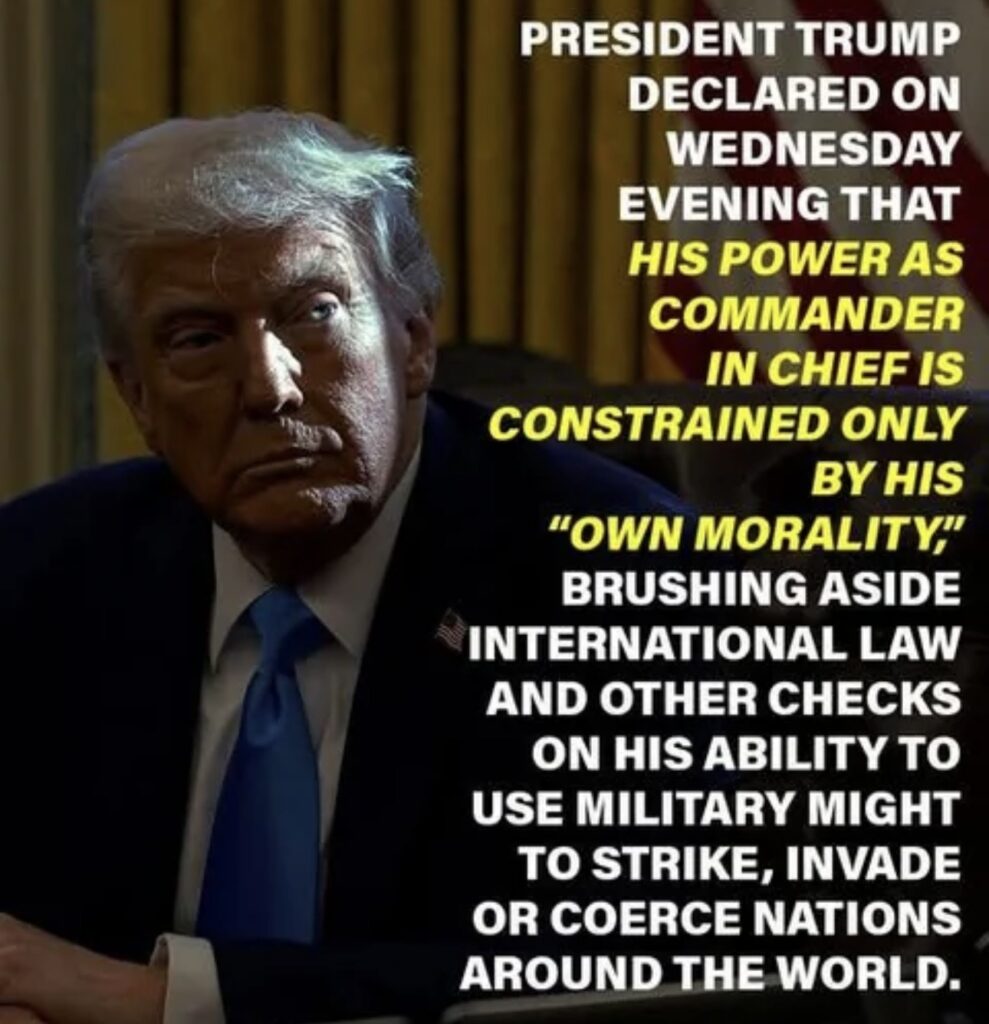
The Art of Presidential Rest: Eyes-Closed Leadership
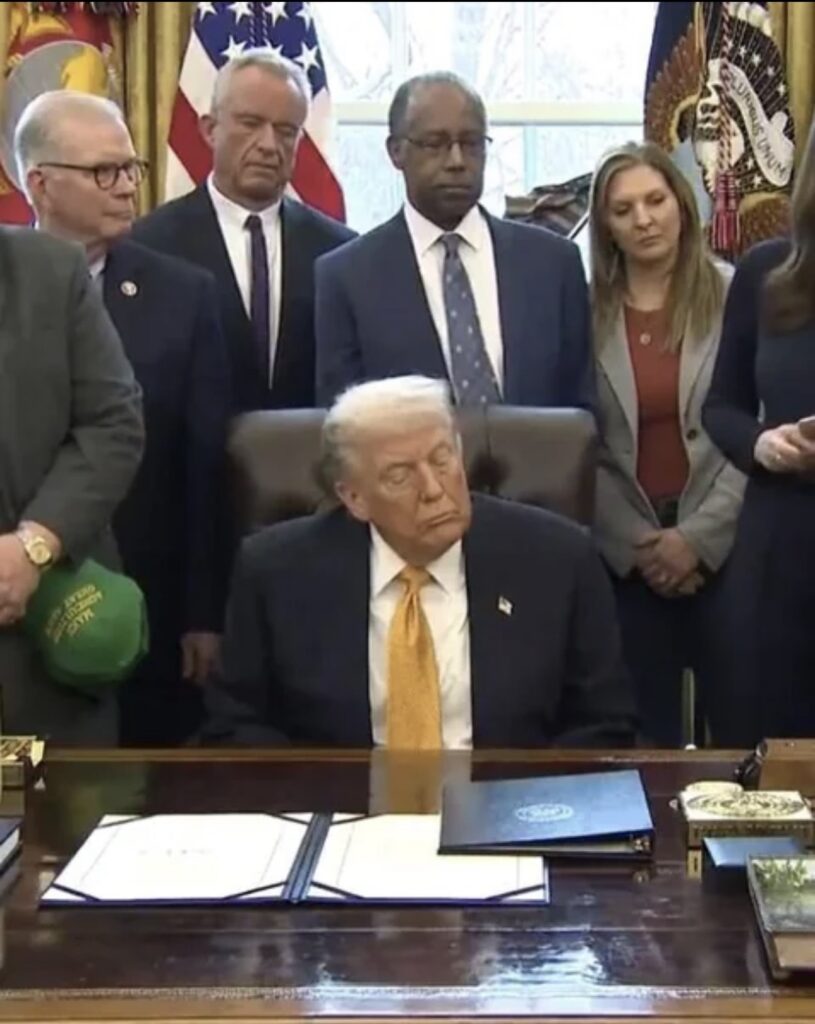
A cornerstone of the administration’s new efficiency model appears to be strategic micro-naps. Despite a reportedly reduced official schedule, the President has been observed with his eyes closed and head leaned back during:
· A Cabinet meeting he himself opened by criticizing media reports on his stamina.
· A meeting in the Oval Office.
· A press conference announcing cannabis reforms.
White House aides have a unified, curious defense: he is not asleep. He is simply resting his eyes while deeply engaged in thought. This “eyes-closed, deep-thinking” protocol represents a bold new frontier in executive time management.
Medical Mysteries and the All-Important Aspirin Regimen
The White House physician, Dr. Sean Barbabella, assures the nation the President is in “excellent overall health”. Yet, some puzzling physical manifestations have prompted questions:
· The Case of the Bruised Hands: Visible bruises and bandages have been explained as the combined result of enthusiastic handshaking and a self-prescribed high-dose aspirin regimen (325mg daily) to keep his blood “nice and thin”. Most cardiologists recommend a much lower 81mg dose for prevention due to bleeding risks, but the President prefers the stronger, four-times-higher dose.
· The Proactive MRI (Or Was It a CT Scan?): In October, the President mentioned undergoing an MRI. He later expressed regret for disclosing it, saying it gave critics “ammunition”. The White House later clarified it was a preventative cardiovascular CT scan, which experts note is not a standard test for an 80-year-old man and is not typically called “preventative”.
· The Cognitive Test Triumvirate: The President has repeatedly boasted of acing cognitive exams, announcing in early 2026 he scored “100%” for his “third straight time”. Medical analysts like Dr. Vin Gupta point out that frequently taking the Montreal Cognitive Assessment (MoCA) is not a flex: “Those that tend to do MoCA tests with that level of frequency, usually we’re worried about the presence of early-stage dementia or cognitive impairment”. Psychologist John Gartner was blunter: “If you’re giving it to him three times, that means you’re not assessing dementia. That means you’re monitoring dementia”.
The Official Line: A Paragon of Vitality
Confronted with this mosaic of behavior, the White House response is a study in vigorous denialism. Spokespersons dismiss reports as the work of “left-wing mouthpieces”. Former physician Rep. Ronny Jackson insists Trump is “the healthiest president this nation has ever seen”.
The President himself has declared that questioning his health is “seditious, perhaps even treasonous”, while simultaneously challenging political opponents to take the same cognitive tests he brags about acing.

As one expert summarized, the increasing frequency of bizarre speech and impulsive decisions—like abruptly playing DJ for 30 minutes at a town hall—are alarming signs. The “stable genius” who once vowed to liberate the nation from “Sleepy Joe” now navigates his days with closed-eye focus, historical creativity, and a steadfast belief that his cognitive test scores are the ultimate rebuttal to any and all questions. The American people are left to decide: is this peak performance, or is something clearly getting lost in the “weave”?