
Executive Summary
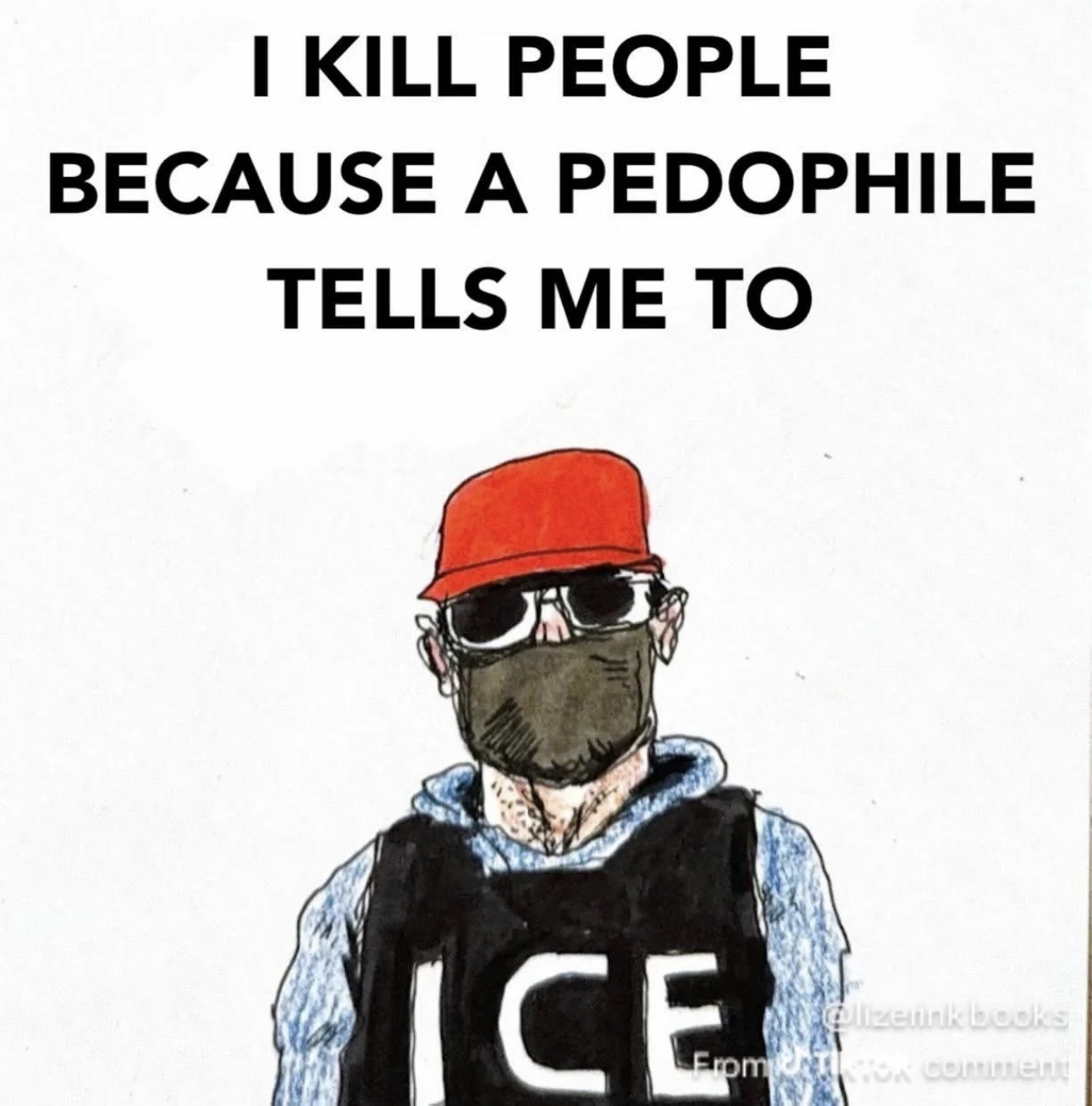
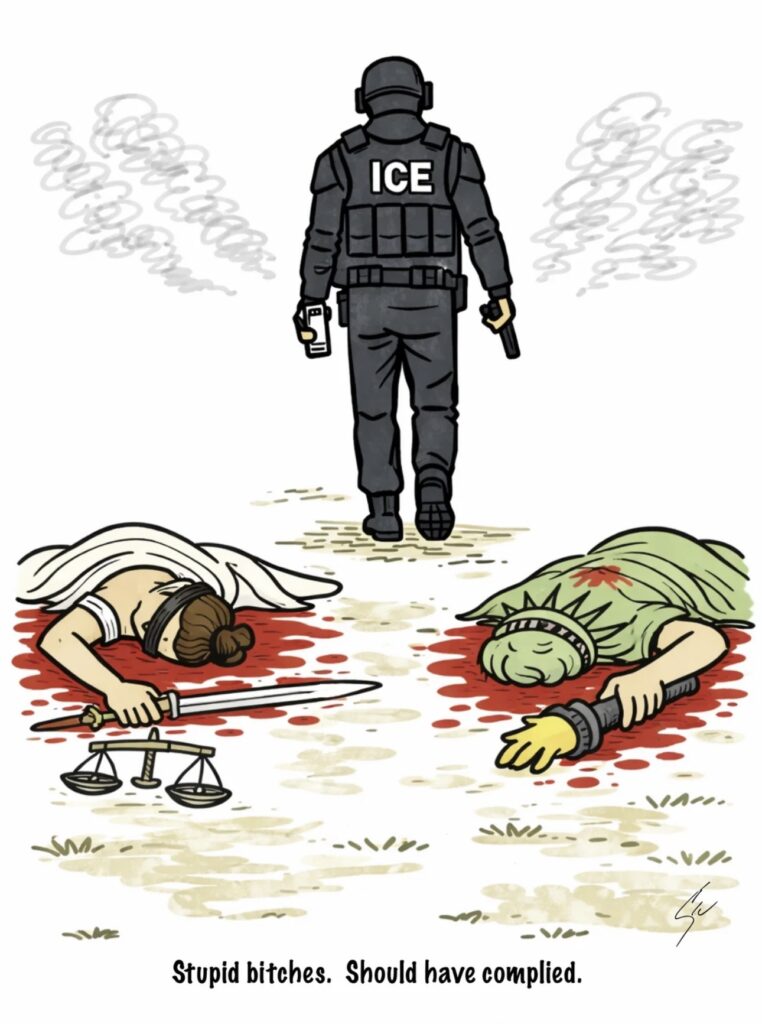
The Immigration and Customs Enforcement (ICE) agency under the Trump administration has undergone a fundamental transformation from an immigration enforcement body to a paramilitary policing force with documented patterns of constitutional violations, targeted political intimidation, and operational practices incompatible with democratic norms. This analysis examines whether these systematic practices constitute impeachable “high crimes and misdemeanors” or potentially treasonous conduct through their deliberate erosion of constitutional safeguards and weaponization against domestic political opposition. Evidence reveals a pattern of conduct that may violate multiple amendments to the U.S. Constitution while serving primarily political objectives rather than legitimate law enforcement purposes .
I. Legal Framework: Constitutional Violations and High Crimes
Systematic Fourth Amendment Violations
ICE operations under the Trump administration demonstrate a persistent pattern of warrantless and unconstitutional seizures:
· Warrantless arrests and detention: Documented cases show ICE agents conducting arrests without presenting warrants or identifying legal authority, particularly targeting sensitive locations like courthouses, schools, and places of worship .
· Expanded surveillance infrastructure: ICE has invested approximately $25 million in surveillance technologies including social media monitoring systems, cellphone location tracking, facial recognition, and remote hacking tools, often deployed without appropriate judicial oversight .
· Location tracking through data brokers: ICE circumvents Fourth Amendment requirements by purchasing location data from brokers rather than obtaining warrants, tracking protesters and activists who oppose administration policies.
First Amendment Suppression as Official Policy
Administration officials have explicitly stated intentions to target political opposition:
· Direct targeting of dissent: Acting ICE Director Todd Lyons stated ICE would “track the money” and “track these ringleaders” of anti-ICE protests, claiming without evidence that protesters were “professional agitators” .
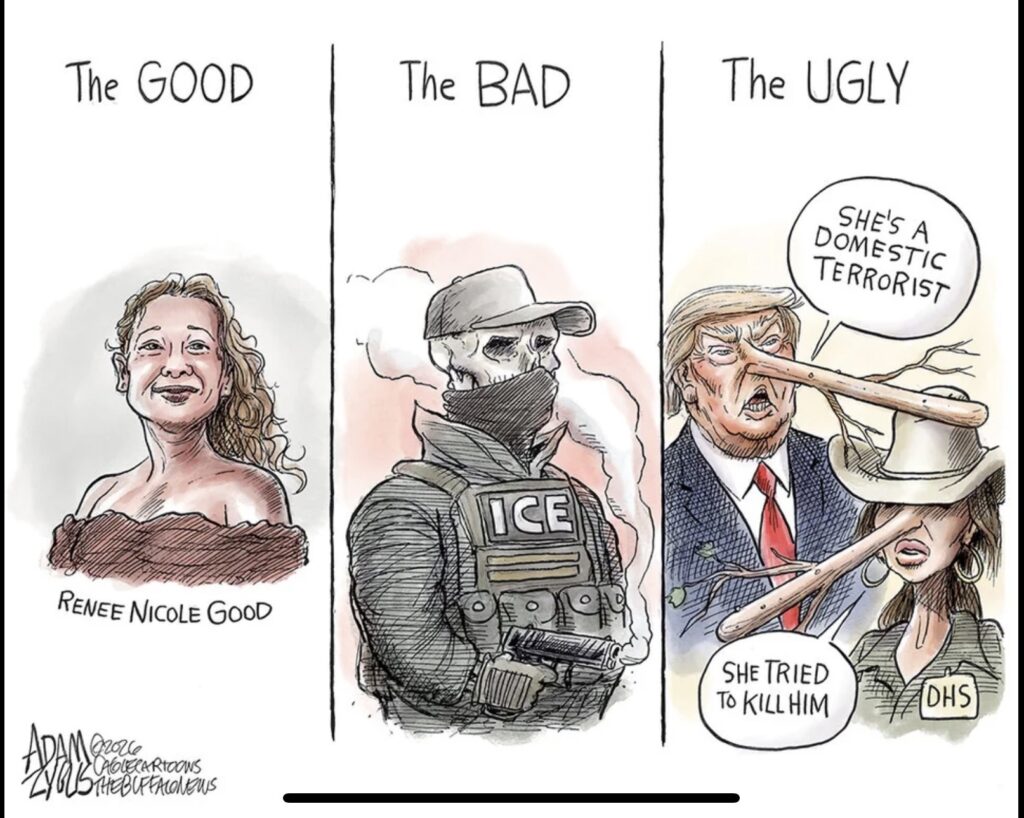
· Redefining protest as violence: Homeland Security Secretary Kristi Noem has stated that revealing agents’ identities and videotaping operations constitutes “violence,” while Border Patrol chief Gregory Bovino instructed officers to arrest protesters “who make hyperbolic comments” .
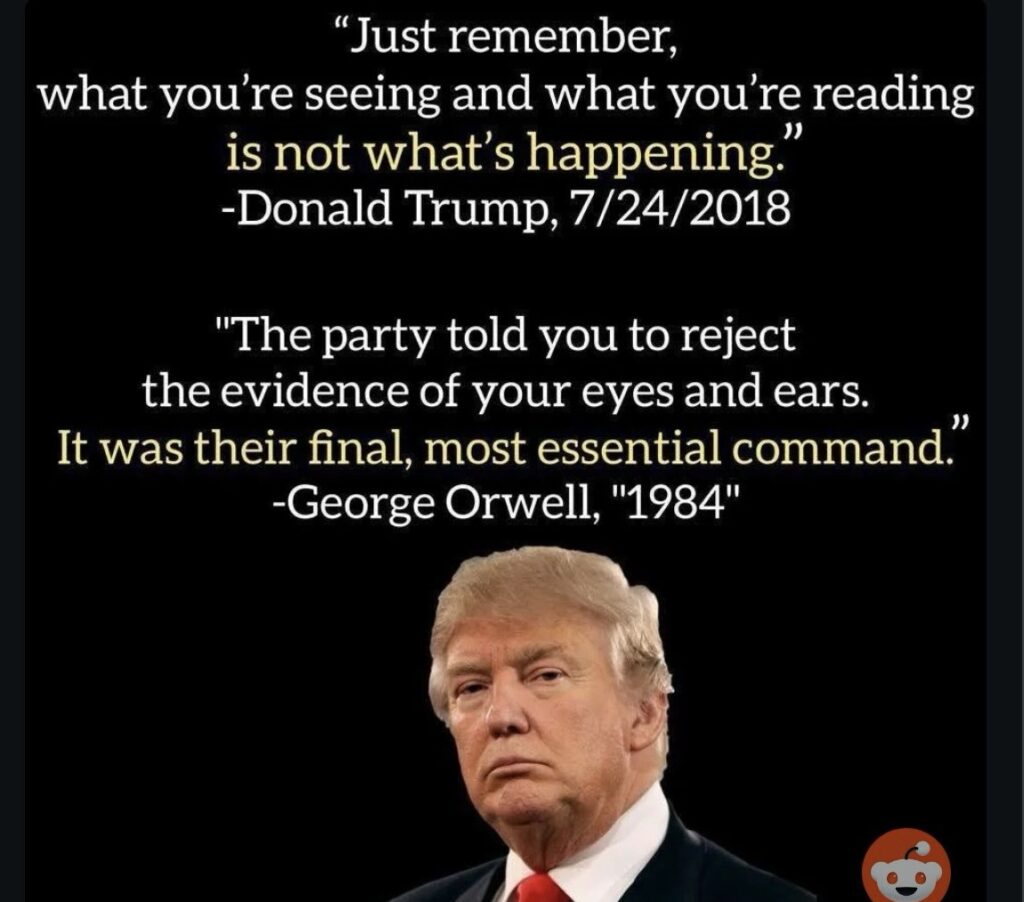
· Political memo as justification: A September 2025 presidential memo ordered federal law enforcement to focus on ideologies including “anti-Americanism, anti-capitalism, and anti-Christianity” and opposition to “foundational American principles” like support for border control .
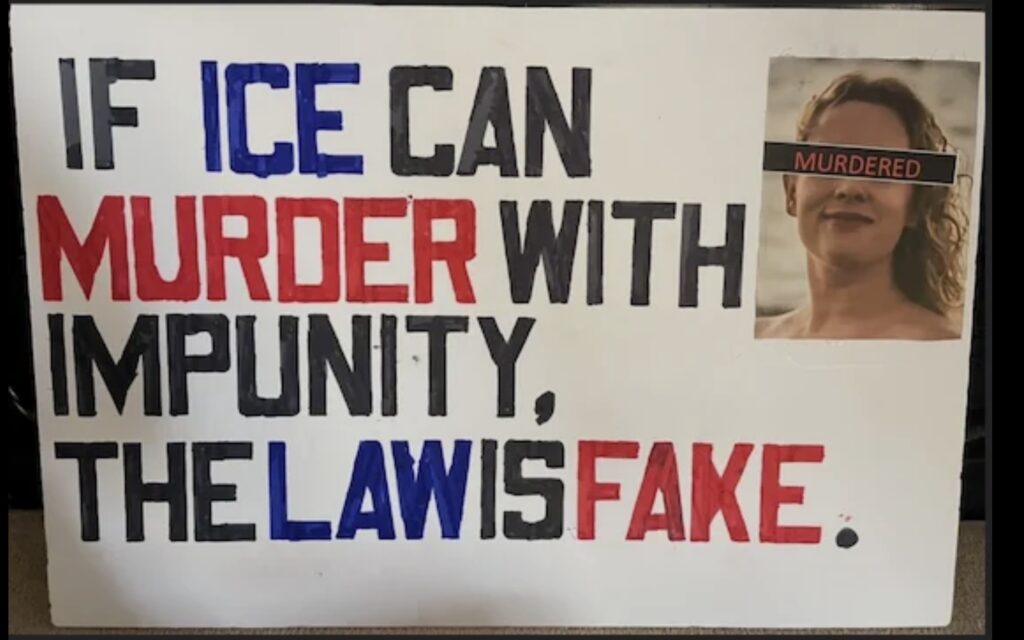
Masked Agents and the Destruction of Accountability
The widespread deployment of masked ICE agents represents a deliberate erosion of law enforcement accountability:
· Systematic concealment of identity: ICE agents now “commonly operate masked and without visible identification” according to Human Rights Watch, with the agency justifying this as necessary “to prevent doxing” – a blanket justification incompatible with human rights obligations .
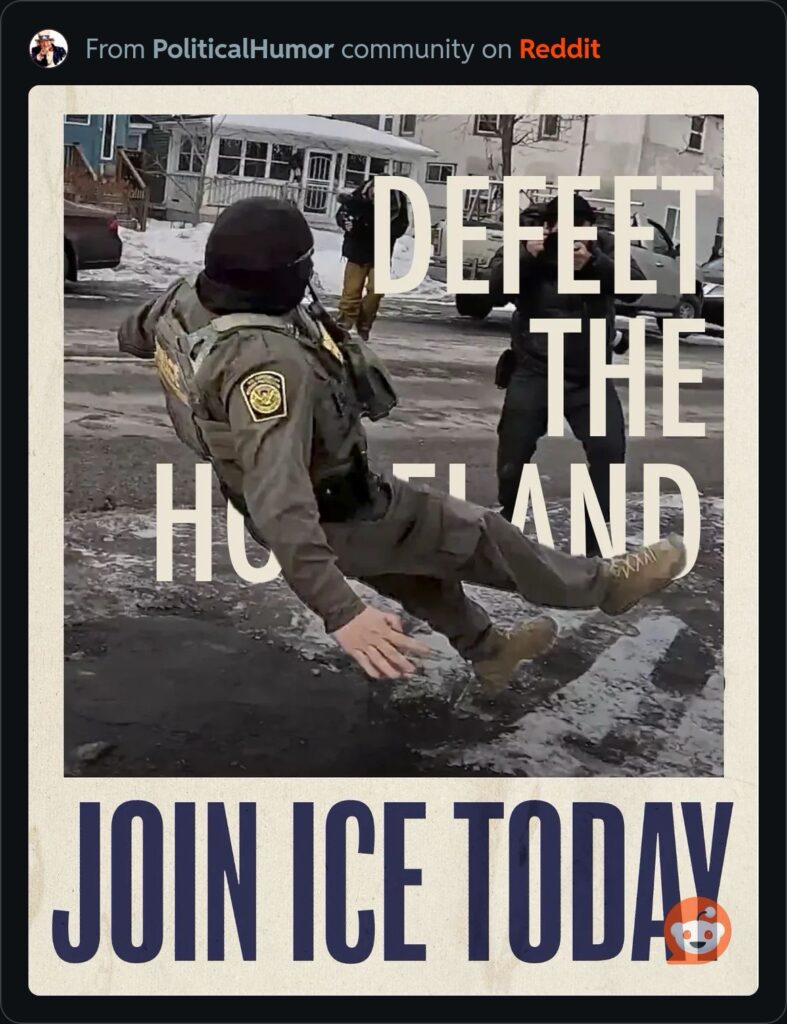
· Judicial condemnation: A federal judge explicitly rejected ICE’s rationale, stating “ICE goes masked for a single reason—to terrorize Americans into quiescence… We have never tolerated an armed masked secret police” .
· Climate of fear and impunity: Witnesses describe masked arrests as “frightening” with a sense that victims “couldn’t do anything if they were abused,” creating conditions where rights violations cannot be documented or challenged .
II. ICE as Political Weapon: Evidence and Patterns

Targeting Political Opponents and Officials
ICE and related agencies have been deployed against the administration’s political opponents:
· Arrest of elected officials: Federal agents arrested Representative LaMonica McIver and several other elected officials during an oversight attempt at an ICE facility in Newark .
· Detention of senators: Senator Alex Padilla was “forcibly handcuffed and detained” after attempting to question Homeland Security Secretary Kristi Noem about military deployments .
· Judicial intimidation: Milwaukee County Judge Hannah Dugan was arrested for allegedly “intentionally misdirected” federal agents, with Attorney General Pam Bondi stating the administration was “sending a very strong message” to judges .
Paramilitary Policing Force Development
The administration is systematically building a national policing apparatus with diminished accountability:

· Federalized National Guard deployments: The administration placed 200 Oregon National Guard under federal control despite state objections, with Trump stating troops should use American cities as “training grounds” .
· Military-style operations: In Chicago, “masked federal law enforcement agents armed with rifles roam the city’s tourist districts” while “camouflage-clad and masked federal agents” fired tear gas and pepper balls at protesters outside an ICE facility .
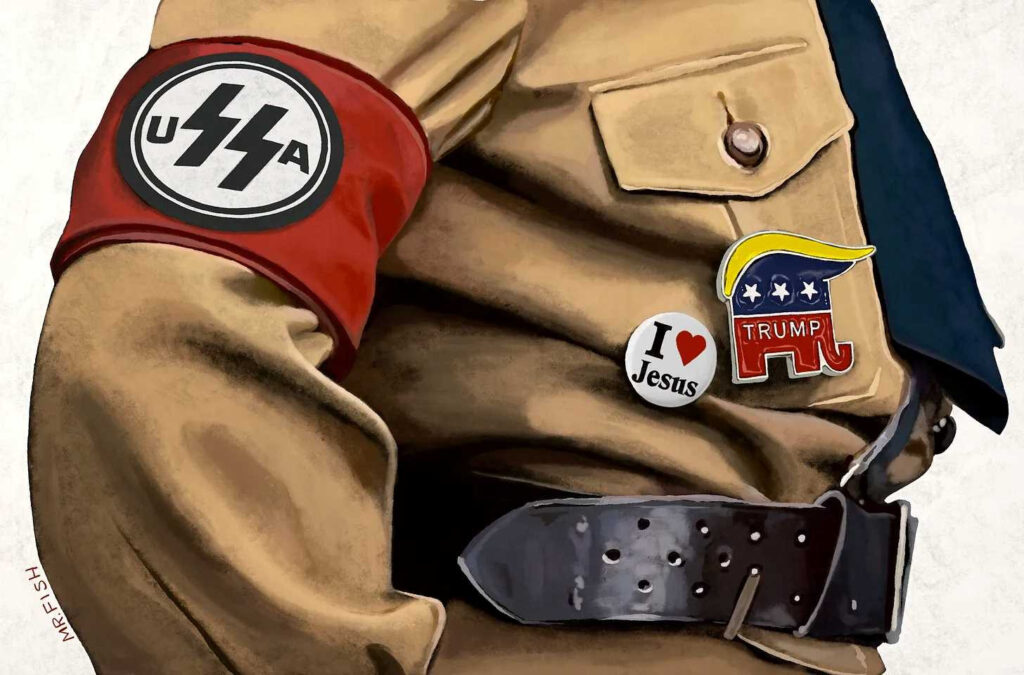
· Blurred legal boundaries: Operations intentionally “blur the lines of law and accountability that limit federal law enforcement, the military, and state and local police to their proper roles” .
III. Legal Analysis: From Constitutional Violations to Treason
Defining Treason and High Crimes
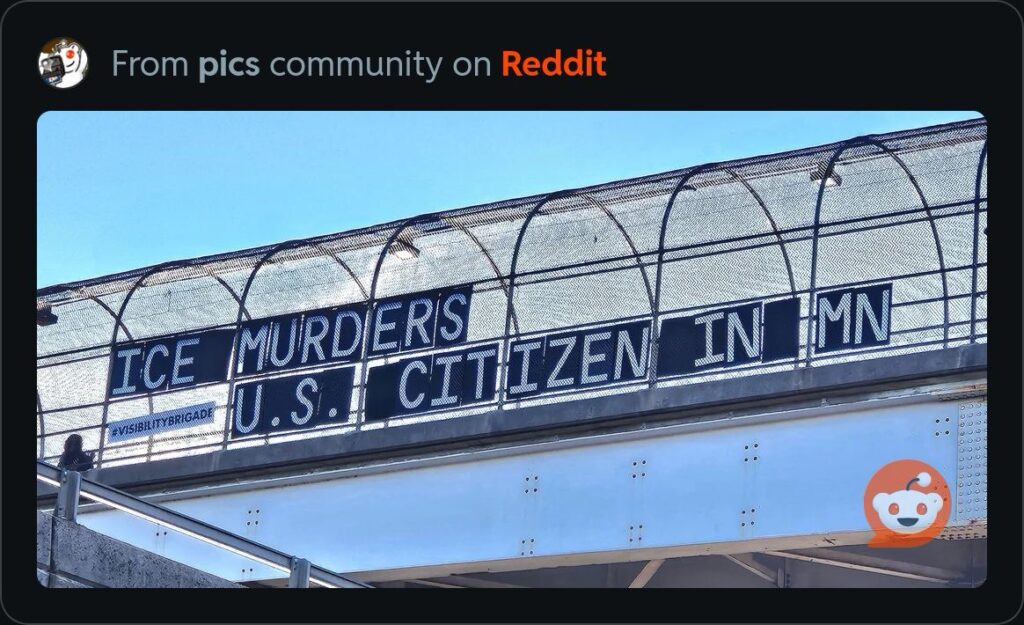
The Constitutional definition of treason includes “levying War against [the United States], or in adhering to their Enemies, giving them Aid and Comfort.” While ICE’s actions may not constitute traditional treason, they may represent constructive treason through the systematic dismantling of constitutional governance. More clearly, these patterns constitute “high crimes and misdemeanors” through:
· Subversion of constitutional order: Deliberate violation of multiple constitutional amendments as standard operating procedure.
· Weaponization of government: Using federal agencies to intimidate, surveil, and detain political opponents and critics.
· Erosion of checks and balances: Targeting judicial and legislative officials conducting legitimate oversight.

Constitutional Crisis: ICE’s Transformation into a Political Weapon and Potential Treasonous Implications
Executive Summary
The Immigration and Customs Enforcement (ICE) agency under the Trump administration has undergone a fundamental transformation from an immigration enforcement body to a paramilitary policing force with documented patterns of constitutional violations, targeted political intimidation, and operational practices incompatible with democratic norms. This analysis examines whether these systematic practices constitute impeachable “high crimes and misdemeanors” or potentially treasonous conduct through their deliberate erosion of constitutional safeguards and weaponization against domestic political opposition. Evidence reveals a pattern of conduct that may violate multiple amendments to the U.S. Constitution while serving primarily political objectives rather than legitimate law enforcement purposes .
I. Legal Framework: Constitutional Violations and High Crimes
Systematic Fourth Amendment Violations
ICE operations under the Trump administration demonstrate a persistent pattern of warrantless and unconstitutional seizures:
· Warrantless arrests and detention: Documented cases show ICE agents conducting arrests without presenting warrants or identifying legal authority, particularly targeting sensitive locations like courthouses, schools, and places of worship .
· Expanded surveillance infrastructure: ICE has invested approximately $25 million in surveillance technologies including social media monitoring systems, cellphone location tracking, facial recognition, and remote hacking tools, often deployed without appropriate judicial oversight .
· Location tracking through data brokers: ICE circumvents Fourth Amendment requirements by purchasing location data from brokers rather than obtaining warrants, tracking protesters and activists who oppose administration policies .
First Amendment Suppression as Official Policy
Administration officials have explicitly stated intentions to target political opposition:

· Direct targeting of dissent: Acting ICE Director Todd Lyons stated ICE would “track the money” and “track these ringleaders” of anti-ICE protests, claiming without evidence that protesters were “professional agitators” .
· Redefining protest as violence: Homeland Security Secretary Kristi Noem has stated that revealing agents’ identities and videotaping operations constitutes “violence,” while Border Patrol chief Gregory Bovino instructed officers to arrest protesters “who make hyperbolic comments” .
· Political memo as justification: A September 2025 presidential memo ordered federal law enforcement to focus on ideologies including “anti-Americanism, anti-capitalism, and anti-Christianity” and opposition to “foundational American principles” like support for border control .
Masked Agents and the Destruction of Accountability
The widespread deployment of masked ICE agents represents a deliberate erosion of law enforcement accountability:
· Systematic concealment of identity: ICE agents now “commonly operate masked and without visible identification” according to Human Rights Watch, with the agency justifying this as necessary “to prevent doxing” – a blanket justification incompatible with human rights obligations .

· Judicial condemnation: A federal judge explicitly rejected ICE’s rationale, stating “ICE goes masked for a single reason—to terrorize Americans into quiescence… We have never tolerated an armed masked secret police” .
· Climate of fear and impunity: Witnesses describe masked arrests as “frightening” with a sense that victims “couldn’t do anything if they were abused,” creating conditions where rights violations cannot be documented or challenged .
II. ICE as Political Weapon: Evidence and Patterns
Targeting Political Opponents and Officials
ICE and related agencies have been deployed against the administration’s political opponents:
· Arrest of elected officials: Federal agents arrested Representative LaMonica McIver and several other elected officials during an oversight attempt at an ICE facility in Newark .
· Detention of senators: Senator Alex Padilla was “forcibly handcuffed and detained” after attempting to question Homeland Security Secretary Kristi Noem about military deployments .
· Judicial intimidation: Milwaukee County Judge Hannah Dugan was arrested for allegedly “intentionally misdirected” federal agents, with Attorney General Pam Bondi stating the administration was “sending a very strong message” to judges .
Paramilitary Policing Force Development
The administration is systematically building a national policing apparatus with diminished accountability:
· Federalized National Guard deployments: The administration placed 200 Oregon National Guard under federal control despite state objections, with Trump stating troops should use American cities as “training grounds” .
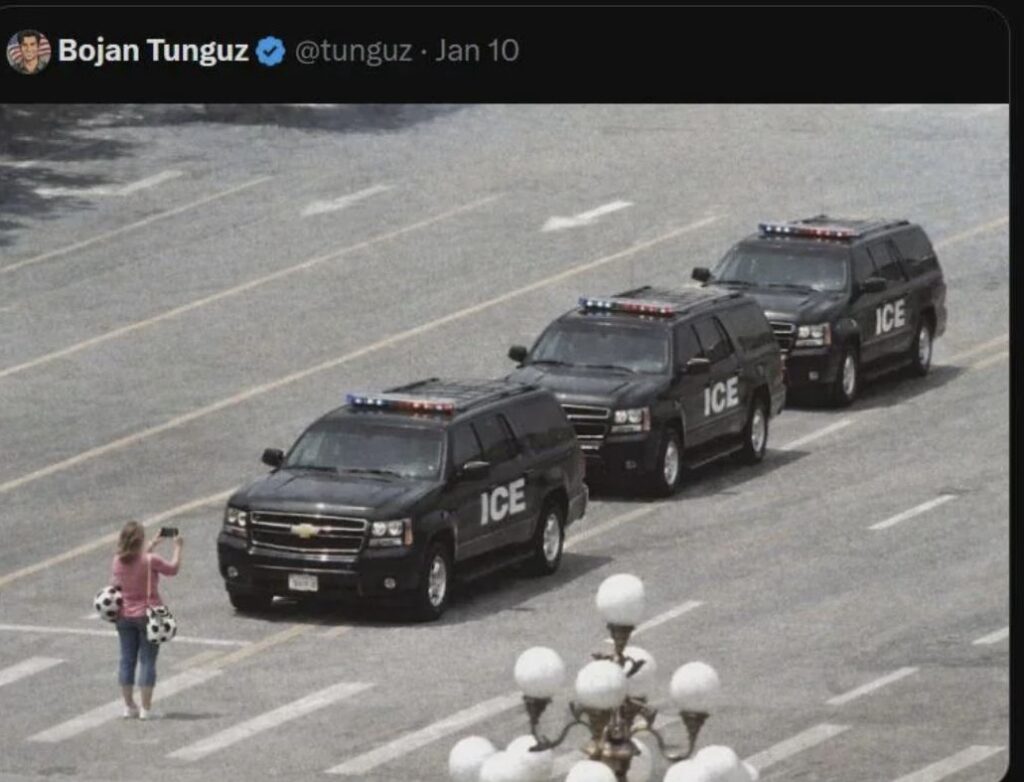
· Military-style operations: In Chicago, “masked federal law enforcement agents armed with rifles roam the city’s tourist districts” while “camouflage-clad and masked federal agents” fired tear gas and pepper balls at protesters outside an ICE facility .
· Blurred legal boundaries: Operations intentionally “blur the lines of law and accountability that limit federal law enforcement, the military, and state and local police to their proper roles” .

III. Legal Analysis: From Constitutional Violations to Treason
Defining Treason and High Crimes
The Constitutional definition of treason includes “levying War against [the United States], or in adhering to their Enemies, giving them Aid and Comfort.” While ICE’s actions may not constitute traditional treason, they may represent constructive treason through the systematic dismantling of constitutional governance. More clearly, these patterns constitute “high crimes and misdemeanors” through:
· Subversion of constitutional order: Deliberate violation of multiple constitutional amendments as standard operating procedure.
· Weaponization of government: Using federal agencies to intimidate, surveil, and detain political opponents and critics.
· Erosion of checks and balances: Targeting judicial and legislative officials conducting legitimate oversight.
Comparative Legal Analysis
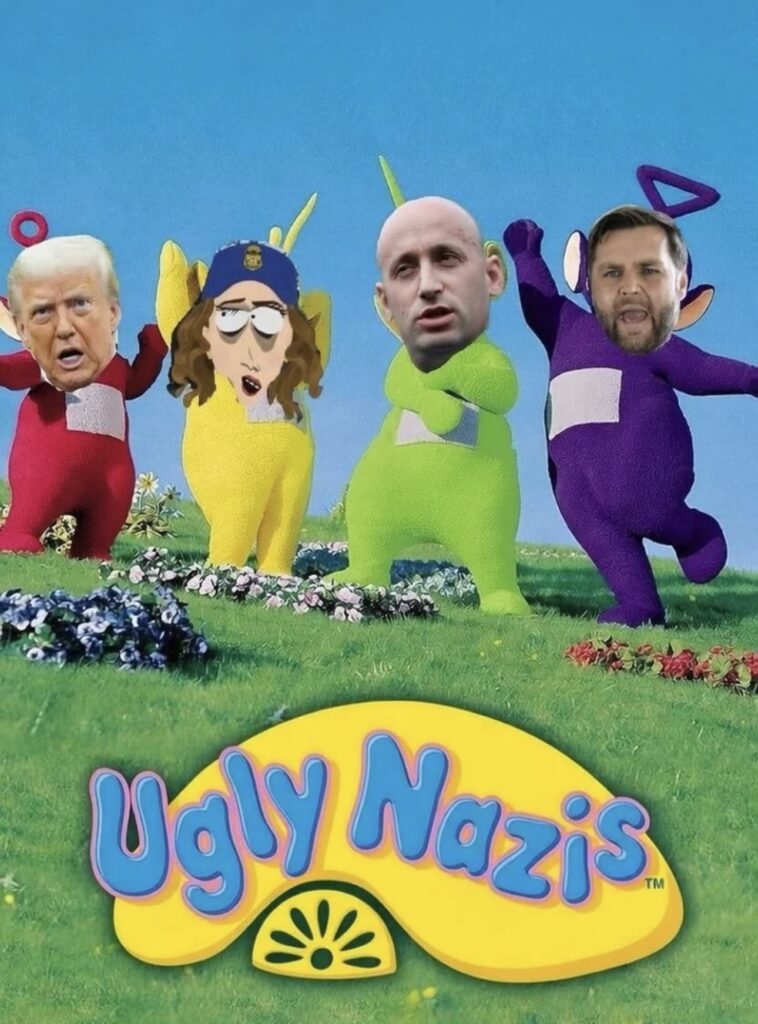
Historical precedents suggest these patterns align with authoritarian consolidation rather than legitimate law enforcement:
· Secret police tactics: The use of masked, unidentified agents parallels practices of regimes that employ secret police for political control rather than public safety .
· Political surveillance state: The investment in surveillance infrastructure targeting political speech resembles intelligence operations against foreign adversaries rather than domestic law enforcement .
· Military-police fusion: The blending of military and police functions with reduced constitutional constraints represents a fundamental restructuring of civil-military relations .
Potential Legal Consequences and Remedies
Available mechanisms for addressing these violations include:
· Impeachment proceedings: As noted in discussions of impeachment abuse, “impeachment is a critical tool for accountability in limited circumstances” when officials commit “high crimes and misdemeanors” .
· Judicial intervention: Federal courts have already begun condemning these practices, with one judge stating “We have never tolerated an armed masked secret police” .
· Legislative restrictions: Proposed legislation like the VISIBLE Act would prohibit nonmedical face coverings for immigration officers and require identification .
· State resistance: Over half of states have passed “Firewall measures” to limit cooperation with federal immigration enforcement that violates rights .
IV. Conclusion: Constitutional Crisis and Democratic Survival
The transformation of ICE under the Trump administration represents a fundamental threat to constitutional governance through its systematic violation of rights, targeting of political opposition, and development of paramilitary capabilities unaccountable to democratic oversight. While the precise legal categorization of these actions may be debated, their cumulative effect constitutes a grave subversion of constitutional order that meets the threshold for impeachment and potentially approaches constructive treason through the dismantling of republican safeguards.
The documented patterns reveal not isolated excesses but institutionalized practices designed to intimidate political opposition, suppress protected speech, and normalize extra-constitutional enforcement. As noted in analyses of democratic erosion, the weakening of norms limiting government power “is one of the hallmarks of rising authoritarianism and a danger to democracy” . The response to this constitutional crisis will determine whether the United States maintains its commitment to limited government and protected liberties or accelerates toward authoritarian consolidation.
Key Legal Violations Documented
Fourth Amendment Issues
· Warrantless arrests and detentions
· Warrantless surveillance expansion
· Location tracking without judicial oversight
First Amendment Issues
· Direct targeting of political speech
· Redefining protest as violence
· Surveillance of ideological positions
Due Process Issues
· Masked agents preventing identification
· Arrests without presented authority
· Intimidation of judicial officials
Separation of Powers Issues
· Targeting legislative oversight
· Federalizing state National Guard units
· Blurring military/police functions
Note: This legal analysis is based on documented patterns and practices from multiple human rights, legal, and journalistic sources. The question of whether specific actions constitute treason would ultimately require judicial determination, but the systematic nature of constitutional violations establishes clear grounds for impeachment proceedings and urgent congressional oversight.
Comparative Legal Analysis
Historical precedents suggest these patterns align with authoritarian consolidation rather than legitimate law enforcement:
· Secret police tactics: The use of masked, unidentified agents parallels practices of regimes that employ secret police for political control rather than public safety .
· Political surveillance state: The investment in surveillance infrastructure targeting political speech resembles intelligence operations against foreign adversaries rather than domestic law enforcement .
· Military-police fusion: The blending of military and police functions with reduced constitutional constraints represents a fundamental restructuring of civil-military relations .
Potential Legal Consequences and Remedies
Available mechanisms for addressing these violations include:
· Impeachment proceedings: As noted in discussions of impeachment abuse, “impeachment is a critical tool for accountability in limited circumstances” when officials commit “high crimes and misdemeanors” .
· Judicial intervention: Federal courts have already begun condemning these practices, with one judge stating “We have never tolerated an armed masked secret police” .
· Legislative restrictions: Proposed legislation like the VISIBLE Act would prohibit nonmedical face coverings for immigration officers and require identification .
· State resistance: Over half of states have passed “Firewall measures” to limit cooperation with federal immigration enforcement that violates rights .
IV. Conclusion: Constitutional Crisis and Democratic Survival
The transformation of ICE under the Trump administration represents a fundamental threat to constitutional governance through its systematic violation of rights, targeting of political opposition, and development of paramilitary capabilities unaccountable to democratic oversight. While the precise legal categorization of these actions may be debated, their cumulative effect constitutes a grave subversion of constitutional order that meets the threshold for impeachment and potentially approaches constructive treason through the dismantling of republican safeguards.
The documented patterns reveal not isolated excesses but institutionalized practices designed to intimidate political opposition, suppress protected speech, and normalize extra-constitutional enforcement. As noted in analyses of democratic erosion, the weakening of norms limiting government power “is one of the hallmarks of rising authoritarianism and a danger to democracy” . The response to this constitutional crisis will determine whether the United States maintains its commitment to limited government and protected liberties or accelerates toward authoritarian consolidation.
Key Legal Violations Documented
Fourth Amendment Issues
· Warrantless arrests and detentions
· Warrantless surveillance expansion
· Location tracking without judicial oversight
First Amendment Issues
· Direct targeting of political speech
· Redefining protest as violence
· Surveillance of ideological positions
Due Process Issues
· Masked agents preventing identification
· Arrests without presented authority
· Intimidation of judicial officials
Separation of Powers Issues
· Targeting legislative oversight
· Federalizing state National Guard units
· Blurring military/police functions
Note: This legal analysis is based on documented patterns and practices from multiple human rights, legal, and journalistic sources. The question of whether specific actions constitute treason would ultimately require judicial determination, but the systematic nature of constitutional violations establishes clear grounds for impeachment proceedings and urgent congressional oversight.