
The Fatal Encounter and Immediate Fallout
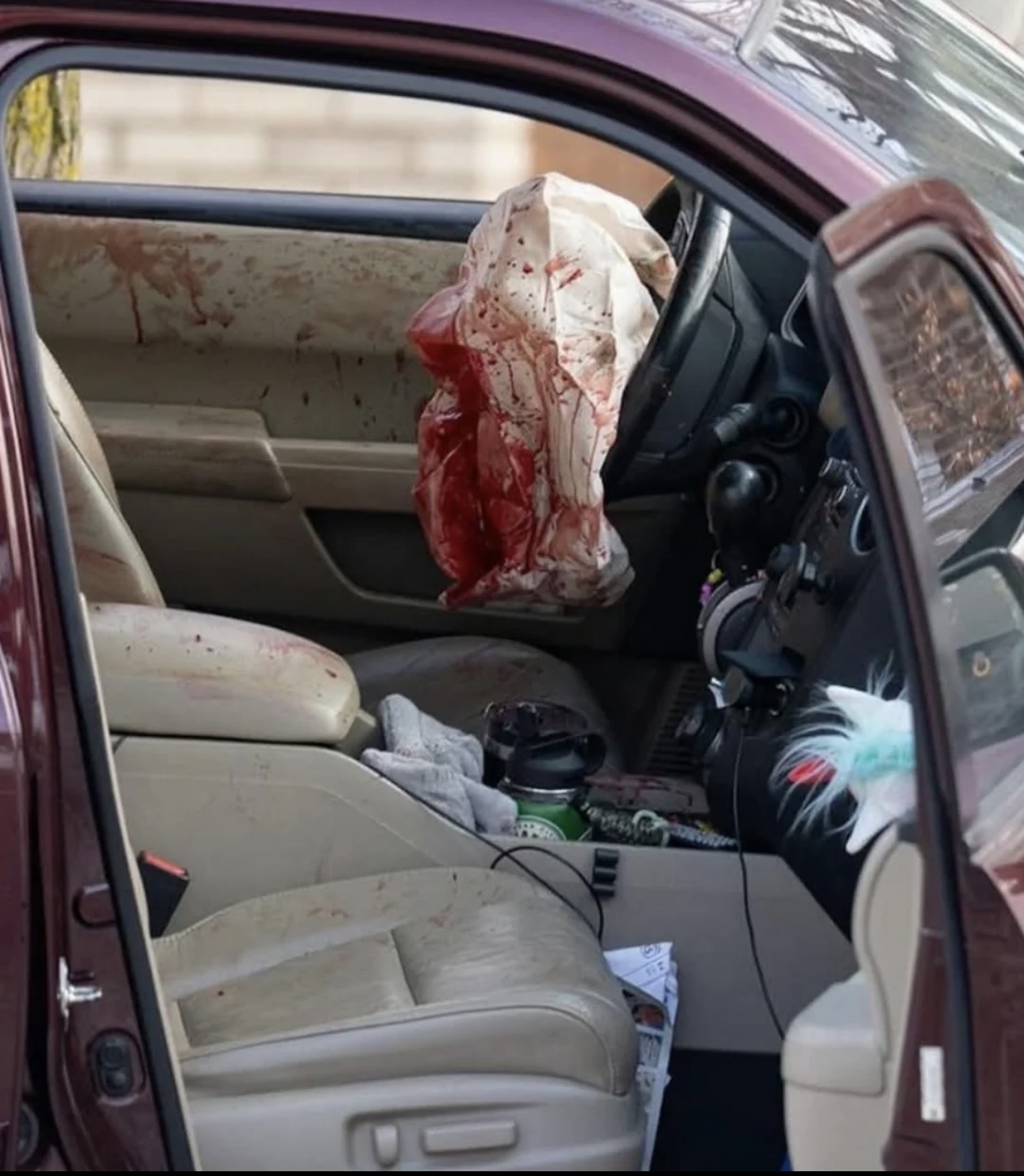
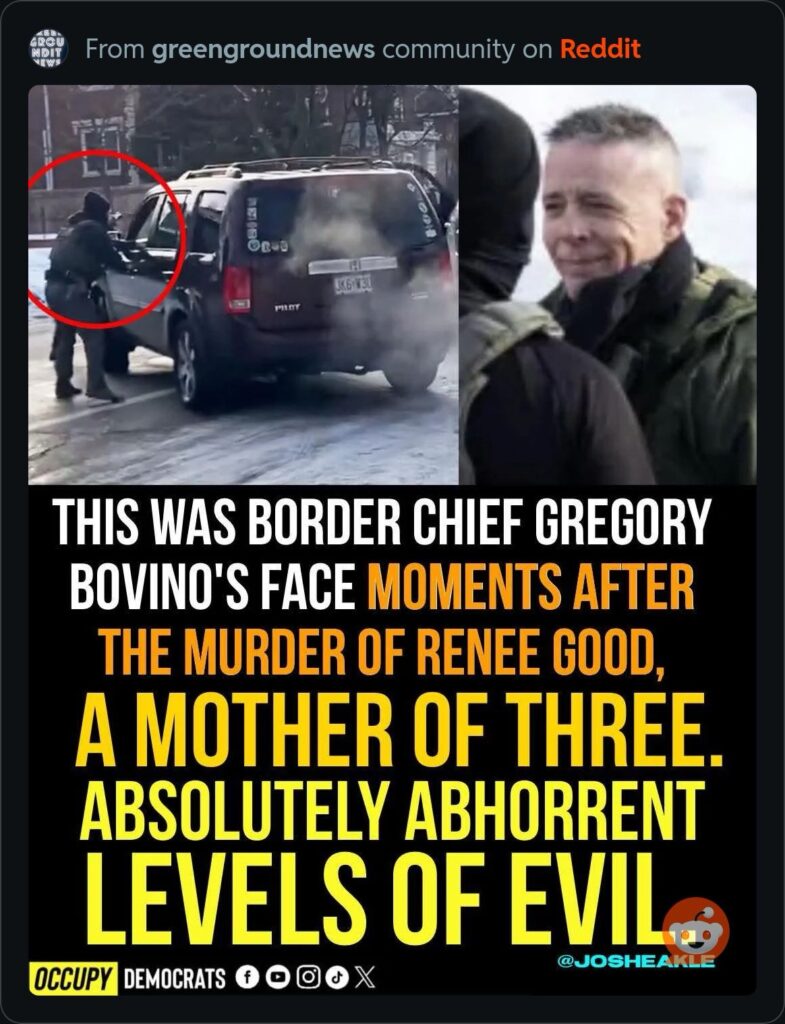
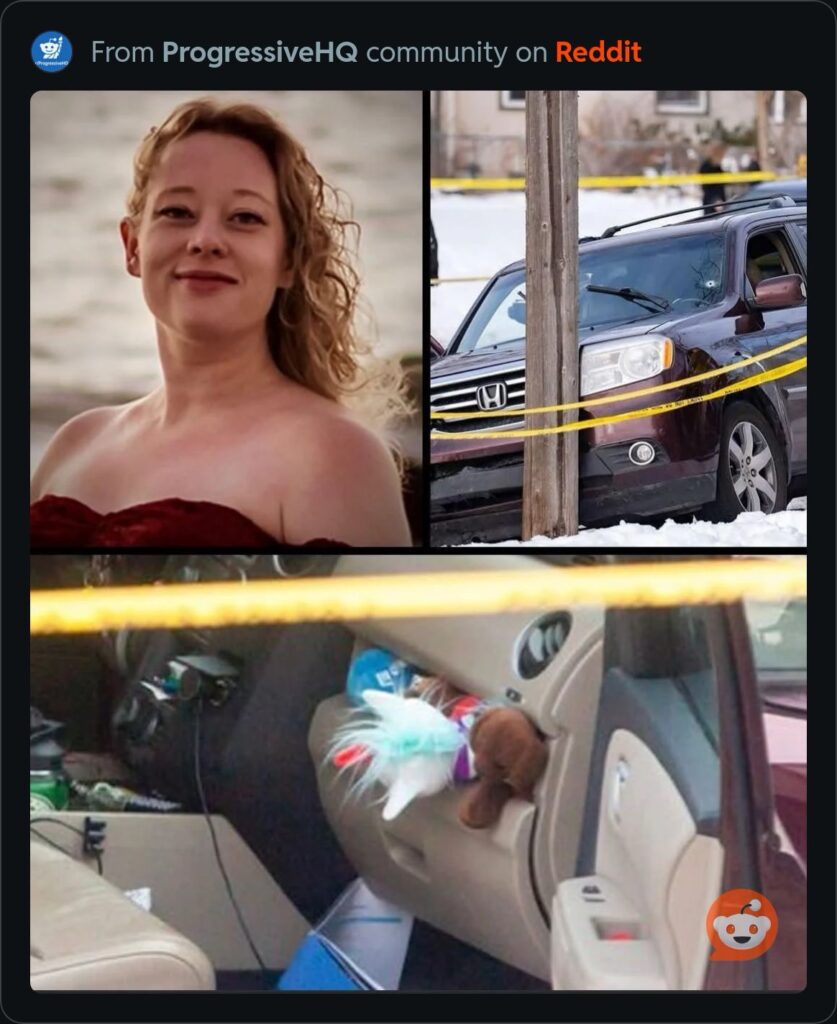
On January 7, 2026, 37-year-old Renee Nicole Good was fatallya shot by an Immigration and Customs Enforcement (ICE) officer in Minneapolis. The incident occurred during the Trump administration’s historic deportation campaign, and Good, who was seated in her car, was described by the Department of Homeland Security as a “rioter” attempting to use her vehicle against officers. Multiple videos of the scene, however, presented a more nuanced picture, showing the car backing up and then moving forward before the officer fired. Almost immediately, political leaders divided along partisan lines in their interpretations of the event.
How JD Vance’s Defense of a Fatal ICE Shooting Ended His Presidential Ambitions: A Story of White Grievance Politics
The Fatal Encounter and Immediate Fallout
On January 7, 2026, 37-year-old Renee Nicole Good was fatally shot by an Immigration and Customs Enforcement (ICE) officer in Minneapolis. The incident occurred during the Trump administration’s historic deportation campaign, and Good, who was seated in her car, was described by the Department of Homeland Security as a “rioter” attempting to use her vehicle against officers. Multiple videos of the scene, however, presented a more nuanced picture, showing the car backing up and then moving forward before the officer fired. Almost immediately, political leaders divided along partisan lines in their interpretations of the event.
Key Statements Following the Shooting:
· President Donald Trump: Claimed Good “viciously ran over” the ICE officer, though video appeared to contradict this.
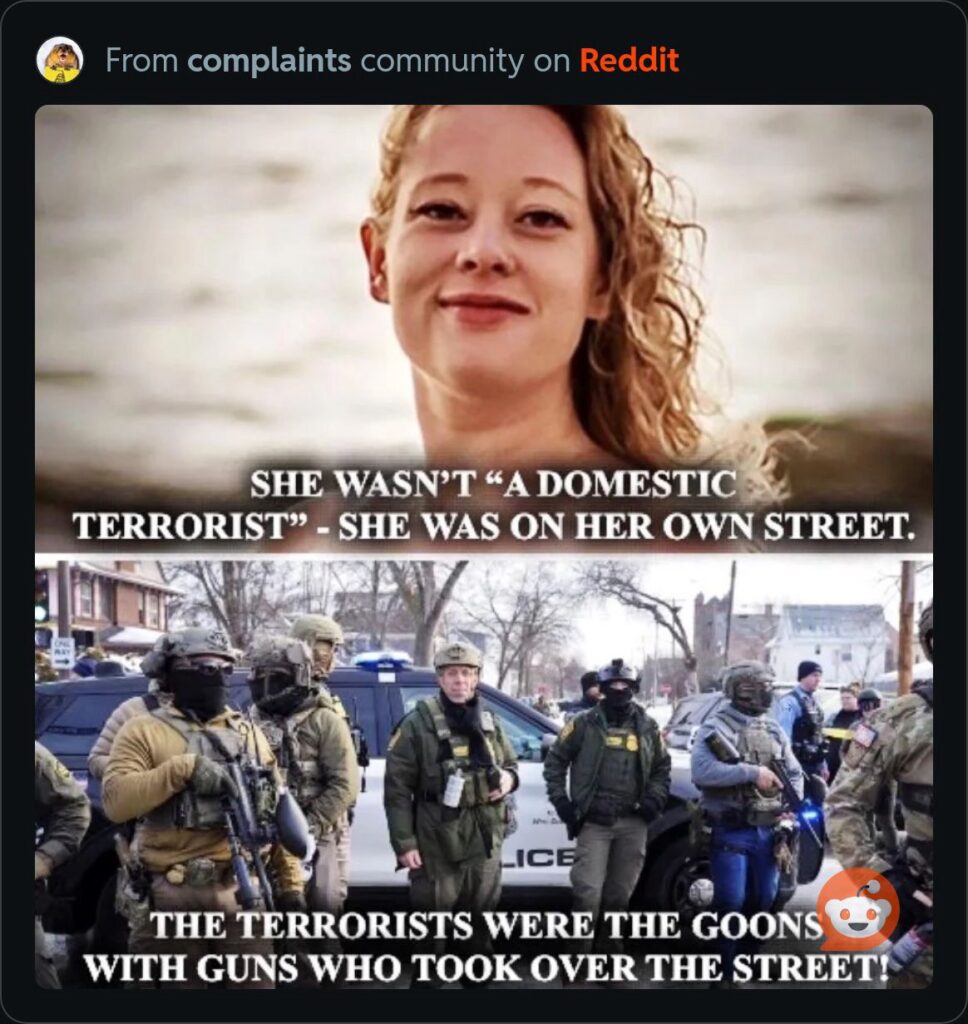
· DHS Secretary Kristi Noem: Described the incident as an “act of domestic terrorism” and said the officer “fired defensive shots”.
· Minneapolis Mayor Jacob Frey (Democrat): Called the administration’s self-defense narrative “garbage” and accused the officer of “recklessly using power”.
· Governor Tim Walz (Democrat): Declared a “Day of Unity,” stating Good was killed “for no reason whatsoever”.
Vance’s Combative Defense: “A Tragedy of Her Own Making”
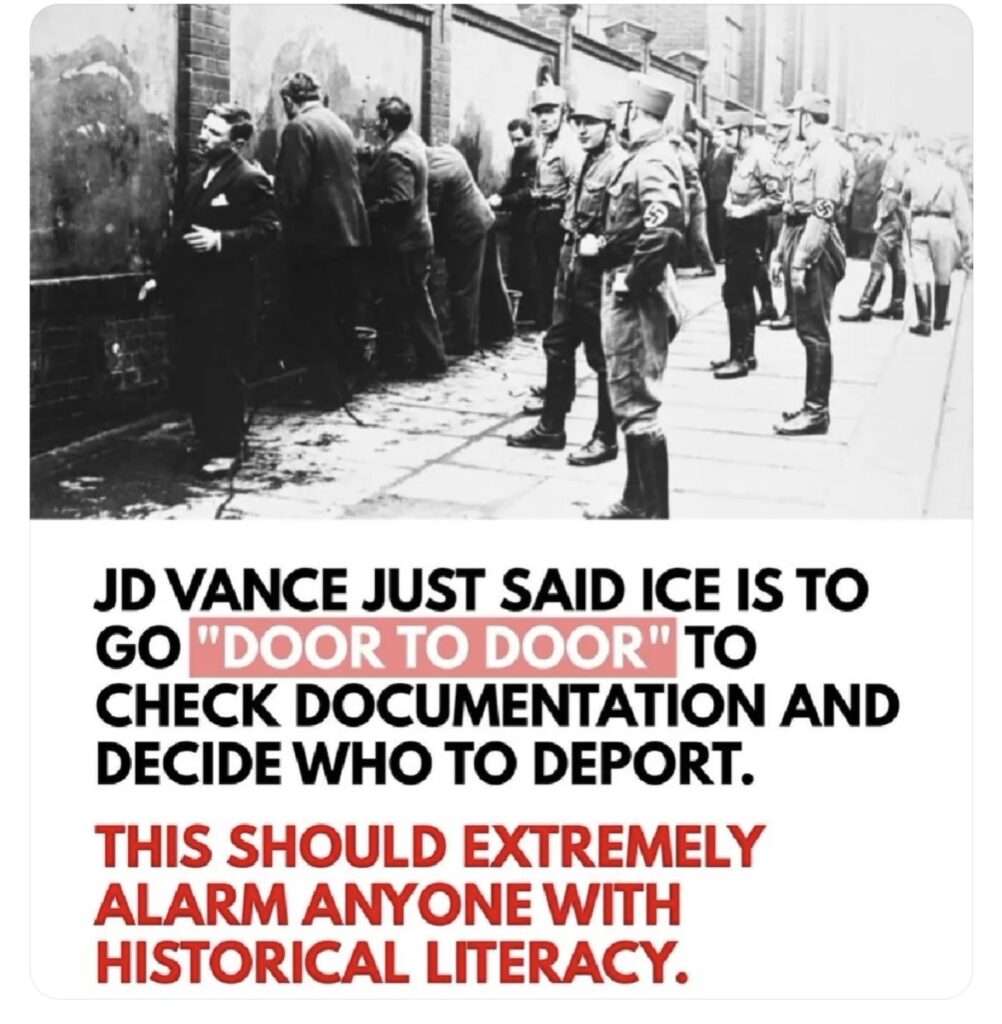
Vice President JD Vance became the administration’s most vocal defender in a rare, fiery appearance in the White House briefing room on January 8, 2026. His remarks would become the focal point of national outrage.
· Blaming the Victim: Vance stated, “I can believe that her death is a tragedy, while also recognizing that it’s a tragedy of her own making and a tragedy of the far left”. He claimed Good had been “brainwashed” and was “a victim of left-wing ideology”.
· Claiming “Absolute Immunity”: Vance made a sweeping legal assertion, claiming the ICE officer was “protected by absolute immunity… He was doing his job”. This claim was immediately challenged by legal experts. Constitutional law professor Michael J.Z. Mannheimer called it “absolutely ridiculous,” and former federal prosecutor Timothy Sini clarified that while moving a case to federal court is possible, immunity is not automatic and depends on a complex “reasonableness” analysis.
· Attacking the Media: Vance lambasted the “corporate media” for their coverage, accusing journalists of portraying Good as innocent and shouting, “You should be ashamed of yourselves. Every single one of you”.
The Established Pattern: Vance’s Rhetoric and Racial Politics
Vance’s comments did not occur in a vacuum. They were a sharp escalation of a rhetorical style and political identity he had cultivated for years, one that experts and critics directly link to white identity politics and racial grievance.
· “Hillbilly Elegy” as Racial Code: In his memoir, Vance adapted conservative tropes historically used to attack Black welfare recipients, applying them to poor white Appalachians. He described neighbors as white “welfare queens” who had abandoned their “Christian duty,” deploying a stereotype popularized by Ronald Reagan and rooted in anti-Black sentiment.
· Fusing Grievances: Analysts argue Vance perfected a form of “racist populism,” blending legitimate working-class economic concerns with white racial anxiety. He has argued that elites use accusations of “white privilege” to silence white working-class complaints about issues like jobs moving overseas or the opioid crisis.
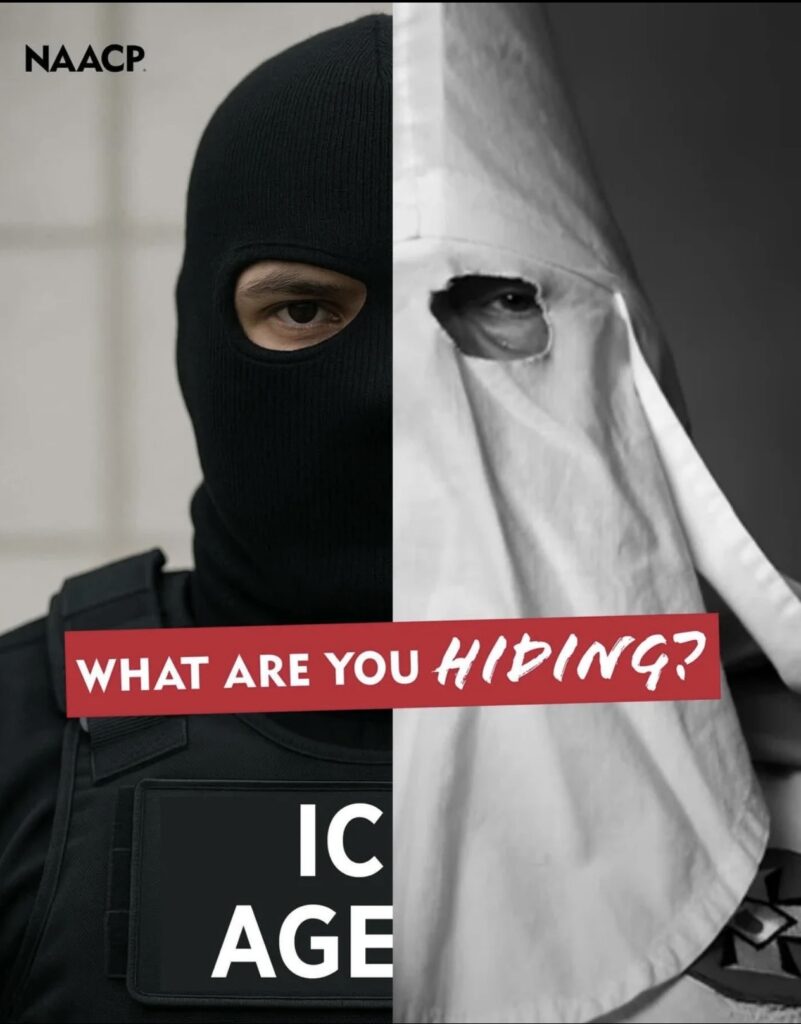
· Minimizing Explicit Racism: Just days before the shooting, Vance defended young Republican officials exposed for sending messages containing racial slurs and praise of Adolf Hitler in a private chat, dismissing them as “stupid jokes” by kids and arguing they shouldn’t have their lives “ruined”. This established a pattern of downplaying racist behavior while aggressively attacking political opponents.
The Backlash Mounts: Political, Legal, and Public Recoil
The reaction to Vance’s defense of the shooting was swift and severe, transforming a controversial incident into a full-blown political crisis for the Vice President.
Legal Rebuttal: Former Hennepin County attorney Michael Freeman, who prosecuted police officer Derek Chauvin for murder, stated plainly: “The vice president is wrong…. I believe he should be charged”.
Bipartisan Political Condemnation:
· Republican Senator Lisa Murkowski: Called the videos “deeply disturbing” and demanded a “thorough and objective investigation”.
· House Democrats: Began discussing legislation to defund ICE operations and even impeach DHS Secretary Kristi Noem.
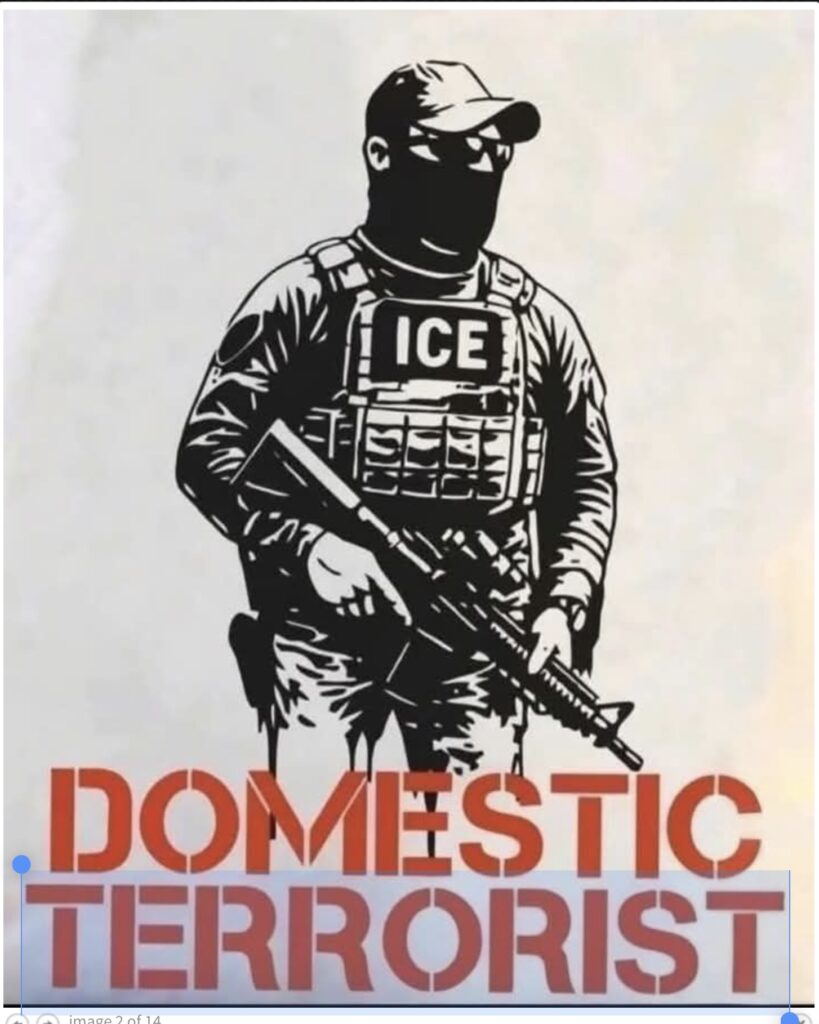
· Public Protests: Nationwide demonstrations erupted. In Minneapolis, protesters set up “no ICE zone” barricades. Vigils were held across the country, with faith leaders like Pastor Heather Hellman noting, “I understand why she didn’t get out of her car and why she was afraid”.
The Breaking Point: End of a Presidential Campaign
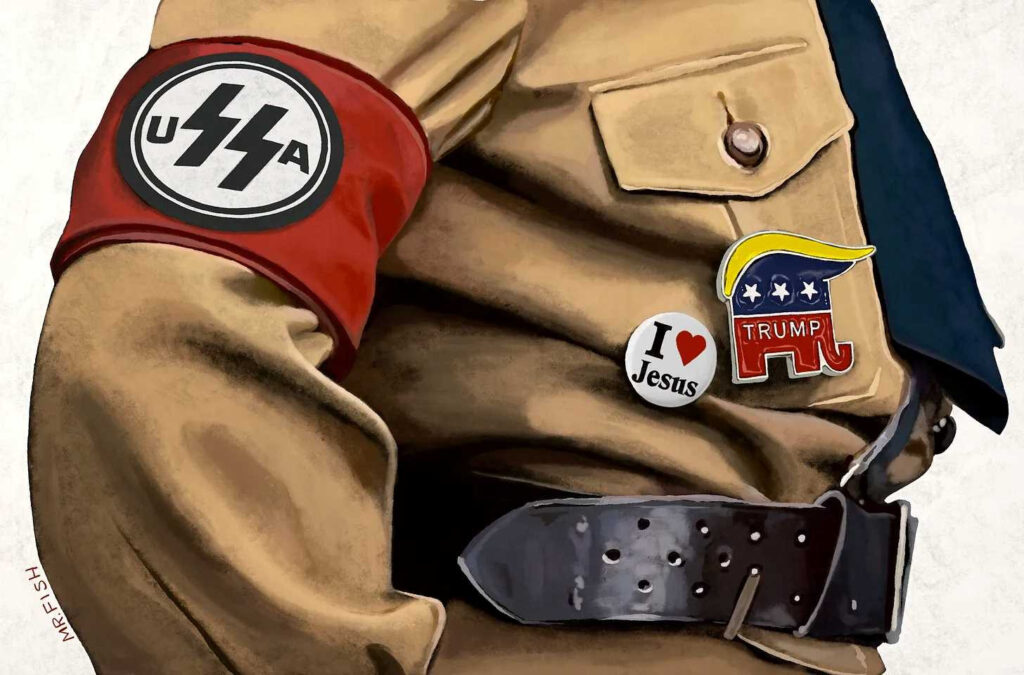
The convergence of Vance’s inflammatory comments, their clear connection to a documented history of racialized rhetoric, and the overwhelming bipartisan backlash created an insurmountable liability.
Key Factors That Ended His 2028 Hopes:
Alienating the Center: By so vehemently defending a disputed killing and attacking the victim, Vance cemented his image as an extremist, making him unelectable in a national general election. His dismissal of “absolute immunity” also revealed a troubling disregard for constitutional limits on power.
Validating Critics’ Warnings: Journalistic and academic analyses that had long argued Vance’s “populism” was underpinned by white grievance were suddenly thrust into the mainstream. His comments served as a perfect case study, making it impossible for the party establishment to dismiss these critiques.
Creating a Unifying Symbol: Renee Good became a national symbol of perceived federal overreach. The bipartisan nature of the condemnation—from Murkowski to national faith leaders—showed that Vance’s position was outside the bounds of acceptable discourse for a broad coalition.
Eroding Donor and Institutional Support: Major donors and Republican institutional figures, fearing a disastrous top-of-the-ticket candidate in 2028, quietly but decisively withdrew their support. The political calculus became clear: Vance’s brand was toxic beyond the core Trump base.
In the end, JD Vance’s presidential campaign was not ended by a single comment, but by the moment the country saw, clearly and unequivocally, the worldview those comments represented. It was a worldview that, when applied to the life-and-death power of the state, proved too dangerous and divisive for most of the nation to countenance in a would-be president. His rise, built on a narrative of white exceptionalism and resentment, met its limit when confronted with the harsh, polarized reality of American life and death.
I hope this investigative report provides a clear picture of how this political unraveling occurred. Would you be interested in a deeper analysis of how other Republican figures distanced themselves from Vance in the aftermath?
Key Statements Following the Shooting:
· President Donald Trump: Claimed Good “viciously ran over” the ICE officer, though video appeared to contradict this.
· DHS Secretary Kristi Noem: Described the incident as an “act of domestic terrorism” and said the officer “fired defensive shots”.
· Minneapolis Mayor Jacob Frey (Democrat): Called the administration’s self-defense narrative “garbage” and accused the officer of “recklessly using power”.
· Governor Tim Walz (Democrat): Declared a “Day of Unity,” stating Good was killed “for no reason whatsoever”.
Vance’s Combative Defense: “A Tragedy of Her Own Making”
Vice President JD Vance became the administration’s most vocal defender in a rare, fiery appearance in the White House briefing room on January 8, 2026. His remarks would become the focal point of national outrage.
· Blaming the Victim: Vance stated, “I can believe that her death is a tragedy, while also recognizing that it’s a tragedy of her own making and a tragedy of the far left”. He claimed Good had been “brainwashed” and was “a victim of left-wing ideology”.
· Claiming “Absolute Immunity”: Vance made a sweeping legal assertion, claiming the ICE officer was “protected by absolute immunity… He was doing his job”. This claim was immediately challenged by legal experts. Constitutional law professor Michael J.Z. Mannheimer called it “absolutely ridiculous,” and former federal prosecutor Timothy Sini clarified that while moving a case to federal court is possible, immunity is not automatic and depends on a complex “reasonableness” analysis.
· Attacking the Media: Vance lambasted the “corporate media” for their coverage, accusing journalists of portraying Good as innocent and shouting, “You should be ashamed of yourselves. Every single one of you”.
The Established Pattern: Vance’s Rhetoric and Racial Politics
Vance’s comments did not occur in a vacuum. They were a sharp escalation of a rhetorical style and political identity he had cultivated for years, one that experts and critics directly link to white identity politics and racial grievance.
· “Hillbilly Elegy” as Racial Code: In his memoir, Vance adapted conservative tropes historically used to attack Black welfare recipients, applying them to poor white Appalachians. He described neighbors as white “welfare queens” who had abandoned their “Christian duty,” deploying a stereotype popularized by Ronald Reagan and rooted in anti-Black sentiment.
· Fusing Grievances: Analysts argue Vance perfected a form of “racist populism,” blending legitimate working-class economic concerns with white racial anxiety. He has argued that elites use accusations of “white privilege” to silence white working-class complaints about issues like jobs moving overseas or the opioid crisis.
· Minimizing Explicit Racism: Just days before the shooting, Vance defended young Republican officials exposed for sending messages containing racial slurs and praise of Adolf Hitler in a private chat, dismissing them as “stupid jokes” by kids and arguing they shouldn’t have their lives “ruined”. This established a pattern of downplaying racist behavior while aggressively attacking political opponents.
The Backlash Mounts: Political, Legal, and Public Recoil
The reaction to Vance’s defense of the shooting was swift and severe, transforming a controversial incident into a full-blown political crisis for the Vice President.
Legal Rebuttal: Former Hennepin County attorney Michael Freeman, who prosecuted police officer Derek Chauvin for murder, stated plainly: “The vice president is wrong…. I believe he should be charged”.
Bipartisan Political Condemnation:
· Republican Senator Lisa Murkowski: Called the videos “deeply disturbing” and demanded a “thorough and objective investigation”.
· House Democrats: Began discussing legislation to defund ICE operations and even impeach DHS Secretary Kristi Noem.
· Public Protests: Nationwide demonstrations erupted. In Minneapolis, protesters set up “no ICE zone” barricades. Vigils were held across the country, with faith leaders like Pastor Heather Hellman noting, “I understand why she didn’t get out of her car and why she was afraid”.
The Breaking Point: End of a Presidential Campaign
The convergence of Vance’s inflammatory comments, their clear connection to a documented history of racialized rhetoric, and the overwhelming bipartisan backlash created an insurmountable liability.
Key Factors That Ended His 2028 Hopes:
- Alienating the Center: By so vehemently defending a disputed killing and attacking the victim, Vance cemented his image as an extremist, making him unelectable in a national general election. His dismissal of “absolute immunity” also revealed a troubling disregard for constitutional limits on power.
- Validating Critics’ Warnings: Journalistic and academic analyses that had long argued Vance’s “populism” was underpinned by white grievance were suddenly thrust into the mainstream. His comments served as a perfect case study, making it impossible for the party establishment to dismiss these critiques.
- Creating a Unifying Symbol: Renee Good became a national symbol of perceived federal overreach. The bipartisan nature of the condemnation—from Murkowski to national faith leaders—showed that Vance’s position was outside the bounds of acceptable discourse for a broad coalition.
- Eroding Donor and Institutional Support: Major donors and Republican institutional figures, fearing a disastrous top-of-the-ticket candidate in 2028, quietly but decisively withdrew their support. The political calculus became clear: Vance’s brand was toxic beyond the core Trump base.
In the end, JD Vance’s presidential campaign was not ended by a single comment, but by the moment the country saw, clearly and unequivocally, the worldview those comments represented. It was a worldview that, when applied to the life-and-death power of the state, proved too dangerous and divisive for most of the nation to countenance in a would-be president. His rise, built on a narrative of white exceptionalism and resentment, met its limit when confronted with the harsh, polarized reality of American life and death.
I hope this investigative report provides a clear picture of how this political unraveling occurred. Would you be interested in a deeper analysis of how other Republican figures distanced themselves from Vance in the aftermath?