

While the world’s attention has focused on the Patriot missiles and fighter jets consumed by the US-Israeli war with Iran, a quieter but equally devastating economic catastrophe is unfolding across the Gulf Cooperation Council (GCC) states. Beyond the defense budgets and arms deals, the region’s non-defense exports and petrodollar revenue streams destined for America have collapsed—taking with them billions in sovereign wealth and private sector income.
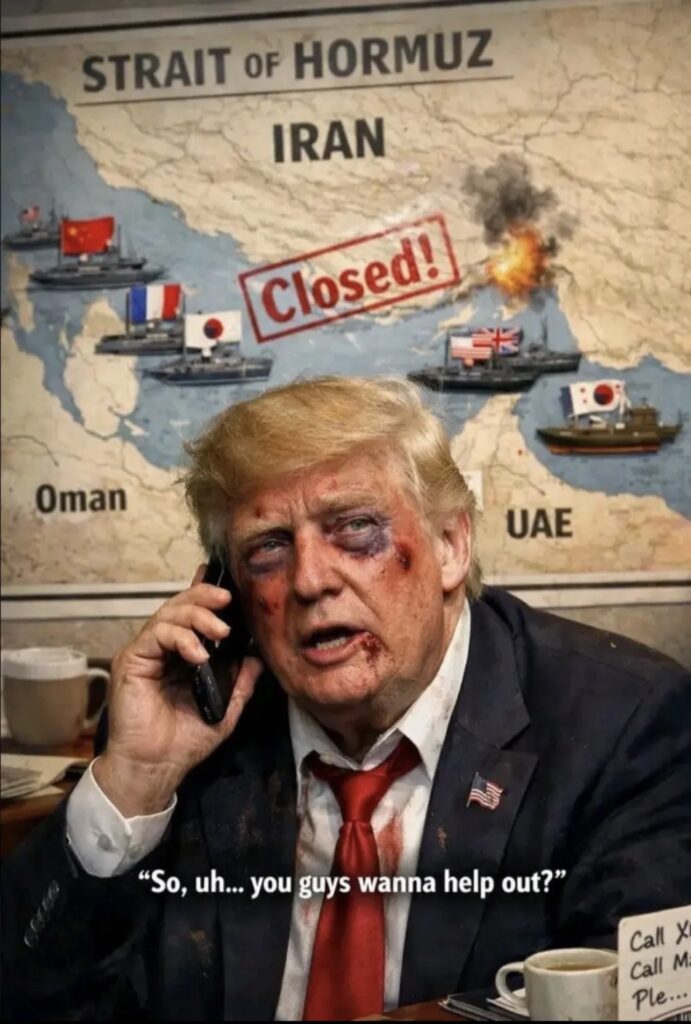
The war that the Trump administration launched without Gulf consultation has not only failed to protect its allies; it has systematically dismantled the civilian trade routes that formed the bedrock of the $49.8 billion in annual US exports to the region.
The Aviation Apocalypse: When the Skies Went Dark
The most immediate and brutal hit to non-defense trade came from the closure of Gulf airspace. The GCC is not merely a collection of oil states; it is the world’s premier aviation crossroads, home to Emirates, Qatar Airways, and Etihad. These carriers typically handle up to 360 million passengers annually and move millions of tons of high-value cargo—from iPhones to pharmaceuticals—between East and West .

Since the war began, airspace closures have resulted in the cancellation of approximately 40,000 flights . This is the largest disruption to global air travel since the Covid-19 pandemic, but unlike the pandemic, this was a man-made disaster.
For the US economy, this represents a staggering loss of export revenue. American agricultural goods, medical devices, and luxury products that typically travel via Gulf hubs to markets in Asia and Africa are now stranded. Conversely, GCC exports to the US—particularly high-value aluminum, petrochemicals, and manufactured goods—have ground to a halt. With insurance premiums skyrocketing and shipping routes deemed war zones, the cost of sending a container from Dubai to New York has quadrupled, effectively pricing GCC civilian goods out of the American market.
The Tourism Wipeout: Dubai’s Empty Hotels
Perhaps the most visible symbol of the lost revenue is the sudden silence in the Gulf’s leisure capitals. The region had spent trillions transforming itself into a global tourism and business hub. That illusion has been shattered.

Iran’s precision strikes on critical infrastructure, including attacks on flashy high-rises in Dubai and Doha, have brought tourism to a standstill . Business conferences have been canceled; cruise ships have rerouted; and hotel occupancy rates in once-booming cities have plummeted to single digits.
Analysts estimate that the destruction of the luxury tourism industry has wiped out five to seven percent of regional GDP . This is not just lost hotel revenue; it is lost spending in American-branded luxury goods, lost contracts for US consulting firms, and lost ticket sales for American entertainment giants that had bet big on Gulf expansion. The “shadow of risk” now hanging over the region means that companies like Amazon are reconsidering plans to build data centers in a war zone .
The Energy Revenue Black Hole: Billions Stranded at Sea
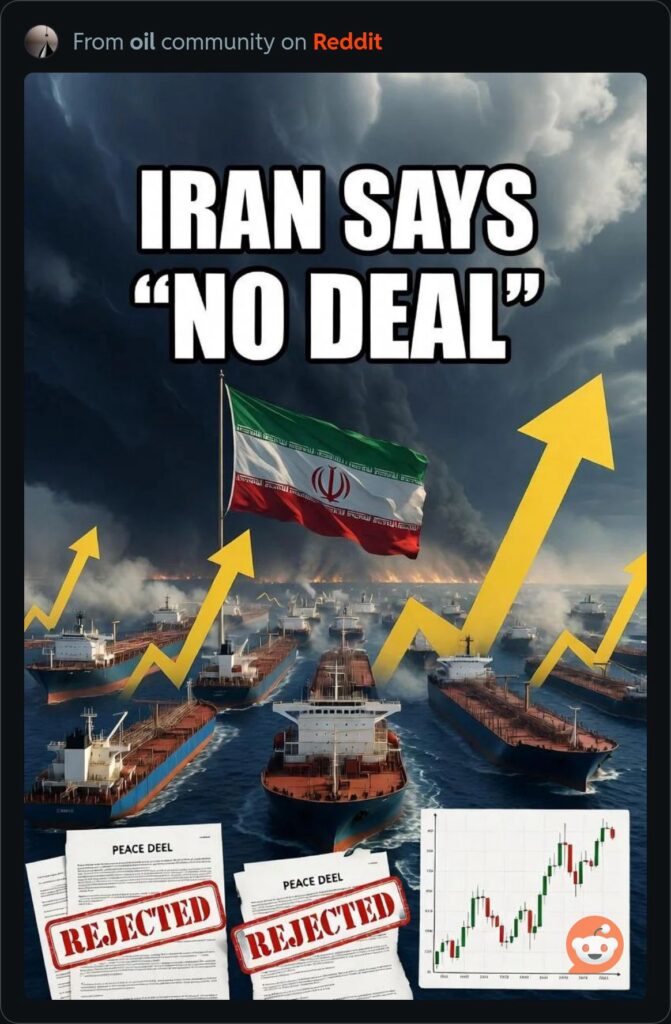
The war’s centerpiece is the effective closure of the Strait of Hormuz, through which 20 percent of global oil flows daily. Export volumes have plummeted to less than 10 percent of pre-conflict levels . For the GCC states, this is a direct hit to the very revenue stream that feeds their ability to invest in America.
The numbers are staggering. Gulf oil and gas exports to global markets—including the US—have been slashed, with daily losses estimated between $700 million and $1.2 billion . By the end of the war’s first month, GCC energy producers had lost at least $15.1 billion in potential revenue . Even oil that isn’t directly sold to the US matters: lower global prices and reduced volumes mean smaller surpluses to invest in American assets.
Qatar has been particularly devastated. The Ras Laffan LNG plant, one of the world’s largest liquefied natural gas facilities, was partially destroyed, taking out 17 percent of its energy production capacity for an estimated three to five years . For American buyers who relied on Qatari LNG, this has meant scrambling for expensive spot-market alternatives.
The Investment Pledge Meltdown: Trillions at Risk
The most direct financial pipeline from the Gulf to the US economy has been the massive investment pledges touted by the Trump administration. During a May 2025 tour of the region, the White House announced commitments totaling over $3.2 trillion from Saudi Arabia, the UAE, and Qatar—pledges meant to fuel American tech startups, defense contractors, and infrastructure projects .
Those pledges are now under severe threat.
According to Politico, the Trump administration is growing increasingly alarmed that Gulf allies may be unable to deliver on these promises . Sources familiar with internal discussions report that Gulf states have warned they are “a couple weeks away from having to repatriate tens of billions of dollars in investments from the United States” to address urgent domestic and defensive requirements .
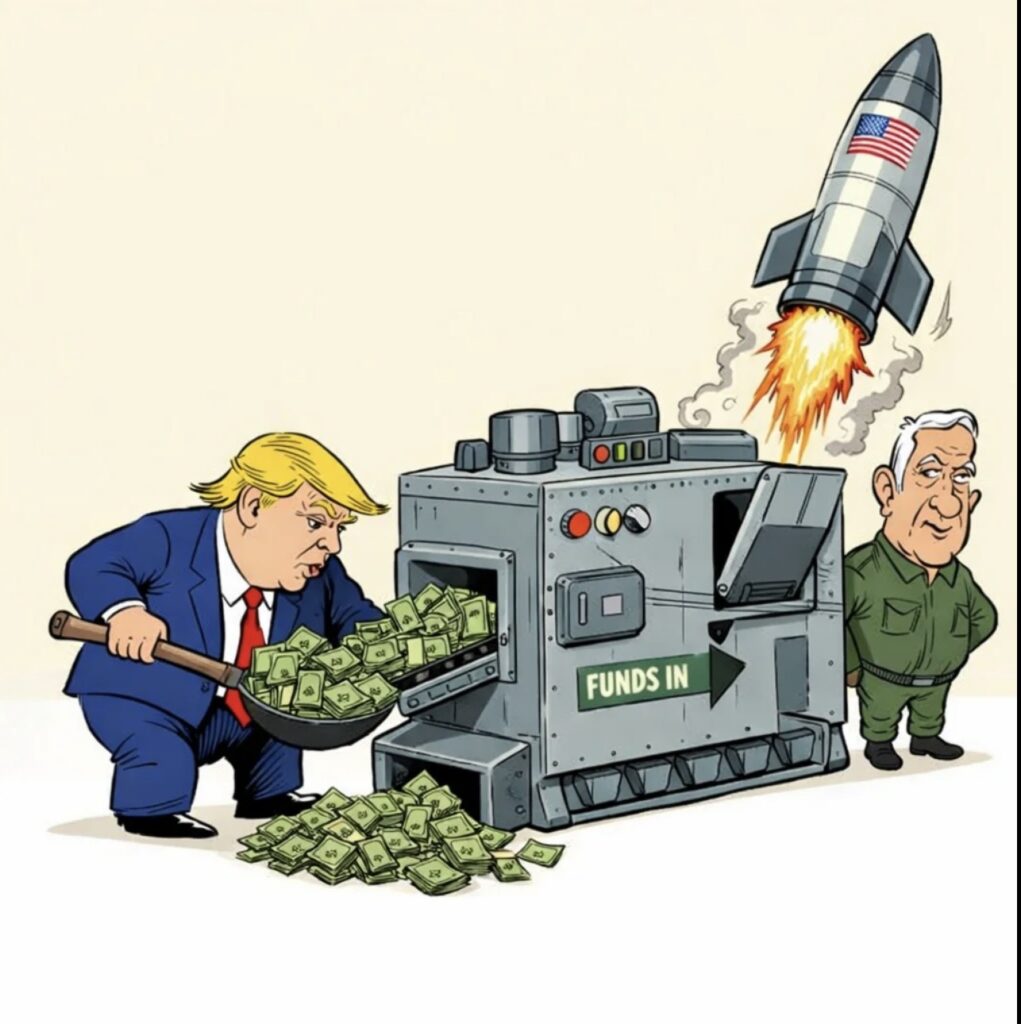
One source described this prospect as “immensely destabilizing and contradictory to the president’s investment goals” . Every Patriot missile fired to intercept an Iranian drone—at a cost of $3 million to $5 million per interceptor—represents capital that will not flow into a US tech startup or infrastructure project . The UAE has already spent between $1.31 billion and $2.61 billion on air defense alone .

Adnan Mazarei, a former deputy director at the International Monetary Fund, noted that while Gulf leaders may not formally “go back” on their pledges, “those pledges are now becoming harder to deliver on” . Countries must now allocate resources to restore missile defenses, repair war-damaged sites, and replenish depleted stockpiles.
The Banking and Finance Freeze: Capital Flight
The war has also crippled the Gulf’s role as a global financial hub. Standard Chartered Bank recently had to evacuate and asked its Dubai employees to work from home . The perception of the region as a stable haven for capital has evaporated.
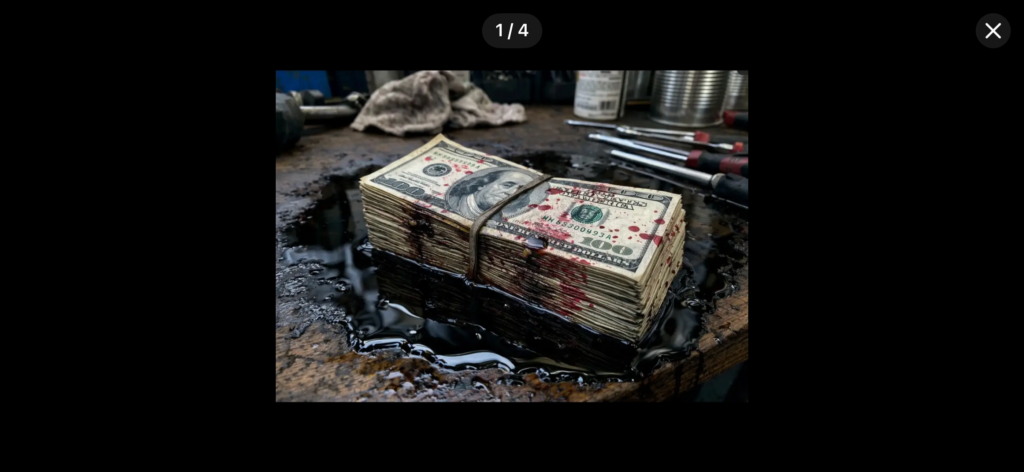
A senior executive at an asset management firm with significant Gulf backing told Politico that companies are now looking “outside of the Middle East for capital in the short run” . This means that American businesses that had come to rely on Gulf sovereign wealth funds as a reliable source of cash are now scrambling for alternatives.
The closure of the Strait of Hormuz has “drastically curtailed revenue for GCC financial institutions,” while Iranian strikes on critical infrastructure have halted economic activity . With their own coffers shrinking, Gulf funds are prioritizing domestic stability over foreign investments.
A Strategic Reckoning
The cumulative effect is that the US has not only lost a war but is losing a financial partner. The implicit bargain that defined US-Gulf relations for decades—Gulf capital and energy security in exchange for American protection—has been shattered .
As Gulf states watch their non-defense exports dry up and their investment capacity evaporate, they are accelerating a strategic pivot away from Washington. China is emerging as a primary beneficiary, with Gulf states deepening trade and financial ties with Beijing and Moscow .

“Gulf states are not abandoning Washington but are hedging by deepening relations with China, Russia, and other Asian powers in trade, finance, and arms,” noted Middle East expert Christopher Davidson . “This reduces US leverage over their economic strategies.”
In the end, the war has achieved the opposite of its stated goals. Iran now controls a chokehold on global energy flows, generating an estimated $55 billion to $75 billion in annual revenue from the crisis . The GCC, meanwhile, is bleeding revenue it cannot afford to lose, and the American economy is losing a source of capital it has come to depend on.
The Patriot missiles fired in defense of the Gulf may have stopped Iranian drones, but they have also shot holes in the financial bridge between the Gulf and America—a bridge that may take decades to rebuild.