
Just weeks into the conflict, the Trump administration appears to be navigating toward an exit ramp in Iran, even as the President delivers mixed messages about victory and the Pentagon prepares for further strikes. The war, which began on February 28, has already claimed the lives of seven U.S. service members, displaced millions in Iran, and sent global oil prices soaring above $100 a barrel . Amidst the military campaign, a political firestorm is brewing at home, fueled by the bombing of a school and accusations from Tehran that the U.S. is fabricating claims to cover its losses.
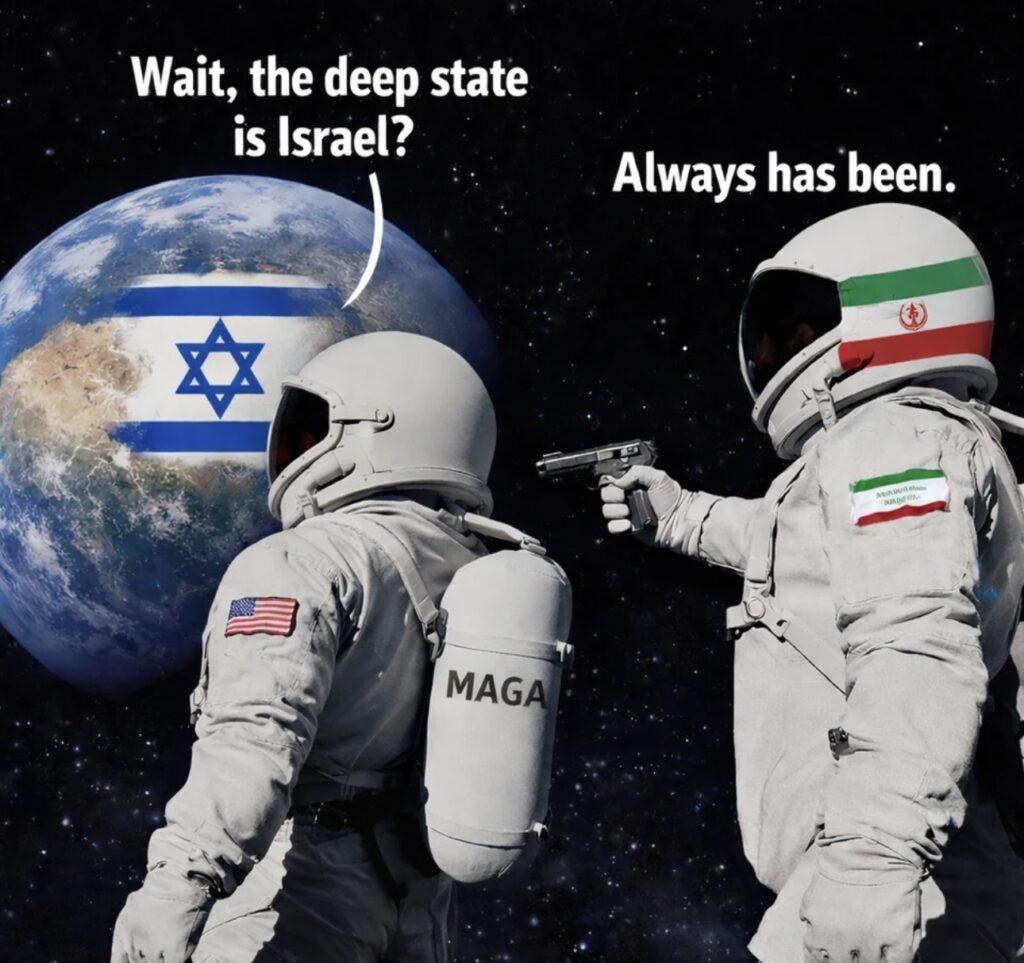
The Exit Strategy: “It Will End When I Decide”
President Trump has recently indicated that the end of “Operation Epic Fury” might be in sight. Speaking to reporters in Florida on March 9, Trump stated that the military mission was “way ahead of schedule” and that the war would be over “very soon” . This sentiment was echoed in a subsequent phone interview with Axios, where he asserted, “It will end the moment I decide to end it,” noting that there are “practically no targets left to attack” .

However, these statements are undercut by a volatile reality on the ground and within the White House. While Trump has hinted at a quick conclusion, he has also threatened to go “further” and has not ruled out targeting Iran’s new supreme leader, Mojtaba Khamenei . According to reports, this apparent contradiction stems from a sharp division among his advisors. Vice President JD Vance, an isolationist at heart, is said to favor diplomatic solutions, fearing that a prolonged conflict could alienate the MAGA base and harm his own 2028 presidential ambitions . On the other side, Secretary of State Marco Rubio is pushing for a hardline approach to decisively cripple Iranian influence .

Despite the White House’s official stance that the war will end only when Trump deems objectives met, the administration is feeling the heat . Advisers are reportedly urging the President to articulate a clear exit plan, fearing a political backlash as voters grapple with rising gas prices. “When the price of gas and oil rise, so does everything else. Given affordability was already an issue, this leads to real challenges,” said Stephen Moore, an outside economic adviser to Trump .

The School Bombing and the “False Flag” Controversy
While the administration discusses exit strategies, it is also battling a credibility crisis regarding a specific tragedy. On the first day of the conflict, a U.S. airstrike hit a girls’ school in southern Iran, killing at least 165 people . Initially, Trump blamed Iran, suggesting its security forces were “very inaccurate” with their own munitions .
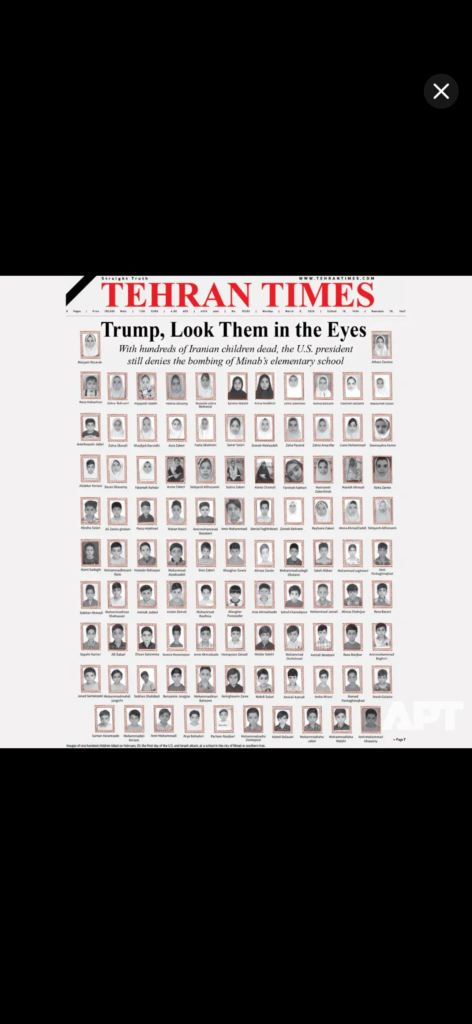
This narrative collapsed when the investigative group Bellingcat published verified video showing a U.S. Tomahawk cruise missile hitting a Revolutionary Guard facility near the school, causing the explosion . Facing evidence to the contrary, Trump shifted his stance, claiming he was “willing to live” with a probe into the attack and erroneously suggesting that Tehran had access to U.S.-made Tomahawk missiles .
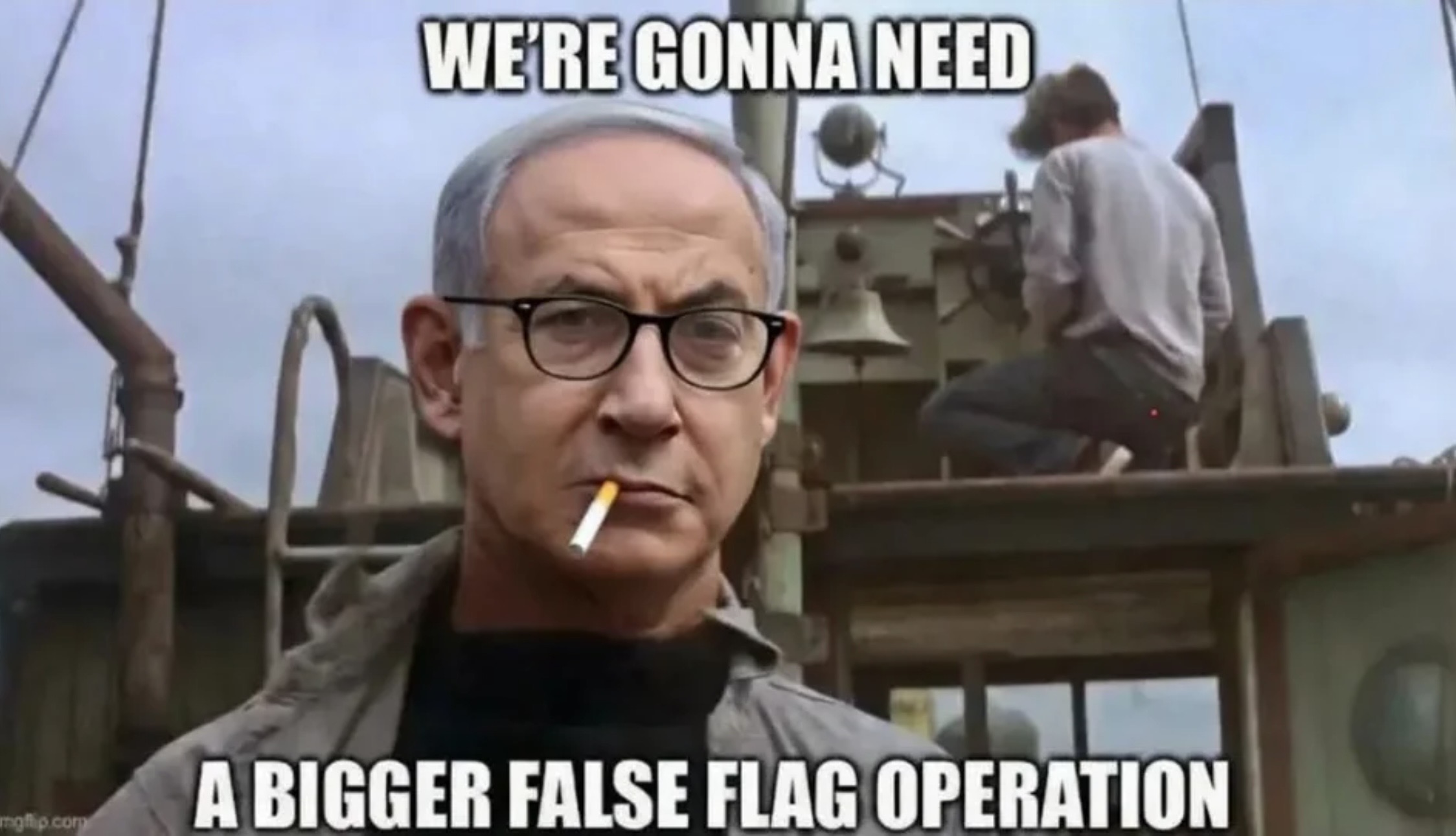
This incident has given weight to Iranian accusations of “false flags.” The spokesman for Iran’s Revolutionary Guard, Brigadier General Ali Mohammad Naeini, directly responded to Trump’s claims, calling the U.S. president a “liar” who is attempting to “escape the pressures of war” by fabricating military achievements . Naeini further claimed that American warships have withdrawn over a thousand kilometers to escape Iranian missiles, contradicting the White House’s narrative of dominance .

While “false flag”—a deliberate attack meant to be blamed on the enemy—is a strong term used by Tehran, the administration’s handling of the school bombing has raised eyebrows even among Trump’s allies. Sen. Kevin Cramer (R-N.D.) suggested the military must “do everything you can to eliminate those mistakes going forward” . Meanwhile, critics like Senate Minority Leader Chuck Schumer called Trump’s denial “beyond asinine,” stating, “Again, he says whatever pops into his head no matter what the truth is” .

The Geopolitical and Domestic Fallout
As the U.S. seeks help from allies to secure the Strait of Hormuz—a waterway through which 20% of the world’s oil passes—the response has been tepid . Countries like Japan, the UK, and South Korea have reacted cautiously, with Japan noting that the legal bar for sending warships is “extremely high” . Iran has warned these nations against entering the conflict, vowing to keep the strait closed .
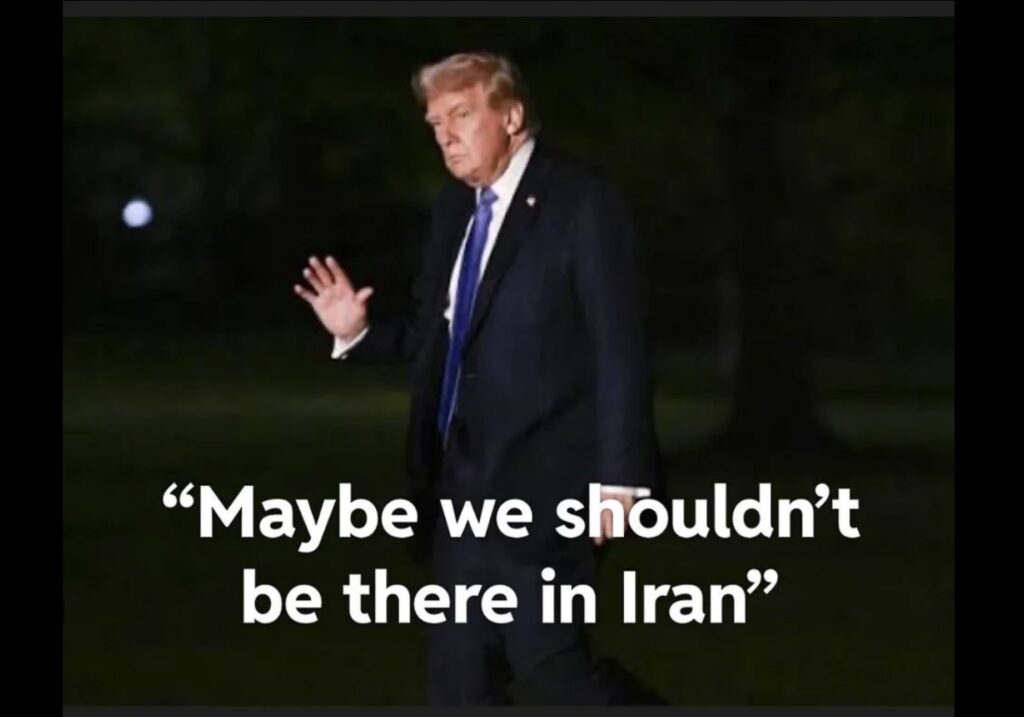
At home, the political ground is shifting beneath the President. Polls show that most Americans oppose the war, and trust in Trump’s handling of the conflict is low . The economic pain is palpable, and even his own base is showing signs of fracture. Prominent voices on the right, including Megyn Kelly and Tucker Carlson, have criticized the intervention, which breaks Trump’s campaign promise to avoid “forever wars” .
With midterm elections on the horizon, Democrats sense an opportunity. “They’re flying by the seat of their pants, and the rest of us are paying the price,” said Kelly Dietrich of the National Democratic Training Committee . Senator Rand Paul, a Republican, warned that if gas prices remain high, Republicans could face a “disastrous election” .
As the situation remains fluid, the world watches to see whether President Trump’s claim that “We’ve won” will translate into a stable exit, or whether the U.S. will be pulled deeper into a conflict with no clear endgame .