
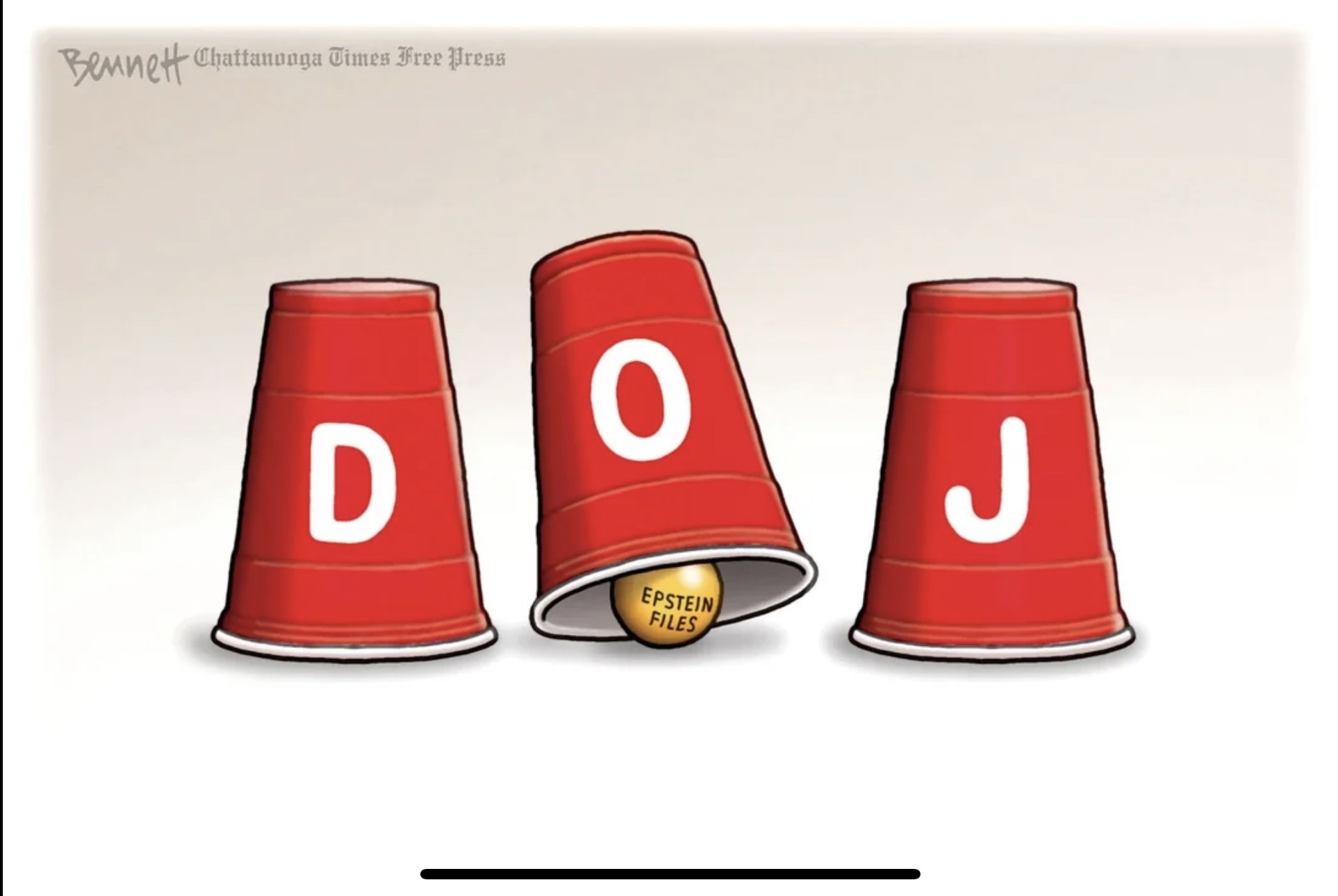
In recent months, U.S. Commerce Secretary Howard Lutnick has faced intensifying scrutiny over his past relationship with convicted sex offender Jeffrey Epstein, alongside broader criticism tied to corporate regulation issues and his close political alignment with Donald Trump.
Supporters describe Lutnick as a Wall Street survivor who rebuilt his firm after 9/11. Critics argue that inconsistencies in his statements, business controversies, and political rhetoric raise serious ethical questions. The truth lies in examining what is documented — and separating verified facts from political accusation.
The Epstein Connection: From Distance to Disclosure
The most damaging controversy surrounds Lutnick’s evolving account of his relationship with Epstein.
For years, Lutnick said he distanced himself from Epstein around 2005 after visiting Epstein’s Manhattan townhouse and becoming uncomfortable with what he saw. However, newly released Justice Department records and testimony complicated that narrative.
- Lutnick admitted under Senate questioning that he had lunch with Epstein on Epstein’s private Caribbean island in 2012 — four years after Epstein’s conviction for soliciting a minor.
- Emails and documents suggest continued contact and meetings after 2008, contradicting earlier claims that he avoided Epstein entirely.
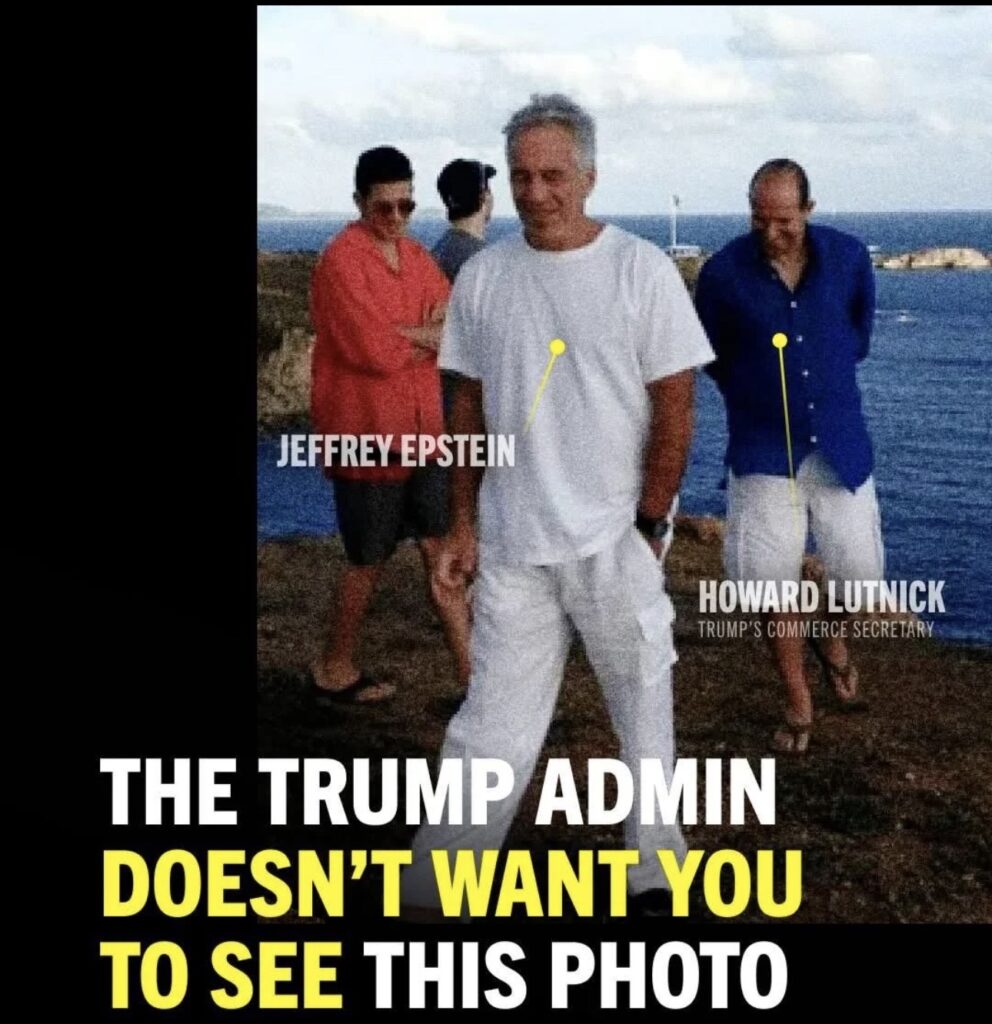
- A recently resurfaced photograph showing Lutnick with Epstein on the island triggered bipartisan calls for congressional testimony.
- Lawmakers from both parties have demanded transparency, with some Republicans joining Democrats in urging him to explain discrepancies between earlier statements and documented interactions.
Lutnick has denied wrongdoing and insists his contact with Epstein was minimal and largely social.
Allegations of Inconsistency — Not Criminal Charges
It is important to note: no criminal charges related to Epstein have been filed against Lutnick.
The controversy instead centers on credibility. Critics argue that:
- He previously claimed he would “never” associate with Epstein again,
- yet later acknowledged visiting Epstein’s island years afterward.
This contradiction has fueled accusations of dishonesty, though legally it remains a political and ethical dispute rather than a proven crime.
Financial and Regulatory Scrutiny
Separate from Epstein-related issues, Lutnick’s firm Cantor Fitzgerald has faced regulatory action.
The U.S. Securities and Exchange Commission charged the company with disclosure violations tied to SPAC investment vehicles. The firm agreed to pay a $6.75 million civil penalty without admitting wrongdoing.
Critics describe this as evidence of aggressive Wall Street practices; supporters note settlements without admissions of guilt are common in financial regulation.
Trump Alliance and Political Protection
Lutnick’s political rise is closely tied to Donald Trump. He served as a key ally and was later confirmed as Commerce Secretary in Trump’s administration.
Despite growing controversy, the White House has repeatedly defended him, emphasizing loyalty and policy alignment.
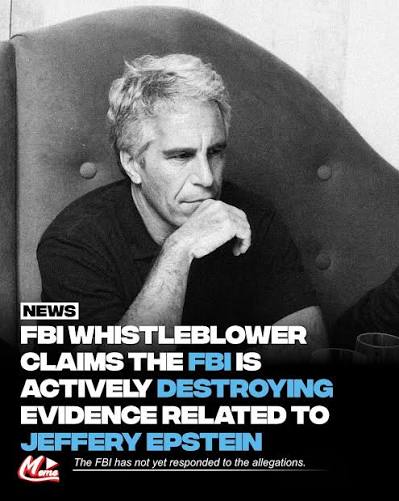
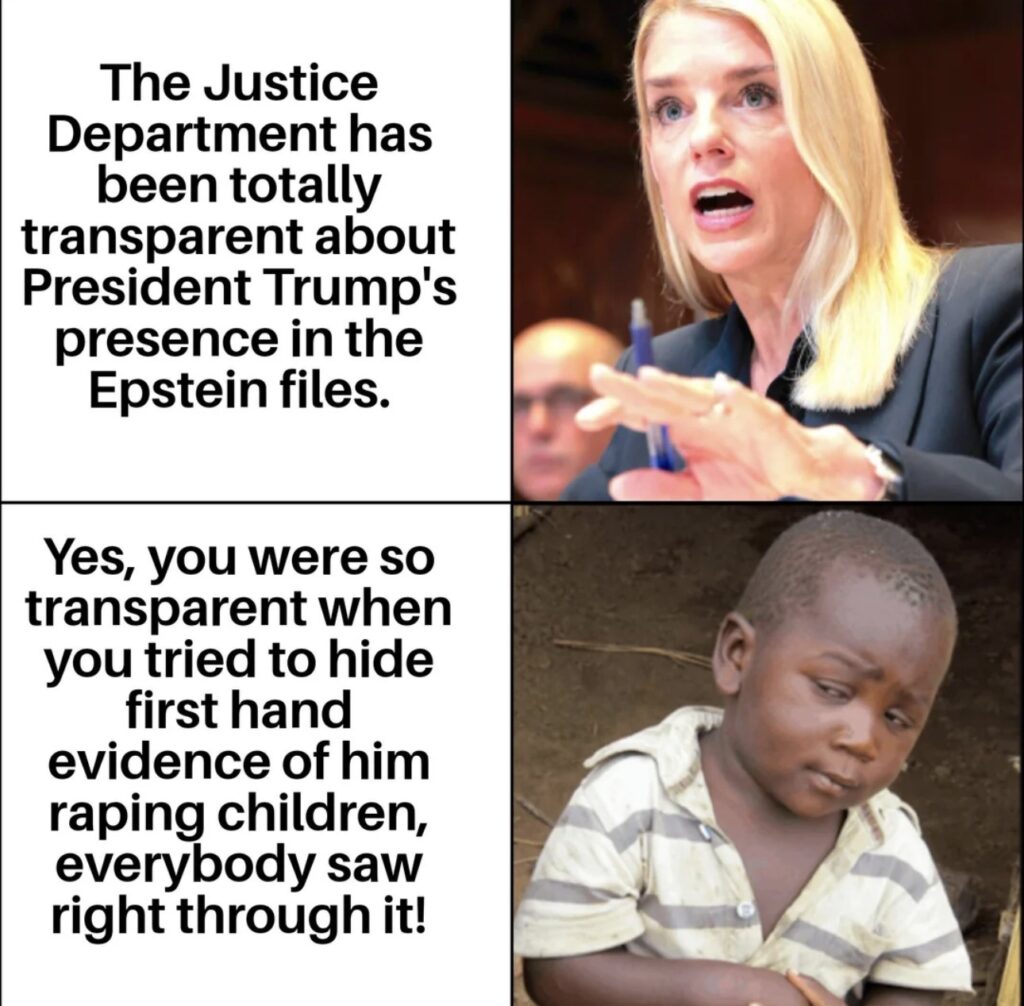
The Epstein revelations have therefore become politically charged, with opponents portraying them as part of a broader pattern within Trump’s circle, while allies argue the scrutiny is partisan.
Claims of Racism and Political Rhetoric
Unlike the Epstein controversy, accusations of racism involving Lutnick are largely political interpretations rather than findings from investigations or court rulings.
Criticism tends to arise indirectly through:
- his association with Trump-era policies criticized by opponents as discriminatory,
- economic and immigration rhetoric framed by critics as exclusionary.
No court or official inquiry has concluded that Lutnick personally engaged in unlawful racial discrimination. These claims remain part of broader ideological debate rather than legally established fact.
Media Narratives vs. Evidence

The Lutnick controversy illustrates how modern scandals develop across multiple layers:
- Documented facts: confirmed meetings, emails, regulatory settlements.
- Political interpretation: accusations of corruption or complicity.
- Online speculation: unverified claims circulating without evidence.
Investigations so far have focused primarily on transparency and honesty rather than criminal conspiracy.

The Larger Question: Accountability and Elite Networks
The Epstein scandal continues to expose how powerful business and political figures intersected socially with Epstein before and even after his conviction. Lutnick is one of many prominent individuals now facing renewed scrutiny as records become public.
Whether the controversy ultimately damages his career may depend less on legal outcomes and more on public trust — specifically, whether voters and lawmakers believe his explanations match the documented timeline.
Bottom Line
- Lutnick acknowledged contact with Epstein after previously claiming distance.
- No criminal charges tie him to Epstein’s crimes.
- His firm has faced regulatory penalties unrelated to Epstein.
- Political critics frame these issues as corruption; supporters call them exaggerated or partisan.
The debate surrounding Howard Lutnick ultimately reflects a broader struggle over transparency, elite accountability, and the political polarization shaping how scandals are interpreted in modern American politics.