
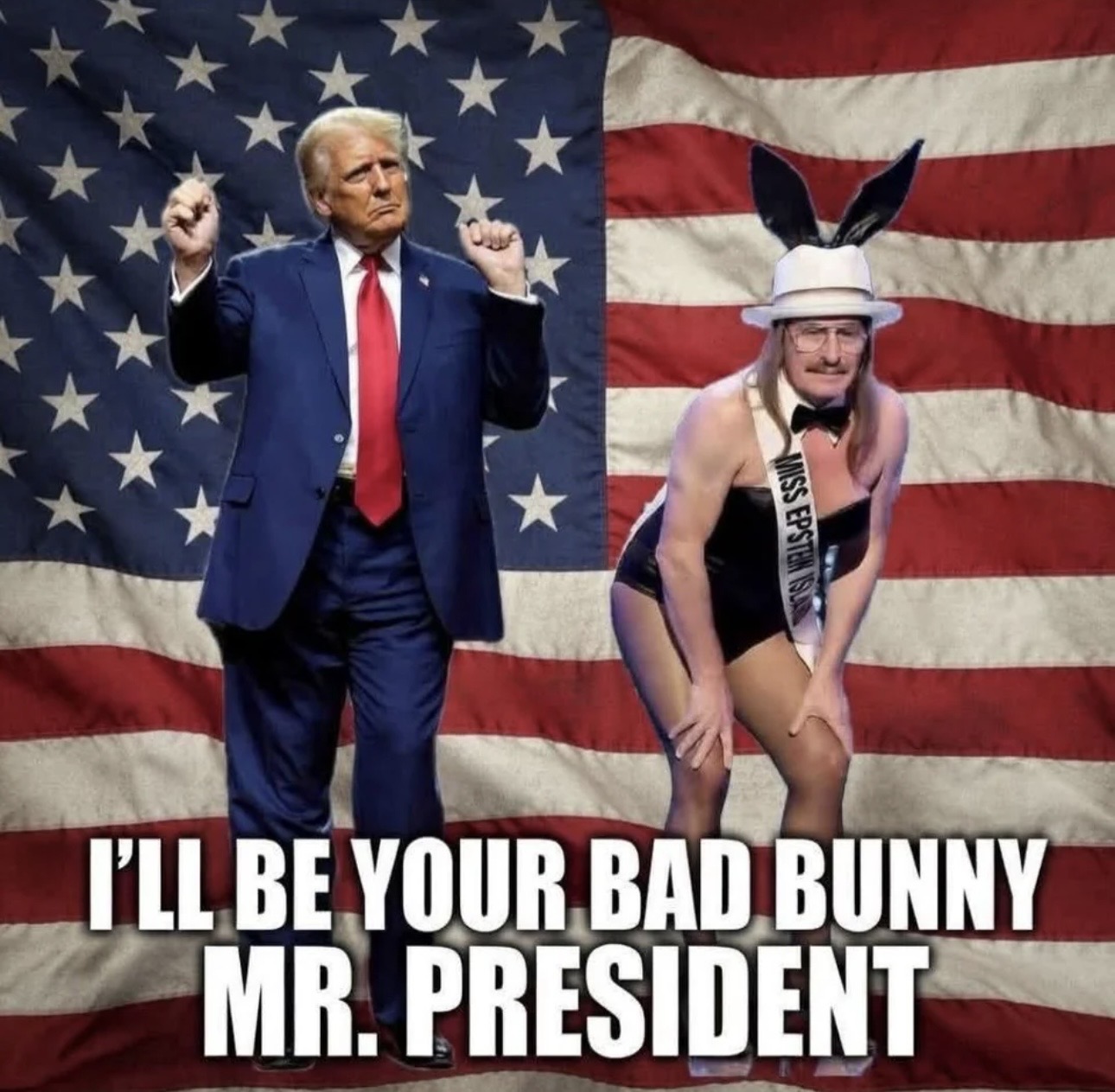
The Alternative Halftime Show That Backfired
Kid Rock’s upcoming performance at Turning Point USA’s “All-American Halftime Show” was designed as a conservative alternative to Bad Bunny’s official Super Bowl halftime show. Promoted as a celebration of “faith, family, and freedom,” the event positioned itself as wholesome entertainment for people who “love football, love America, love good music, love Jesus”. Instead, it has triggered a wave of criticism over Kid Rock’s past controversial lyrics and political associations, setting the stage for potential mockery as the football world turns its attention to Super Bowl festivities.
Controversial Lyrics Resurface at Awkward Time
Within 24 hours of TPUSA’s announcement, social media users resurfaced Kid Rock’s 2001 song “Cool, Daddy Cool,” which contains lyrics that have drawn significant criticism:
Key Controversial Lyrics:
· “Young ladies, young ladies, I like ’em underage”
· “Some say that’s statutory, but I say it’s mandatory”
Notable Context: The song appeared on the soundtrack for the animated children’s film Osmosis Jones, making the juxtaposition with TPUSA’s “family-friendly” branding particularly striking.
The irony was amplified by conservative criticism of Bad Bunny’s official Super Bowl performance. Kid Rock himself had mocked Bad Bunny’s show as “a dance party, wearing a dress and singing in Spanish”, while TPUSA framed their alternative as morally superior. This contrast made the resurfaced lyrics especially damaging to their narrative.
Political Associations and Epstein Commentary
Support for Donald Trump
Kid Rock has been an outspoken supporter of Donald Trump, performing at Trump’s inauguration eve victory rally and maintaining a friendship through golf outings and campaign events. His political alignment forms a significant part of his public persona, though the search results contain no direct evidence linking him to Trump’s associates connected to Jeffrey Epstein.
Commentary on Epstein Documents
Kid Rock recently commented on the Epstein files during an appearance on The Charlie Kirk Show, noting with apparent satisfaction that his name was not included. He stated he’d “like to take credit for that win”.
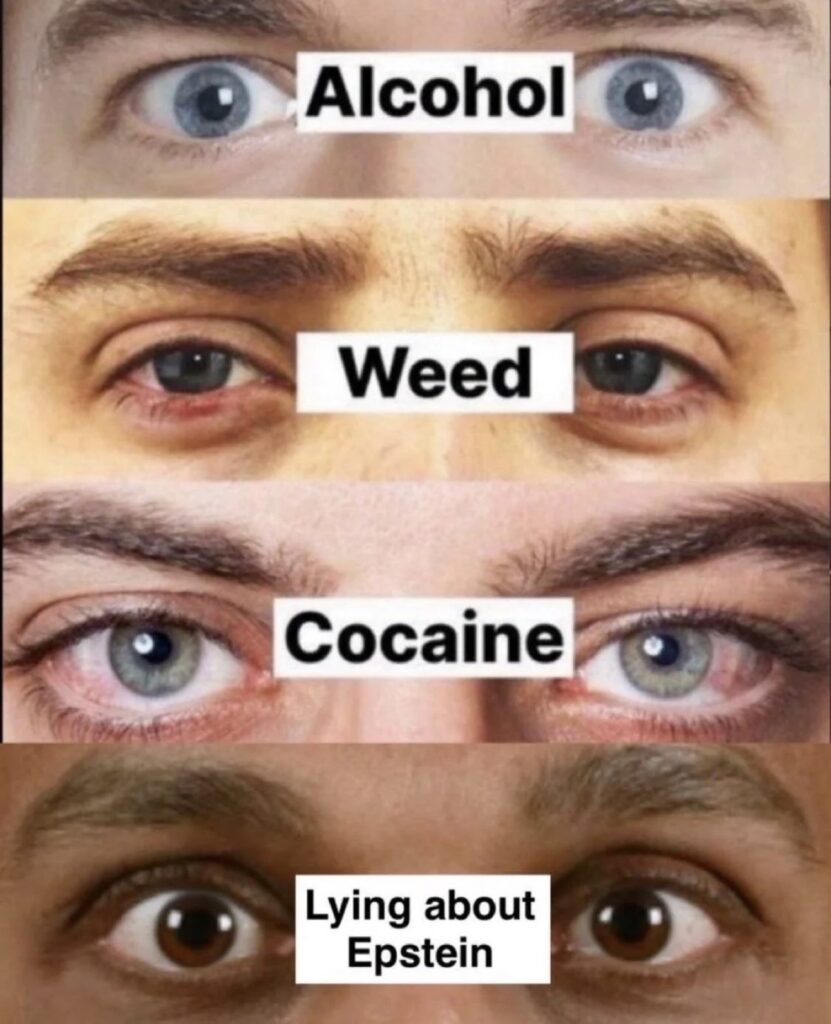
Important clarification: While Kid Rock has commented on the Epstein case, the available information indicates he is not himself implicated in the Epstein documents or associated criminal activities. A questionable Facebook post contains unverified claims, but more credible sources show Kid Rock was not on the Epstein list.
Likelihood of Super Bowl Mockery
The stage appears set for significant mockery during Super Bowl week for several reasons:
- The Hypocrisy Narrative
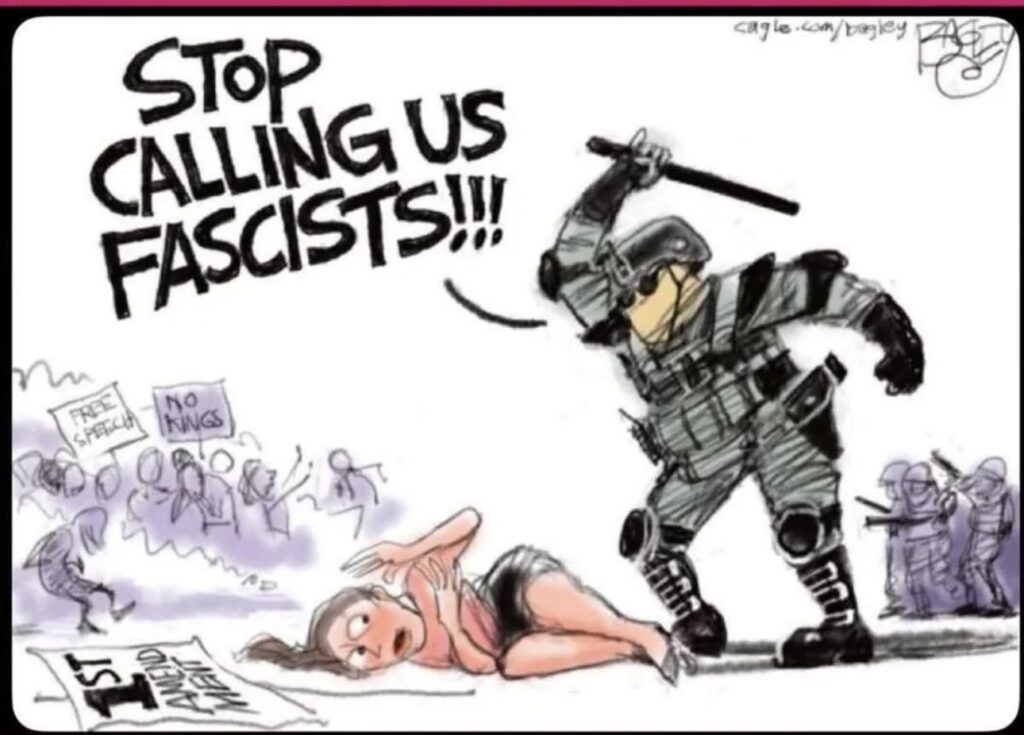
The core of the potential mockery centers on the contradiction between TPUSA’s “family values” positioning and Kid Rock’s lyrics about underage girls. This easily-understood contrast lends itself to viral content, memes, and commentary.
- Kid Rock’s Response Strategy
Kid Rock has adopted a confrontational approach to criticism, recently posting a Kobe Bryant quote about learning to “love the hate”. This stance may inadvertently fuel more mockery, particularly since Bryant fans have objected to Rock using the late athlete’s words.
- Competing Cultural Visions
The juxtaposition between Kid Rock’s traditionalist American imagery and Bad Bunny’s groundbreaking performance as the first solo Latino artist to headline the official Super Bowl halftime show creates a natural cultural contrast that commentators are likely to explore.

- Social Media Dynamics
As noted in analysis of the controversy, “Once a contradiction becomes funny on the internet, it’s almost impossible to reverse”. The straightforward nature of the controversy—easily quotable lyrics conflicting with family-values branding—makes it particularly susceptible to rapid social media spread.
The Broader Pattern
This incident reflects a recurring pattern in contemporary culture wars, where attempts to position conservative figures as moral alternatives can unravel when past controversies resurface. The speed of information retrieval in the digital age means that “you can’t position yourself as the arbiter of family values without someone checking your back catalog”.
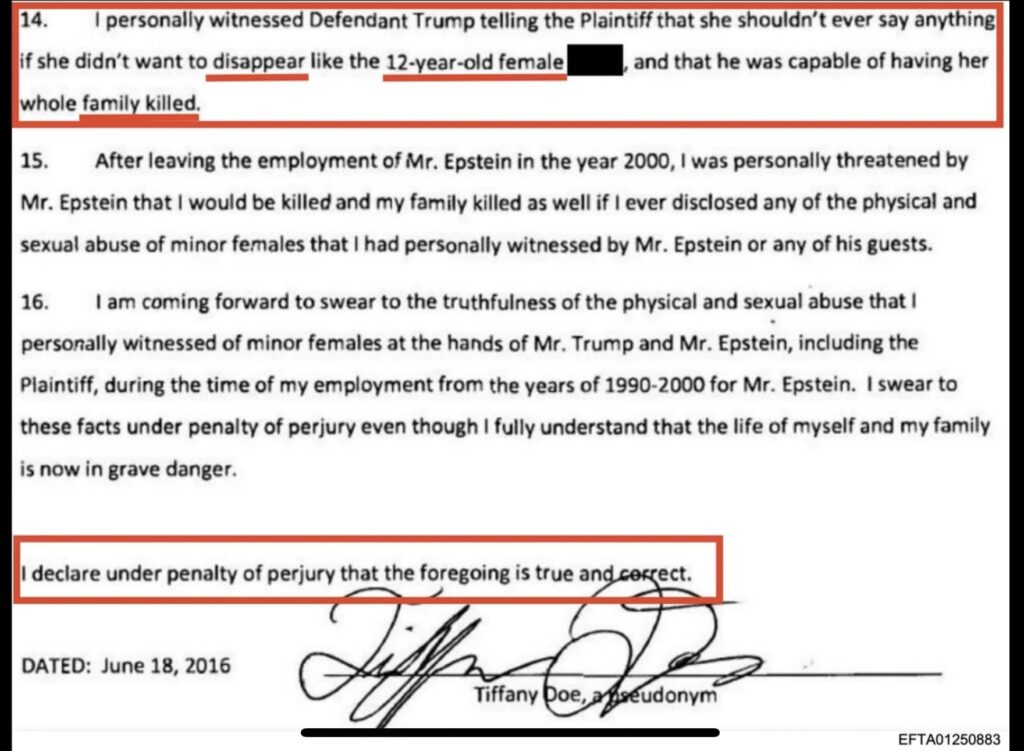
What began as TPUSA’s effort to counter-program Bad Bunny’s halftime show has instead sparked conversations about selective outrage and moral consistency. Rather than debating the merits of different musical styles or cultural expressions, the discussion has shifted to why lyrics explicitly referencing statutory rape drew less initial scrutiny than a Spanish-language performance.
Conclusion
Kid Rock enters Super Bowl week embroiled in controversy not over new allegations, but over long-documented artistic choices that clash with his current political branding. While the search results contain no evidence linking him to criminal activities involving minors or direct associations with Epstein’s circle, the resurfaced lyrics from “Cool, Daddy Cool” have created a significant public relations challenge.
The potential for mockery stems from this verifiable contradiction between lyric content and event branding, amplified by the heightened visibility of Super Bowl week. As the spotlight intensifies, the controversy serves as a case study in how digital archives have changed celebrity reputation management, ensuring that past artistic decisions remain permanently accessible for reconsideration in new contexts.
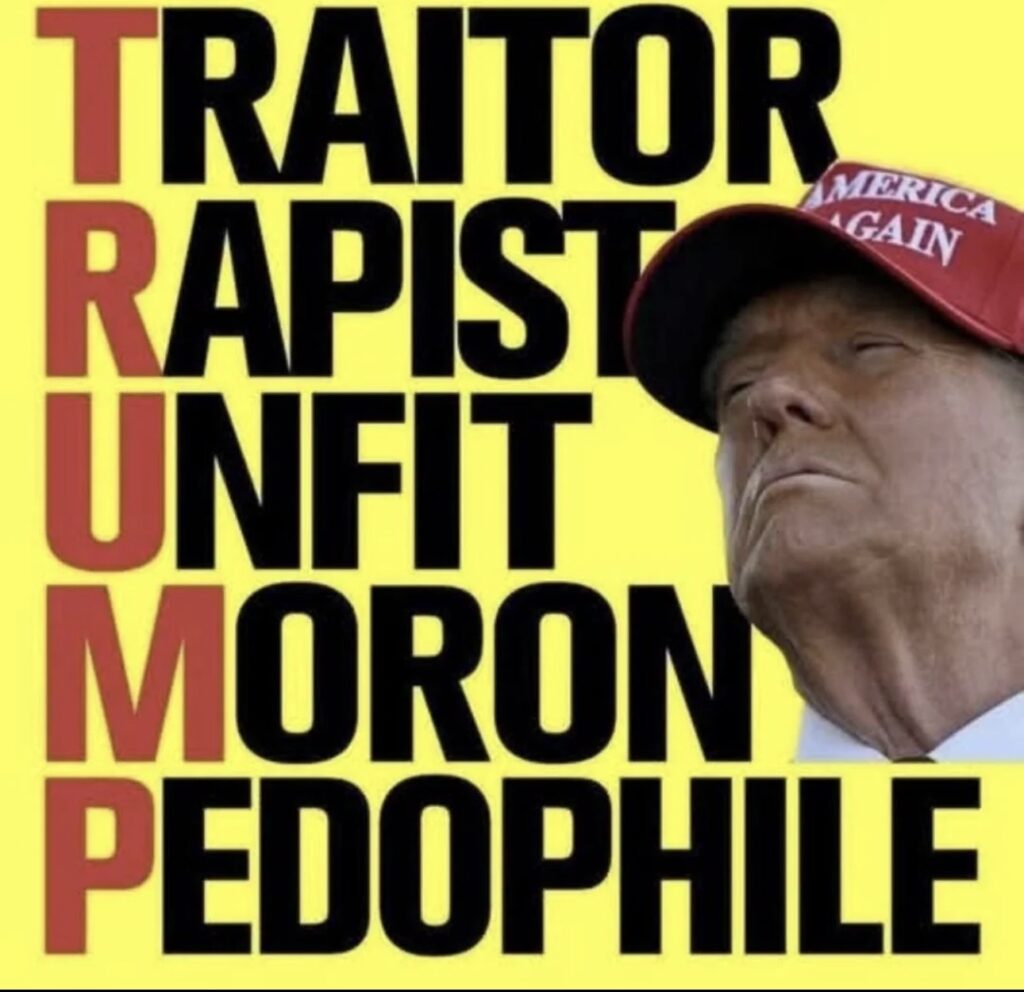
The Super Bowl mockery likely won’t focus on unsubstantiated criminal allegations but rather on the documented irony of controversial lyrics being performed at an event marketed as the wholesome alternative. This distinction matters—it separates legitimate criticism of verifiable artistic choices from speculation about unproven personal conduct.