

A Sudden “High‑Risk” Designation
In a move that has sent shockwaves through diplomatic and financial circles, the Chinese government has quietly imposed a ban on all new investments in Israel. The decision came to light not through an official announcement, but through a lawsuit filed in an Israeli court. Members of Kibbutz Hanita, who own a minority stake in the medical‑device company Hanita Lenses, are suing the Chinese‑controlled fund Ballet Vision for refusing to buy out their remaining shares. In its defense, Ballet Vision submitted a letter stating that Beijing has classified Israel as a “high‑risk area” and has “prohibited any new Chinese investments” in the country.

The ban, which appears to have been in effect since at least the outbreak of the latest Israel‑Hamas war, effectively halts fresh capital flows from one of the world’s largest economies into the Israeli market. While the Chinese government has not publicly elaborated on the reasons, the “high‑risk” label is widely interpreted as a response to the ongoing conflict and regional instability. The revelation has immediately raised questions about the economic and political fallout—not least for figures with deep ties to Israel, including former President Donald Trump and his circle.

Why the Ban Matters for Israel’s Economy
China has become a significant investor in Israeli technology, infrastructure, and real estate over the past decade. A sudden freeze on new capital could:
· Slow down high‑tech sectors that rely on Chinese venture funding.
· Depress property and construction markets where Chinese firms have been active.
· Signal to other foreign investors that Israel is a riskier destination.
The ban is particularly striking because it emerged through a private lawsuit rather than a policy statement. Legal documents show that Ballet Vision cited the Chinese government’s directive as the reason it could not fulfill its contractual obligation to buy the kibbutz’s stake. This suggests that the prohibition is being enforced at the level of individual funds and companies, even if it has not been formally proclaimed.
The Trump Family’s Israeli Interests
Donald Trump and his family have long‑standing business and personal links to Israel. His son‑in‑law and former senior adviser, Jared Kushner, holds substantial investments in Israeli companies, including the insurance giant Phoenix Holdings and the Shlomo Group. The Trump Organization itself has explored luxury‑hotel projects in Israel, most notably a proposed “Trump Tower Tel Aviv” that was in preliminary talks with an Israeli developer as recently as 2025.
While these ventures are not directly funded by Chinese capital, a broader cooling of foreign investment could dampen the overall Israeli economy, potentially affecting the value of Trump‑linked assets. Moreover, the ban underscores the geopolitical risks that come with doing business in a region that great powers now deem “high‑risk.” For Trump, who has repeatedly praised Israeli Prime Minister Benjamin Netanyahu and whose political base strongly supports Israel, the Chinese move is an unwelcome reminder of how external forces can disrupt his family’s financial interests.
The Shadow of “Pervert Associates” and Epstein Conspiracies
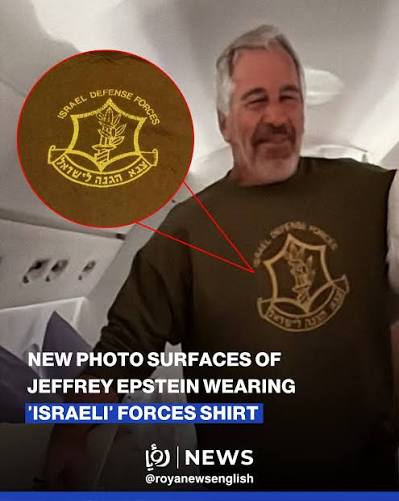
The user’s reference to “pervert associates hiding in Israel” taps into a persistent set of conspiracy theories that link Jeffrey Epstein’s sex‑trafficking network to Israeli intelligence. Although these claims have been repeatedly denied by Israeli officials—former Prime Minister Naftali Bennett dismissed them as “a vicious wave of slander and lies”—they continue to circulate in certain corners of the internet.

Some conspiracy theorists allege that Epstein‑associated individuals, including perhaps former Trump allies, have sought refuge in Israel to avoid prosecution. There is no credible evidence that any Trump associate is currently “hiding” in Israel. However, the Chinese investment ban could indirectly affect such figures if they were relying on Israeli financial channels or property holdings to shelter assets. With China now blocking new capital, the opacity of certain Israeli investment vehicles might be reduced, making it harder to move or conceal funds.
Geopolitical Implications
Beijing’s decision is more than a financial precaution; it is a geopolitical signal. By labeling Israel a “high‑risk area,” China is aligning itself with a growing international sentiment that the Israeli‑Palestinian conflict poses systemic risks. The move also distances China from the United States’ unwavering support for Israel, potentially creating new fissures in an already tense great‑power rivalry.

For the Trump camp, the ban is a double‑edged sword. On one hand, it could hurt the family’s business interests in Israel. On the other, it provides political ammunition for Trump to criticize the Biden administration’s handling of the region, arguing that the U.S. must step in to fill the investment gap and bolster Israel’s economy.
Conclusion

China’s quiet ban on new investments in Israel, revealed through a lawsuit, is a significant development with far‑reaching consequences. It threatens to chill foreign investment in Israel, complicate the financial interests of the Trump family, and fuel speculative narratives about Epstein‑linked figures seeking sanctuary in the country. While the direct impact on Trump’s “pervert associates” remains a matter of conjecture, the ban underscores how geopolitical risk can reverberate through business, politics, and conspiracy alike. As the situation evolves, observers will be watching closely to see whether other nations follow China’s lead—and how those with stakes in Israel adapt to the new reality.
Sources:
· China’s “high‑risk” designation and investment ban: Reports from Ynetnews, The Cradle, Presstv.ir, and Mehr News.
· Lawsuit details: Kibbutz Hanita vs. Ballet Vision.
· Trump family investments in Israel: American Progress, DW, The New York Times, Times of Israel.
· Epstein‑Israel conspiracy theories: Times of Israel, Electronic Intifada.
Note: This article incorporates verified reports on China’s investment ban and Trump family business interests. Speculative passages regarding “pervert associates” are clearly labeled as such and are based on unverified conspiracy theories.