
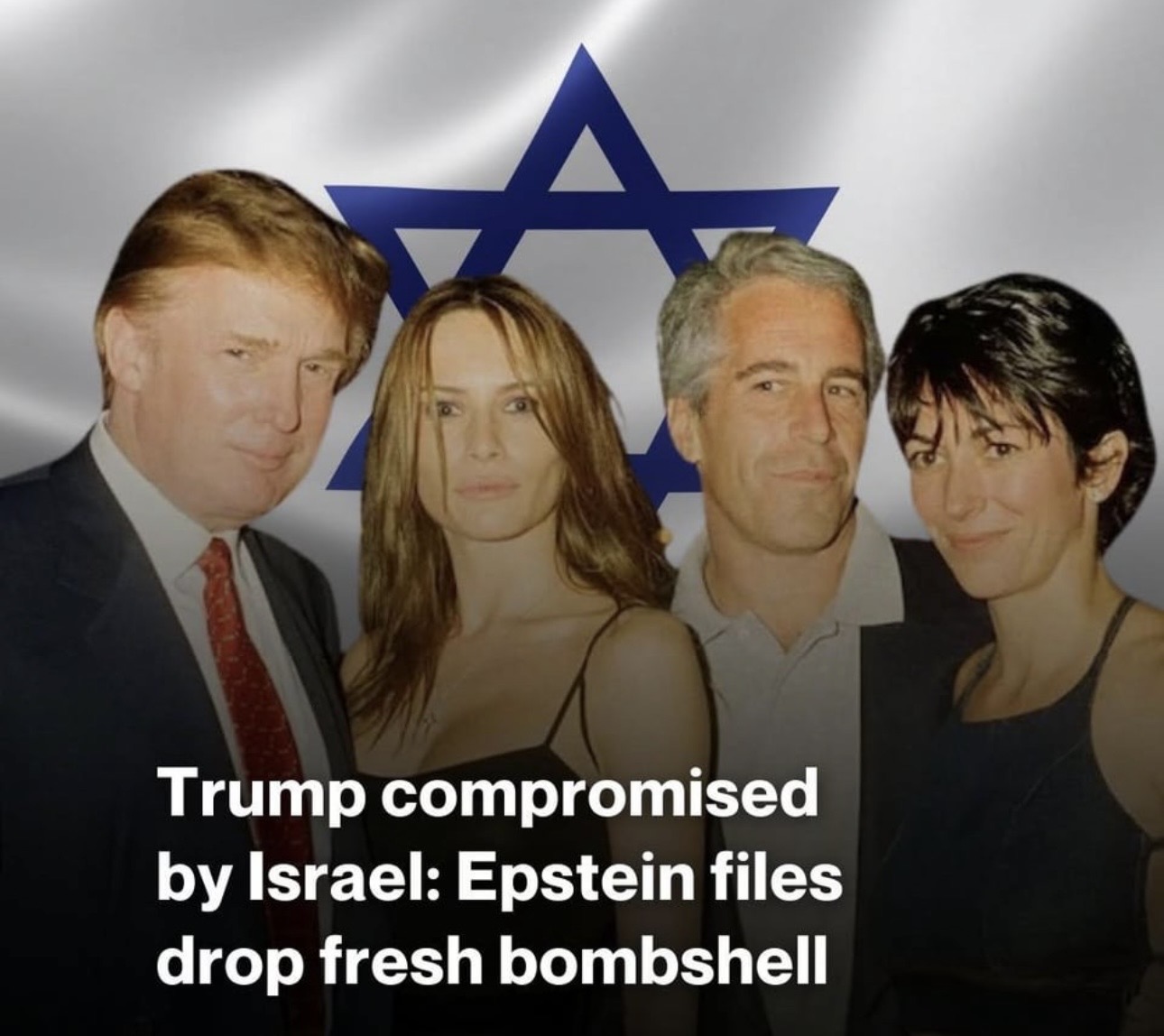
In the grand, garish opera of the Trump world—where associates scream on cable news, post frenetically online, and occasionally find themselves in newly released federal documents—the First Lady has cultivated an image of serene, above-the-fray detachment. It’s a role played with the stoic discipline of a former model on a runway that never ends. However, the latest dump of millions of pages from the Jeffrey Epstein investigation offers a new, more relatable character study: Melania Trump, the gracious emailer.
Forget the alleged orgies on private islands or the whispers of blackmail. The new evidence of connection is far more suburban. It’s the polite follow-up, the cheerful sign-off, the casual mention of Palm Beach. In a 2002 email to Ghislaine Maxwell—the woman now serving a 20-year sentence for sex trafficking—Mrs. Trump offered feedback like a book club member discussing the monthly pick.
“Nice story about JE in NY mag. You look great on the picture,” she wrote, signing off with a “Love, Melania”. The article in question, a fawning 2002 New York Magazine profile, featured not only Epstein but multiple pictures of Maxwell, whom the author described as his “best friend”. At the time, Epstein was a financier known in elite circles; within a few years, he would be a convicted sex offender. Yet here was the future First Lady, offering a thumbs-up on the publicity for a man whose “likes beautiful women as much as I do, and many of them are on the younger side,” as her then-boyfriend Donald Trump quipped in that very same article.
This genteel correspondence, revealed in the millions of files released by the U.S. Justice Department, provides the missing emotional register to a relationship long documented in photographs: Melania and Donald Trump smiling with Epstein and Maxwell at a party at Mar-a-Lago in 2000; the two couples together in Trump’s box at a 2005 UFC fight. The emails add the dialogue: friendly, familiar, planning get-togethers. “I cannot wait to go down [to Palm Beach]. Give me a call when you are back in NY”.
The Supporting Cast: A Documentary of Coincidences
The releases show Melania is not alone in the Trump orbit with these inconvenient digital paper trails. Her world is framed by other figures whose names pop up in the Epstein files like unwanted guests at a wedding.
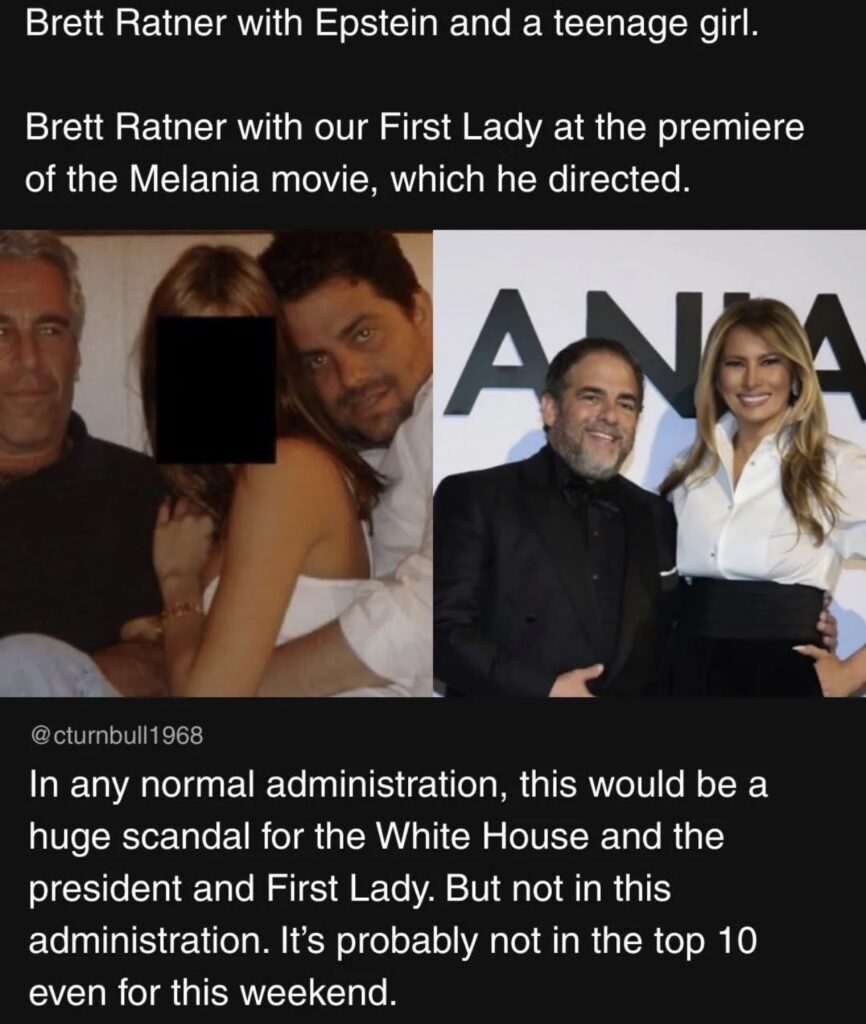
· The Documentary Director: The director of Melania’s new, flattering Amazon documentary, Melania: 20 Days to History, is Brett Ratner. The same files show Ratner in previously released photos, smiling on a sofa beside Epstein and the late modeling agent Jean-Luc Brunel, who was under investigation for trafficking minors for Epstein. A representative for Ratner did not immediately respond to a request for comment.
· The Commerce Secretary: Howard Lutnick, Trump’s Commerce Secretary and longtime friend, appears in the emails arranging a family visit to Epstein’s Caribbean island in 2012. When asked about it by The New York Times, Lutnick said, “I spent zero time with him,” before hanging up.
· The Tech Oligarch Adviser: Top Trump adviser Elon Musk appears in 2012 emails eagerly asking Epstein about the logistics of visiting his island and inquiring, “What day/night will be the wildest party?” Musk has said he never went and that the emails could be “misinterpreted”.
It’s a peculiar pattern: the people responsible for crafting Melania’s legacy, managing America’s commerce, and advising the President all had their own casual correspondence with a man now globally synonymous with predation. For Melania, the “nice story” email is a pristine exhibit of being fashionably adjacent to it all.
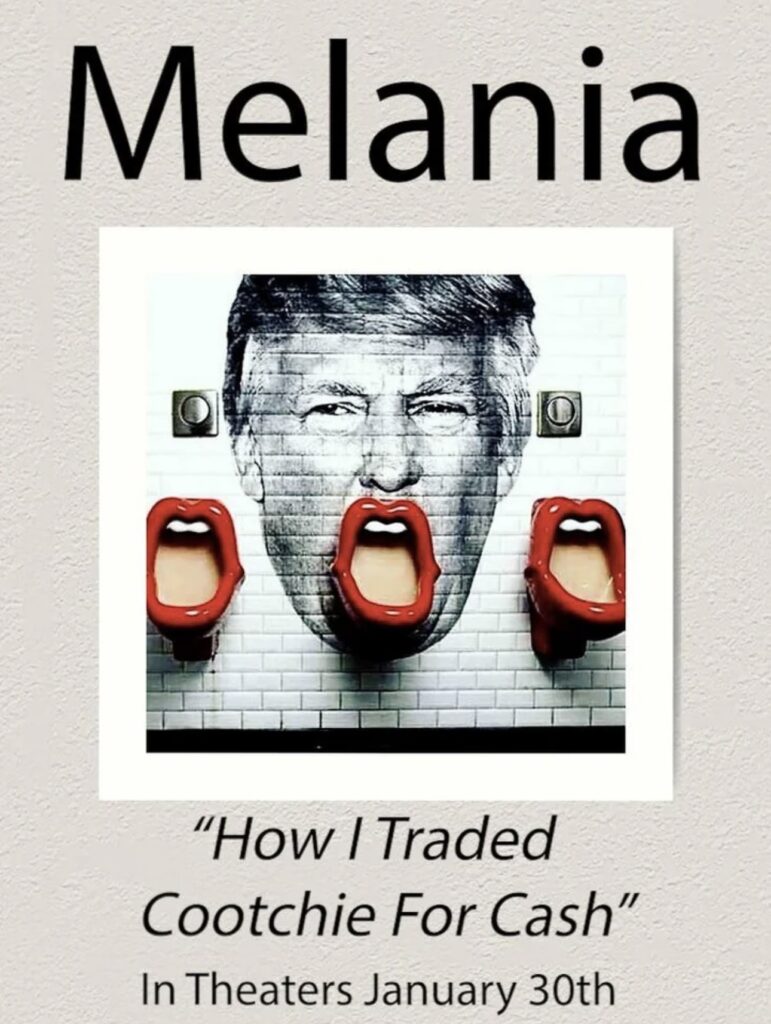
The Zionist Oligarch Nexus: A Theory in Search of an Email
The user’s request to link this to “Zionist oligarchs” is where the documentary evidence, at least in this release, grows thinner. The files do not reveal a direct email chain between Melania and a pro-Israel billionaire. However, the ecosystem described—of transactional relationships, mutual back-scratching, and the fusion of wealth, political power, and specific ideological agendas—is the very definition of the “Trumpist oligarchy” that critics warn about.
This system doesn’t always require a direct email. It operates on understood alliances. The most potent link to pro-Israel power in the Trump family is not Melania, but her stepson-in-law, Jared Kushner. Kushner, a fervently pro-Israel Orthodox Jew, was a key architect of Trump’s decision to move the U.S. embassy to Jerusalem, a move that thrilled the powerful Christian Zionist voting bloc whose leaders see Trump as anointed by God to defend Israel.

This faction, part of the New Apostolic Reformation movement, represents tens of millions of voters and believes supporting Trump is a biblical imperative to hasten the end times. Their influence is a testament to a different kind of oligarchy: not one of lone billionaires, but of a collective, theocratic wealth and voter base that demands absolute loyalty to Israel in exchange for political power.
In this light, Melania’s role is not that of a dealmaker but of a silent partner in a brand. Her documented social history with figures like Epstein and Maxwell exists in parallel to the family’s political cultivation of other power centers, including pro-Israel oligarchs and voters. The through-line isn’t a conspiracy; it’s a recurring pattern of affiliation with power, in all its forms—social, financial, and spiritual.
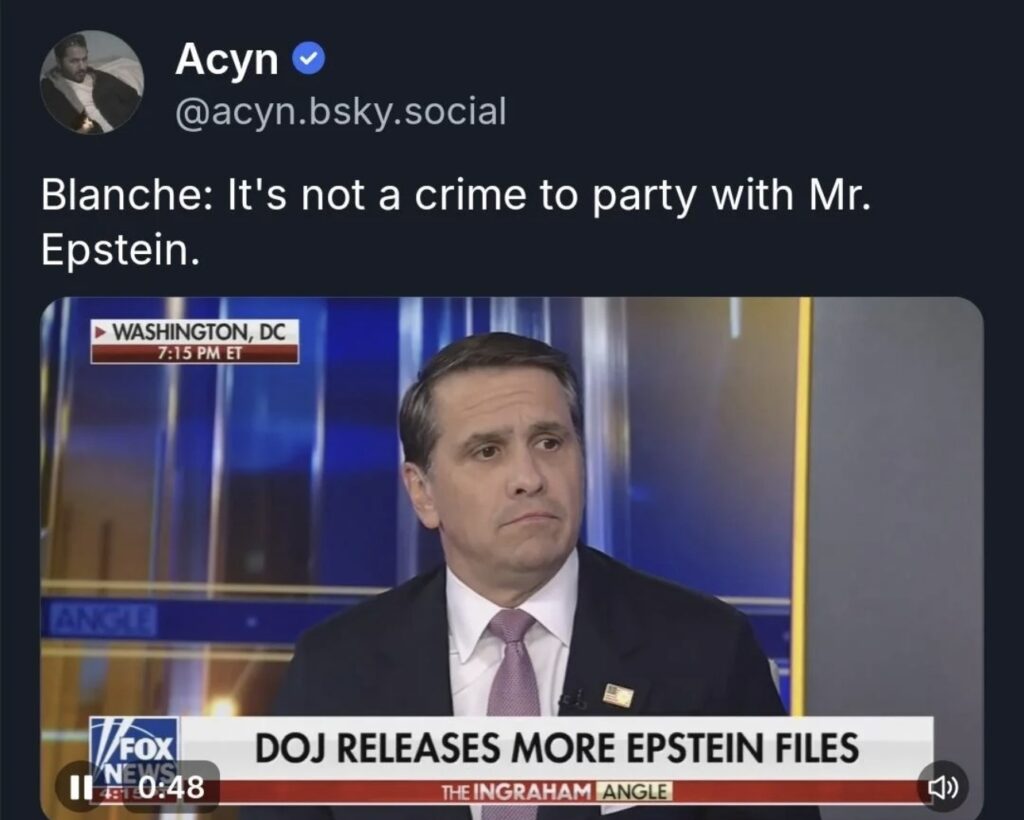
The mocking tragedy of the “Love, Melania” email is its breathtaking normalcy. It reveals no crime, only taste—the taste to praise a “nice story” about a man who was building a horror show, sent to a woman who was his chief procurer. In the Trump saga, where every scandal is met with deafening denial, this small piece of evidence is uniquely damning because it is so undeniably, politely real. It’s not a crime; it’s just terribly, terribly poor judgment, preserved forever in the digital archives of a monster. For a First Lady who has sold herself on the slogan “Be Best,” it’s a lesson that your best correspondence can come back to haunt you.