
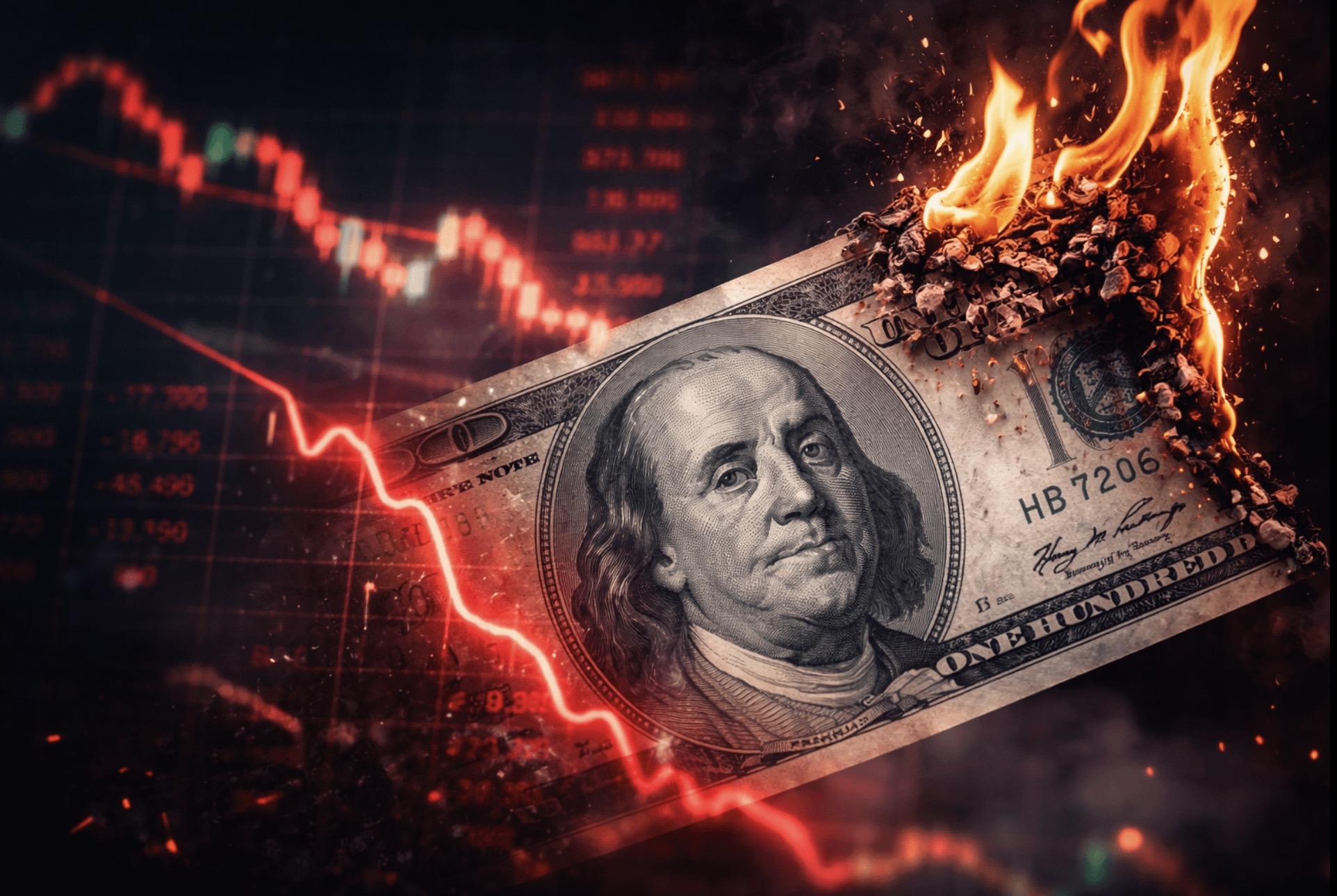
The recent historic crash in silver prices—a 30-37% single-day drop on January 30, 2026—triggered a forced liquidation of JPMorgan Chase’s massive short position in the metal. This event is a direct consequence of the bank’s enormous derivative exposure and was catalyzed by a political decision: former President Donald Trump’s nomination of a new Federal Reserve Chair.

📉 The Trigger: A “Hawkish” Fed Nominee Sparks a Sell‑Off
The immediate catalyst for the silver crash was a shift in monetary policy expectations.
· On January 29, 2026, Donald Trump announced his intention to nominate Kevin Warsh, a former Fed governor known for his hawkish views, as the next Chair of the Federal Reserve.
· Markets interpreted this as a move toward a stronger, more independent Fed, causing the U.S. dollar to surge. Since precious metals like silver are priced in dollars and often act as a hedge against currency debasement, this sparked a violent reversal of the year-long “debasement trade”.
· The result was a brutal sell-off, with silver plunging as much as 32% in a single day, its worst loss since 1980. This sharp, unexpected price move created immediate pressure on all leveraged positions in the market.

🏦 JPMorgan’s Colossal Short and Forced Liquidation
JPMorgan, as the dominant player in the silver derivatives market, was uniquely exposed to this crash.
· A “Critical Threat to Firm Solvency”: A leaked internal memo from early January 2026 revealed that JPMorgan’s net short exposure across silver futures, swaps, and related derivatives stood at roughly 6.2 billion ounces. This position is nearly eight times larger than annual global mine production. With silver prices having skyrocketed, the bank faced unrealized losses estimated at $377 billion, which the memo labeled a “critical threat to firm solvency”.
· Regulatory and Market Pressure: The Commodity Futures Trading Commission (CFTC) had issued an emergency directive, ordering JPMorgan to cut its silver short by at least 50% within 90 days or face forced liquidation. The January 30 price crash made this directive urgent, as mounting losses and margin calls threatened to destabilize the bank’s position.
· The Liquidation Itself: As the price collapsed, JPMorgan acted to close its short. COMEX reports indicate the bank closed its silver short position around $78 per ounce. By delivering physical metal to settle maturing futures contracts, JPMorgan forced speculative buyers—who did not want physical delivery—to liquidate their own positions, accelerating the downward price spiral. This action was part of the “covering operations” mandated by the internal memo to manage the solvency-threatening exposure.
🔗 The Direct Link to Trump
The connection between Trump’s policy and JPMorgan’s liquidation is clear in the sequence of events:
- Trump’s Nomination of a hawkish Fed chair (Kevin Warsh) directly caused the U.S. dollar to strengthen.
- The stronger dollar triggered the historic silver price crash.
- The price crash created a margin and solvency crisis for JPMorgan’s enormous short derivative position, forcing the bank to liquidate its assets to cover losses and comply with regulatory demands.

In essence, a political appointment acted as the catalyst that exposed the extreme fragility of JPMorgan’s speculative market position, leading to a forced unwind that exacerbated the market turmoil.
💎 Conclusion
The liquidation of JPMorgan’s silver assets was not a routine trading decision. It was the inevitable result of a perfect storm: an extraordinarily large and risky derivative bet on silver prices, met with a sudden political catalyst that reversed the market trend. The event underscores how monetary policy signals from political leaders can directly trigger chain reactions in over-leveraged financial markets, with systemic implications.