A Pattern as Old as His Career
Let’s start with the number that should have ended any political career: at least 28 women. Since the 1970s, nearly three dozen women have stepped forward, through fear and public shaming, to accuse Donald Trump of sexual misconduct. Their allegations paint a consistent and damning portrait: rape, forced kissing, groping, lewd comments, and invasions of privacy. This isn’t a “he said, she said” about a single event. It’s a five-decade chronicle of alleged predation, a behavioral pattern so entrenched it spans from the disco era to the digital age.
The settings of these alleged acts reveal a man who felt entitled to women’s bodies anywhere, anytime. On airplanes. In department store dressing rooms. At his Mar-a-Lago estate. At public events like the U.S. Open. Most grotesquely, he allegedly felt ownership over the dressing rooms of the beauty pageants he owned, walking in on naked teenage contestants because, as he bragged to Howard Stern, “I’m allowed to go in, because I’m the owner”.
The Courtroom Doesn’t Lie: Legal Accountability
The backlash to such allegations typically follows a patriarchal script: dismiss, denigrate, and intimidate. Trump followed this to the letter, calling his accusers liars and threatening to sue them all. But in one case, the system held—briefly.
Writer E. Jean Carroll had the courage and resources to take him to court. In a landmark civil trial, a jury found Trump liable for sexually abusing her in a Bergdorf Goodman dressing room in the mid-1990s and for defaming her. An appeals court upheld the verdict and the $5 million judgment against him. The court also allowed evidence from other accusers, noting their stories showed a clear pattern: Trump would engage in “an ordinary conversation” before abruptly lunging at women to kiss and grope them without consent.
This legal finding—”sexual abuse”—is not a political opinion. It is a judicial fact. Yet, in the face of it, he remains a major political figure. What does this say about our tolerance for abuse if the abuser is powerful enough?
The Ultimate Admission: In His Own Words
We don’t have to rely solely on the testimony of victims. Trump has provided his own manifesto of misogyny.
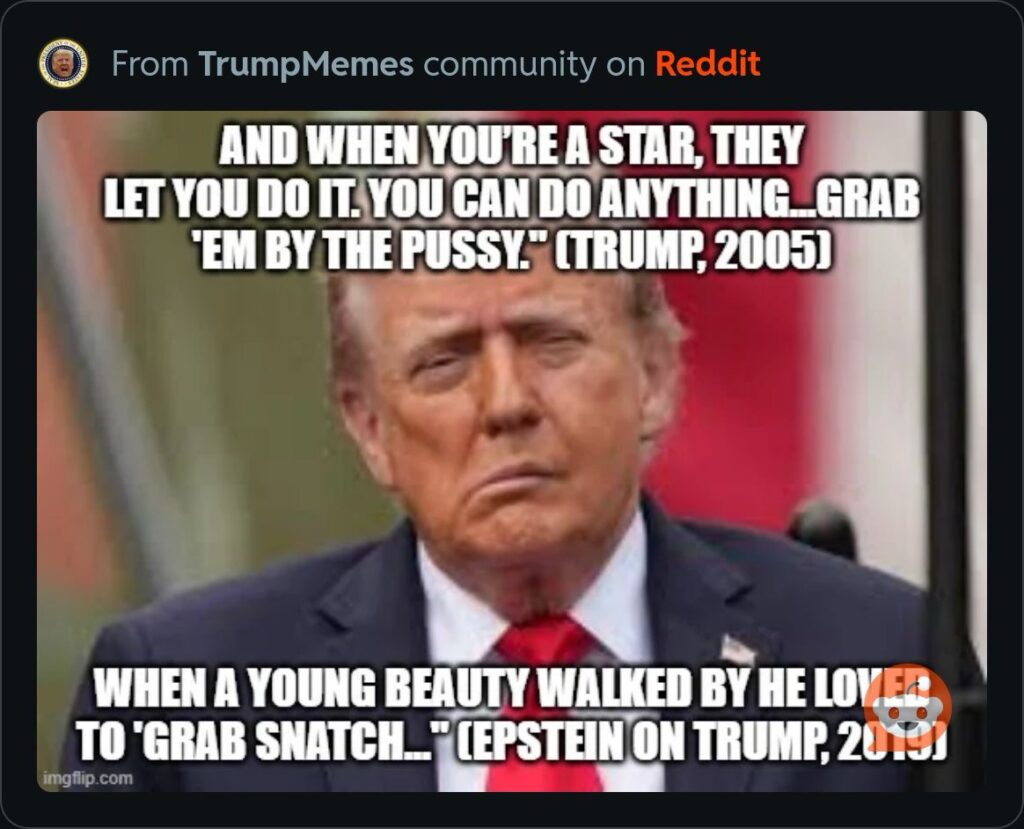
The 2005 “Access Hollywood” tape is his credo. On it, he brags about the power of celebrity to assault women with impunity: “I don’t even wait. And when you’re a star, they let you do it. You can do anything… Grab ’em by the pussy”. This wasn’t a private thought. It was a boast. It encapsulates a worldview where women are objects for the taking, where consent is irrelevant in the face of fame and power.
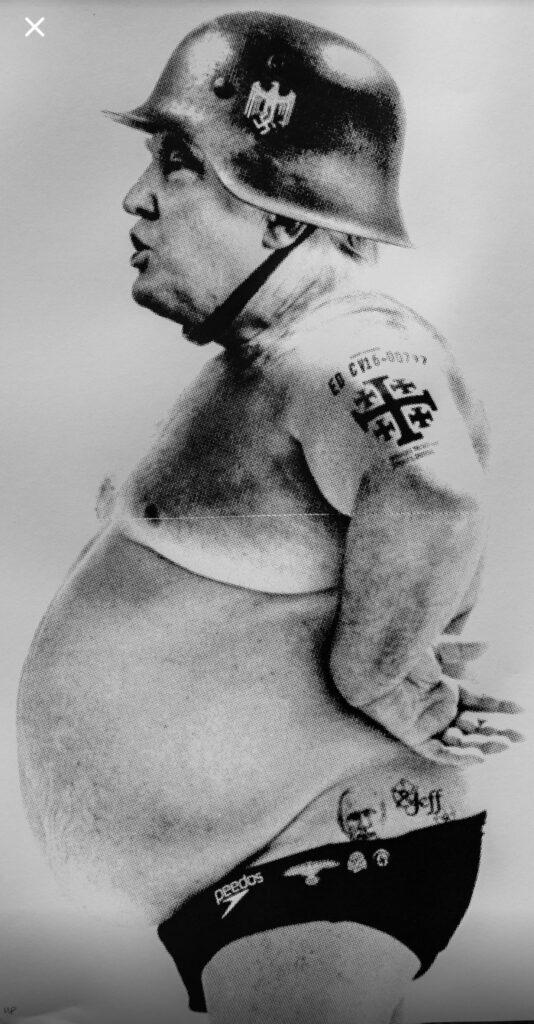
His public comments reinforce this. He once suggested sexual assault in the military was inevitable when men and women serve together, blaming the environment, not the perpetrators. In his own book, he stated, “All the women on The Apprentice flirted with me — consciously or unconsciously. That’s to be expected. A sexual dynamic is always present” — framing any interaction with him as inherently sexual and absolving himself of responsibility.

The Infrastructure of Secrecy and Silencing
When you are a wealthy, powerful man, you don’t just commit acts; you build machinery to hide them.
· Hush Money and Felonies: The Stormy Daniels case revealed the lengths Trump would go to conceal sexual encounters. A New York court convicted him of 34 felony counts for falsifying business records to hide a $130,000 payment to silence the adult film actress about an alleged affair. This wasn’t a “private matter”; it was a criminal conspiracy to defraud and manipulate an election.
· The Playbook of Denial: His response to accusations is textbook abuse-apologia. He denies ever meeting the women (despite photographic evidence). He claims they are “paid” to make up stories. He weaponizes the legal system to punish and bankrupt them, as seen in his failed but costly lawsuit against the company behind the Steele dossier.
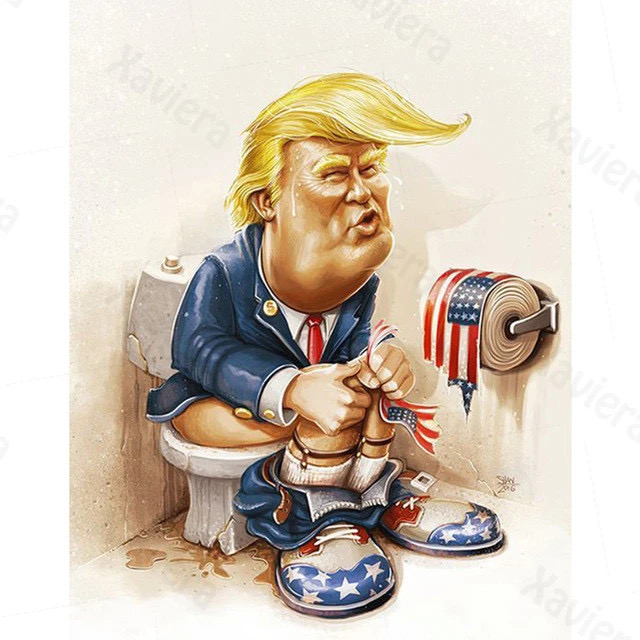
A Culture of Complicity
The greatest insult is the complicity that allows this to continue. A political movement has rallied behind a man found liable for sexual abuse. Media outlets often report the allegations with a sterile “he denies it” balance that obscures the sheer weight of the pattern. The message to survivors is clear: Your pain is less important than his power.

This is what angry feminism rails against. It’s not about one man’s vulgarity. It’s about a system that still, in 2026, weighs the credibility of dozens of women against the denials of one powerful man and finds the equation debatable. It’s about the fact that a self-admitted sexual predator can not only escape criminal consequence but can be embraced as a leader.
The anger is the point. It is the rational, justified response to a society that continues to negotiate the basic rights of women to bodily autonomy and dignity. Until that anger is reflected not just in articles, but at the ballot box and in every corner of our culture, the stain remains, and the cycle continues.